Quiet Fire

Quiet Fire

In balmy darkness
I was floating
over sand and salt,
along the garland of lights,
below the curtain of stars…

One fell.
In a flash, I thought of
my distant beloved one,
in a flood, it came back,
the impossible future.

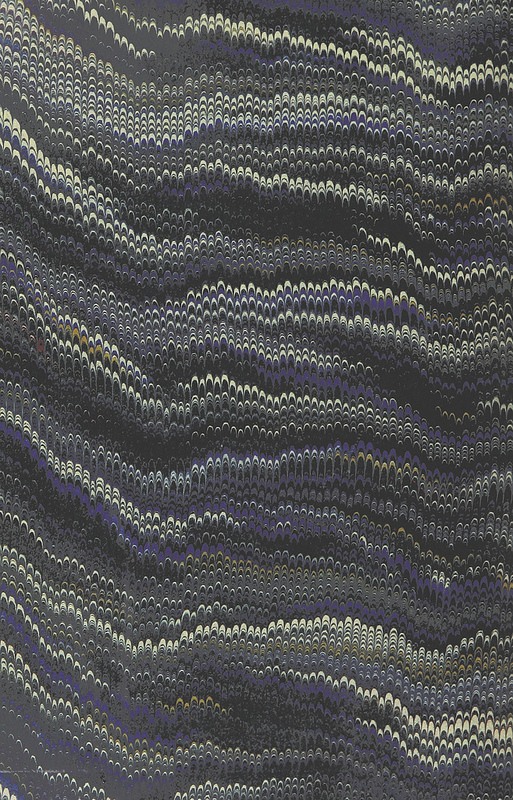
Decorative paper, black with ripples in grey, white, purple.He, too,
had come like a shooting-star,
fair, fast, in a sweeping curve,
with careless grace,
like a message from life.

Cold is the sea now and rough,
with dullness tainted the days
and the sparkling tent of the night.
The quiet fire has passed:
the face that mattered.

Around me is autumn,
and I know that spring will return
and my youth will not.
The voice that struck me is silent;
and my heart eats death.

Christina Egan © 2012

A memory of the Mediterranean Sea, where one can swim, and swim even in after dark, even into autumn…

Decorative paper. Image provided by British Library through Flickr.

By the River I was Sitting

By the River I was sitting

By the River I was sitting
Watching barges floating by
Like the clouds so full of promise
In the blue and burning sky

Bearing jewels, bearing silver
From the mountains crowned with snow
Bearing spices, sweet and fiery
From the jungles down below

By the River I was waiting
For a boat to pick me up
Till the oars were folded inward
And the city-gates were shut

On my roof-top I was watching
Night like lapis-lazuli
While the stars were slowly rolling
Round the tiny lonely me

By Two Rivers I was dwelling
In a house of golden bricks
In my dress of snow and silver
Waving to intrepid ships

When the stars had come full circle
Strangers broke my city-gate
And my boat lay by the palm-trees
Finest date-wine was its freight

And it flew against the current
And it floated with the storm
Till I climbed the purple mountains
Where the River Twins are born

Christina Egan © 2011

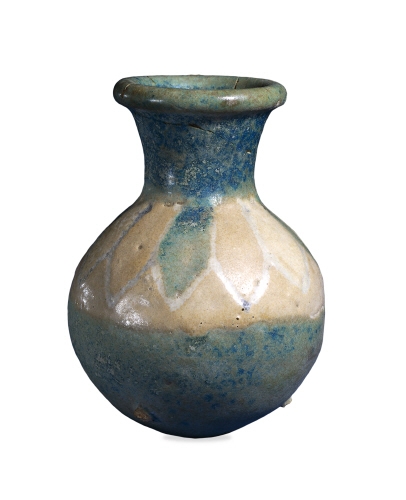
Jar, elegantly curved, with brown and blue glaze.


This song of the woman by the river is taken
from my stage play The Bricks of Ur  (© 2011).

Place: City of Ur, Mesopotamia — Time: 2000 B.C.

Photograph: Assyrian jar (9th to 7th c. BC).
© The Trustees of the British Museum.

au jour des ténèbres

au jour des ténèbres
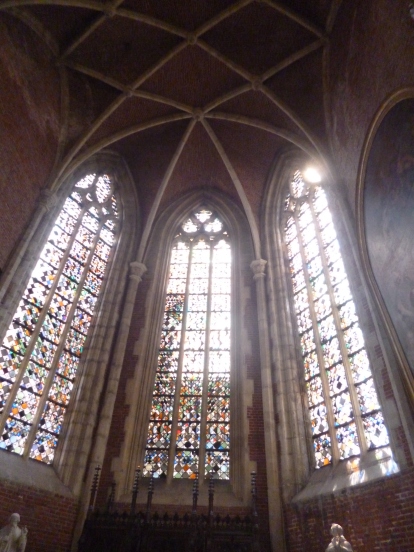
Three tall gothic windows with modern stained galss, abstract and subdued.au jour des ténèbres
une chandelle dansait
au jour des funèbres
une fleur étincelait

à l’heure de silence
une voix m’a touché
à l’heure de souffrance
une main m’a brossé

à l’aube très lente
une étoile est surgie
dans l’âme patiente
la lueur s’élargit

comme si la souffrance
se tintait de bleu
ô douce espérance
qui baigne les yeux

Christina Egan © 2018

This poem was inspired by a French church service where the words ‘souffrance’… ‘silence’… ‘patience’… seemed to echo in the dark church on a dull Good Friday…

Windows in St Nicholas, Ghent. Photograph: Christina Egan © 2018.

Yellow Fire (April Haiku)

Yellow Fire
(April Haiku)

*

Little rust-red leaves,
no, blood-red in the sunlight,
there, throbbing with life!

*

White stars are floating,
above the ancient tombstones,
on the slanting tree.

*

Little lime-green leaves
running along the hedges,
look, like yellow fire!

*

Christina Egan © 2017

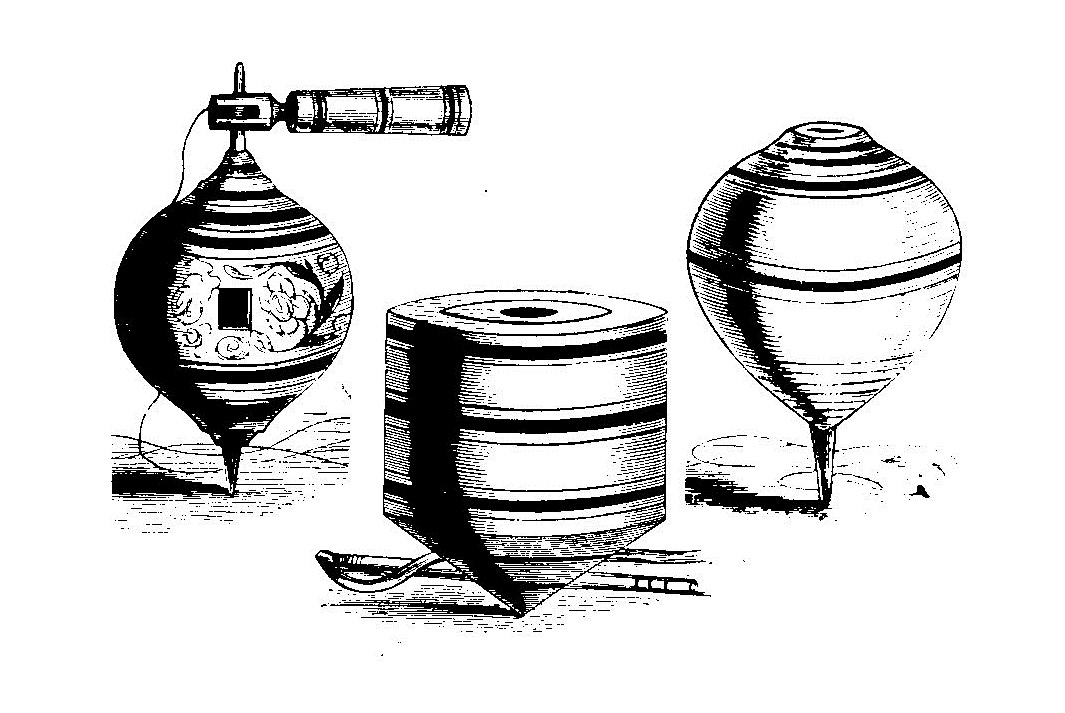
Drawing of three old-fashioned spinning tops.Illustration from
‘Children’s games throughout the year’ 
(1949) by Leslie Daiken.

Sambation

Sambation

O daß der Mühlenräderlärm der Plätze
verrauschte wie ein Sommerwolkenbruch,
das grelle purzelnde Geröll der Menge
versiegte in der Großstadtstraßenschlucht,

auf daß das Flußbett sich durchwandern ließe
an Pforten, Traufen, Blumentrog vorbei
und nur die Schwalbe in die Stille stoße,
hoch, froh, mit Sichelflug und Silberschrei.

O daß die Lichterstrecken, Lichterhaufen
verblaßten wie das Nordlicht überm Meer,
auf daß die Sterne aus dem Dunkel tauchten
wie ein mit Bronze überglänztes Heer!

Christina Egan © 2017


The mythical river Sambation at the edge of the known world cannot be crossed because it is wild and full of mud and rocks — or even consists of rocks instead of water.

Here, the busy streets of a big city are experienced as a ravine full of tumbling stones, while the screech like grinding millstones; by night, the galaxies of lamplights drown the stars.

The opposite images are the quiet riverbeds of empty streets; the silent sky punctuated by the flight and cry of a swallow; and then the stars re-emerging…

This poem will be published in the German-language calendar Münsterschwarzacher Bildkalender 2019 (available from mid-August).

Alles drängt vorwärts

Alles drängt vorwärts

*

Fahrzeug um Fahrzeug,
bunte Menschen, Hunderte,
alles drängt vorwärts.
Durch das Adernetz der Stadt
rollt das Leben, das Sterben.

*

Kein einziger Stern,
bloß Wolken, Nebel und Staub
über den Dächern.
Doch Funken stieben, golden
und rot, über die Kreuzung.

*

Christina Egan © 2015/ © 2017

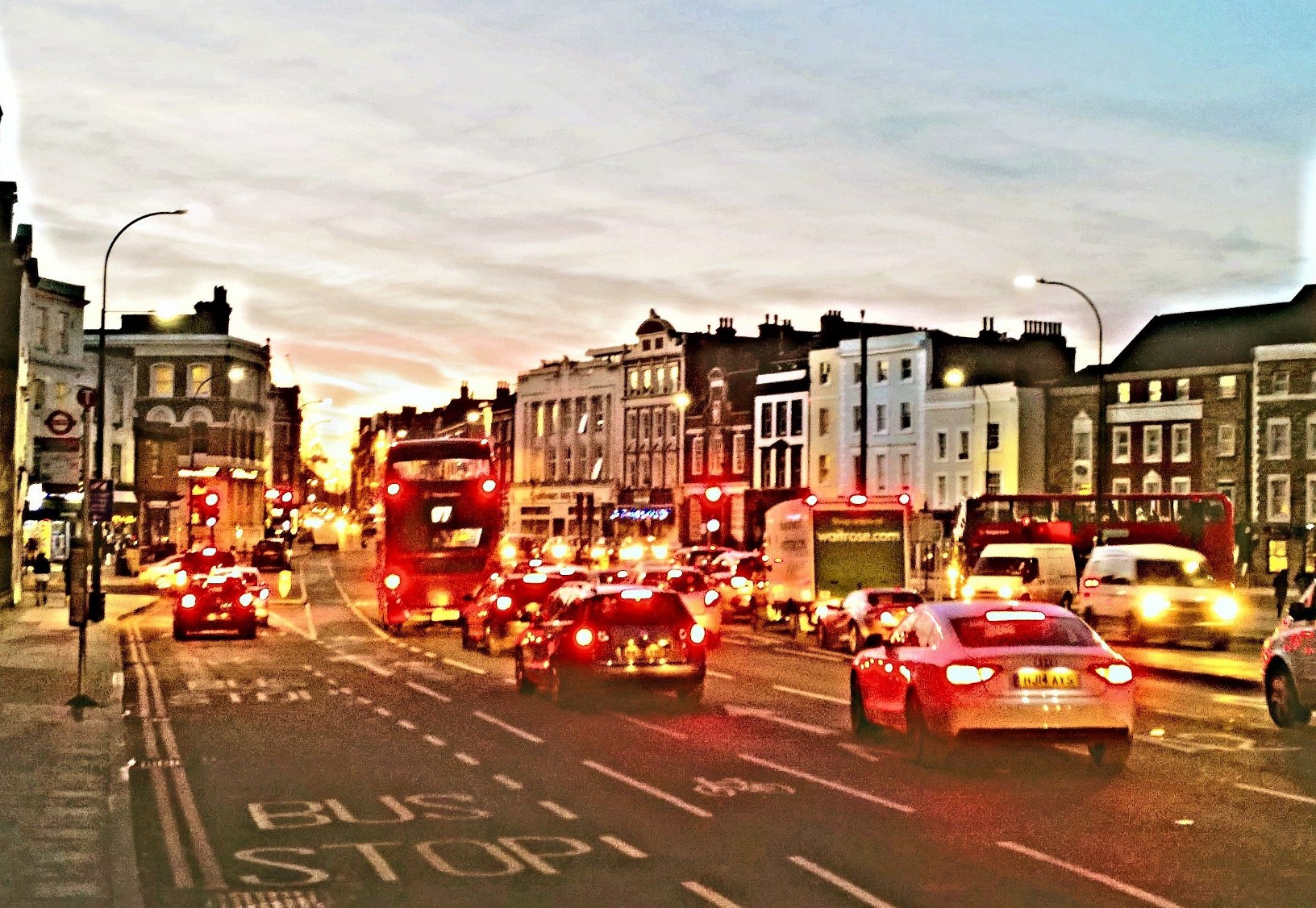
Busy junction in the dusk, with red and yellow lamps of cars and buses glaring.

These tanka were written in Bloomsbury, London,
one in summer and one in winter, one bright light
and one in dim light;  but the seasons and hours
make less difference in London than elsewhere…
For similar poems in English, go to Ripples of People.

Photograph: Deptford Broadway, London.
Michael Oakes © 2016

Der letzte Tropfen

Der letzte Tropfen

Wein von der Farbe des Blutes, jedoch vom Dufte der Rosen,
Wein von des Abends Kühle, darauf von der Hitze des Herdes…
Halb nur bewußte Gebete murmelnd, vergieß’ ich das Opfer:
Göttern den ersten Tropfen, den letzten dem fernen Geliebten.
Unbekannt sind mir jene, nicht weniger fremd ist mir dieser,
marmornes Bildnis verborgen im Haine heiliger Pinien.
Glatt wie silberne Spiegel und pfeilgerade die Straßen,
welche das mächtige Rom über Sümpfe und Hügel geknüpft hat:
Dennoch führt nicht eine zum Ziel, zum Dache des andern,–
ewig harrt man allein, allein unter schweigenden Sternen.

Christina Egan © 2015

Roman mosaic of bottle and cup

Like every year, I begin this blog with a Roman road

The poem is written in hexametres, which I find difficult to emulate in English and German.

You can find another story with spilt wine and ancient roads, in the form of an English poem, at Quo vadis?.


Roman mosaic, Bardo Museum, Tunis.
Photograph: Christina Egan © 2014.

I Sought the Star / Weihnachtskerzenflamme

I Sought the Star

Weary was, had wandered far…
        Again, it snowed.
Without a doubt, I sought the star
        above the road:

 The star that had been made for me,
        a radiant face,
above the maze of destiny,
        above the ice.

I climbed a random rugged hill –
        and there it burned!
Above a shelter bright and still
        and warm and firm.

And still they glow, the tiny spark
        and snowed-in home,
both given to my hungry heart
        by faith alone.

Christina Egan © 2010


Weihnachtskerzenflamme

Wie eine Weihnachtskerzenflamme strahlt
dein sanftes schmales Angesicht,
auf dem sich langersehnte Freude malt,–
so hell bist du und ahnst es nicht.

Wie hoheitsvolle Rosenknospen stehn
die Hände in dem goldnen Licht,
so zart, als würden sie im Wind vergehn,–
so weich bist du und weißt es nicht.

Christina Egan © 2014


A ‘Christmas Candle Flame’ as an image for a joyful, gentle, guileless face works only where, like in Germany, the tradition of real candles is upheld!

The second stanza compares the person’s hands to tender, graceful, regal rosebuds. The poem appears to describe a child but was in fact written for an adult.