Ursprung

Ursprung

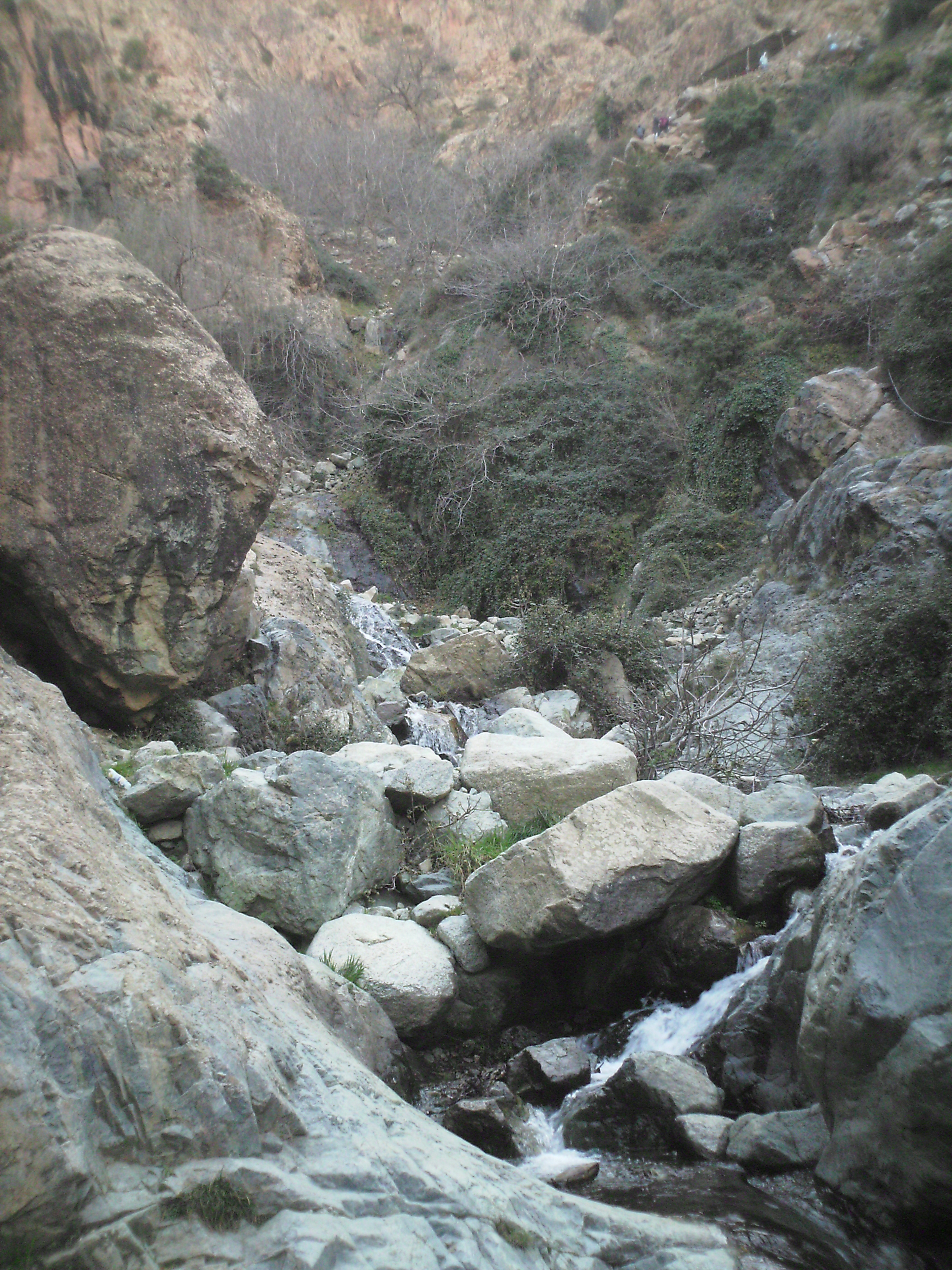
Narrow gorge with stream skipping around boulders and some vegetation on the rocks.Aus dem Felsen springt die Quelle:
So die Schöpfung aus dem Nichts.
Und sie strömet Well’ auf Welle
aufs Geheiß des Herrn des Lichts.

Und sie funkelt, und sie dunkelt,
und sie sprudelt fort und fort;
und sie murmelt, und sie rufet,
da geschaffen durch das Wort.

Und sie schäumet, und sie strebet,
spiegelt, springt empor zum Licht;
denn sie sucht den Herrn des Lebens
Angesicht zu Angesicht.

Christina Egan © 2016


This poem or hymn may work quite well in a translation software.

The text is based on the Jewish-Christian myth of creation: Out of nothingness (or chaos), God called everything into being (and order). Light was the first thing made, and it was all done through the word.

There is also a concept in Christian philosophy that God continues creating the world every moment; if he ever ceased, everything would tumble back into nothing. These ideas are really the opposite of nihilism.

Other thoughts from the Letters of the Apostles (at the end of the Christian part of the Bible) are that the whole of creation is striving and struggling towards God as if in labour; and that at the end of time, we shall emerge from darkness to see God ‘face to face’.

The title, ‘Origin’, means ‘first source’ in German; you can see the word ‘spring’ in it. Yet, I added the title in the end; the image and first lines stood clearly in my mind on waking up: the source springing from the rock, like the world out of nothingness, or life out of lifelessness.

A thought about a person stepping out from a building into the sunshine as if liberating himself or herself from a rockface can be found at Gelbes Licht, with a statue by Michelangelo that must have inspired it.

Photograph: Atlas Mountains, Morocco. Christina Egan © 2012.
das dritte bild

das dritte bild

dein foto ist der neugier aller welt
auf einem internetplatz ausgestellt:
man sieht den hut, viel haar und auch gesicht,
die augenlider, doch die augen nicht.

verschlossen steht und abseits tief in mir
ein anderes, ganz altes bild von dir:
ein überscharfes leuchtendes profil,
als ob’s aus einem traum zersplitternd fiel.

noch in der zukunft liegt das dritte bild,
das meinen wilden durst nach leben stillt:
ich sehe, wie du leuchtest, weil du lebst,
wenn du dich wendest und die augen hebst.

Christina Egan © 2011


The narrator adores a man or woman of whom he or she has gathered only a few impressions: mainly a distant memory and an online photo. These two are the past and the present; the future consists only of imagined images.

Heimkehr nach Köln

Heimkehr nach Köln

Die türmenden Inseln
der Kirchen,
die aschgrauen Schachteln
der Häuser,
die lärmenden Räder
der Plätze –

Geborgen bin ich
im Schoß meiner Stadt,
die mich die Sprache lehrte,
die vergessene Sprache,
die schlichten Gesänge
verschütteten Glücks.

Ein goldenes Antlitz taucht
aus dem bunten Dämmer hervor.
Wer bist du?
Geh nicht fort, Gesicht
ohne Namen, leihe mir
mein Geheimnis heut nacht!

Christina Egan © 1992

—

This poem about homecoming to a big city could refer to a place where someone grew up; or where they lived in the past; or where they may have lived in a former life on earth.

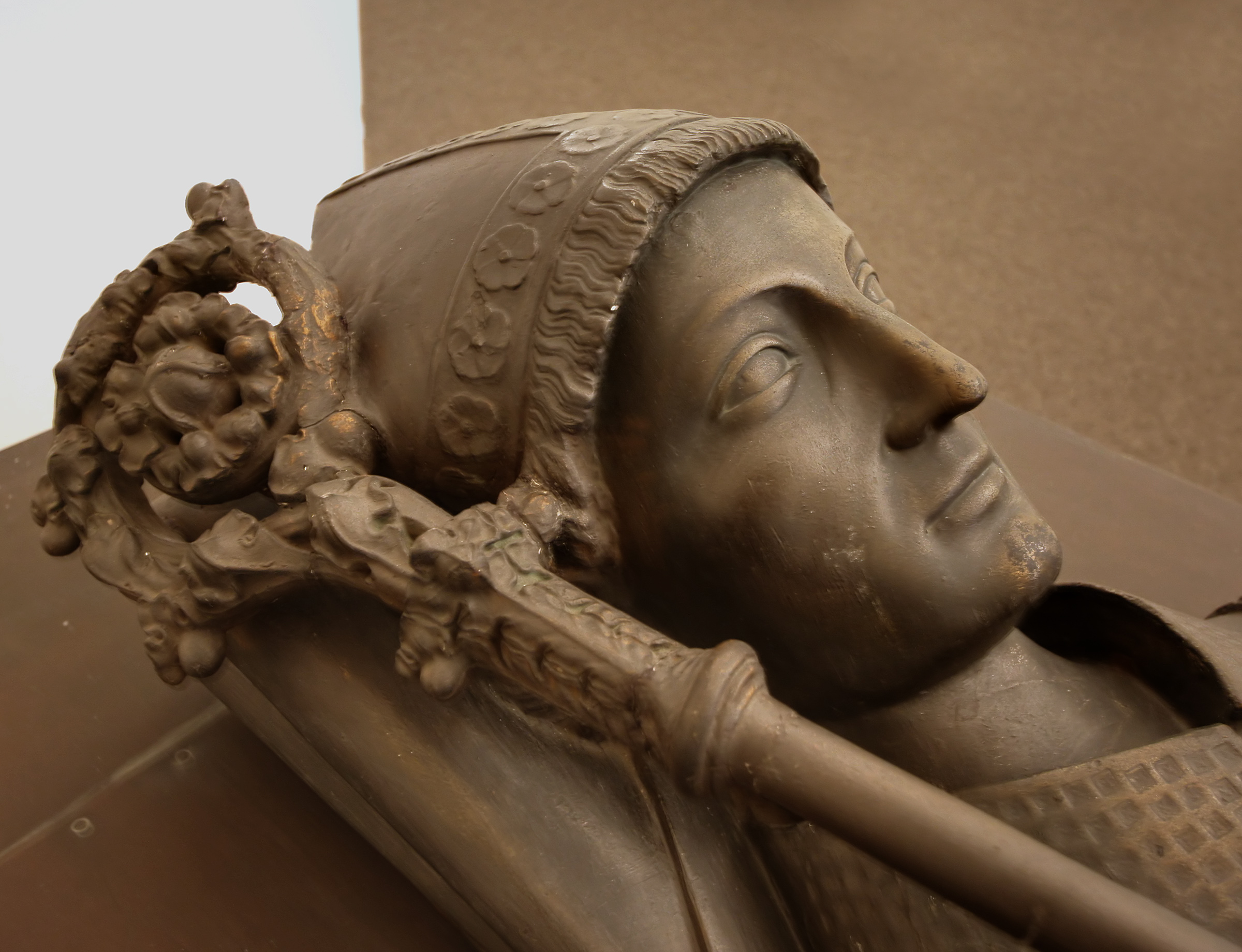
Bronze head of a bishop, mediaeval yet classical in appearance.Therefore, the mysterious golden face which is the key to the past could be a late relative; or a lost friend; or else a historical figure. I was thinking of this portrait at the back of Cologne Cathedral.

Photograph: „Grabmal Konrad von Hochstaden Gipsabdruck“ von Elke Wetzig (Elya)