Die Störche entflohen dem Norden

Die Störche entflohen dem Norden

Die Störche entflohen dem Norden,
Und nie mehr ziehn sie zurück:
Mir ist mein Kindlein gestorben,
Und nie mehr find ich mein Glück.

Mein einziges Kind ist gestorben,
Und niemand hat es bemerkt –
Denn niemals sah es den Morgen,
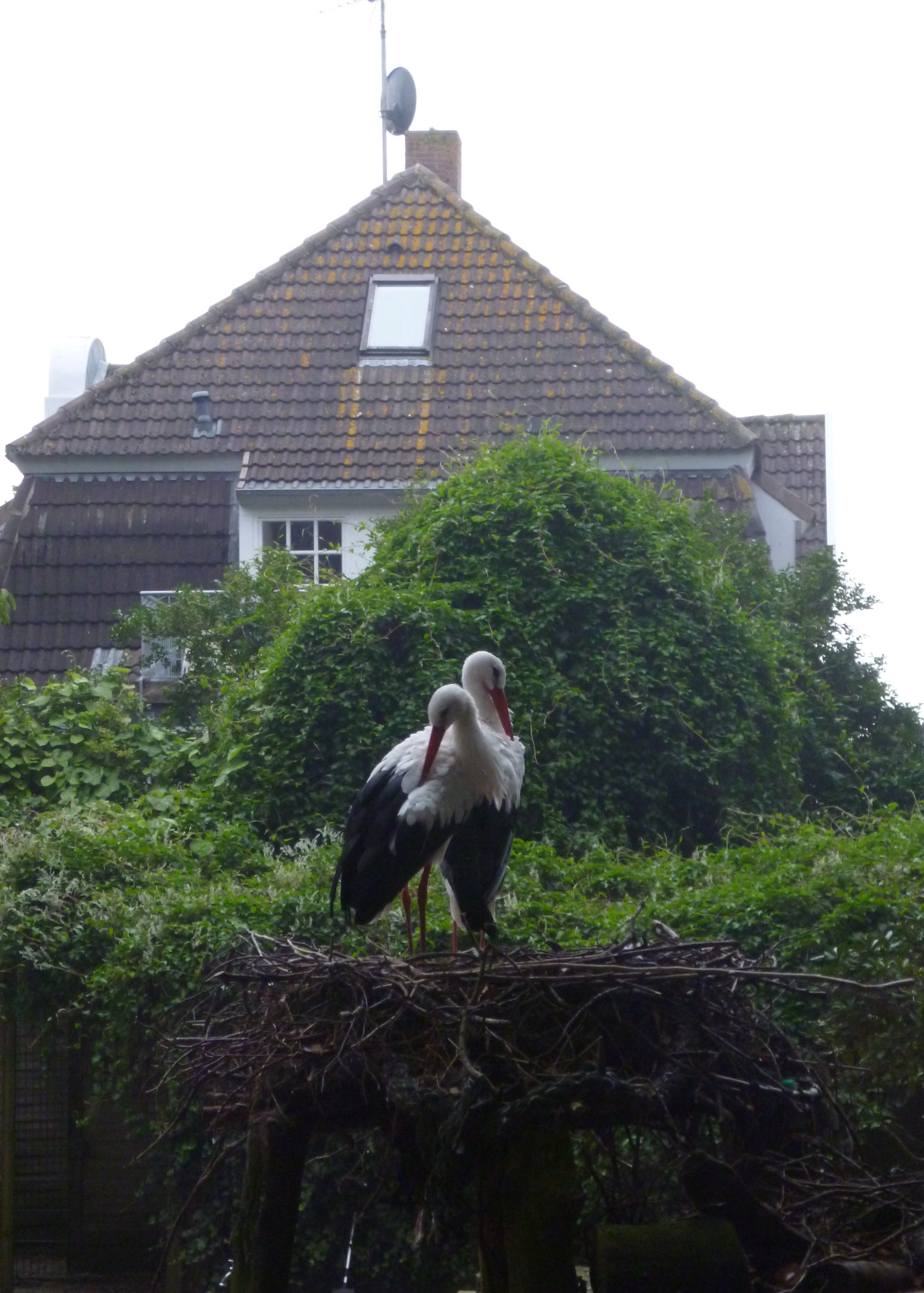
Und niemand hat mich gestärkt.Two storks in a nest, standing very close together, surmounted by a triangular tree and a steep roof, in the dusk.
Mein Lächeln muß ich mir borgen,
Wenn Frühjahr die Täler doch färbt:
Mir ist es, als wär ich gestorben,
Und niemand hätt’ mich beerbt.

Mir ist es, als wär’ ich im Norden,
Auf Nebelinseln, daheim:
Der Sommer hatt’ mich umworben
Und ließ mich dann achtlos allein.

Die Störche sind immer geborgen
In Kreisen von Sonne und Wind…
Doch ich erwache in Sorgen:
Mir lachte im Traume das Kind.

Christina Egan © 2013
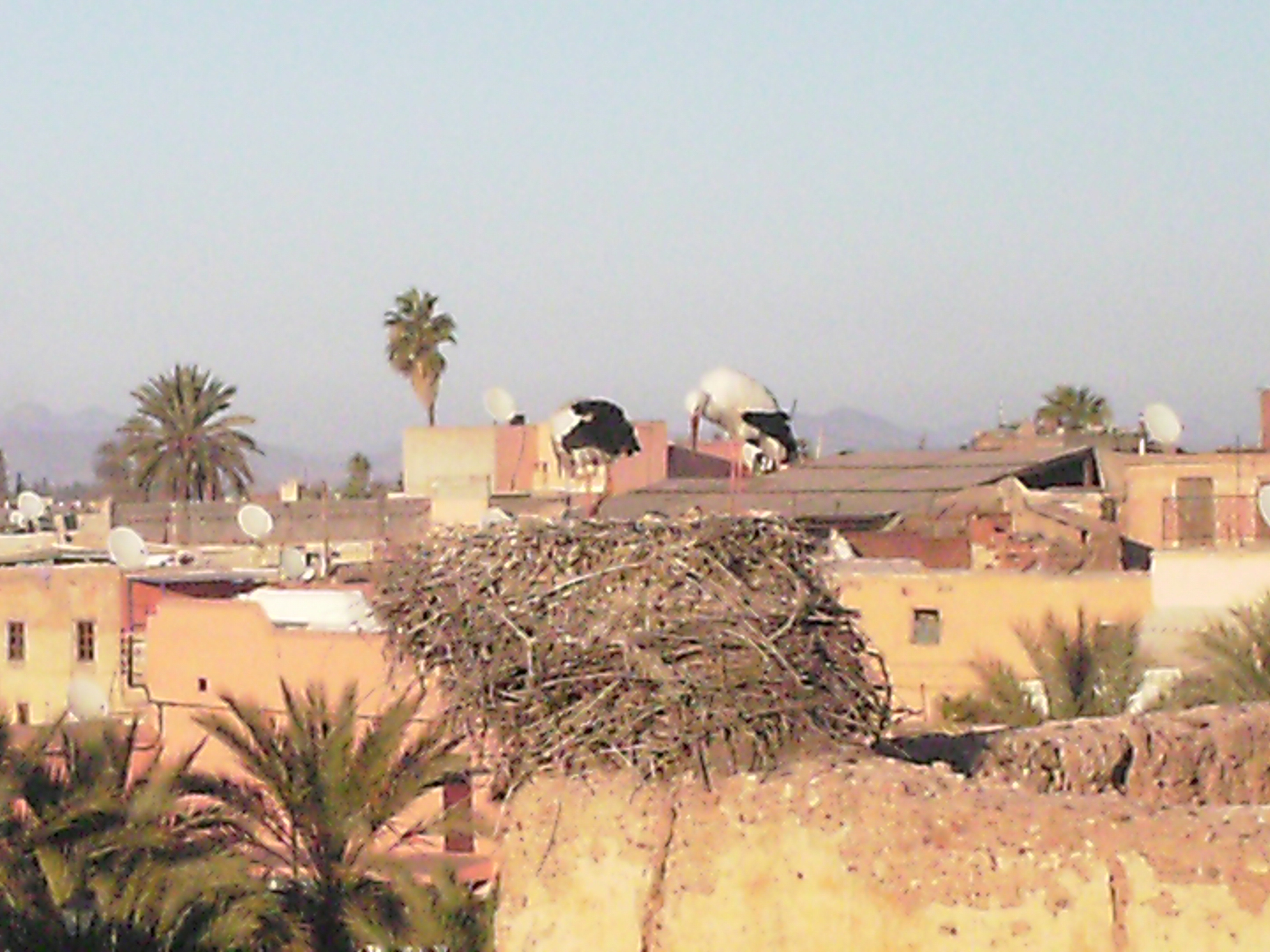
Nest with two storks in North African city with crumbling walls and palm trees.

This is the story of a woman who lost her only child before birth or at birth, or who never had one at all and will never have one.

This poem sounds like a folksong and could be set to music.It may also work well in a translation software.


Photographs: Wyk on Föhr, Germany / Marrakesh, Morocco. Christina Egan © 2014/2012.
The Lavender’s Splendours / dachterrasse

The Lavender’s Splendours

On brittle grey walls,
find brittle grey sheaves
on wire-thin stalks
with tired long leaves…

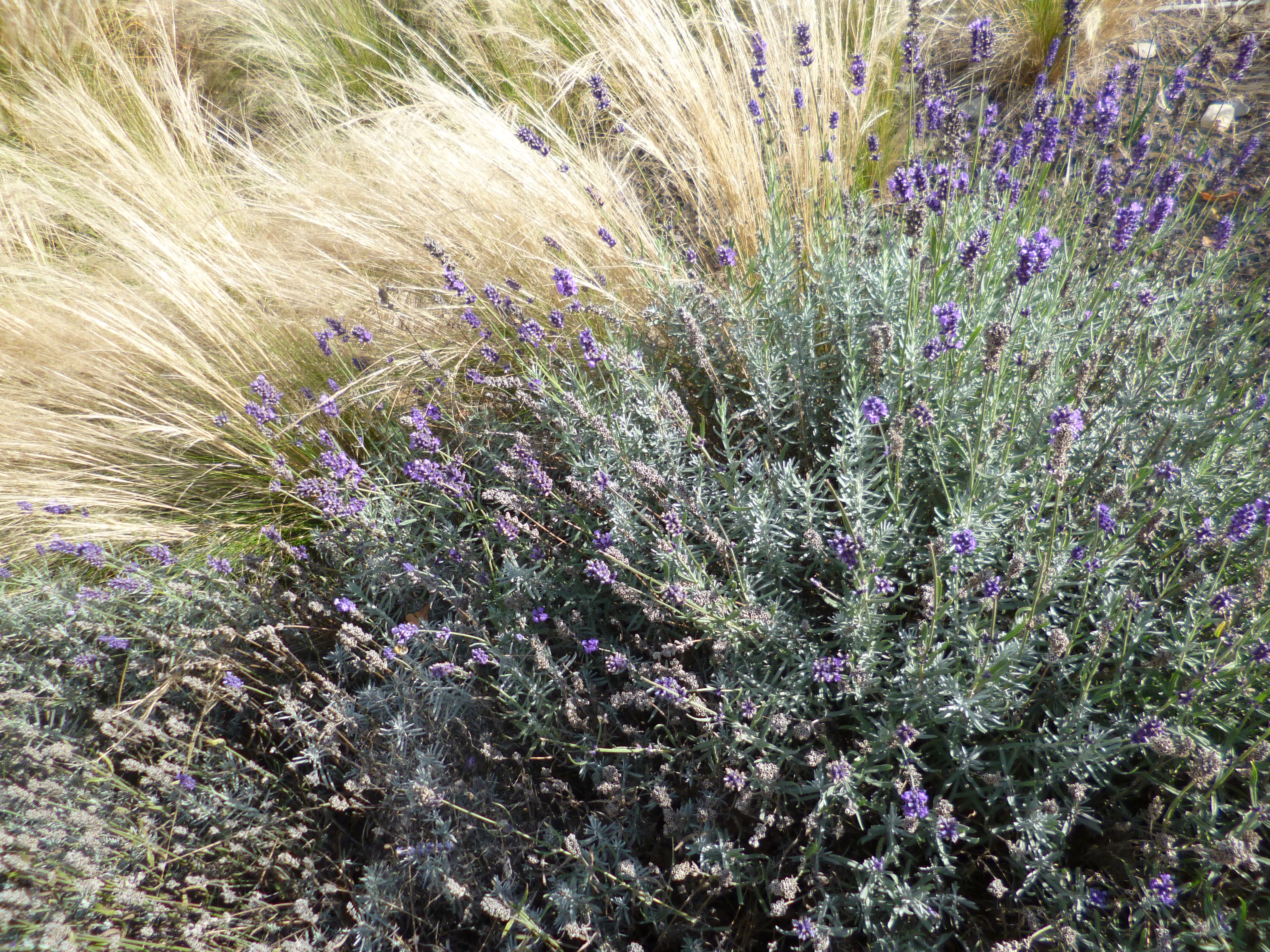
Lavender with fresh and wilted blossom, next to pale-golden grass.

The lavender’s splendours
of indigo spikes
are ashes and embers:
dull grey with mauve lights.

Yet grasp its pale grains
and grind them to flakes –
and dazzling white flames
will rise when it wakes!

Christina Egan © 2016


dachterrasse

dachterrasse
traumgehege

der straßenkreuzung den hinterhöfen
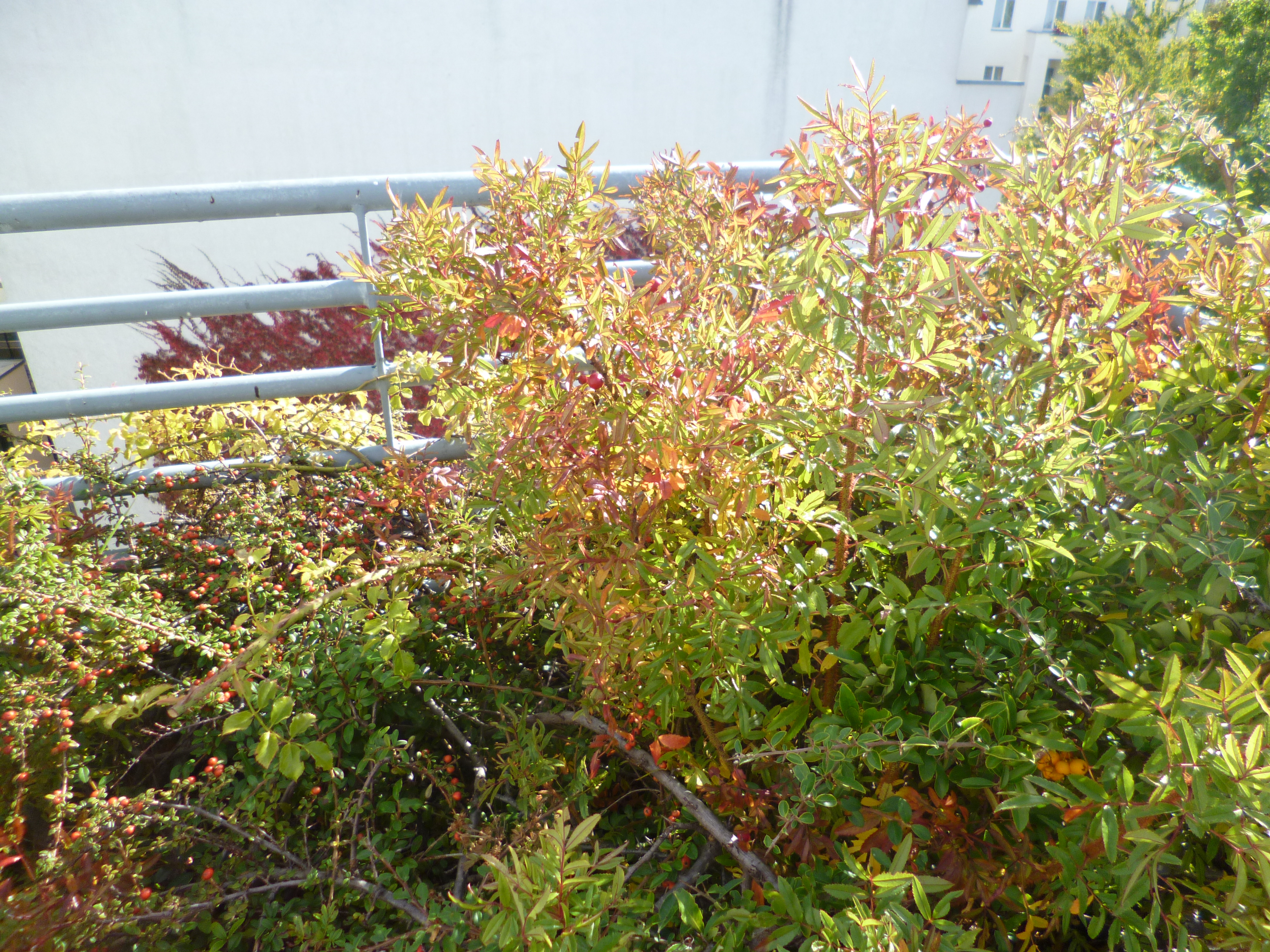
den baustellen enthobenShrub with bright-red berries on a roof-terrace, with deep-red ivy below.

lavendel und rosen
wuchern und welken

der feuerdorn verheißt
lautlose feuerwerke

Christina Egan © 2016

Photographs: Christina Egan © 2016

das dritte bild

das dritte bild

dein foto ist der neugier aller welt
auf einem internetplatz ausgestellt:
man sieht den hut, viel haar und auch gesicht,
die augenlider, doch die augen nicht.

verschlossen steht und abseits tief in mir
ein anderes, ganz altes bild von dir:
ein überscharfes leuchtendes profil,
als ob’s aus einem traum zersplitternd fiel.

noch in der zukunft liegt das dritte bild,
das meinen wilden durst nach leben stillt:
ich sehe, wie du leuchtest, weil du lebst,
wenn du dich wendest und die augen hebst.

Christina Egan © 2011


The narrator adores a man or woman of whom he or she has gathered only a few impressions: mainly a distant memory and an online photo. These two are the past and the present; the future consists only of imagined images.

Obsidian Mirror / Orangenzweig

Obsidian Mirror Mirror made of a deep-black polished stone, on a wooden base.

The moonless night, the iron gate,
between the trees the winding path,
the nameless pond: a polished plate,
obscure and truthful looking-glass –

The moonless night, the nameless pond,
the outline of a cruel fate:
the leaves are shed, the blossom gone –
It is too late – It is too late.

Christina Egan © 2015


Orangenzweig

O Traum von Liebe, Traum von Licht
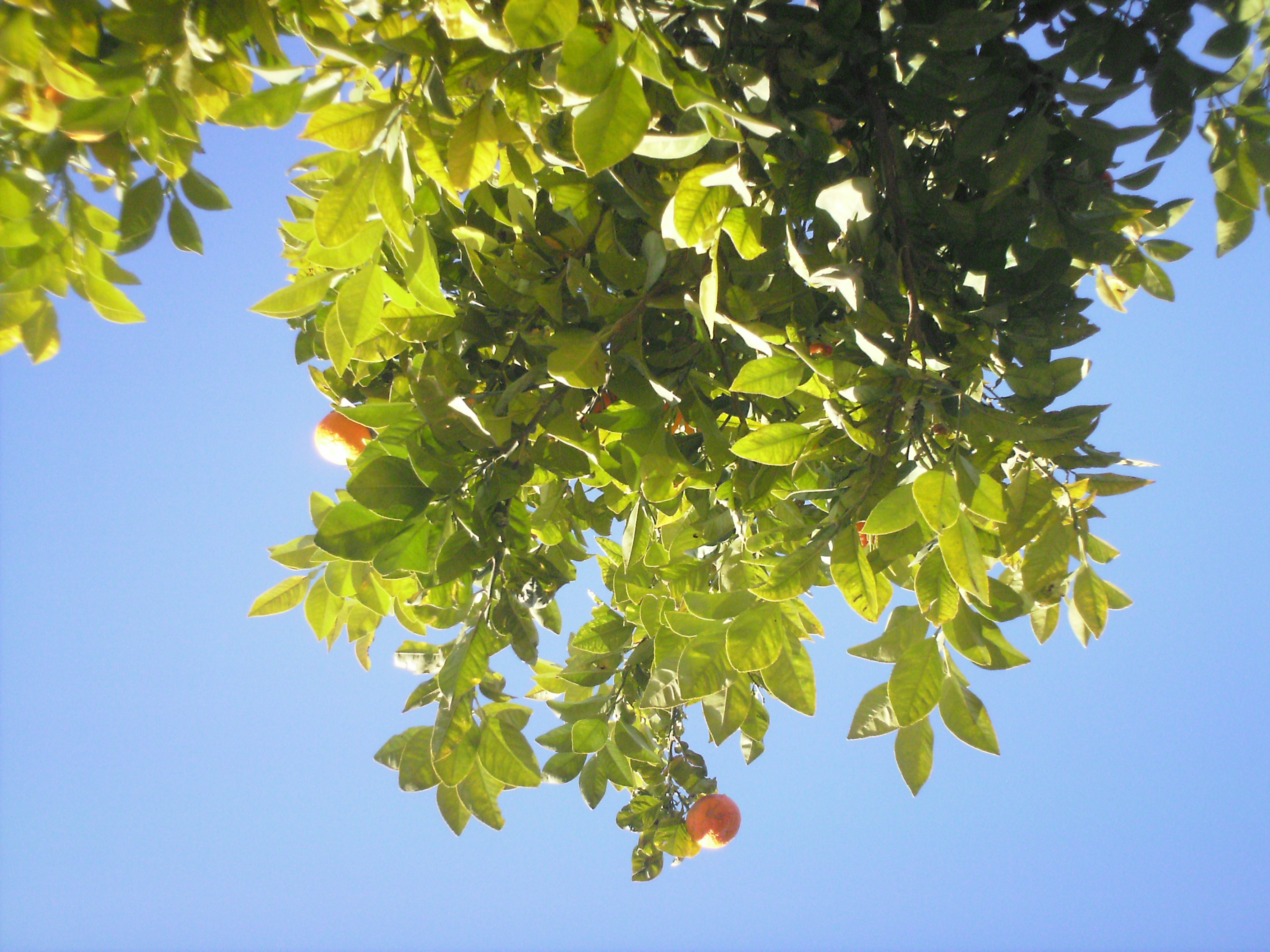
Oranges hanging from branches against blue skyauf einem duftenden Gesicht,
vom kleinen Rosengartenglück
aus einem mächtigen Geschick,
vom Dasein als Orangenzweig,
an Blüte reich und Frucht zugleich,
vom ganz bescheidnen Paradies,
das dir und mir ein Gott verhieß…
O Traum, der niemals untergeht –
Es ist zu spät. Es ist zu spät.

Christina Egan © 2016


The two poems contain an echo, and echo each other, in the phrase ‘It is too late’ — ‘Es ist zu spät’, which emphasises the futility of wishes and plans when fate is irrevocably against them.

Obsidian is a very dark and very hard stone. Some ancient civilisations used polished slabs as mirrors. Apparently, they were also employed for fortune-telling!

Photograph: Aztec mirror, Museum of the Americas, Madrid. – Simon Burchell via Wikimedia Commons. – Orange branch: Christina Egan © 2012.

Ich steh’ im Felde wie der Lindenbaum

Ich steh’ im Felde wie der Lindenbaum

Ich steh’ im Felde wie der Lindenbaum,
im Frühlingswind verloren und im Traum…

Ich schaue auf die blauen Höhn,
die kühn wie Vorzeitbauten stehn.
Ich lausche auf den Vogelsang,
in meinen Adern steigt ein Drang!
Ich schaue auf den Horizont,
von dem mir meine Hoffnung kommt.

Ich steh’ im Felde wie der Lindenbaum,
in Frühlingsnacht verloren und im Traum…

Ich schaue auf die Stadt im Tal
mit Erdensternen ohne Zahl.
In meinen Adern steigt der Saft,
ich streck’ mich mit versteckter Kraft!
Bevor noch süß die Linde blüht,
blüht früh und süß der Linde Lied.

Christina Egan © 2012

The mountain range on the horizon is the Rhön and the city in the valley is Fulda, Germany. There are more lines to this poem to make a song of it: part wistful and part hopeful, part heavy-hearted and part light-hearted!

The phrase ‘Town in the valley’ is echoed in the poem of the same name, Stadt im Tal.

Proteus / Daedalus

Proteus

Your beauty is the beauty of the clouds:
as grand and graceful, as remote,
from silver changing into gold,
and changing shape, and changing whereabouts.

Your beauty is the one of Proteus:
I’m bound to watch it swirl and stay,
afraid your heart will likewise sway,
innocuous and gay and treacherous.

Your beauty is the one of Morpheus:
I’m bound to drink it in a dream,
afraid of stumbling on that stream,
with ghostly flowers studded, murderous.

Your beauty is the beauty of the clouds.
your ever-present smile the gleam
behind their soft and tousled seam…
Your soul is what your face reveals and shrouds.

Christina Egan © 2012

Daedalus

I watch the condor pass:
lofty and lonely,
steady and strong,
improbable like Daedalus…

I watch the condor pass
and want to follow him
across the barren peaks –
I want to touch the clouds…

Christina Egan © 2012

vermächtnis

vermächtnis

und wieder dünen. wieder hohes gras.
und meer und himmel hier mit urgewalt.
und wieder du in deiner wohlgestalt.
und mein verlangen sanft und ohne maß.

ich tauch in deine lichten augen ein…
das meer entweicht. es war nur wellenschaum.
der tag verbleicht. du warst ein sommertraum.
ich bin allein am strand. ich bin allein.

wie mars in seinem kupferfarbnen glanz
entsteigt dem wall des kiefernwalds dein bild.
die brandung klopft. und klopft. der boden quillt.
ich kröne dich mit meiner verse kranz.

Christina Egan © 2015

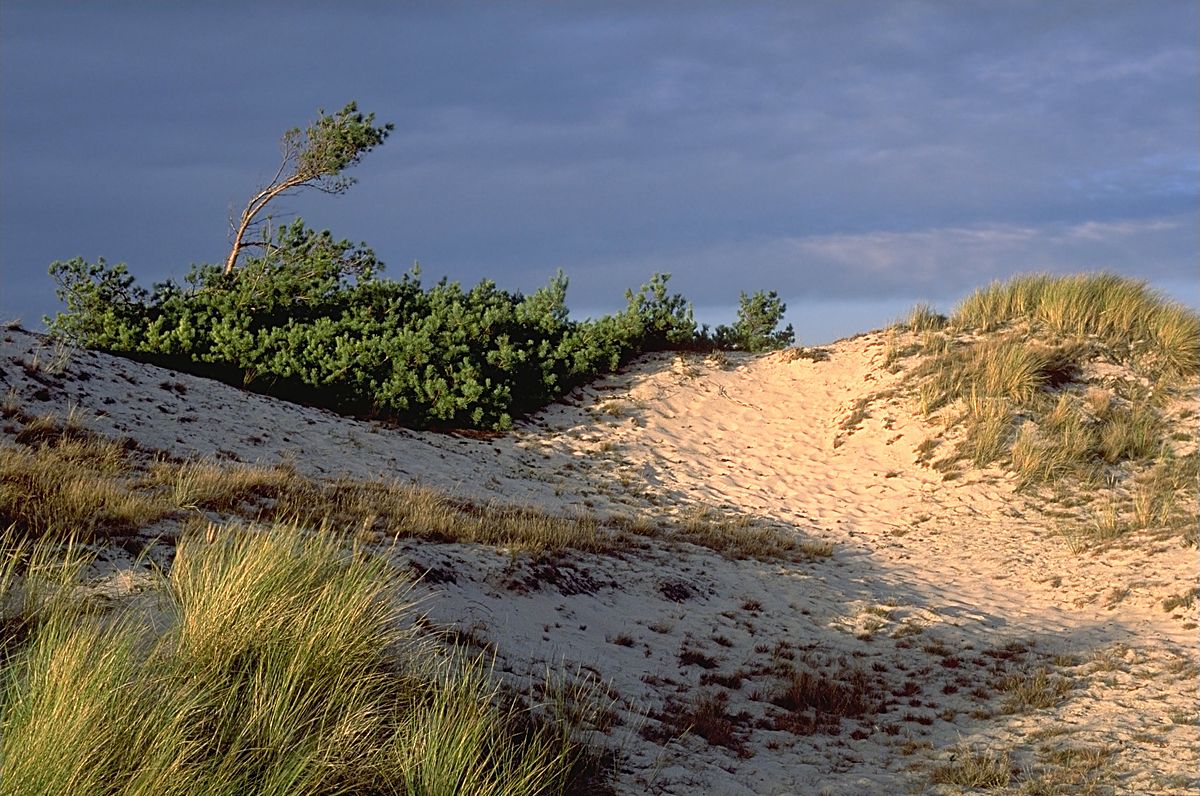
Golden dune, green grass and shrubs, deep-blue sky.


This is my poem of the year 2015! It is, as the title states, my Bequest.

Like many other poems, it was inspired by a holiday on the Darss.


“Dune in Nature reserve Darßer Ort, Baltic Sea”. Photograph: Andreas Tille via Wikimedia Commons.

Le vent de la mer se lève

Le vent de la mer se lève
(Alyscamps, Arles)

Tout doux, le vent de la mer se lève
parmi les colonnes à l’aube de l’an,
dans mon esprit réjouissant
ressuscitant mon ancien rêve,
un rêve de tuiles couleurs du couchant,
un rêve de murs couleurs océan.

Le vent se renforce et lève la sève
des hauts platanes le long de la rue,
ces forts piliers du ciel du Midi…
Mais quel tombeau révèle le rêve,
lieu lumineux et réapparu ?
Ô vent de la mer, Ô vent de ma vie !

Christina Egan © 2015

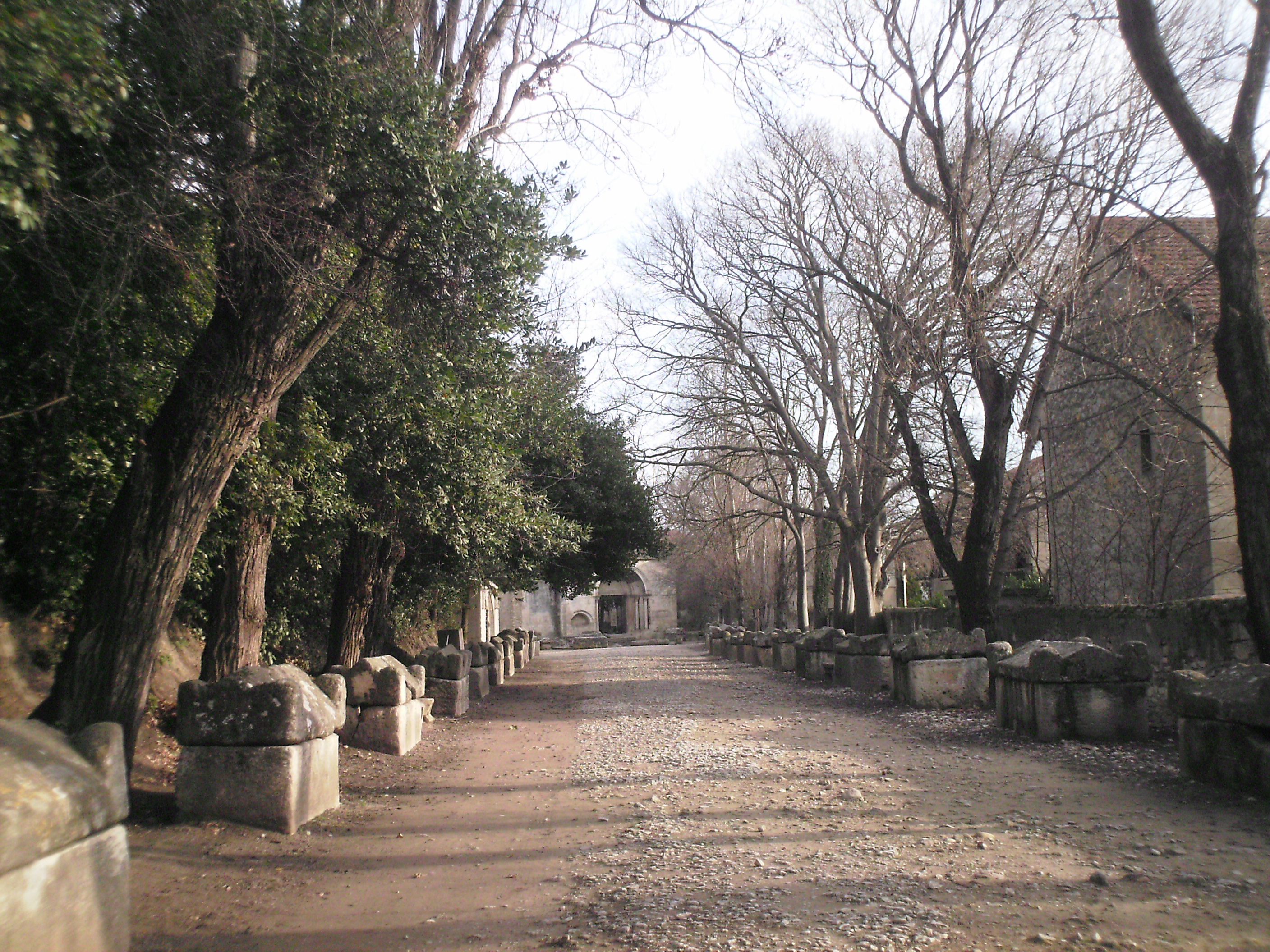
Wide avenue with sarcophagi to the left and right,leading to a mediaeval portal. Winter scene in fair weather, light-brown and light-blue.

Alyscamps, Arles. Photograph:  Christina Egan © 2010


The Wind from the Sea is rising
(Alyscamps, Arles)

The Wind from the Sea is rising, all mild,
between the columns and graves at the dawn
of the year, stirring up in my jubilant mind
my resplendent dream of antiquity,
a dream of tiles resembling the sun,
a dream of walls resembling the sea.

The wind is now swelling and ready to rouse
the sap in the plane-trees along the wide road,
those pillars supporting the sky of the South…
Which tomb may hold my mystery of old,
the luminous place that has just reappeared?
O Wind from the Sea, O wind of my soul!

Christina Egan © 2016

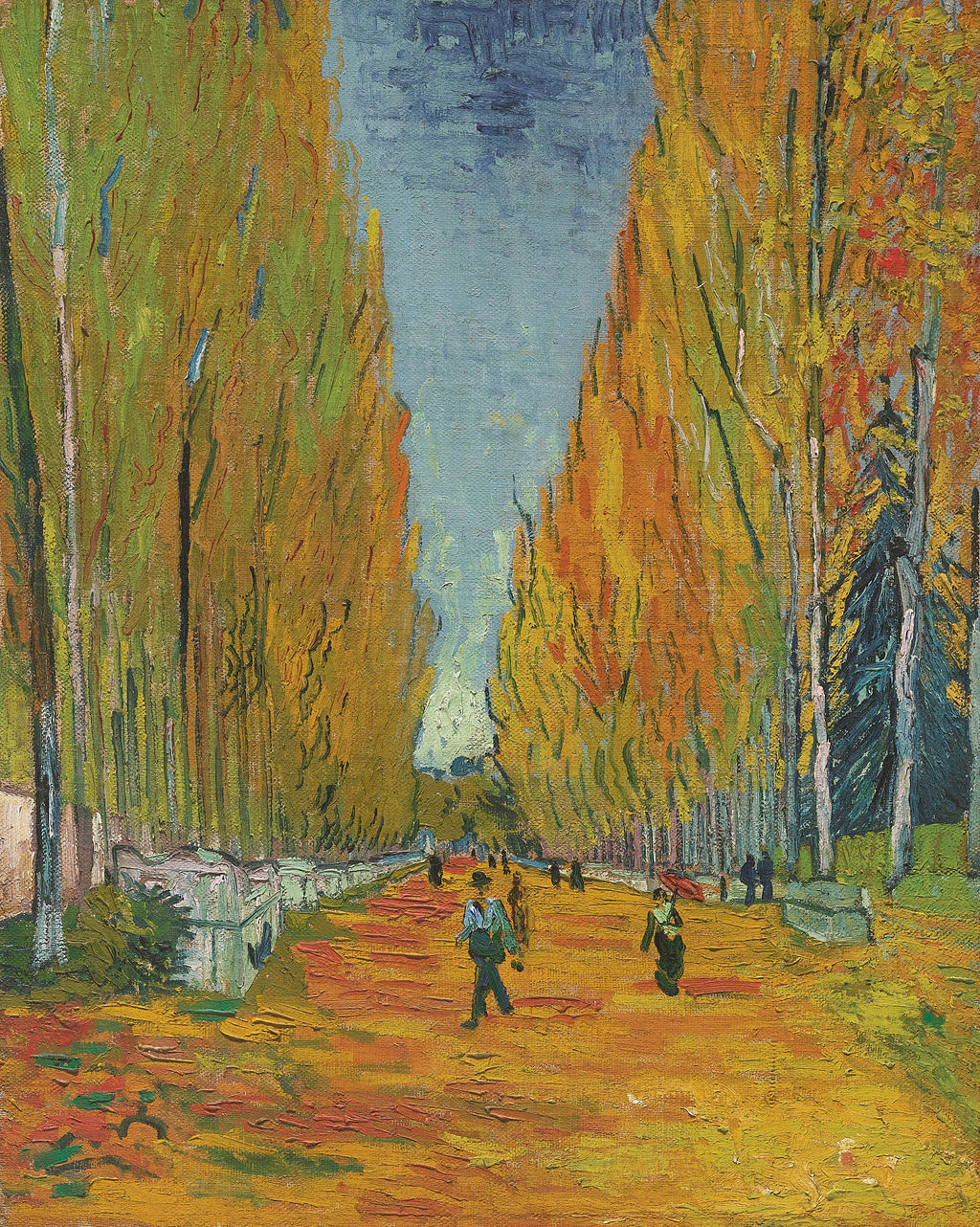
Painting by van Gogh: Avenue with very high trees, with path and foliage in bright orange, sarcophagi and sky in blue.

The Roman cemetery known as the Alyscamps has been immortalised by Paul Gauguin and Vincent van Gogh.

Vincent van Gogh: L’Allée des Alyscamps (1888). Photograph: Public domain, via Wikimedia Commons.

You can read an English and German poem about a Roman road in France at Where Road and River Meet / Überm Fluß . 

Screen

Screen

Last night, at last, beside
your arms, you opened wide
your lips – and in the stream
of quivering delight
below the lifted screen
I touched your silver soul –
One moment, I felt whole –
But then you sank away,
it was already day:
you had been but a dream.

Christina Egan © 2015

November (Im dunkelblauen Nebel)

November

Im dunkelblauen Nebel liegen
gelöst mein Haus und Park.
Mein Herz hat einen Traum erstiegen
und hebt sich still und stark.

Der Herbst hat Gold um Gold gewonnen
mit schmerzloser Gewalt.
Das Mondlicht ist für mich geronnen
zu lieblicher Gestalt.

Christina Egan © 2010

This must be one of the happiest late-autumn poems ever:
exuding peace, evoking beauty, steeped in blue and gold!