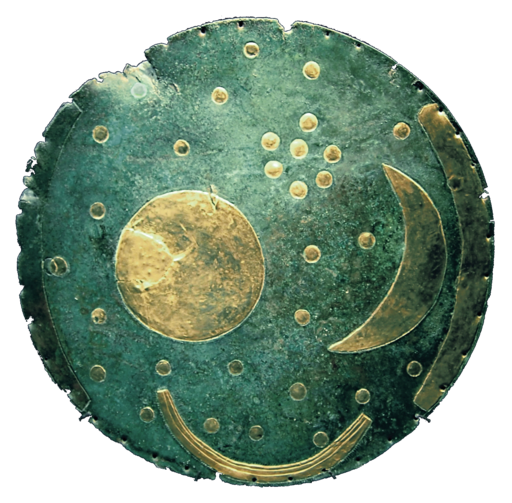
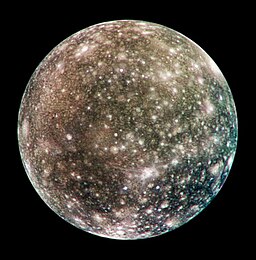
There is an empty space on greyish paper: to fill with fire from a rocky scar and with fresh ashes on a ghostly glacier, to fix a brilliant moon and matching star.
Die graue Leere des Papiers erfüllt das Feuer, das aus Felsennarbe quilt, der Aschenfall auf geisterhaftem Firn, der Mond mit funkelndem Begleitgestirn.
The woman or man surrounded by frost,fog, and snow dreams of a future where she or he will kiss white roses and be caressed by oleander… The encounter with the plants is envisaged like an assignation behind a tree, anolive-treeas a symbol of the Mediterranean region.
Innen leuchtet rot die Liebe, dann orangerot die Kraft, sonnengelb die Heiterkeit, Hoffnung schimmert erdengrün, meeresblau verströmt sich Friede, Weisheit wölbt sich indigo, Glaube krönt sie violett: Regenbogen will uns blühn, will uns eine Zukunft weisen und die Ewigkeit verheißen! Schon verhangen, schon vergangen, doch die Seele bebt noch froh…
For verse from a colourless winter world, see the recent post, A Speck in the Dark, where a few flashes of colour and light provide the magic of beauty and hope.
The first poem of the year takes place in Roman streets again, in the midst of Cologne, in Sankt Andreas, the mighty mediaeval church right opposite the Cathedral. When you descend into the crypt, you are pretty close to antiquity. All around, Roman walls are displayed, or simply still standing.
For an English poem about Cologne with a similar content and in a similar style, see My City Calls (Grey Roofs Grey Walls). There, it is the city itself which provides comfort and hope, as religious faith does here. I noticed the striking parallel only yesterday on relaunching my poetry blog!
A new poetic form: three lines in each stanza, with irregular lenght and irregular rhymes — but each stanza having ten stressed syllables, with one unstressed syllable in between, making the flow of the language regular, natural and musical at the same time!
The poem was written on February 14th. The Rhön mountains have a harsh climate with long winters characterised by cold and snow and fog. All the more is spring welcome, even the early signs of it…
Wie Kalksteinhügel liegen deine Wangen und deine Haare wie ein Pinienwald. Schon zittert meine Seele vor Verlangen nach deiner bloß erratenen Gestalt.
Ein dunkler Doppelsee sind deine Augen, noch beinah unberührt und unergründlich. Ob sie auch meine Zukunft in sich bergen, ist beinah ungedacht und unerfindlich.
Und wie das warme Meer rollt deine Stimme, wenn sich orangerot der Tagstern neigt… O schautest du nur auf und hieltest inne – und würdest niemals bloß Vergangenheit!
Description of a new acquaintance in terms of a Mediterranean landscape.
The title plays on the double meaning of the German word “presence” / “present”: the speaker is mesmerised by the other person and already has a faint hope that he or she will become the future… and never slide back into the past.
Real candles, even made of beeswax, are still common on Christmas trees in Germany, and lametta is used more sparingly and usually silver, reminiscent of snow.
Eben
habe ich das Leben entdeckt.
Es lag versteckt
unter einem unscheinbaren Stein
am Straßenrand.
Ich kniete nieder,
hob ihn hoch,
und etwas leuchtete,
alles leuchtete auf –
als hätte die Sonne hinübergeschaut
in ihrem enthobenen Lauf,
als wäre der Himmel erblaut
und ich stürmte den Hügel hinauf –
doch stand ich noch
unverwandt
mit dem Stein in der Hand…
Eben
habe ich das Leben entdeckt.
Es war verdeckt
vom Geschnatter und Geknatter
von vielzuvielen Bildschirmspielen,
von Telefonen und Megaphonen
und Megamaschinenmusik.
Nur einen Augenblick
lag der Stein in meiner Hand,
graublau
und genau
und still.
So hält Gott die ganze Welt
in seiner Hand,
ins stille goldne uferlose Licht,
und sie weiß es nicht.