Grün und gülden / Green and Golden

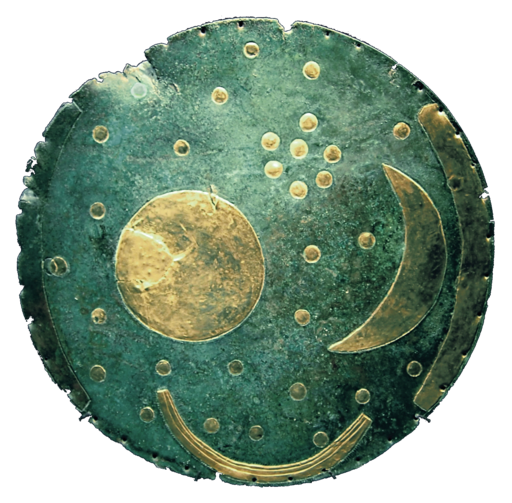
Ancient metal disk, deep green, showing golden celestial bodies.

Grün und gülden

Auf der weiten Erdenscheibe
kauert meine kleine Bleibe
still in pfauenblauer Nacht;
und aus ungeheurer Ferne
steigen unzählbare Sterne
wie von Zauberhand entfacht.


Auf den unsichtbaren Gleisen
durch den Weltraum aber kreisen
zwei Gestirne um mein Dach:
Glück muß mir das güldne schreiben,
doch das grüne bringt mir Leiden,–
zwei verflochten tausendfach.


Christina Egan ©2017

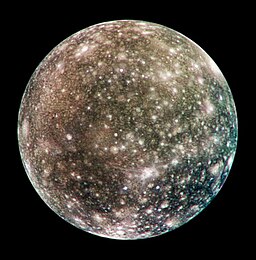
Moon with many craters, brownish and brightly lit.

A Speck in the Dark

A Speck in the Dark

Grey buildings, grey branches,
black streets in the rain…
Dark coats and pale faces,
white sky yet again.

Drained off is the rainbow:
there’s shade and there’s rust.
Smudged world in the window,
and noon feels like dusk.

There: sunrise is flashing,
an orange-red spark,
with sky-blue unfolding –
a speck in the dark!

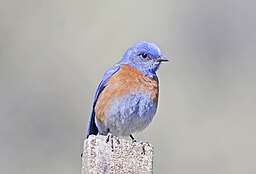
Western bluebird, Washington State. Photograph: Vickie J Anderson. CC BY-SA 4.0 via Wikimedia Commons.

The bluebird’s alighting
on quivering twigs;
the buds were awaiting
a signal like this!

The bluebird is glowing,
alive and alert,
and colours are brewing
in heaven and earth.

Christina Egan ©2018

Eben habe ich das Leben entdeckt

Eben habe ich das Leben entdeckt

Eben
habe ich das Leben entdeckt.
Es lag versteckt
unter einem unscheinbaren Stein
am Straßenrand.
Ich kniete nieder,
hob ihn hoch,
und etwas leuchtete,
alles leuchtete auf –
als hätte die Sonne hinübergeschaut
in ihrem enthobenen Lauf,
als wäre der Himmel erblaut
und ich stürmte den Hügel hinauf –
doch stand ich noch
unverwandt
mit dem Stein in der Hand…

Eben
habe ich das Leben entdeckt.
Es war verdeckt
vom Geschnatter und Geknatter
von vielzuvielen Bildschirmspielen,
von Telefonen und Megaphonen
und Megamaschinenmusik.
Nur einen Augenblick
lag der Stein in meiner Hand,
graublau
und genau
und still.
So hält Gott die ganze Welt
in seiner Hand,
ins stille goldne uferlose Licht,
und sie weiß es nicht.

Christina Egan © 2016

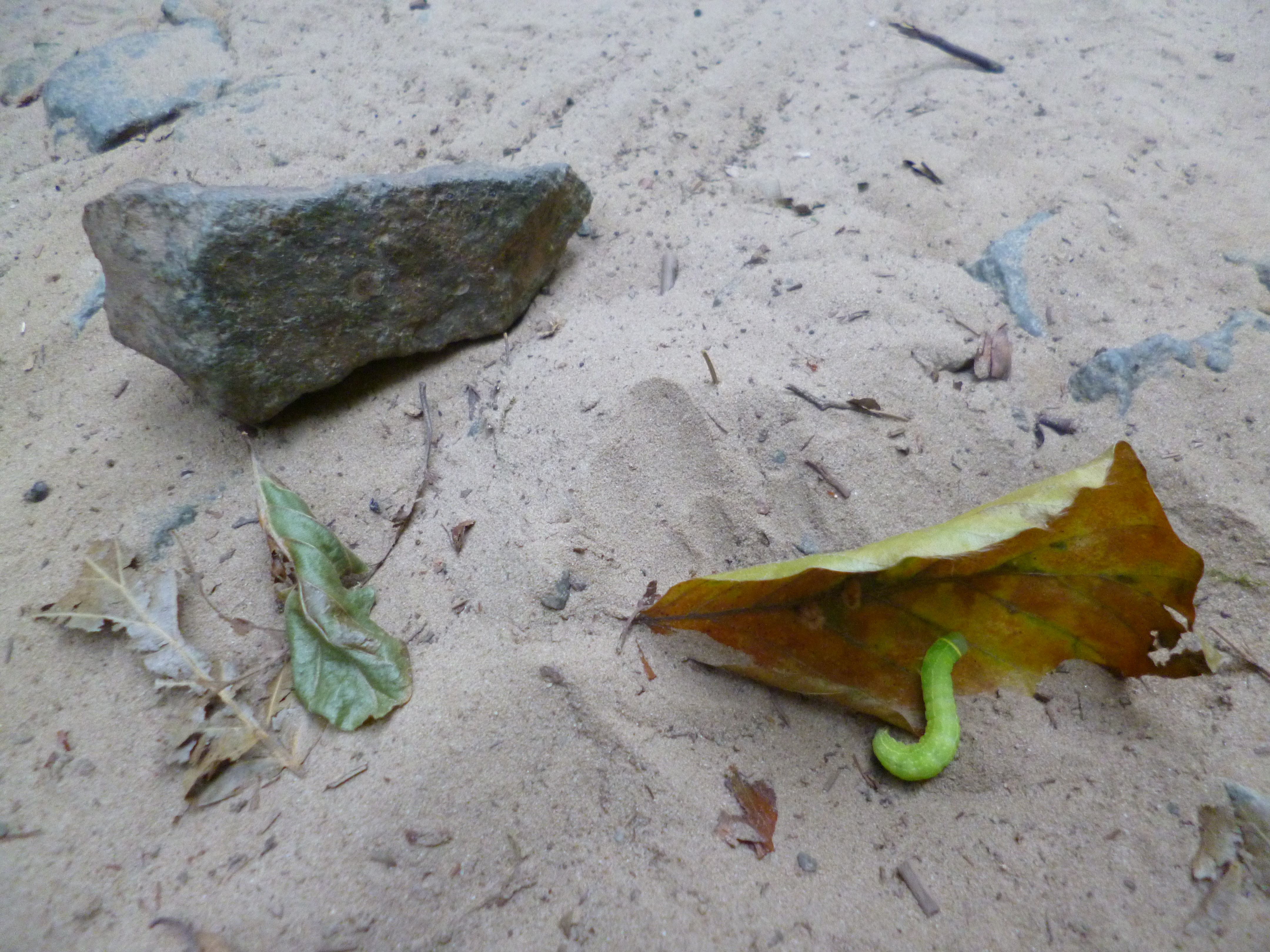
Caterpillar, very bright green, with crumpled leaf and edgy stone on sand.

Photograph:  Christina Egan © 2016.

Schlüsselwörter

Schlüsselwörter

I.

Himmelstreppenbauten

Die Kunst ist groß mit ihren Himmelstreppenbauten
und größer die Musik mit unerhörten Lauten;
gewebt aus weißen Daunen schwebt das Wort vorbei
und bleibt, als ob’s ein Bild aus schwerer Bronze sei.
Das Leben aber ist allein der Born des Lebens,
und ohne Liebe sinnt und schafft der Mensch vergebens.

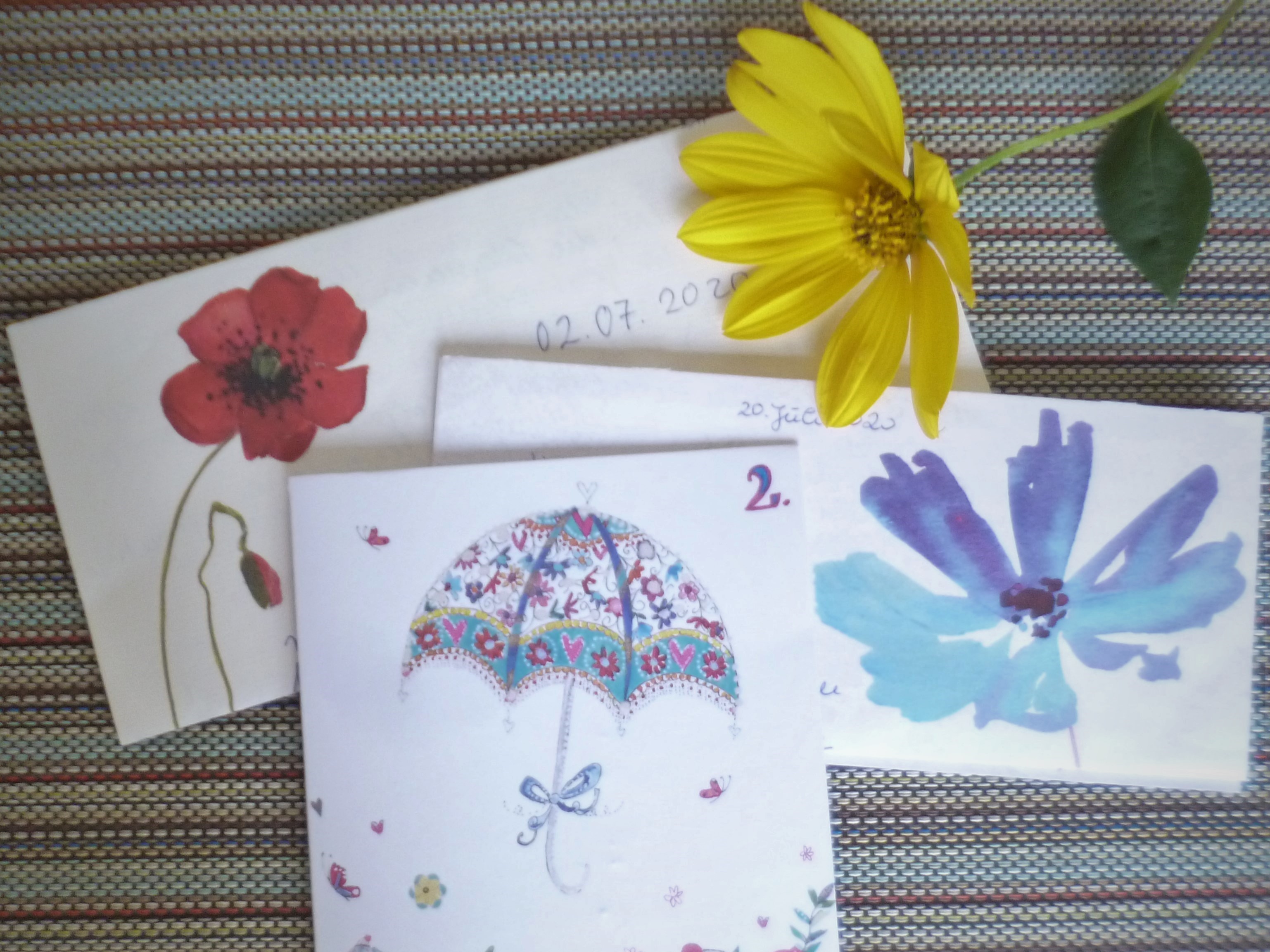
Three letters on colourful paper, with a real flower matching the ones pictured.

II.

Schmaler Strahlenpfad

Aufflackert hier und dort ein schmaler Strahlenpfad
Gebet ist auch Geschehen; auch ein Gruß ist Tat.
O wenn die Erdenaugen es nur schauen könnten
wie sich Geschwister fraglos zueinanderwenden!
Der Engel Botenflug ist schattenlos und schnell,
doch auch der Menschen Bruderherz ein Gnadenquell.

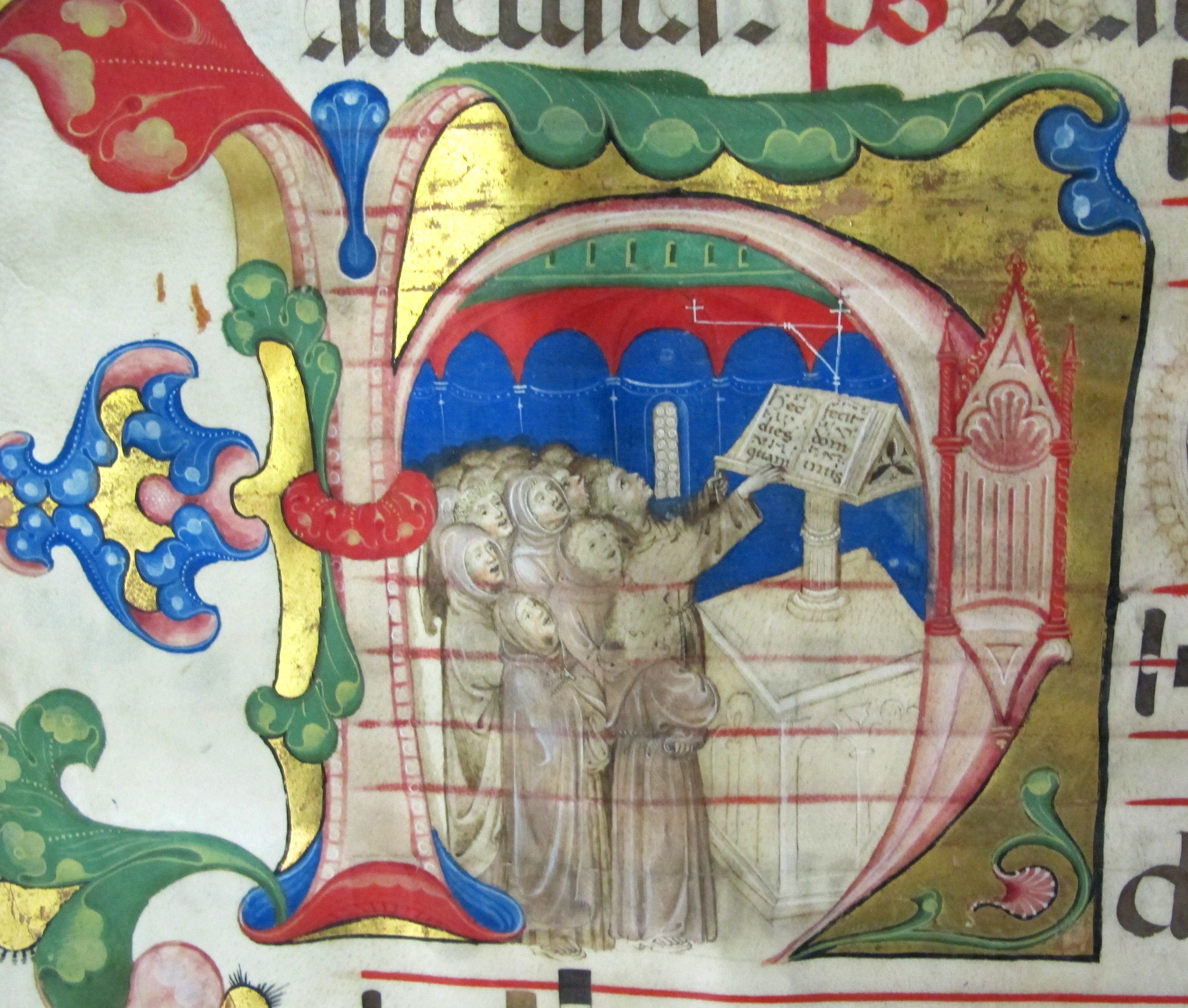
Initial of mediaeval manuscript, filled with monks and nuns singing from such a missal on a lectern above them; in gold and bright red, blue and green

III.

Sommerabendblau

Ein sommerabendblaues Wort ist uns geschenkt,
ein sommermorgengoldnes gleich darangehängt,
die unsre Wildnis oder Wüste fern umsäumen
und mehr an Kraft enthalten, als wir uns erträumen:
Vertrauen in Bedrängnis ist uns zugeteilt
und Hoffnung auf den Himmel, der die Erde heilt.

Christina Egan © 2019


Three philosophical poems in praise of:
life and love (which can surpass art);
greeting and prayer (which can surpass deeds);
trust and hope (which can surpass strength).

Written for a community of prayer
affiliated to a Benedictine convent 
(Abtei Münsterschwarzach).


Photograph of letters: Christina Egan © 2020.
Photograph of mediaeval manuscript by Sailko
(own work) via Wikimedia Commons (
CC BY-SA 3.0). 

Orange and Turquoise (Crete)

Orange and Turquoise
(Crete)

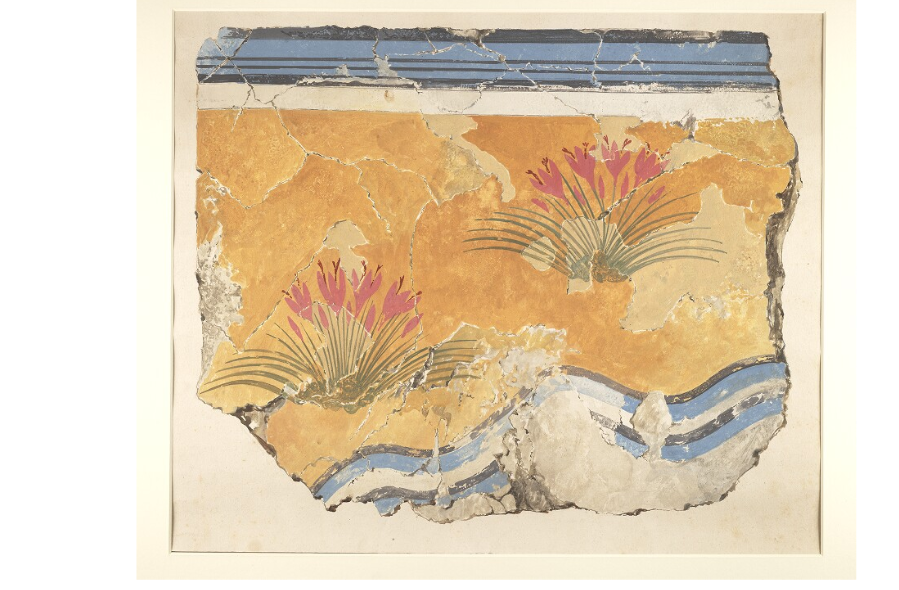
Fresco of red crocuses on orange ground near blue water.orange and amber
the southern soil
like fresh fruit
like lush flesh

turquoise and azure
the sun-steeped sea
like human eyes
like human souls

Christina Egan © 2012


orangerot und türkis
(Kreta)

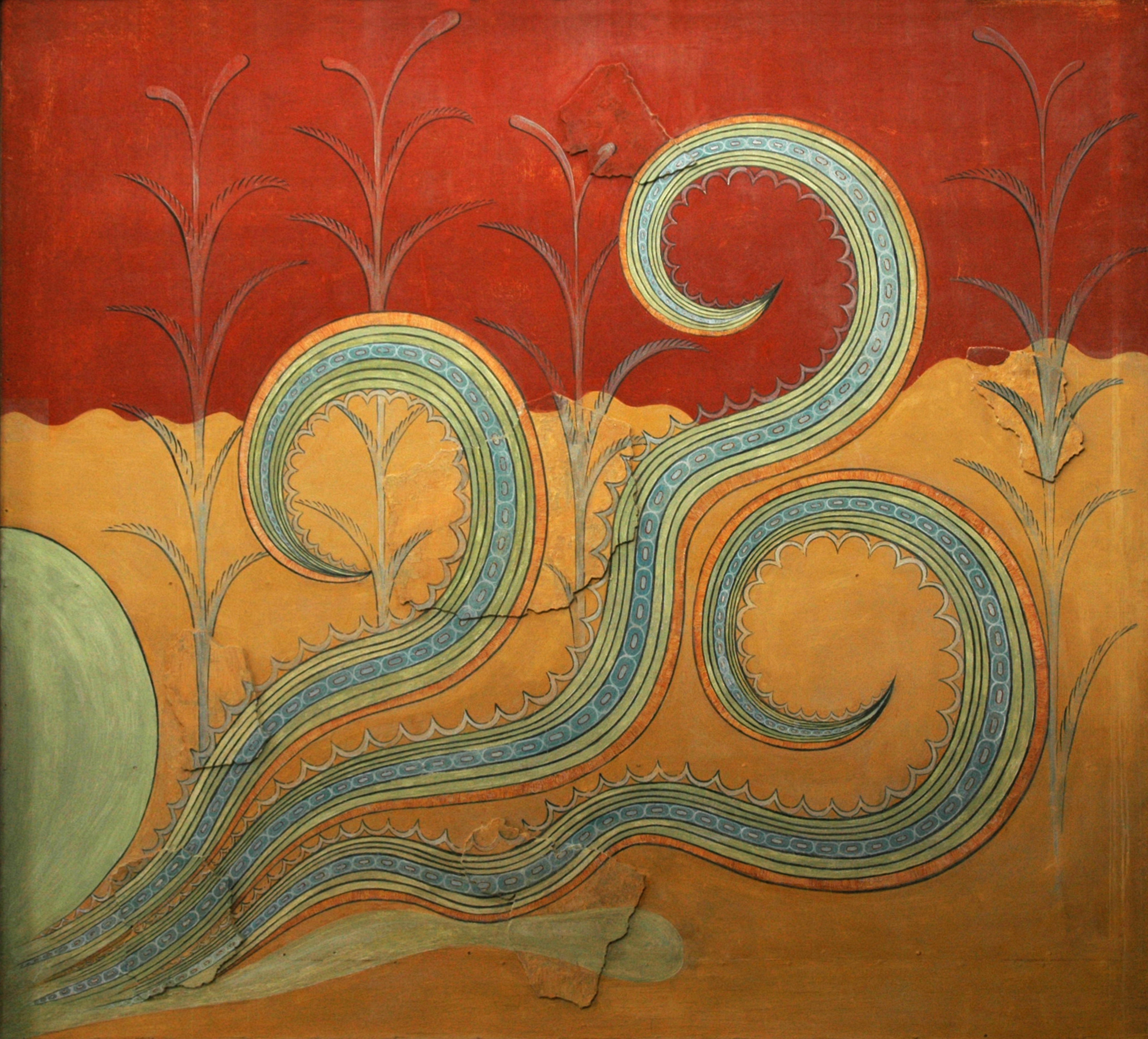
Flourishes on a mural, turquoise on luminous red and yelloorangerot
und ocker loht
die stille bucht
wie fleisch und frucht

türkis azur
der wellentanz
wie augenglanz
und aurenspur

Christina Egan © 2016


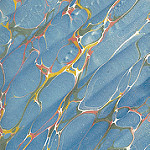
Decorative paper, light-blue with ripples in yellow, red, white, green.A reddish orange and a greenish blue are complementary colours and will therefore be more striking in combination. 

In the Mediterranean, strong light and heat prevail even in late September.

I found this beach at the edge of the five-thousand-year-old town of Chania on Crete.

You can read more about the bright blue and green sea in Kretische Küste and about the reddish soil in The Dittany of Crete.


Murals in the royal palace at Knossos, Crete.
Watercolour of crocuses by Arthur J. Evans: Photograph provided by Digital Bodleian Library under CC BY-NC-SA 3.0.
Photograph of spirals: Harrieta171 via Wikimedia.

Decorative paper. Photograph provided by British Library through Flickr .

Der Himmel reißt auf

Der Himmel reißt auf

Zierliche Zweige, schwarz
gegen den Honighimmel,
Pfirsichhimmel,
Flammenhimmel,
die einzelnen winzigen Blätter
klare Keilschriftzeichen
auf irdenen Tafeln,
leicht in der Hand
und schwer von Geheimnis.

Der Himmel reißt auf,
gezacktes Gewölk steigt,
spreizt sich, schwenkt Geärm,
rosa Riesenkoralle
vor blaßblauer Südsee,
zuckt auf, fällt zusammen,
zieht fort, violett verwelkt,
aschene Spur im Äther.
Welch verschwenderischer Glanz…

Christina Egan © 2017

Tabucchis Blau

Tabucchis Blau

hochsommerhimmel
über Lissabons hügeln

so blau daß es beinahe beißt
so schön daß es beinahe schmerzt

und vor der gleißenden steilen
vielfach verschachtelten stadt

ruft mit demselben trunknen blau
die bucht dir unbeirrbar zu:

du stehst immer am anfang
einer entdeckungsfahrt!

Christina Egan © 2012

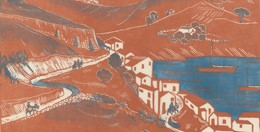
Artistic impression of Mediterranean village on steep coast; landscape in orange, sea in blue, village in white

„con… il sole che splendeva, e con una città che scintillava, letteralmente scintillava sotto la sua finestra, e un azzurro, un azzurro mai visto, sostiene Pereira, di un nitore che quasi feriva gli occhi…”

Antonio Tabucchi, Sostiene Pereira

Antonio Tabucchi (1943-2012) loved Lisbon and lived there. I wrote this poem for him when he died: his last voyage would be the one to another, even more beautiful world. The last line can, however, be interpreted in many other ways.

Illustration: “Elba — Land der Esel” by Ottilie Ehlers-Kollwitz (1955). With kind permission of Galerie Klaus Spermann.

Blue Cloud

Blue Cloud

Framed by the rubber
of the rolling windows,
the shifting squares
of terraced houses,

the sliding panels
of allotment fences
it appears
again:

a bolt of blue,
the sky in a cloud,
an armful of May –
my cyanothus!

And masked and
unfolding again
and past and
afloat in my eyes…

Christina Egan © 2008

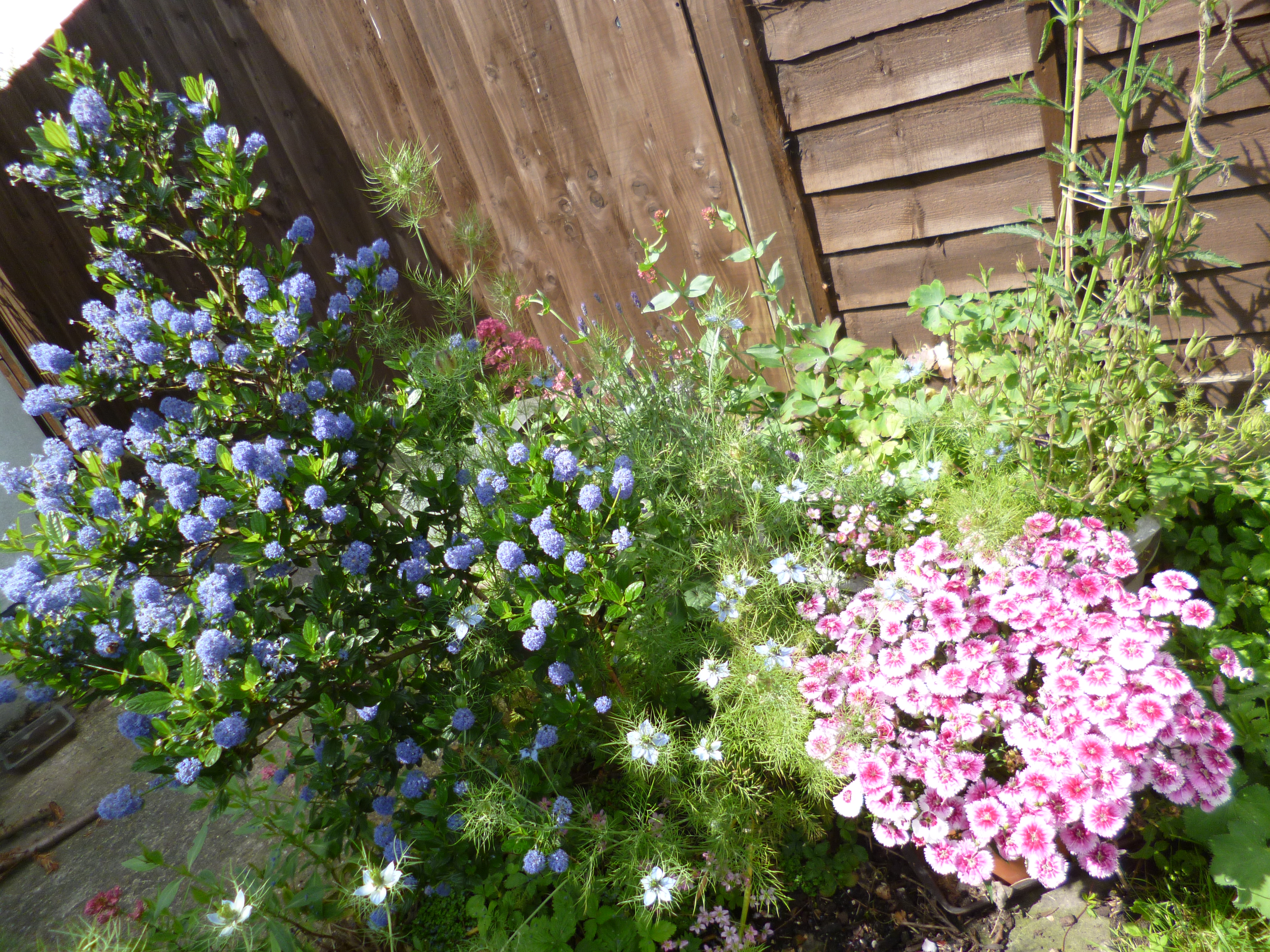
Little tree with bright-blue blossom, next to pink and blue flowers.A tiny light-blue Cyanothus. The one in the poem was a massive tree with almost indigo flowers. I never cease to marvel at the blue blossom. See also Under the Blue Bloom of the Tree.

Photograph: Christina Egan © 2017.

The Hallowed City

The Hallowed City

I.

Aliusque et idem nasceris

When last I looked upon that golden hill,
the only coal-grey clouds along its crest
were pine-trees of Mediterranean zest,
clear-cut against the blue, timeless and still.
When I surveyed the city from the west,
beyond the river and the seventh hill,
my thirsty eyes rejoiced and drank their fill…
A pilgrimage it was and pagan quest.
Behind me passed the Sun on wheels of fire,
accompanied by Mnemosyne’s lyre.
Was this my long-lost and recovered home?
Born here and buried, had I now returned,
the same and not the same? My eye-lids burned.
This is the hallowed city. This is Rome.

Christina Egan © 2018

Drawing of curving Roman aqueducts crossing over

II.

Pulchrae loca vertor ad urbis

My eyes have seen the marble halls of Rome,
resplendent like the mighty mistress Moon
and multi-coloured like a field in bloom;
I’ve watched the buildings grow in brick and stone.
I’ve stood beneath the proud and perfect dome
which emulates the heavens’ sparkling room
and holds our destiny from dawn to doom.
I’ve roamed those hills and called a roof my home.
I’ve heard the chanting children, sighing harps,
the darting chariots and creaking carts,
the swish of virgin water, purple wine,
I’ve seen the aqueducts descend and curve,
the roads roll into Rome, unite, disperse —
I’ve tasted all that splendour. It was mine.

Christina Egan © 2018


The first blogpost of the year deals, as always, with Roman roads!

The impression of aqueducts, which illustrated one of my parents’ books about ancient civilisations, informed my entire life. Unfortunately, I do not know the artist, but there does not seem to be a copyright on it.

The quotes are from two Roman poems about Rome, Horace’s Carmen saeculare and Ovid’s Tristia.

I apply Horace’s idea that the sun is daily reborn, another and yet the same, to a person who feels he or she was reborn into this world many centuries later, another and yet the same; and I reinterpret Ovid’s lament about remembering his home from exile as a modern person’s longing for antiquity. Mnemosyne is the Greco-Roman divinity of memory, and the Sun and Moon, of course, are mighty gods, or at least representations of gods.

Kerzenbekrönt

Kerzenbekrönt

Senkt sich die Dämmrung an frostigen Tagen
– früher denn jemals, doch zauberhaft blau –
hängt über stolzen gewölbten Mansarden,
hält über giebelgeschmückten Fassaden,
bannt aus dem Geiste das leidige Grau.

Stürzen Gestirne herab in Kaskaden
– feucht ist das Pflaster, doch goldengetönt –
spannen sich Perlen an Faden um Faden
blinkend und bebend von Laden zu Laden
bis an die Kirchtürme, kerzenbekrönt.

Christina Egan © 2016


This poem was inspired by a front page photograph of the superb newspaper Agora  in Fulda, Germany, which I had folded over. Then I noticed that beneath the idyllic historical street lit up for Christmas, an industrial container had been inserted through photo montage: as a makeshift home for a refugee family. I felt I had to write a second poem, which you can find at Farbechte Hoffnung.

The street shown is Friedrichstraße, which gives you quite a good impression of past centuries, despite severe damage during the Second World War and ensuing changes. Fulda is quite good for midwinter holidays because of the Christmas Market, the nativity scenes in the churches, numerous festive events… and the snow in the mountains.