Ecce pratum purpuratum

Ecce pratum purpuratum

Bunte Blumen wünsch’ dir nicht,
einen Regenbogen,–
um die Farbe hat das All
bitter mich betrogen.

Weiße Blumen schick’ ich dir,
ewig unbeschrieben,
schwarze Blumen noch dazu,
schon dem Tod beschieden.

Statt der buntgefächerten
frohen sonnensatten
weiße Blumen wie der Schnee,
schwarze wie der Schatten.

Purpursamen streut der Lenz
über meine Wiese…
Bunte Blumen brech’ ich dir
erst im Paradiese.

Christina Egan © 2015

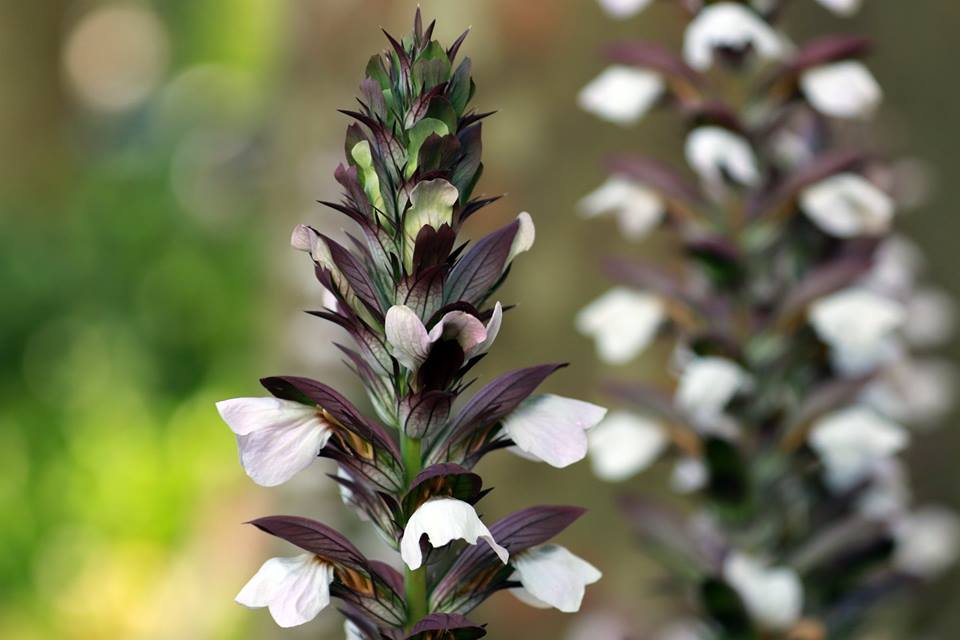
Tall flowers, each part in pale pink and deep purple - almost black and white

Photograph:  ‘Bachblüten’ (Meadow flowers). František Matouš © 2016


Ecce pratum purpuratum

Do not ask for flowers bright,
rainbow blooming boldly –
since the universe deprived
me of colours coldly.

Let me send you flowers white,
virgin leaves forever,
flowers black as sultry night,
life and death together.

From the fanned-out golden glow
on the merry meadow
take some flowers white as snow,
flowers black as shadow.

Purple blossom scatters spring
right beneath my eyes…
Purple flowers I shall bring
you in Paradise.

Christina Egan © 2015


The title is a Latin quote from the mediaeval song cycle Carmina Burana.
The German and English versions were created to match each other.

ostseeschlaflied (Darß)

ostseeschlaflied
(Darß)

hinaus tritt aus dem hohen wald und schau
wie sand auf see und see auf himmel trifft
wie sich am abend spiegelklares blau
in unverhofftes violett verwischt
wie sich der wellen und der wolken grau
in hundert regenbogenschatten bricht
zurück nun tauche in die dunkle au
die nacht ist nah doch ewig ist das licht

Christina Egan © 2015

The Darß (Darss) is a majestic primeval
island at the very edge of Germany.

You can read an English poem about
the Darss at Midsummernight Far North
and more German ones at Schöpfung (Darß).

O Heimatland aus Stein und Licht

O Heimatland aus Stein und Licht

O Heimatland aus Stein und Licht,
o Silberstamm und Silberblatt,
o Flammenhimmel, Flammenstrand,
o weiße Mauer, weiße Stadt
und blendendblaue ruhige Bucht!
Mein steiles, karges, klares Land –
o sonnensatte Lebenslust!

Christina Egan © 2015

Ehlers_Kollwitz

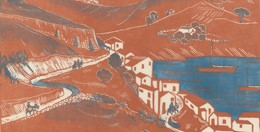
The poem was inspired by this woodcut, “Elba –
Land der Esel”
by Ottilie Ehlers-Kollwitz (1955).
For a larger view click here: Galerie Spermann.


An der breiten Straße / By the Highway

An der breiten Straße

In des Stadttors Schatten steh’ ich,
Wo die Straße sich entrollt:
Und die Stadt ist nicht von Marmor
Und das Pflaster nicht von Gold.

An der breiten Straße sitz’ ich
Eine Stunde und ein Jahr:
Und ich träume, und ich hoffe,
Und ich warte immerdar.

Händler fahren ihre Waren,
Pilger ziehen aus und ein,
Gräber reihen sich allmählich:
Und ich werde selbst zu Stein.

Eines Nachts verkünden Sterne:
Gehe aus und such’ dein Glück!
Eines Tages bringst du’s hierher,
Denn die Stadt ruft dich zurück.

Christina Egan © 2015
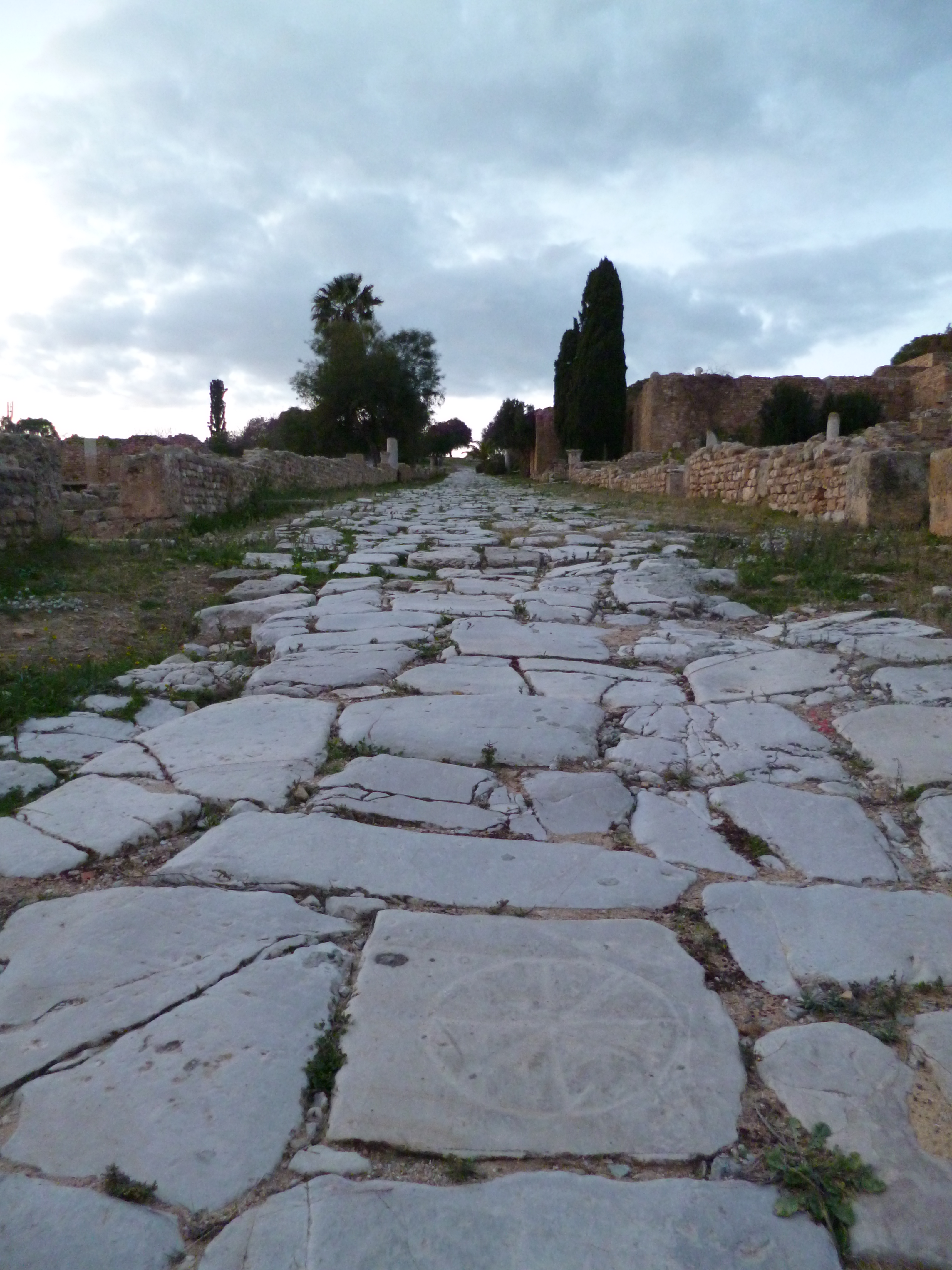
Straight Roman road with ruins and trees to the left and right, in the dusk

Roman road in Carthage, Tunisia.
Photograph: Christina Egan © 2014

By the Highway

In the city gate I’m standing,
Where the outbound road‘s unrolled:
And the city’s not of marble
And the pavement not of gold.

By the highway I am sitting,
First an hour, then a year:
And I’m dreaming, and I’m hoping,
And I’m waiting, sitting here.

Merchants cart their goods to market,
Pilgrims visit and go home,
Tombs line up along the highway:
Slowly, I, too, turn to stone.

Yet one night some stars announce it:
Seek your luck now, seek your track!
And one day bring back your luck here,
When the city calls you back.

Christina Egan © 2015

This poem is timeless. A similar song is part of my play The Bricks of Ur, which is set 4,000 years ago. Another story from a highway outside a Roman city is Quo vadis?.View of Roman Cologne: a large neat grid of buildings with red tiles, located on flat land by a wide river“Roman Cologne, reconstruction” by Nicolas von Kospoth via Wikimedia.

This poem or song was inspired by ancient Roman tombs along Severinstraße, the straight road leading southwards out of Cologne, Germany (left in the picture). Artistic impressions of a Cologne city gate and a highway lined by tombs are online on p. 48 and p. 28-29 of Römer Straßen Köln. When I wrote the poem, I did not know that at times, Severinstraße was known as “Lata platea” or “Breite Straße” (“Broadway”)!

Postscriptum:  This was my first post ever! Roman roads and Cologne are two of my favourite subjects; so you can link to the texts covering them directly.