Green Blood

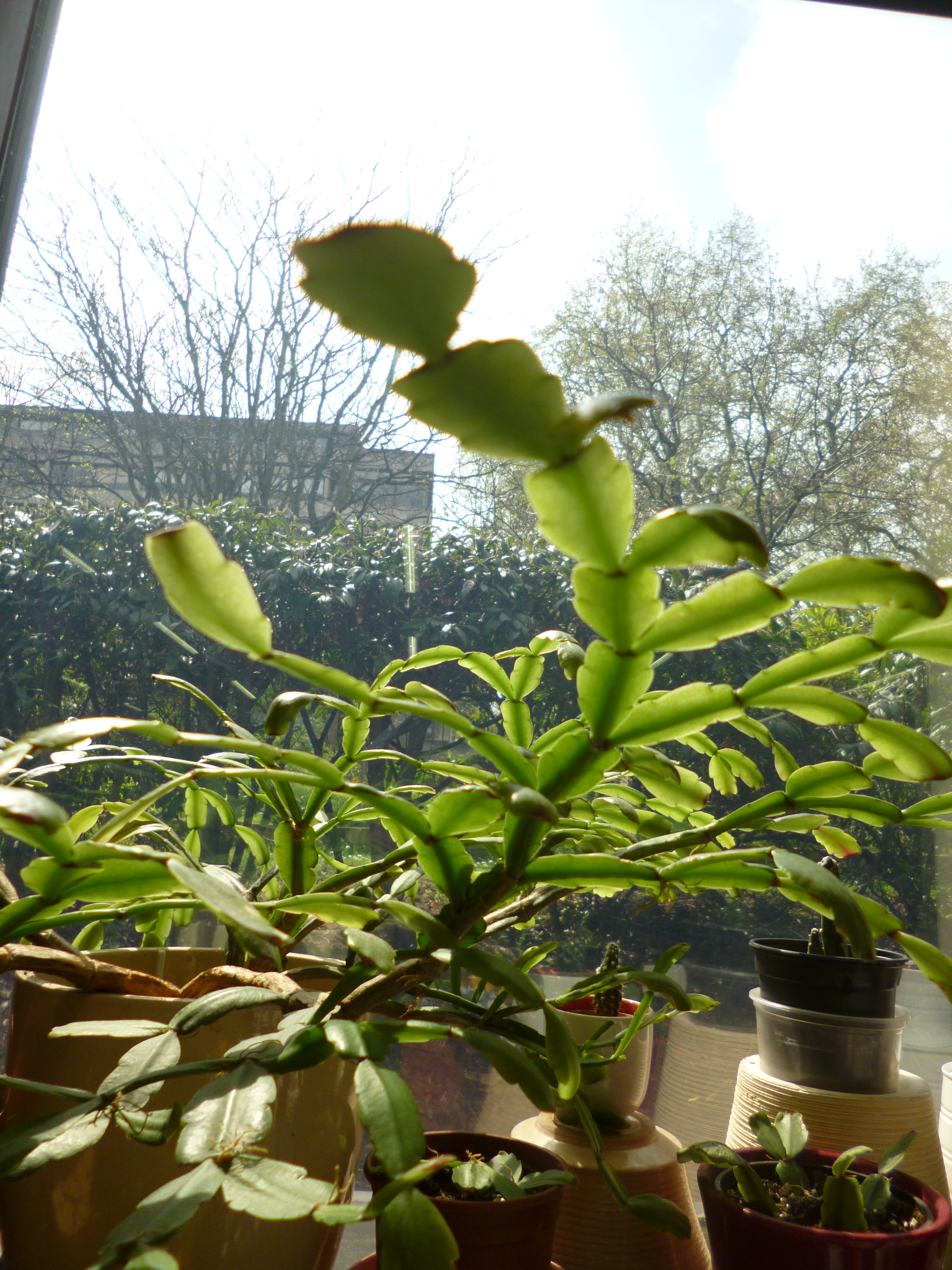
The plant on the window-sill

Lush Christmas cactus on window sill, appearing to reach out to the viewer, with little cacti around.

It is shining, it is glowing,
while the sun is rising high!
It is stretching, it is growing,
so am I, oh, so am I!

It is breathing, it is throbbing,
full of blossom, full of birth!
It is floating, it is bobbing
on the bubble of the earth!

Christina Egan © 2015


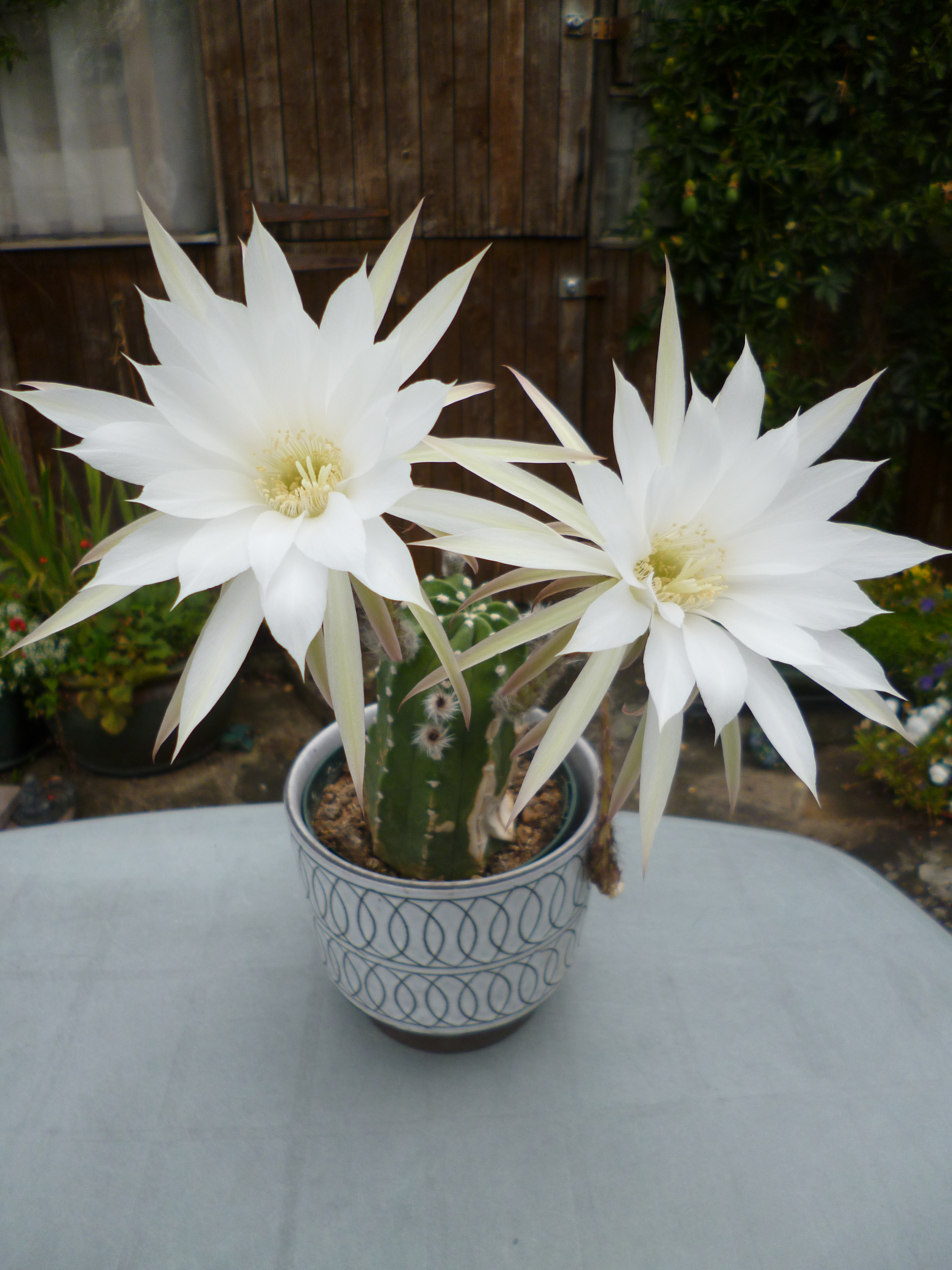
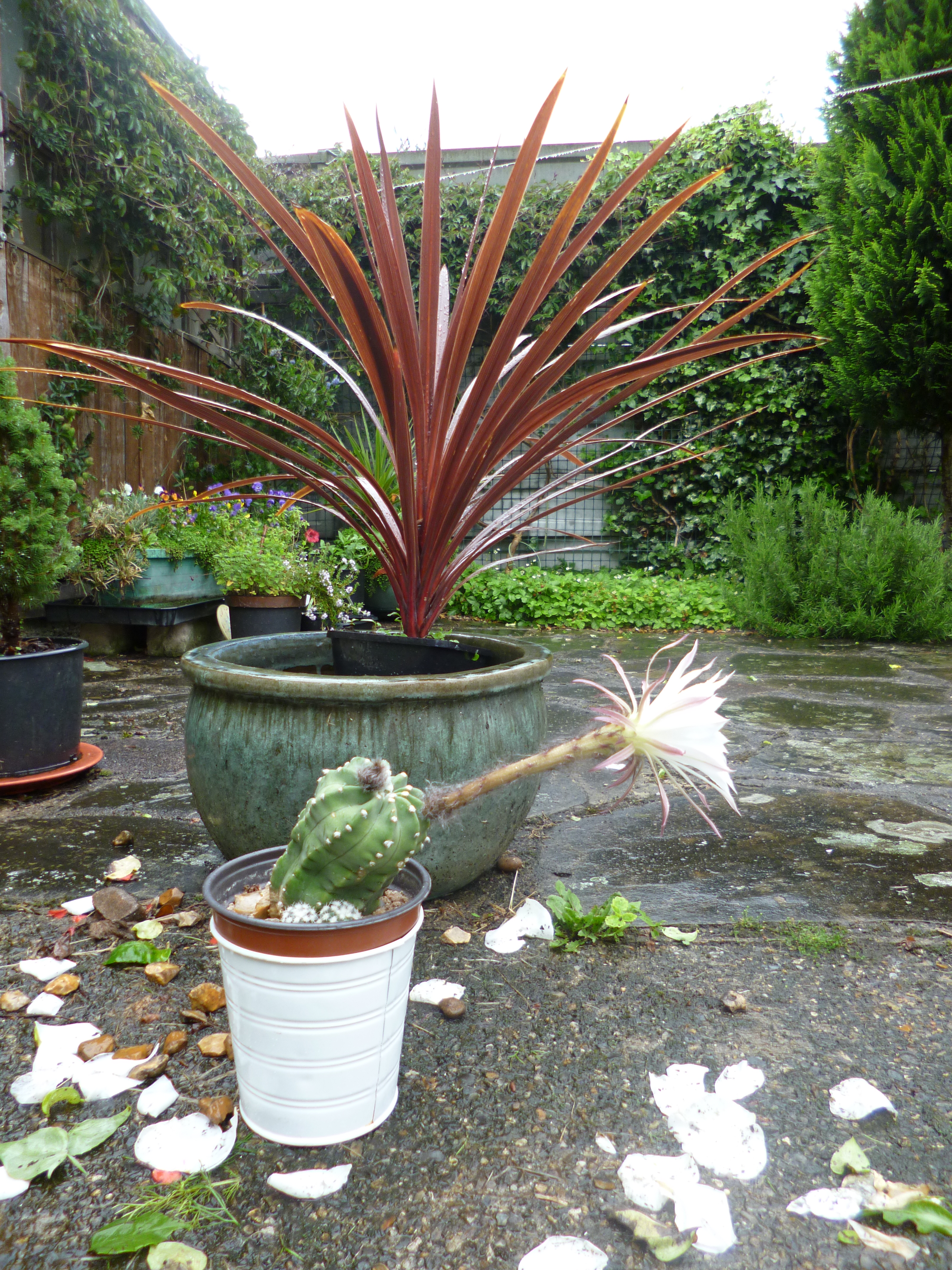
Fist-sized cactus with large star-like flower on long firm stalk. Palm-tree shaped red plant in background mirroring the flower's shape; white rose petals on ground mirroring its colour.Die Macht der Königin der Nacht

In der Mittsommermitternacht
ist ein schneeweißer Stern mir erwacht,
eine bebende Blütenblattüte:
Mit heimlicher Königsmacht
hat ein Kaktus den Funken entfacht,
eine klare Trompetenblüte!

Christina Egan © 2013


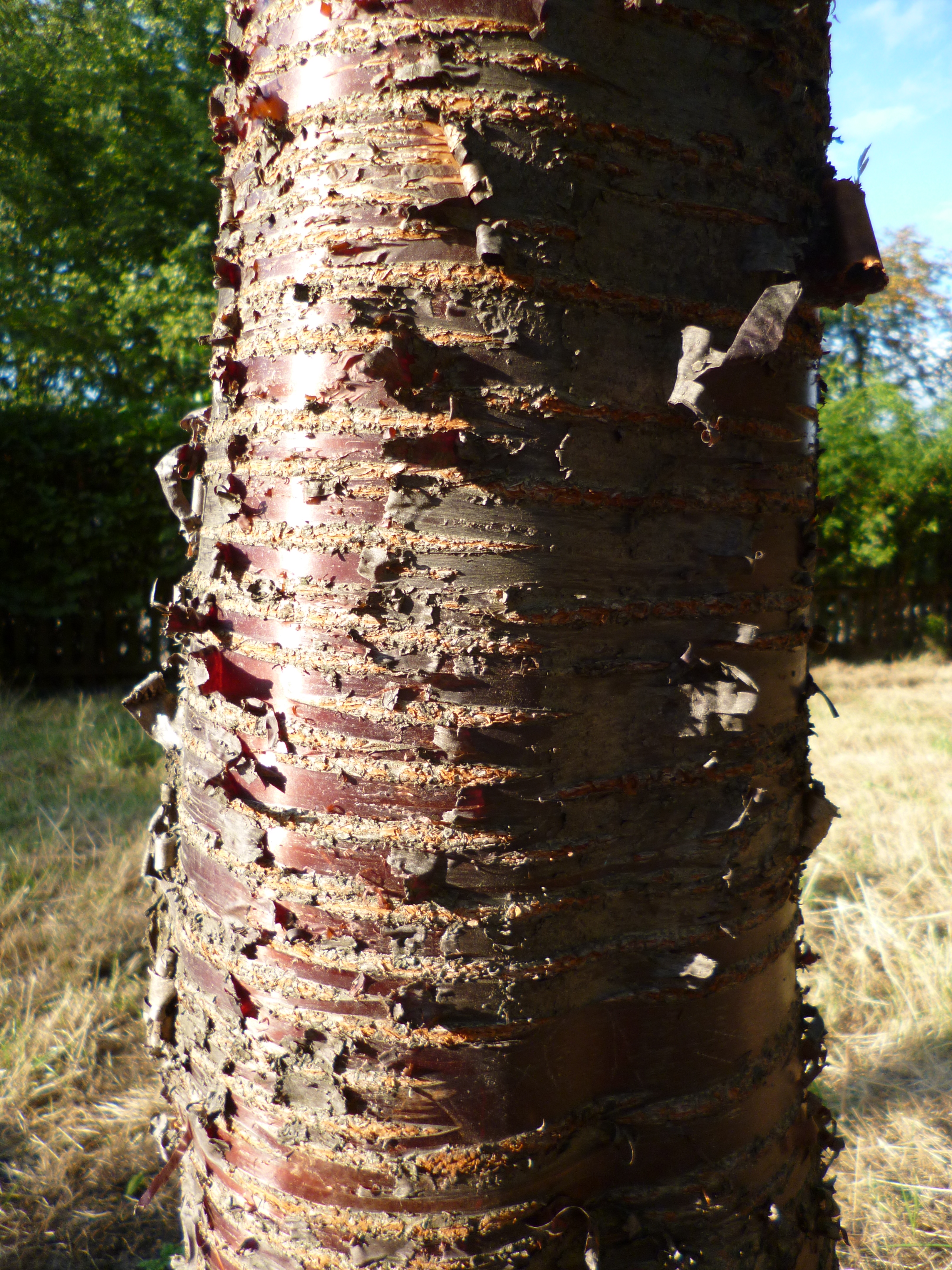
The Tree at the Corner

Shiny reddish bark, paper-thin and frayed, on a straight round tree-trunk.I gather air and light,
I filter drop on drop,
till there is liquid life:
my waving hands’ green blood.

I give you air and shade
with my bright canopy,
till there is solid gold
through age-old alchemy!

Christina Egan © 2015


Was der Baum im Winter tut

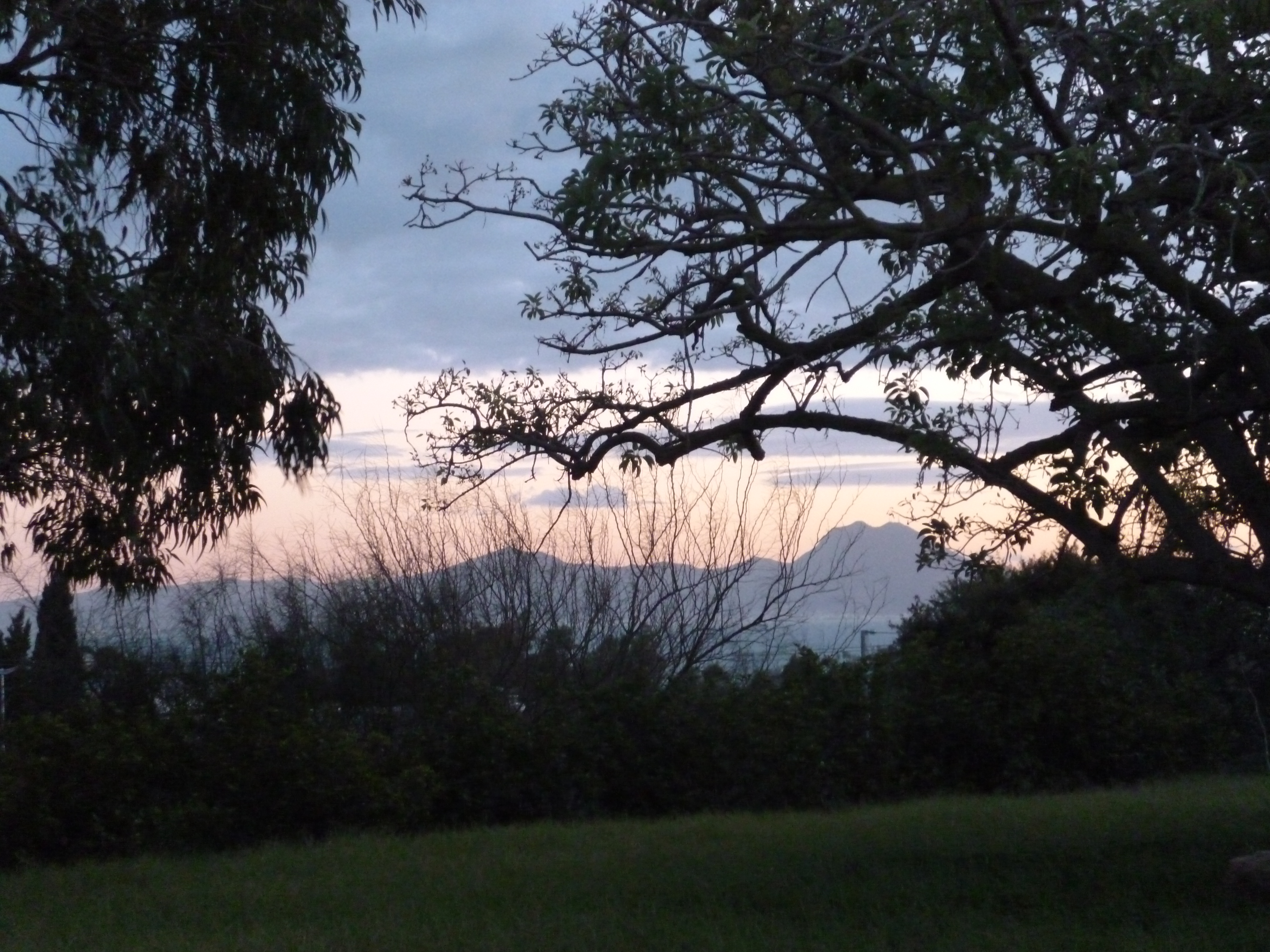
Bare branches against sunset in mauve and apricot; high mountains along horizon.Mit tausend nackten Zweigen hält der Baum
gleich einem gläsernen gewölbten Kelch
die Gänserufe und den Amselsang,
das gleißend hingegossne letzte Gold
und dann das Pfauenblau der frühen Nacht…
Und jene Stille wie ein Geigenklang.

Christina Egan © 2013

Photographs: Christina Egan © 2013/2014/2016


These lines portray plants as living creatures and active participants in this universe.

The non-descript pot-plant stays in its place, yet it gives and takes, grows and procreates — and presumably enjoys life, particularly in spring.

Around summer solstice, the humble cactus suddenly pushes out an unlikely flower, shaped like a trumpet and dazzling like a star: it has revealed itself as a Queen of the Night!

The everyday tree turns the inanimate elements into living matter; and it brings forth beauty even while that life turns towards death again in autumn.

Around winter solstice, the bare tree perceives the beauty of this earth — sunset and dusk, birdsong and silence — or at least, it forms part of this array for us.

Spiegelherz

Spiegelherz

Laß uns insgeheim die Spiegel tauschen,–
was soll ich mit einer schönen Frau?
Oder Haaren, die sich bronzen bauschen,
oder Augen von Spätabendblau?

Hast du dein Porträt in Hell und Dunkel
nicht genug geprüft ob seines Werts?
Ich bin an der Reihe, dein Gefunkel
aufzufangen als dein Spiegelherz.

Christina Egan © 2014

In these lines, a beautiful woman suggests to a fascinating man
swapping mirrors so that he can admire her instead of himself!
She also implies that her heart could be the mirror of his heart.

The tone is light-hearted, but the intention is serious. It is the title
of this poem, the made-up word ‘Mirror-Heart’, which lent its name
to the category of love poems on this website: ‘Mirror hearts’.


Portraits of Marble and Verse

silberblech

ich hämmere aus silberblech
aus makellosem mondenlicht
ein lebensvolles angesicht

ich bilde nach mit meiner glut
den sanften glanz den gott erschuf
dies sei mein einziger beruf

Christina Egan © 2015


Im Vorübergehn

II.

Es gibt von dir, mein Freund, kein Marmorbild,
in dem das Leben lautlos überquillt,
in dem ein andrer Mensch mit Meisterhand
in Stein das flüchtge Spiel der Züge bannt
und deine Stirn ins Licht des Südens taucht,–
nur Verse, im Vorübergehn gehaucht.

III.

Hinweg mit Ebenholz und Elfenbein,
hinweg mit Binnenreim und Gleichlautreim,–
kein Zeilensprung hält deine Schläfen und
kein Meißel schlägt aus Marmor deinen Mund!
Die sanfte Kraft der Adern übersteigt
ein jedes Bildwerk… bis es steht und schweigt.

Christina Egan © 2014


“I hammer from silver sheets”  claims that the foremost task of a sculptor – or any other artist – is to celebrate human beauty; and that he or she recreates the splendour of God’s creation.

“There is of you no marble image” suggests that the image of a person can be as full of life as the person itself; and that verse can make as good a classical monument as marble.

“Away with ebony and ivory” equates those materials with poetic devices – using them while naming them! – and concludes that human beauty, after all, surpasses any work of art.


CarlEchtermeyer


My ancestor Carl Echtermeier with the model of his last work in 1910.


Photograph: „CarlEchtermeyer“ von Unbekannt – Scan Illustrirte Zeitung, Nr. 3502, 11.August 1910. Lizenziert unter PD-alt-100 über Wikipedia –


Marmorrose

Auch dieses Gedicht,
knospengroß,
elfenbeinfarben,
morgenbetaut,

ist letzten Endes
gefrorener Atem,
eine Rose
aus Stein.

Mein eigenstes Eigentum
und deines
und das eines jeden,
mein geschenktes Geschenk.

Immerhin
eine Marmorrose,
dem Leben abgewonnen,
dem Tode abgerungen.

Christina Egan © 2014

Über alle Hoffnung

Über alle Hoffnung

Fürchte nicht der Tage Neige,
nicht der Kräfte bittern Schwund,
denn der Gott des Lebenshauches
birgt das ganze Erdenrund.

Fürchte nicht der Freunde Ende,
nicht einmal das eigne Grab,
denn der Gott der Engelheere
steigt mit dir zur Nacht hinab.

Hinter allen Schattentälern
wartet unverrückt das Licht,
denn der Gott der Sternenfernen
hält zuletzt, was er verspricht,

und er wird dich neu beleben,
dich als sprühendschönen Stein
über alle Hoffnung heben,–
Alles Glück wird unser sein.

Christina Egan © 2015

This poem declares that after bitter
death, a new life is prepared for us,
a happiness surpassing hope. –
It could be turned into a hymn.

Der letzte Tag des Sommers ist gekommen

Der letzte Tag des Sommers ist gekommen

Der letzte Tag des Sommers ist gekommen
mit Tropfen frischen Bluts und Flocken Schnees
entlang des ausgeblichnen Blumenbeets,
mit Sonnenschein, geballt und dann verschwommen,
mit Regenschauern, hart und schon zerronnen,
mit tausendfacher Kraft des Krauts und Klees
und brüchigbraunem Laub entlang des Wegs,
mit Silbernetzen wie aus Luft gesponnen.
Der letzte Tag des Sommers hält die Fahne
von allen Farben in die wilden Winde,
daß sie das Auge ohne Suche finde,
daß sie die Seele ohne Zweifel ahne…
Der letzte Tag des Sommers hängt die Fahne
an gelber Rosen berstendes Gebinde.

Christina Egan © 2014


The first part of this sonnet (8 lines) conjures up scattered petals like drops of blood and flakes of snow, bright sunshine and hard rain, vigorous herbs and brittle leaves and delicate webs. The second part (6 lines) lets the last day of summer hold a colourful banner into the wild winds and hang it onto a lush garland of yellow roses. — See also Poems about roses, life and death (a German and English selection).

Poems about Roses, Life & Death

Poems about Roses, Life & Death

Vase_and_rose_02Sonnengelb

Im sonnengelben Tüllgewand
mit rosarotem Rüschenrand
schwankt sie im satten Bühnenlicht
von Gleichgewicht zu Gleichgewicht:
die königliche Tänzerin,
die Rose namens Harlekin!

Sunny Yellow

Dressed in sunny yellow gauze
hemmed with ruffs like rosy haze,
perfect poise in every pose,
in the lime-light there she sways,
dancing-girl of regal grace:
Harlequin, the motley rose!

Photograph: Christina Egan © 2013  –  Texts: Christina Egan © 2015

          The Giant Rose

Gdn_RoseRed_2009June

The giant rose, pale yellow, slightly flushed,
still opens and expands and grows more lush
            with every breath.
Yet its intoxicating scent deceives:
for through her delicate and ample leaves
            runs silent death.

Photograph: Christina Egan © 2009  –  Text: Christina Egan © 2013

Crimson silk

A cushion of crimson silk
and swelling still,

a mouth of countless lips,
of soundless words,

the red rose
stands

releasing its heavy scent
like crimson streamers, crimson streams,

until I feel it on my tongue
like ivory-coloured marzipan!

Christina Egan © 2015

Gelbe Rose

In Sonnengelb und Aprikose
reckt sich die prallgefüllte Rose
in ihrem reifsten Augenblick,
als eine Frau – in gelb gekleidet,
mit goldnem Haar – vorüberschreitet
mit schwebendem und festem Schritt.

Die Rose weiß noch nichts vom Welken,
entfaltet sich im hohen gelben,
vermeintlich abendlosen Licht…
Die Frau schaut lange, hält den Atem
in jenem festtagsbunten Garten,
wo ihre Jugend jetzt zerbricht.

Christina Egan © 2011

Sonnengelb and Sunny Yellow  are parallel creations. The flower in the vase and the flower in the painting looked exactly the same in their striking shapes and colours as well as in size and maturity…  

Gelbe Rose (Yellow rose) compares a rose in shades of apricot and sunflower and a woman with similar clothes and blond hair. The flower, at the height of her life, does not know that age and death are about to strike; but the woman does.

You will find more roses in the sonnet Der letzte Tag des Sommers ist gekommen.

Auf den Höhen der Rhön

Auf den Höhen der Rhön
(Juli-Haiku)

*

Mit blauen Blumen
bestickt, bläht sich das goldne Korn,
ein Tanzgewand.

*

Auf dem Kiefernduft
gleitet der Habicht dahin
hoch über den Höhn.

*

Die Kuppen im Dunst,
ein perlgrauer Scherenschnitt
vorm Silberhimmel.

*

Im kupfernen Laub
ganze Quader von Jade:
bemooste Felsen.

*

Christina Egan © 2003

The Rhön Mountains, part of the Central Uplands of Germany, stand out through their wild and austere beauty. – This series of haiku has just been published in the photo calendar Rhönkalender 2016.

English speakers: This text, titled On the heights of the Rhön, works quite well in a translation software. You can also see two wonderful panoramas of the mountains at the link to the calendar and some more on Wikipedia.

Silhouette of low silver-blue mountain range against silver-blue sky, just like in the poem.

Photograph: “Kegelspiel” by N8mahl at the German language Wikipedia.

Göttermahl (Malerei in Fulda)

Göttermahl
(Malerei im Stadtschloß zu Fulda)

Rundes Brot mit blonder Rinde
spendet uns der Sonne Kraft;
roter Wein voll süßer Hitze
filtert uns der Erde Saft.

Zu dem Abendbrot gesellt sich
stückweis gutgewürzte Wurst;
saftigbunte Früchte endlich
stillen den entfachten Durst.

Welches Mahl man mir auch biete,
nichts kommt dieser Speise gleich,–
und mir scheint gar, man genieße
ebenso im Götterreich!

Christina Egan © 2015

You can find very clear photographs of
Emanuel Wohlhaupter’s painted ceiling
(1728-1730) in the City Palace of Fulda
at Zentralinstitut für Kunstgeschichte.

SEMPER AMEMUS

SEMPER AMEMUS
 
Ein großer lila Schmetterling
an einem feinen Silberband:
ein einfallsreiches Ornament
von unbekannter Künstlerhand,

das man vielleicht den Mauerresten
des Vorstadthauses einst entringt,
in sorgsam aufgereihten Kästen
dem Publikum zur Ansicht bringt.

Bis dahin werden Bild und Name
der Trägerin verloren sein;
nur ein verbeulter Brillenrahmen
wirft einen warmen Kupferschein,

und, rätselhaft, ein Silberring
trägt eine Inschrift auf Latein.
Die Zeitung schreibt: Der Schmetterling
mag Zeugnis einer Liebe sein.
 
Christina Egan © 2015

A woman's throat with a large butterfly pendant in silver and purple and a long blond ringlet on her dark garment.This story takes place in the future: when we are the past  unearthed, marvelled at, mused about. The inscription on the ring – which is a real item from the year 2000 AD – means ‘May we always love each other’.

Hält die Waage Nacht dem Tage

Hält die Waage Nacht dem Tage

Sieh, Morgen graut,
sieh, Morgen blaut!
Noch einmal leuchtet grün das Laub,
noch einmal schimmert gold das Haar,
und Mittag bäckt die Früchte gar.

Das Ziffernblatt
liegt sonnensatt,
der Schatten aber rückt hinab.
Der Wein saugt letzten Saft hinauf,
die Felder halten Ausverkauf.

Das Licht entsinkt,
das Jahr verklingt…
Noch einmal wird der Schritt beschwingt,
bevor uns Nebel stumm beschwert
und Sturm uns durch die Haare fährt.

Hält die Waage
Nacht dem Tage,
fällt die Blüte ohne Klage,
treibt der Feuerdorn die Beeren.
Was vergeht, wird wiederkehren.

Christina Egan © 2015