Heimkehr nach Köln

Heimkehr nach Köln

Die türmenden Inseln
der Kirchen,
die aschgrauen Schachteln
der Häuser,
die lärmenden Räder
der Plätze –

Geborgen bin ich
im Schoß meiner Stadt,
die mich die Sprache lehrte,
die vergessene Sprache,
die schlichten Gesänge
verschütteten Glücks.

Ein goldenes Antlitz taucht
aus dem bunten Dämmer hervor.
Wer bist du?
Geh nicht fort, Gesicht
ohne Namen, leihe mir
mein Geheimnis heut nacht!

Christina Egan © 1992

This poem about homecoming to a big city could refer to a place where someone grew up; or where they lived in the past; or where they may have lived in a former life on earth.

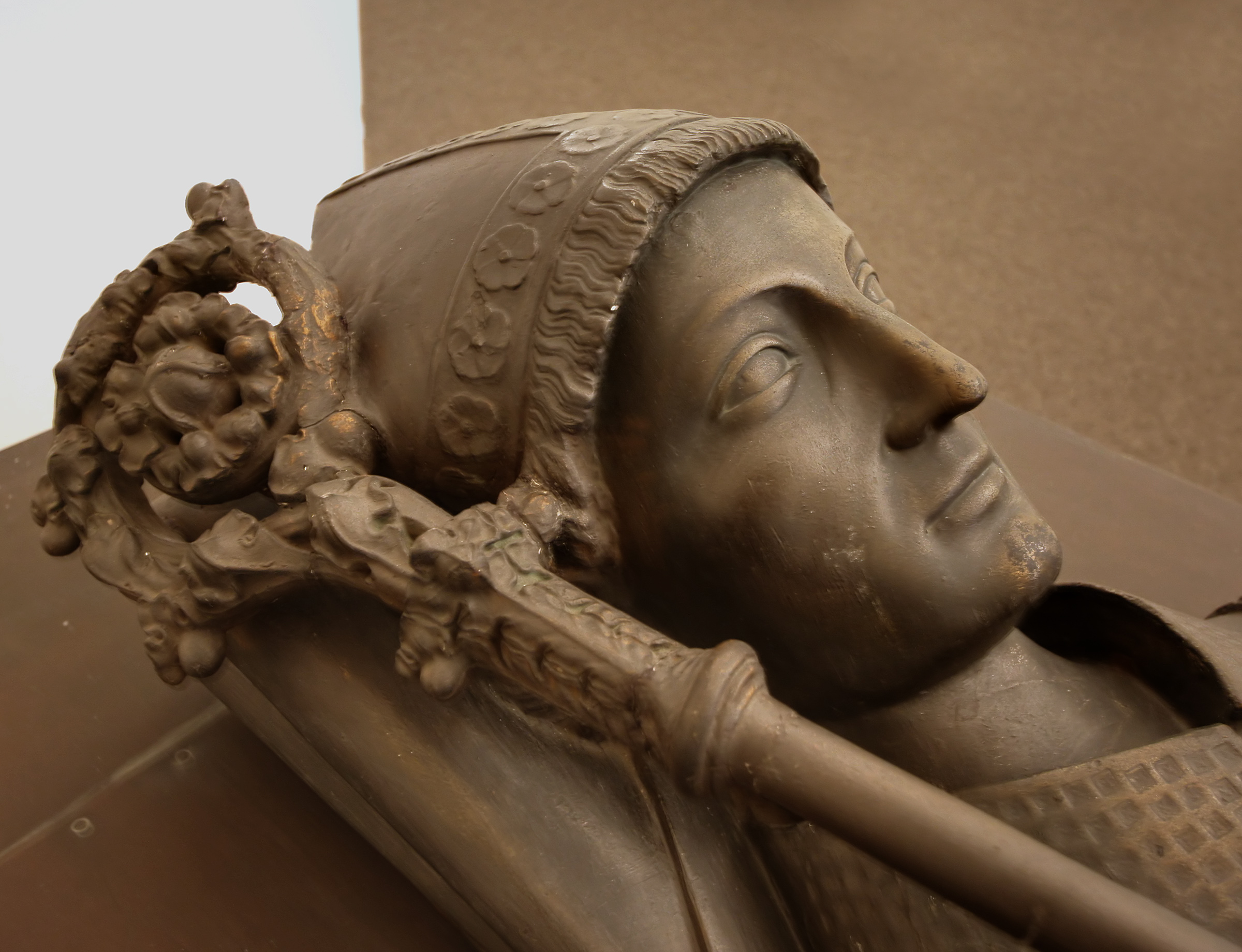
Bronze head of a bishop, mediaeval yet classical in appearance.Therefore, the mysterious golden face which is the key to the past could be a late relative; or a lost friend; or else a historical figure. I was thinking of this portrait at the back of Cologne Cathedral.

Photograph: „Grabmal Konrad von Hochstaden Gipsabdruck“ von Elke Wetzig (Elya)

Heimat gibt es doppelt

Heimat gibt es doppelt

Heimat gibt es doppelt: Heimat deiner Jugend,
Kopfsteinpflaster unter den karierten Schuhn;
anderswo vielleicht dann Heimat deines Herzens,
wo gewundne unsichtbare Wurzeln ruhn,

wo die Glocken süß und voll Verheißung beben
wie die frühen fliederfarbnen Azaleen,
wo die vielen flachen blassen Hausfassaden
lächeln, wenn die Wolkenschatten weiterwehn….

wo vor himmelstürmend hohen Kirchentürmen
glutrot oder sonnengelb die Blüten sprühn
und der Teppich der Jahrhunderte darunter
ruft, um deinen Lebensstrang hineinzuziehn.

Christina Egan © 2010

Another love letter to my favourite city, Cologne!

ostermorgen

ostermorgen

der schwere aschenfarbne vorhang
aus wolken zerrissen und weggefegt
spätmärzhohe morgensonne
ergießt sich als murmelnde orgelfuge

etwas ist geschehen
etwas ist dennoch geschehen
etwas
ist

lösende
lockende
gegenständliche
gegenwart!

Christina Egan © 2013

This poem about Easter morning was published in a previous edition of the Rhönkalender. It does not work in translation machines because the language is unusual and innovative.

For Christians, the resurrection of Jesus is not a myth or symbol but a historical and cosmic event; and God is not a distant force but a living presence.

For more on the symbolism of Lent and Easter, see my previous post Fastenzeit / Lent.

Fastenzeit / Lent

Fastenzeit

An bitterem schwarzen Brot
nagt mein Mund.

An bitterer schwarzer Erde
nagt mein Herz.

Grauer Wind
fegt die Fluren rein.

Alles fastet
der Farbenfülle entgegen.

Christina Egan © 1985

Lent

My foot sinks
into bitter black earth.

My heart gnaws
on bitter black bread.

Grey wind
sweeps the fields clean.

Everything fasts
towards the flood of flowers.

Christina Egan © 1999

The church year mirrors the natural seasons  and symbolises our life events: voluntary renunciation in Lent corresponds to the hardships of winter or to emotional deprivation.

I shall shortly post a poem about Easter at ostermorgen, where faith in God and resurrection is linked to the renewed sunshine of spring and to the experience of communion and fulfilment.

In Marrakesch (Einst fiel ein Regenbogen)

In Marrakesch

Einst fiel ein Regenbogen auf die Wüste
zersplitterte in funkelnde Oasen
in Perlen Spiegel abertausend Tücher
in Brunnen Palmen abertausend Rosen

Zum Regenbogen wird der Horizont
zum schwarzen Drachenkamm das Hochgebirg
und über kühnen Türmen hängt der Mond
wenn Dunkelheit das Mauerrund umwirbt

Und immer Hupen Räder Rufen Reden
Laternen Tänzerinnen wie zum Fest
Dies ist die Stadt wo jede Nacht das Leben
ein Feuerwerk ist: Dies ist Marrakesch!

Christina Egan © 2012

There is a longer version of this poem, as lyrics for a love song, for once a happy one…

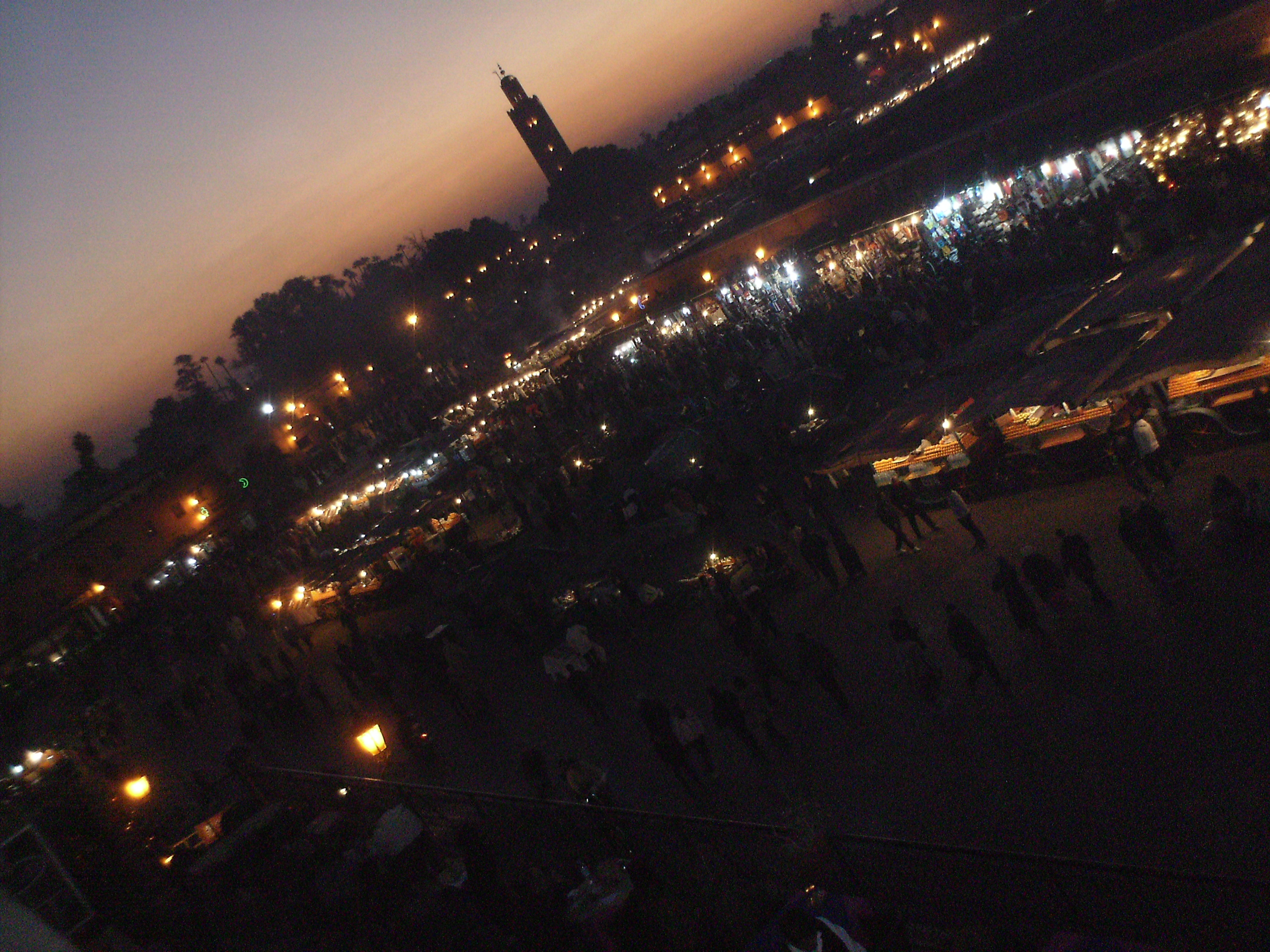
This text may work in a translation software. You can read an English poem about Marrakesh at Winter Sunrise in Morocco.Vast square by night, illuminated by lamps in market stalls, with the sunset along the horizon and a massive minaret showing. The Square of the Dead is incidentally the most lively place on the planet. You must visit it after dusk to get the full experience. Nothing prepares you for Marrakesh!

Photograph: Square of the Dead, Marrakesh, Morocco. Christina Egan © 2012

Am Rad der Weltgeschichte

Ich möcht am Rad der Weltgeschichte stehn

Ich möcht am Rad der Weltgeschichte stehn
Und eine Nacht beharrlich rückwärts drehn
Das Telefon zerfällt in deiner Hand
Der Flachbildschirm entgleitet deiner Wand
Das Internet verweht wie bunter Rauch
Die Rapmusik verebbt im Morgenhauch
Durchs Weltall stürzen Sonden zu uns her
Die schwarze Fahne rutscht vom Schießgewehr
Palmyra schüttelt sich aus Schutt und Sand
Manhattans Splitter fügen sich zum Band

Und wenn die Mauer aus dem Staube steigt
Dann halt ich an – und die Geschichte schweigt

Dann geh ich aus und such und finde dich
Und nichts und niemand hält und hindert mich

Der Rest darf weiterrasseln wie zuvor
Die Mauer stürzt es platzt das Wüstentor
Die rote Fahne sinkt die schwarze steigt
Und Pluto wird gefilmt und Mars erreicht
Das Internet wird um die Welt gespannt
Der Bildschirm schrumpft in deine hohle Hand
Doch mitten in des Lebens Wirbelsturm
Stehn du und ich wie jener Doppelturm

Zweitausendfünfzehn schrieb ich dir dies Lied
Denn ich bin müde und die Zeit entflieht

Christina Egan © 2015


Dense layers of rusty gearwheels.The narrator imagines that he or she can turn back the wheel of history.

Tiny hand-held telephones, huge television screens, and the whole internet dissolve; one after the other, the Arch of Palmyra, the Twin Towers, and the Berlin Wall rise from the debris.

Then the person stops history to find the beloved one this time round and live a new life together, while everything else rolls on as before: the monuments fall, the internet rises, till we arrive back in 2015.

These lines could be developed into a rock song. I imagine hard music which grows more intense until it stops when history stops!


Rusty gear wheels. Photograph by susannp4 (Susann Mielke).

Nonnenkloster

Nonnenkloster

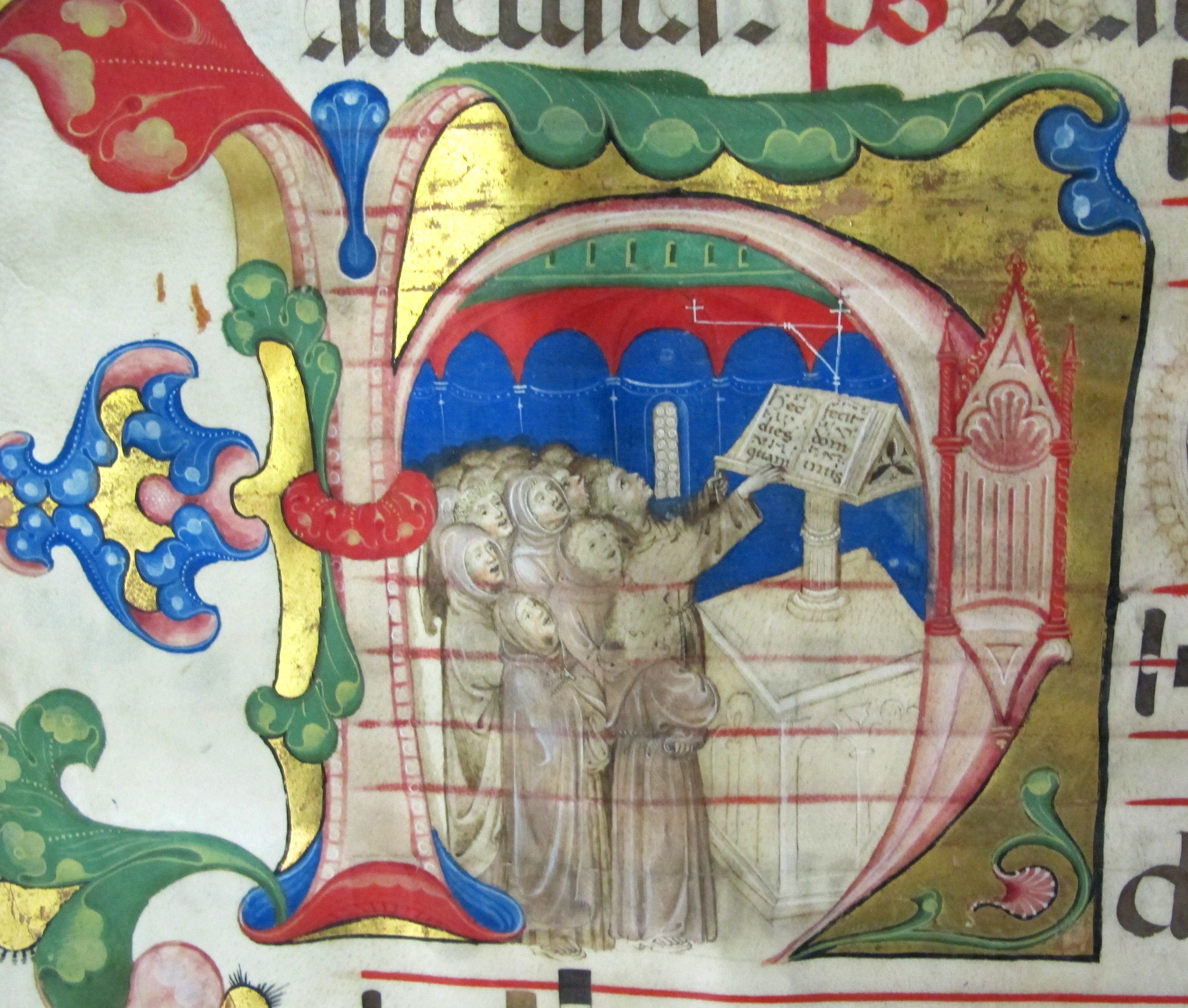
Initial of mediaeval manuscript, filled with monks and nuns singing from such a missal on a lectern above them; in gold and bright red, blue and green

Schneegleich
steigt Schweigen
aus den steilen Wänden,
aus den gefalteten Händen,
den vornübergeneigten Schleiern.
Und doch ist alles ein Feiern,
als sei, wenn es schneit,
ein Staub von Gold
über die Gärten gestreut…

Zeit, Zeit
tickt hier laut
in den langen dunklen Uhren,
in den blankbefliesten Fluren,
weil die Ewigkeit
sie so beschwert
wie Wasser eine weiße Schüssel.
Und jeder geschmiedete Schlüssel,
der gegen ein Gitter klappert,
klingt
wie ein Versprechen,
das Gott nicht brechen will.

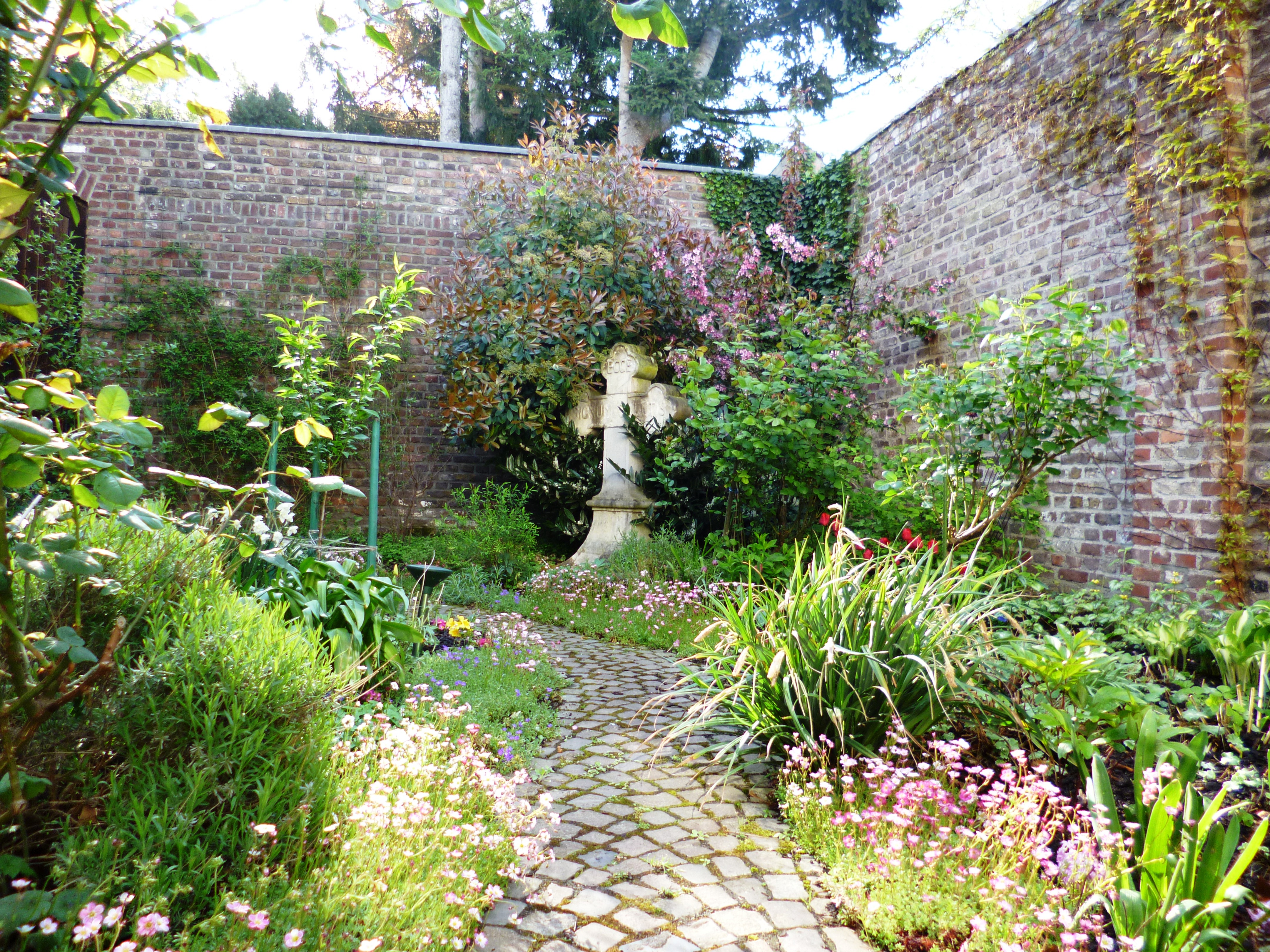
Sunlit walled flower garden with sturdy stone cross in corner

Es singt
am Rasenrand
der Schneeglöckchenchor,
ein besticktes Band.

Und jede ungeschmückte Wand
durchdringt
das goldne Schweigen
wie der Frühlingssonne sanfte Hand.

Christina Egan © 2006

I owe this overpowering experience of peaceful silence to the Carmelite monasteries of London (Most Holy Trinity) and Cologne (Maria vom Frieden), which are based on a philosophy of shared “silence and solitude”.

Photographs:
Liturgical book for Eastertide (1450s).
Sailko via Wikimedia Commons. —
Nunnery garden, hidden in the midst of a big city. Christina Egan © 2014

The Purple Sea / Das lila Meer

The Purple Sea

I’ve seen the sea turn indigo
and greyish green and brilliant blue:
the wine-red sea that Homer saw
was not a blind man’s dream — it’s true.

I’ve swum in waves of indigo,
I’ve swum in eyes of greenish grey:
the fair-eyed gods that Homer saw
may just for moments cross your way.

Christina Egan © 2015

Das lila Meer

Auch indigo färbt sich das Meer
wie gräulichgrün und leuchtendblau:
Wahr war das Weinrot des Homer –
nicht eines blinden Dichters Schau.

Im Indigo schwamm ich sogar
und auch in Augen von Grüngrau:
Ein göttlich lichtes Augenpaar,
das gibt es manchmal noch genau.

Christina Egan © 2015

The Wine-Dark Sea

Where sky and ocean form a line
of glassy indigo,
the water looks indeed like wine,
a strong and sweet Merlot.

This is the sea that heaped up rocks
and beckoned walls to rise,
the ageless mother of these flocks
of sun-enchanted isles.

This is the sea that brought the fleets
to Carthage and to Troy
on silver-green and bright-blue sheets
which wayward gods deploy.

Christina Egan © 2012

These poems refer to the debate around Homer’s strange colour names: e.g. ‘wine-coloured’ (‘oinops’) and ‘purple’ or ‘maroon’ (‘porphyreos’) for the sea; ‘green-eyed’ (‘glaukopis’) for a person or god with eyes of any fair colour.

While people in antiquity were not yet interested in describing colours and 
despite their sophisticated languages — had only very few words for them, I
believe that on occasion, these can be taken literally.

The first two poems are translations of each other. The colour adjectives oscillate between the languages, and within, just like the sea does…

Fiery Flowers for Valentine’s Day

RedFlowers_2015Dec15_06

To My Valentine

The lily licking like a fire,
the lily luminous like snow:
I find them both in you, my flower,
I bask in their contrasting glow!

Christina Egan © 2016


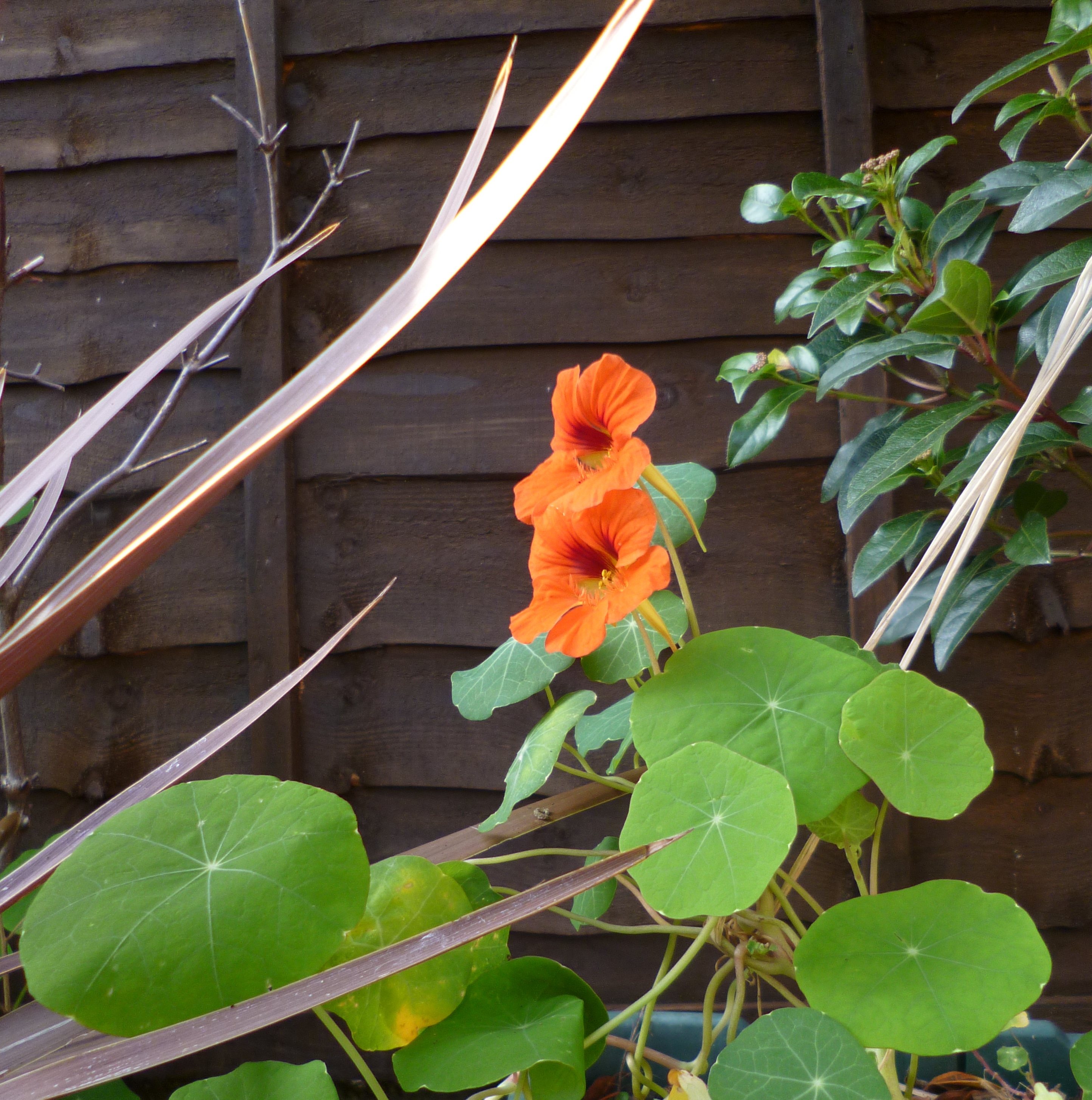
Two nasturtium flowers in very strong orange with some of their large round leaves in fresh green


Zum Valentinstag

In dem feuerfarbnen Blumenstrauß
hab’ ich dir die Sonne eingefangen,
hab’ sie hingezaubert in dein Haus,–
hast du meine Botschaft mitempfangen…?

Christina Egan © 2012

Often, I translate my own verse, but these are two different Valentine poems.

Photographs: Flowers just before Christmas! Christina Egan © 2015

inselstrand / mondstrand

inselstrand

der sand ist durchsponnen
von tausenden rinnen
wo winzige flüsse
perlmuttern erschimmern

sich sammeln sich teilen
erwärmen erschauern
bald rasten bald eilen
erblassen erblauen

der sand is voll salz
und voll sonne gesogen
das leben verbirgt sich
im atmenden boden

das land ist dem wind
und dem wasser verwoben
die seele der enge
der insel enthoben

Christina Egan © 2014

Shallow sandy beach and blue sea water filling lower half of picture, sky-blue sky with a few clouds above. Exudes tranquillity.

Beach of Wyk on Föhr, Germany. Photograph: Christina Egan © 2014.

mondstrand

streckt das meer sich
mondbeglänzt
wacht die erde
nachtentgrenzt

webt die wolke
geisterhaft
um der mondin
zauberkraft

schlägt die schwärze
windbewegt
auf das silber
feingeprägt

pocht die welle
unentwegt
an den sandstrand
sanfterregt

taucht die sohle
heiß und bloß
in die brandung
ruhelos

steigt der schmerz
im raschen blut
fällt die träne
in die flut

steht die hoffnung
fest und fern
hängt das herz
am höchsten stern

Christina Egan © 2014


These lines stem from a visit to two tiny round North Sea
islands, Föhr and Hooge. Besides my walks on the beach —
by day and by night — I was inspired by
Gregor Swoboda’s
paintings
 at Galerie Nieblum.

Find more poems and photos at Views of North Sea Islands
(in German and English).