Yellow Fire (April Haiku)

Yellow Fire
(April Haiku)

*

Little rust-red leaves,
no, blood-red in the sunlight,
there, throbbing with life!

*

White stars are floating,
above the ancient tombstones,
on the slanting tree.

*

Little lime-green leaves
running along the hedges,
look, like yellow fire!

*

Christina Egan © 2017

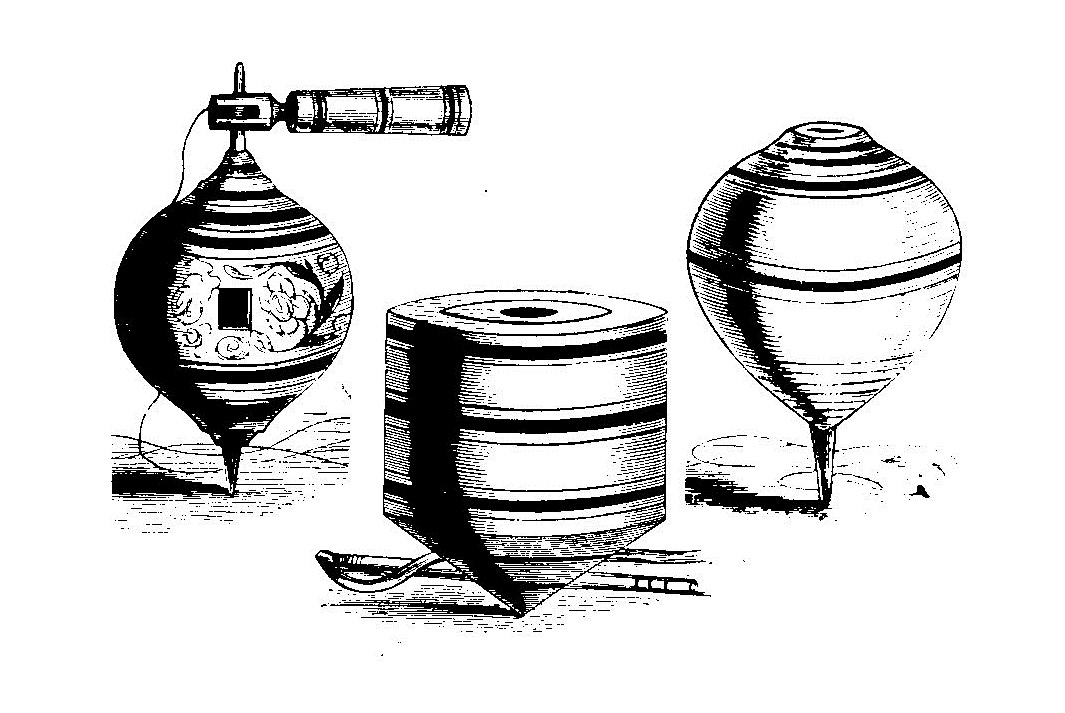
Drawing of three old-fashioned spinning tops.Illustration from
‘Children’s games throughout the year’ 
(1949) by Leslie Daiken.

The Aqueduct of Summer

The Aqueduct of Summer

A mighty bridge delivers, arch on arch,
the elixir of life: the light, the sun.
More yellow blossom blinks beneath each arch.
A milestone stands before arch twenty-one:
Hic aequinoctium, hinc lucis pars.
From equal night and day, the light has won.
This is the aqueduct of summer: March.
Proserpina returns with Phaeton’s run!

Christina Egan © 2016

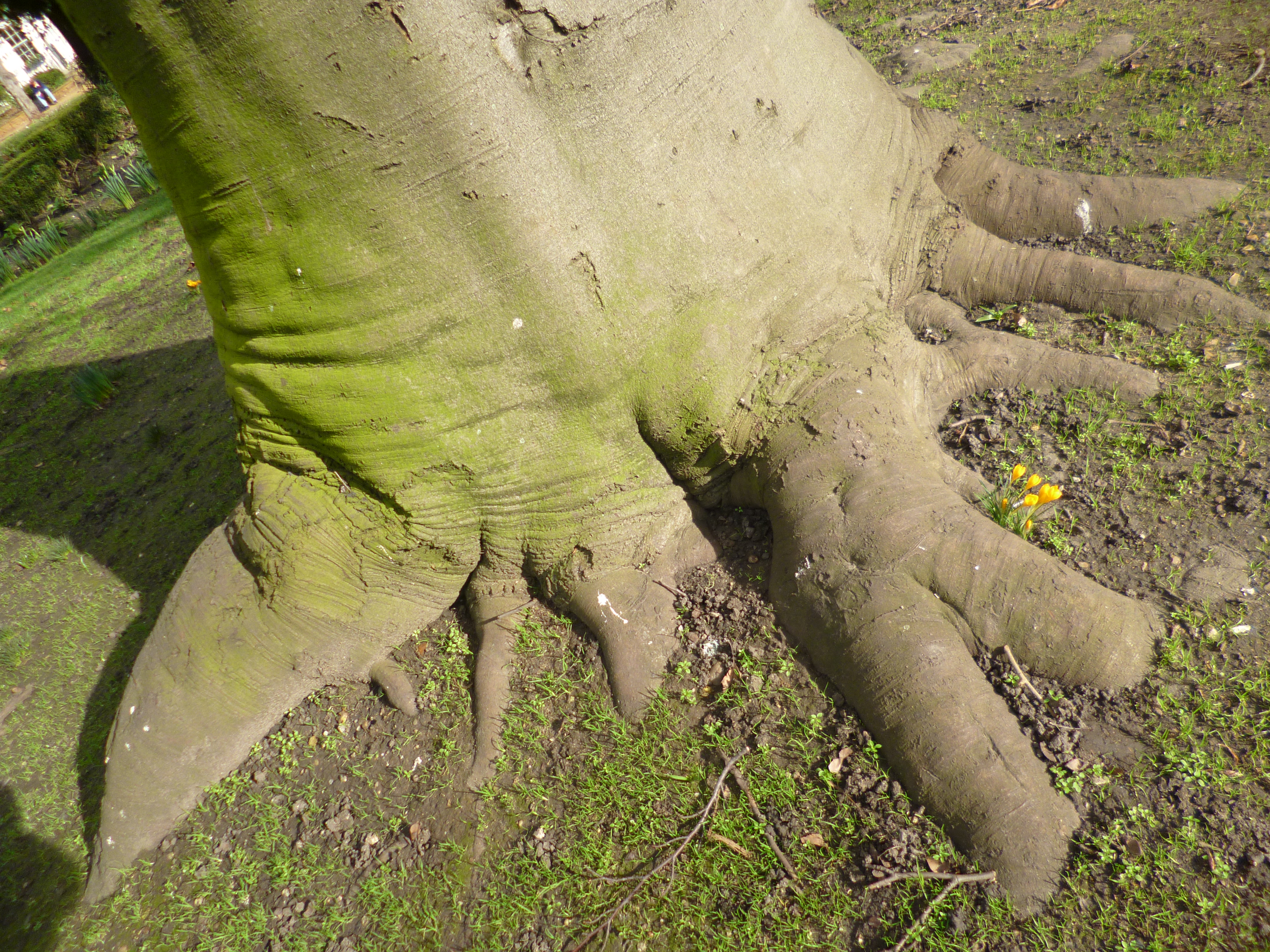
Tiny bundle of yellow crocusses between massive tree roots, with sparse grass around.

Phaeton is an ancient sun god and Proserpina (or Persephone) a spring goddess who returns from the underworld for the duration of summer.

You will find German poems on the spring equinox at Westminster Bridge, Mitte März  and on the autumn equinox at Der letzte Tag des Sommers ist gekommen  and Hält die Waage Nacht dem Tage.

The Latin quotation is made up…!

Photograph: Christina Egan © 2017.

The Spell of Spring

The Spell of Spring

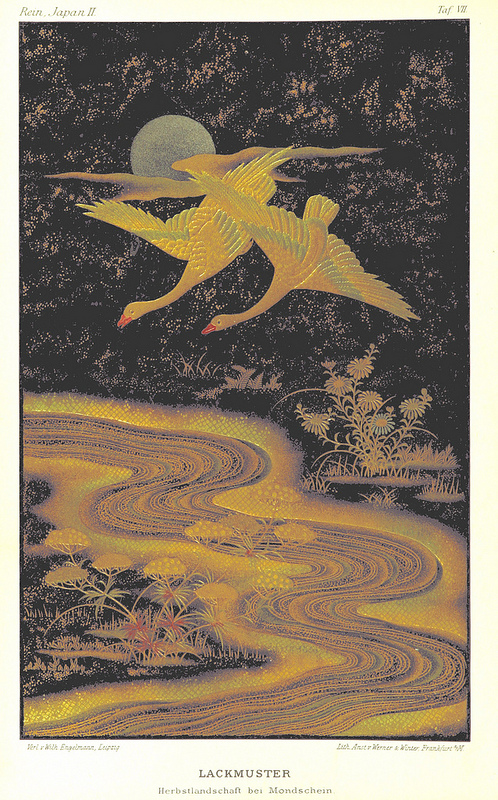
Japanese laquer picture: two flying geese above river in gold, full moon in silver.When seven geese arise and fly
in magic patterns through the sky,
the silver rings of cloud will blush,
the orb of sparse young green glow lush.

When seven geese cry out and glide
from wintertide to summertide,
we’ll pass an arbour like an arch
and be transformed by mighty March!

You have become my you, and I,
your you, and our hearts float high,
when seven geese sail out of sight
into the secrets of the night.

Christina Egan © 2015

Image from: Japan nach Reisen und Studien by J. J. Rein (1881-86). Provided by the British Library through Flickr.

Rhymes / Known

Rhymes

No, our names don’t rhyme well,
we come from far-off lands –
but neither rhyme nor reason
can censor our hands,

those hands that seem created
to grasp the chance, to grasp
each other, tight and quiet,
as if two souls could clasp.

Yes, hills from hills are distant
and can’t wed as they would,
they cannot warp and wander –
but people could and should.

Christina Egan © 2004

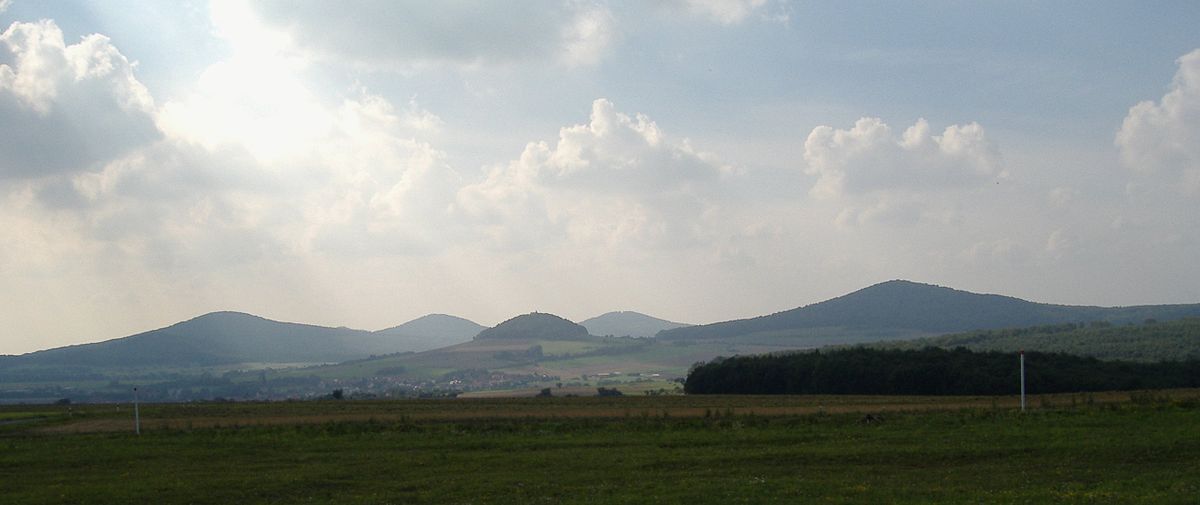
Silhouette of low silver-blue mountain range against silver-blue sky, just like in the poem.

Known

I’ve smelt the rarest rose of snow,
I’ve tasted of the sun’s last glow.

I’ve met you on a cloud-veiled ridge,
perhaps the planet’s highest bridge.

I’d looked out long. And now I’ve seen.
I’ve once been loved. I’ve known. I’ve been.

Christina Egan © 2004


The thought that people, unlike mountains, can get to each other across distances, goes back to a Greek proverb.

Photograph: “Kegelspiel” by N8mahl at the German language Wikipedia. Licensed under CC BY-SA 3.0 via Commons.

The Palms and the Poet

The Palms and the Poet

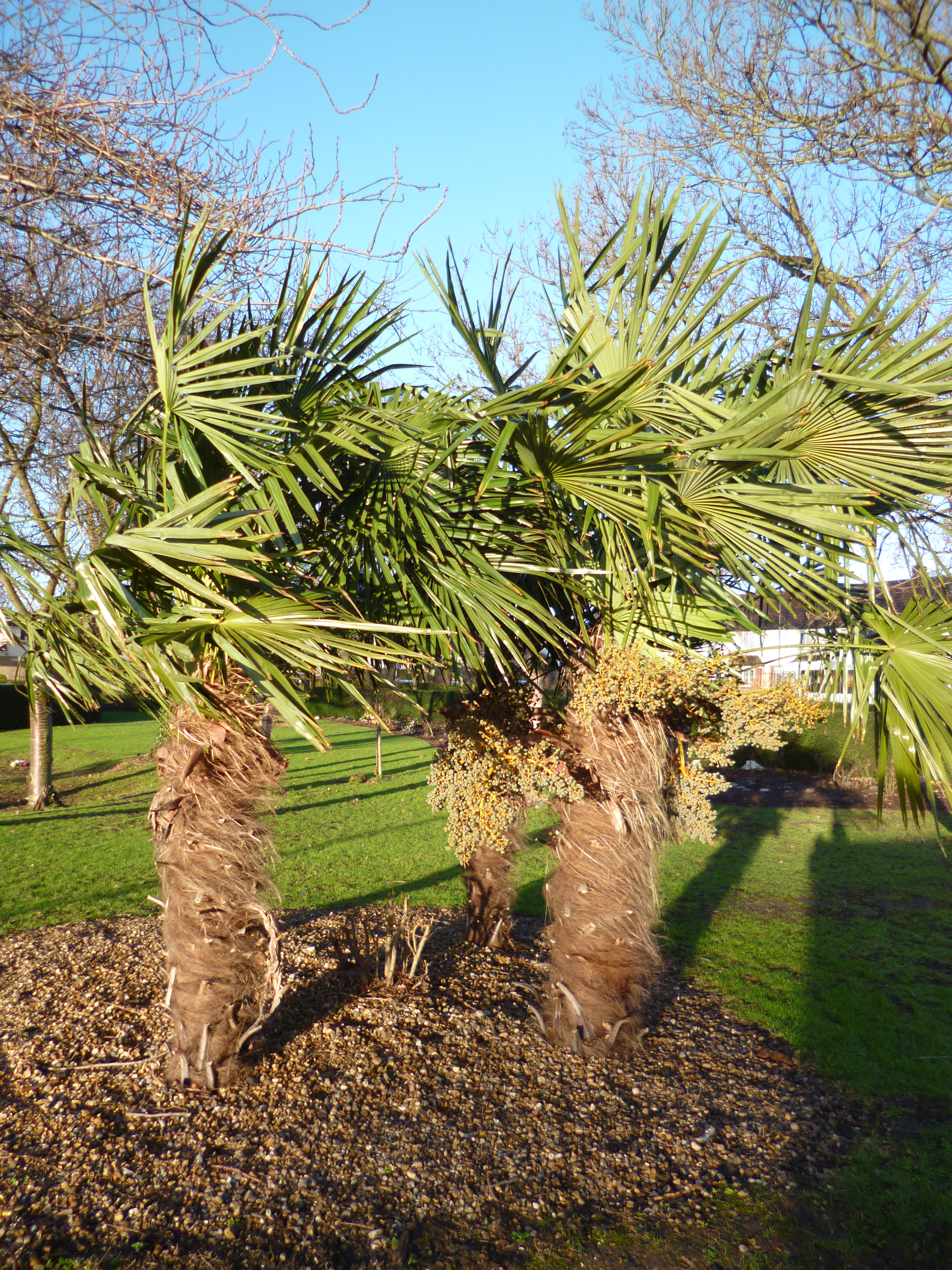
Short sturdy palm-trees, their leaves being blown to one side by a strong wind; blue sky, bright lawn.The palm-trees where the poet lingers
stretch out a thousand feathery fingers
and offer sweetest dates.
The shoulder-high ones’ shining tresses
give to the passing knight caresses,
the tall ones, sprinkled shades.

They weave their silken wings together
to shield him from the weighing weather
and point him to the wells.
He seems to smile, but does not notice
the leaves nor fruits, for in his throat is
a spring of syllables.

Christina Egan © 2005

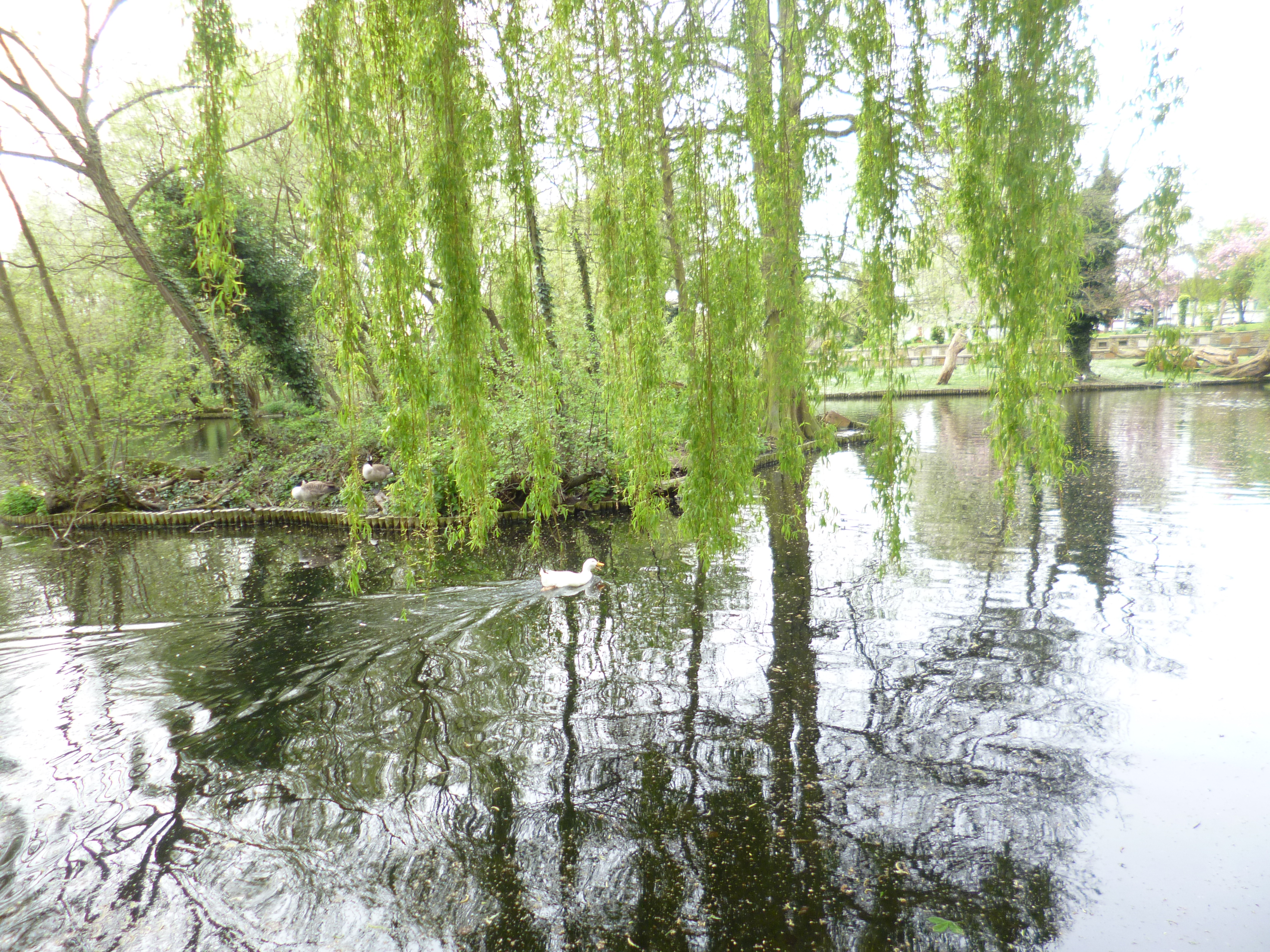
Pond with weeping willow reflected and white goose crossing.


Huge Harp

The weeping willow
is smiling in the sunshine,
dancing in the wind.
You sit by the pond beneath,
as if inside a huge harp.

Christina Egan © 2017

The tanka’s image of the poet beside a large harp or lyre, as if he were sitting inside, was inspired by stained-glass windows or illuminated manuscripts showing King David performing the psalms he is said to have composed.

Photographs: Christina Egan © 2014 / © 2018.

If Only It Could Happen

If Only It Could Happen

If only it could happen
More real than before
If only it could happen
Once more, oh, just once more

More than a memory
There never to return
More than a fantasy
There never to be born

If only it could happen
More real than before
If only it could happen
Once more, oh, just once more

More than an accident
From sadness or despair
More than an overspend
Of pity or of care

More than a fairground ride
Of wild delight, distress
More than a mounting tide
Of wandering tenderness

If only it could happen
More real than before
If only it could happen
Once more, oh, just once more

If only it could happen
And swallow up the past
If only it could happen
As lasting as it’s fast

If only it could happen
As lasting as it’s fast

More than a flower, gay,
Unfurling just to die
More than a night, a day,
A lonesome lullaby
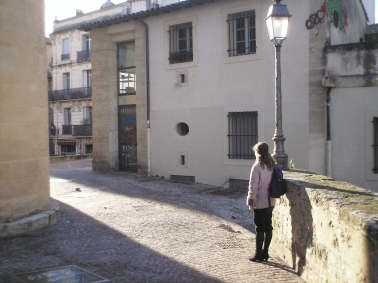
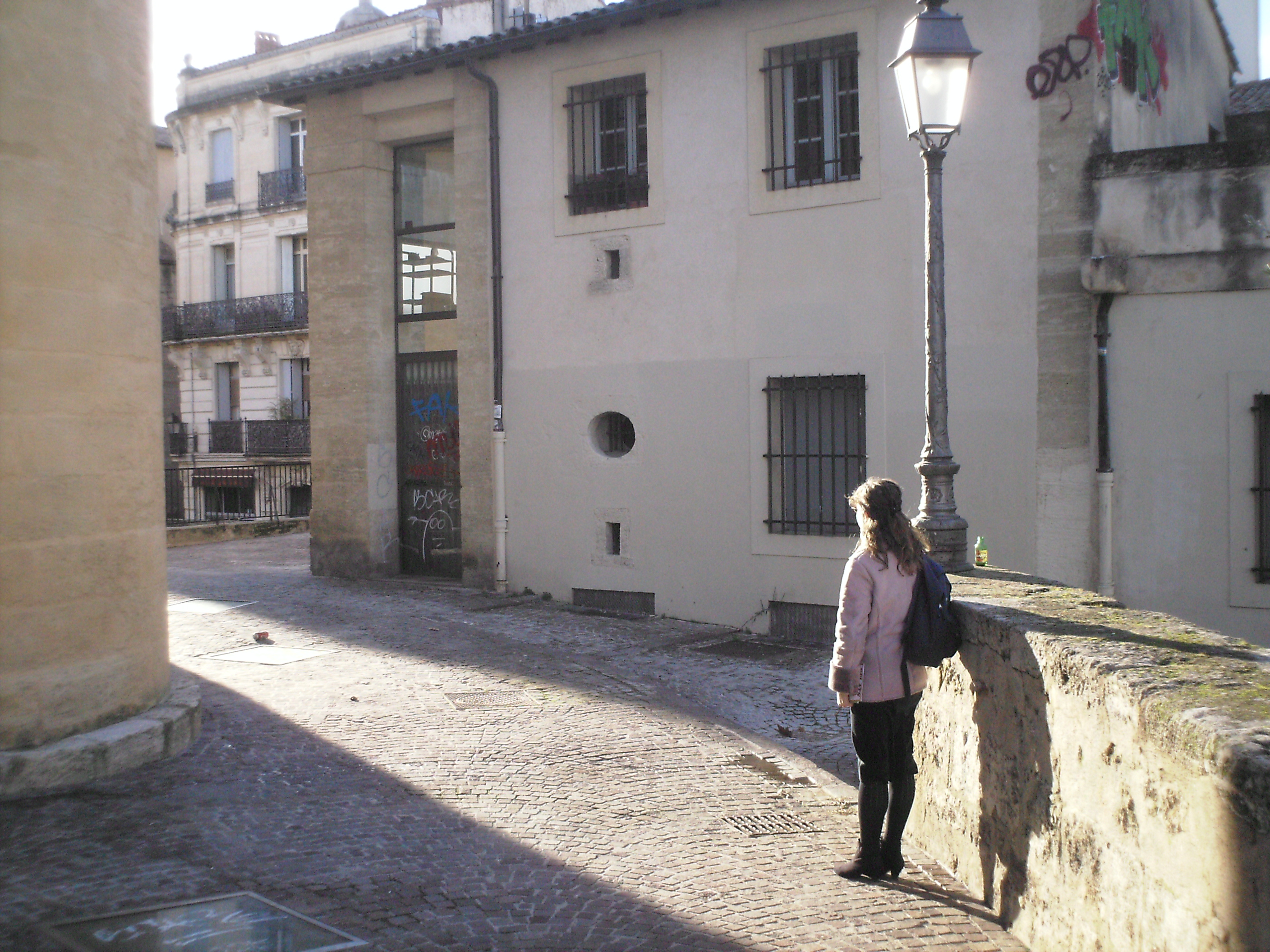
Woman in winter clothes waiting under lantern in sunlit lane.

If only it could happen
More happy than before
I think I’ll let it happen
Once more, oh, just once more

I think I’ll let it happen
Once more, oh, just once more

Christina Egan © 2006

Photograph: Montpellier, France, in midwinter. Christina Egan © 2010.

Eat the World (When you get older)

Eat the World

When you get older,
you want to eat the world
for breakfast.

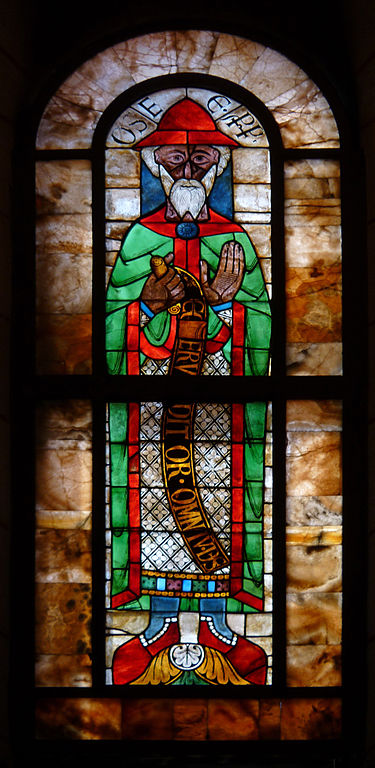
Colourful ancient glass window, prophet in red hat, red shoes, green cloak.When you get older,
you want to consult the radiant prophets
in the high sky-blue windows,
to soak up the tranquil cathedrals
of soaring silvery tree-trunks,
before the acid turns all of this
into sooty ruins.

You want to sprint to the station tonight
and jump on the train, shooting
through tunnels, under the city,
under the ocean, under the mountains,
through to the other side of the earth!

You want to slip into sleek capsules
to float up slopes, up skyscrapers,
up cliffs, up lighthouses,
up towards the clouds and
through the clouds!

When you get older,
you feel as if you could almost fly
into the sun already.

Christina Egan © 2017

Photograph: Prophet Hosea, window in Augsburg Cathedral, around 1100. By Hans Bernhard (Schnobby) (Own work) [CC BY-SA 3.0 or GFDL], via Wikimedia Commons.

Hollow Oak / feuerrad

Hollow Oak
(Anglo-Saxon spell)

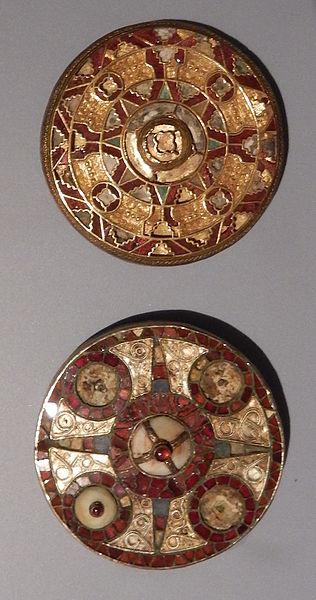
Two round brooches with circular ornaments in gold and garnet, also glass and shell.Under the circle of branches,
under the tent of the tree,
inside the ring of the brambles,
sit on the roots with me!

Sit on the roots emerging
under the perfect round,
crouch by the tree-trunk surging
hollow from hallowed ground.

Under the circle of oak-leaves,
under the tent of the sky,
blue like the lakes in the valley,
come and sit closer by.

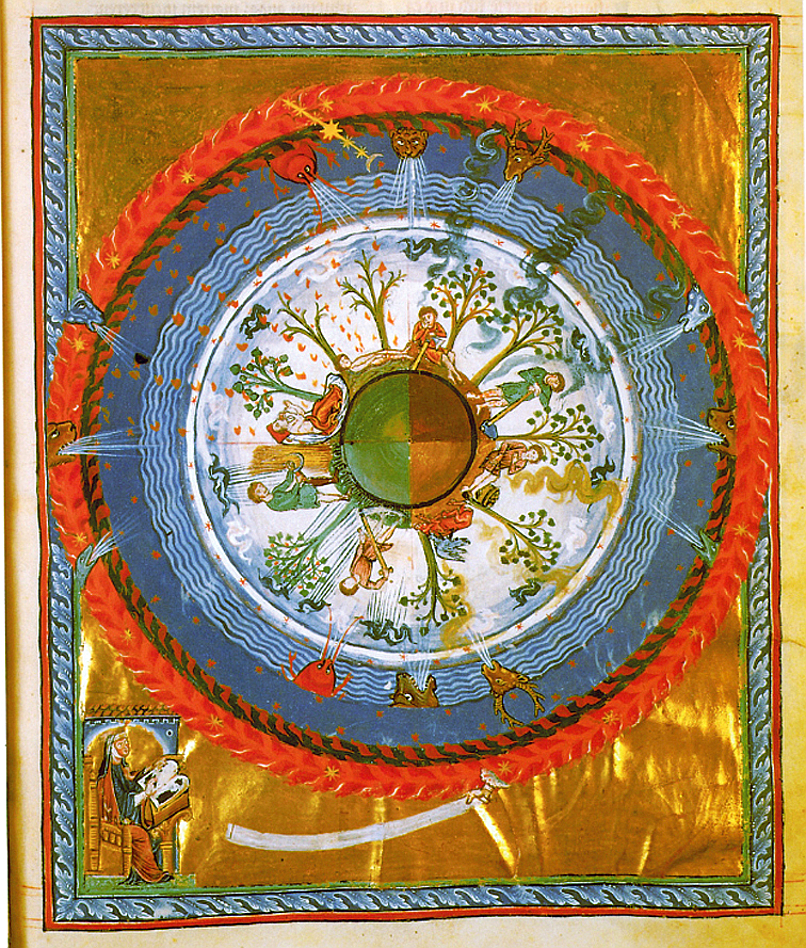
Very bright painting of the earth and universe in concentric circles on a golden background.Sheltered by tangled brambles,
held by the hollow oak,
tingled by ancient prayers,
kiss me and kindle hope!

Christina Egan © 2018

(Epping Forest, Essex)

feuerrad

das eichenlaub vergeht in goldesglanz
als sich das feuerrad der sonne senkt
die eiche hebt die wurzeln wie zum tanz
indes sie ihre hundert äste schwenkt

der eichenstamm rotiert als starke nabe
in jenem reigen zwischen tag und nacht
sein hohlraum bildet eine honigwabe
vom drachenzahn des brombeerstrauchs bewacht

die eiche streckt sich stolz am waldessaum
der sich zum wasserreichen tale neigt
wie gold und kupfer loht der alte baum
der tagstern sinkt das mondrund aber steigt

Christina Egan © 2018

(Epping Forest, Essex)


Illustrations: Anglo-Saxon disc brooches. Author: BabelStone [CC BY-SA 3.0], from Wikimedia Commons. — 12th century depiction of the world, illustrating a work by 11th century author Hildegard of Bingen.

The Odd Word

The Odd Word

In this noise this dust this waste
of the traffic the toil
the relationships the part-time
part-heart commitments
the remorseless rap from the radio
the news of murder and treason the trash
worth millions of dollars the scraps
of subtle philosophy the divine
passionate percussion solos
something went missing
and the problem is
we don’t miss it.

In a café full of words and music
like lightning
somebody mentions Hölderlin
(a poet who went mad
after they had treated him
in a lunatic asylum)
and I remember his odd expression
‘the God’
odd isn’t it
‘the’
must be Classical Greek
I’ll clarify that.

Christina Egan © 1998

The phrase ‘words and music’ allude to 
a poetry event where I met my partner!
At a later reading, I presented this poem.