Parkbank im Herbst

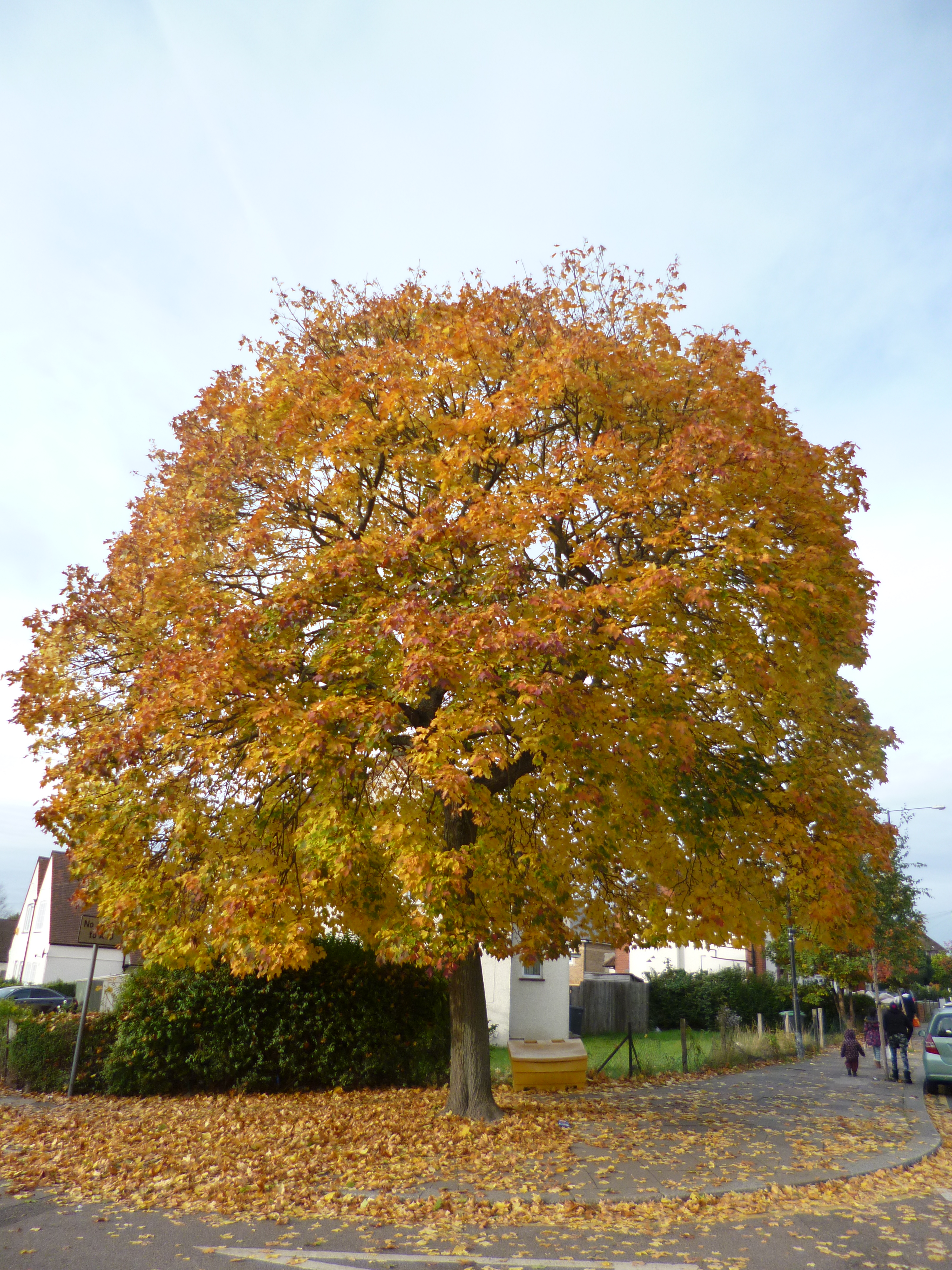
Autumn colours: tree with bright orange leaves, some fallen onto the ground.Parkbank im Herbst

Glühend hängt im Geäst,
welches sich klaglos entblättert,

das hehre Gestirn,
blendend und fern,

ein verspäteter König
ohne Gefolge rosiger Wolken… 

Und ausgeschnitten  aus den Schatten
ersteht ein Geviert von jauchzendem Glanz!

Christina Egan ©2008

Photograph: Christina Egan ©2016.

Buntbetupft

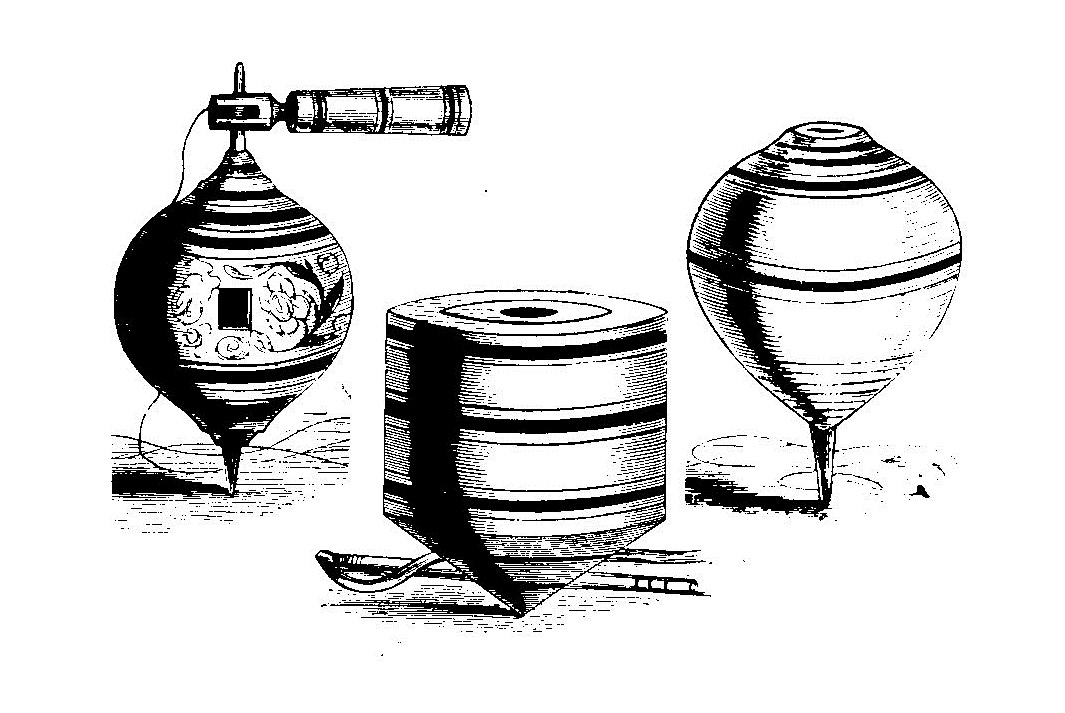
Drawing of three old-fashioned spinning tops.

The shape of the poem emulates two children holding hands and whirling around, or two spinning-tops…

Illustration from ‘Children’s games throughout the year’ (1949) by Leslie Daiken.

rosengarten (I. tiefversteckt)

rosengarten

I. tiefversteckt

wieviele monde sind uns noch beschieden
die ungeahnten sonnenglanz vergießen
wieviele rosen werden uns noch sprießen
aus blut und duft als wäre leben lieben?
wieviele strände dürfen wir genießen
im wilden norden und im kargen süden
wo winde endlos sich mit wellen wiegen
wieviele sommer sind uns noch geblieben?
du bist der tiefversteckte rosengarten
den ich nach langem suchen langem warten
betrübt doch immer hoffnungsvoll betrat.
du bist der mond der gleich der sonne leuchtet
du bist die brandung die den sand befeuchtet
du bist die erde wie am ersten tag.

Christina Egan ©2023

This sonnet forms the basis of a cycle of 14 poems, whereby each line furnishes the first line of a new sonnet (Continental pattern). Watch this space for the rose garden project (ROSENGARTEN).

This cycle is not about gardens alone or about islands, although many far-flung places will be reflected in these lines: it is about finding love and happiness, going through life together, finding liveable spaces…

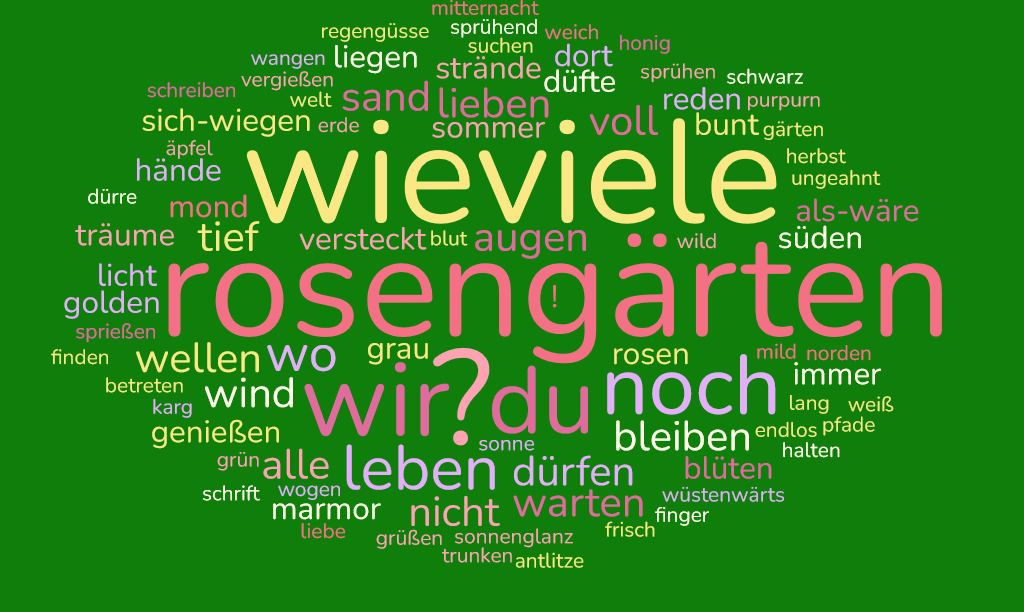
Word cloud in reddish and yellowish colours on green; in the middle, "how many" "rose gardens", and a question mark.

Word cloud of ten German sonnets (rosengarten I-X),
generated on the Simple Word Cloud Generator.
In the chance arrangement, words picked out
by size and colour form the sentence:
“how many rose gardens where we,
(O) you, may yet live?”

P.S.:
You can now view a word cloud of all 14 sonnets at WordItOut
and have it printed on a mousemat or mug or fridge magnet!

Sonnwendfeuer

schweben und leben…

schweben und leben…

ich bin der schmetterling
der hoch am himmel hing

und flimmerte
und schimmerte

so daß der mensch der unten stand
als dunkler punkt im bunten park

den kopf hob und verwundert fand
wie hell die welt sei und wie stark –

wie klein er sei –
wie weit und frei

mein winziges und kurzes leben
in dem ich jubeln darf und schweben…

eben
leben…

Christina Egan ©2020

*

Peacock butterfly, its bright-red and patterned wings spread out against a delicate green and white plant.

What makes these musings verse is sound, rhyme, and rhythm. To read aloud!

*

This poem was published in the Münsterschwarzacher Bildkalender 2023, on the back of this beautiful image. (Photograph: Peacock butterfly. kie-ker via Pixabay.)

*

It was inspired by a poem by Josef Haselberger. We have written and exchanged
poetry for a very long time. I have several friends who are poets, and so does he.

Frühlingsanfangsvorfreude

Frühlingsanfangsvorfreude

Das Spiel des Lichtes und das Spiel der Winde
auf goldnem Haar und goldnem Mauermoos,
die Käferlandschaft rauher brauner Rinde
und große Schmetterlinge, schwerelos…

Hundertmal dieselbe Runde drehen,
wenn zuletzt die Lebenskraft verfällt,–
aber nie hat man sich sattgesehen,
nie am Erdkreis noch am Himmelszelt!

Blaue Gaukeleien: Himmelssplitter!
Feuerfarbne Falter: Funkenflug!
Vogelchor, Geläute und Gewitter,–
niemals trinken Aug und Ohr genug.

Christina Egan ©2023

The title means “Looking forward at the beginning of spring” in one word: “spring-beginning-forward-joy”! A poem about old age, full of hope and zest. It was written on spring equinox, after a walk round the block with a very aged person. Poignantly, soon after, the person grew too weak for walks.

The Komodo Dragons

The Komodo Dragons

The roots of the forest are trembling,
the branches are frosted with fear.
The jeeps and the tanks are assembling.
The komodo dragons are near.

Their skin’s like the ice on the river,
they graze and they raze all that breathes.
The roofs of the cottages shiver.
The earth has gone silent. She grieves.

The earth has lost too many children
before the full moon could return.
The komodo dragons are grinning.
The roofs of the cottages burn.

The stable aflame and the steeple –
the ice on the river now thaws.
This is not the war of the people.
This is the triumph of the jaws.

Christina Egan ©2022

This poem was published (as The Comodo Dragons) in the Haringey Community Press (circulation 15,000) in May 2022.

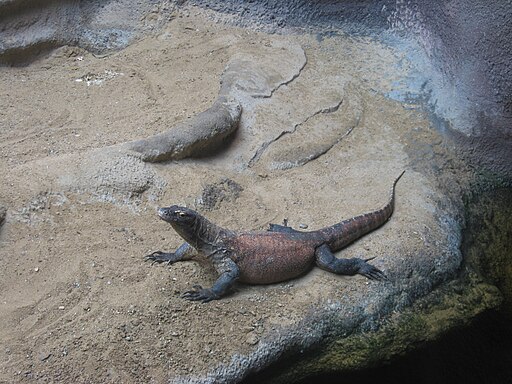
Photograph: Dezidor, CC-BY-3.0, via Wikimedia Commons.

Komodo dragons got their name because they appear to be mythical creatures, but are real animals, huge lizards which can devour their prey almost without trace.

Two years ago today, the Ukraine was brutally attacked by the military machinery of another country.

When we fear with and grieve with the Ukraine, there are always echos of the Second World War, the First World War, and other wars. My verse is influenced by the famous sonnet Andreas Gryphius wrote in the midst of the Thirty Years’ War, Thrähnen des Vaterlandes / Anno 1636 (Tears of the Fatherland).

A Speck in the Dark

A Speck in the Dark

Grey buildings, grey branches,
black streets in the rain…
Dark coats and pale faces,
white sky yet again.

Drained off is the rainbow:
there’s shade and there’s rust.
Smudged world in the window,
and noon feels like dusk.

There: sunrise is flashing,
an orange-red spark,
with sky-blue unfolding –
a speck in the dark!

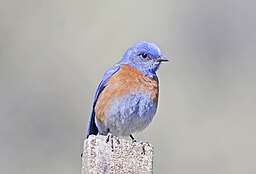
Western bluebird, Washington State. Photograph: Vickie J Anderson. CC BY-SA 4.0 via Wikimedia Commons.

The bluebird’s alighting
on quivering twigs;
the buds were awaiting
a signal like this!

The bluebird is glowing,
alive and alert,
and colours are brewing
in heaven and earth.

Christina Egan ©2018

Still Here (Still striding)

Still Here

Still here:
still striding into the drizzle
across the buzzing roads
and straight across the green
with my hair getting frizzy
and my eyes getting dazzled
by the purple orbs
on the tale pale thistles

Still off-screen:
mounting the white cliff
of the sky-scraper
with my own eyes
still off-air
echoing the whistle
of the lime-green parrot
with my own voice
still off-map
facing the buffets
of the wilful winds
with my own face

Still no gloss
on top of the gloss
still no sheen
on top of the cream
upon the click of a button
the command of a machine

Still here:
still pounding
the moistened pavement
with my own feet
still brushing
the sparkling bush
with my own hands
still whispering
some half-rhymed lines
with my own lips

Christina Egan ©2023

Abstract painting of bright squares and rectangles in blue, green, orange, and yellow tones.
Paul Klee: Polyphony (1932). Kunstmuseum Basel.

Der Nebel hebt sich

Der Nebel hebt sich

(Schloß Fasanerie bei Fulda)

Der Nebel hebt sich,
und der Rauhreif auf den Weiden,
feine Spitze, glitzert auf.

Aus dichten Fichtenschirmen sprühn
kapellenglockenhelle
Stimmen ohne Zahl.

Ein Vöglein folgt, dort oben, sieh,
mit dunklen Flügeln, gelber Brust,
ein Sonnenstrahl!

Ein niedrer Wolkenstreif muß weichen,
und der bleiche Mond, des Dunkels Geist,
desgleichen.

Der ausgelaugte Himmel blaut,
der federnd-feste Boden taut,
gurgelt und gärt…

Noch wehrt der Winter sich,–
bezwungen ist er schon.
Die Erde atmet wieder tiefer…

Und wer nur auf den Hügel steigt
und schaut und hört und spürt,
kriegt neue Kraft und Lust!

Christina Egan © 2017

A new poetic form: three lines in each stanza, with irregular lenght and irregular rhymes — but each stanza having ten stressed syllables, with one unstressed syllable in between, making the flow of the language regular, natural and musical at the same time!

The poem was written on February 14th. The Rhön mountains have a harsh climate with long winters characterised by cold and snow and fog. All the more is spring welcome, even the early signs of it…