gesternmuster / Zeit-Räume

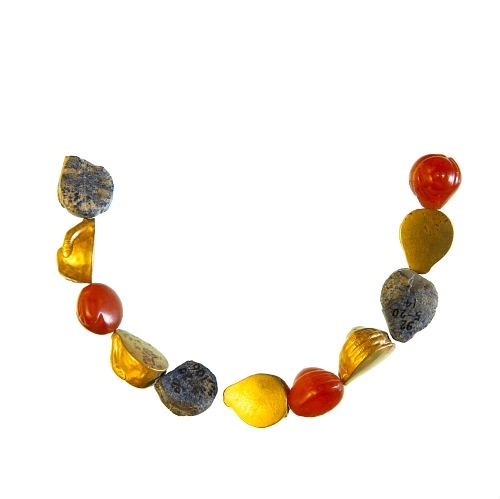
A dozen beads of gold, lapis lazuli, cornelian.gesternmuster
(Knossos)

die kolossalen säulen
der stolzen pinien
jener erhabene baldachin
der schutz vor der sonnenflut bietet

die schwarzen weißen blutroten pfeiler
im heiteren palastlabyrinth
jene flecke in einem gesternmuster
das jahrtausendealt ist

Christina Egan © 2016

This is a translation of The pattern of a yesterday . At that post, you can find some photos and a link to an artistic impression of the palace 3,500 years ago.

Photograph: Minoan beads from Crete in gold, lapis lazuli, cornelian, ca. 1700-1500 BC. – © The Trustees of the British Museum.

Zeit-Räume
(Knossos)

Terrassen, Treppen, rote Säulen
zwischen himmelhohen Bäumen,
Marmorschwellen, rote Wände,
um die Ecken neue Treppen…

Wie im Traume muß man wandern
durch die Höfe, durch die Säle,
durch die Wärme, durch die Kühle,
still von einem Raum zum andern…

Schlanke Bäume, schlanke Menschen
stehn vor heitrem Himmel drinnen
in den buntbemalten Zimmern
heute wie vor tausend Jahren.

Keine Läden vor den Fenstern,
in den Türen keine Flügel,
keine Grenzen zwischen Innen,
Außen, Unten oder Oben,

keine Pforten zwischen Heute,
Gestern oder Vorvorgestern
zwischen einem bunten Zeit-Raum
unter Pinien und dem andern.

Christina Egan © 2016

dans le verre / Mother-of-Pearl

dans le verre

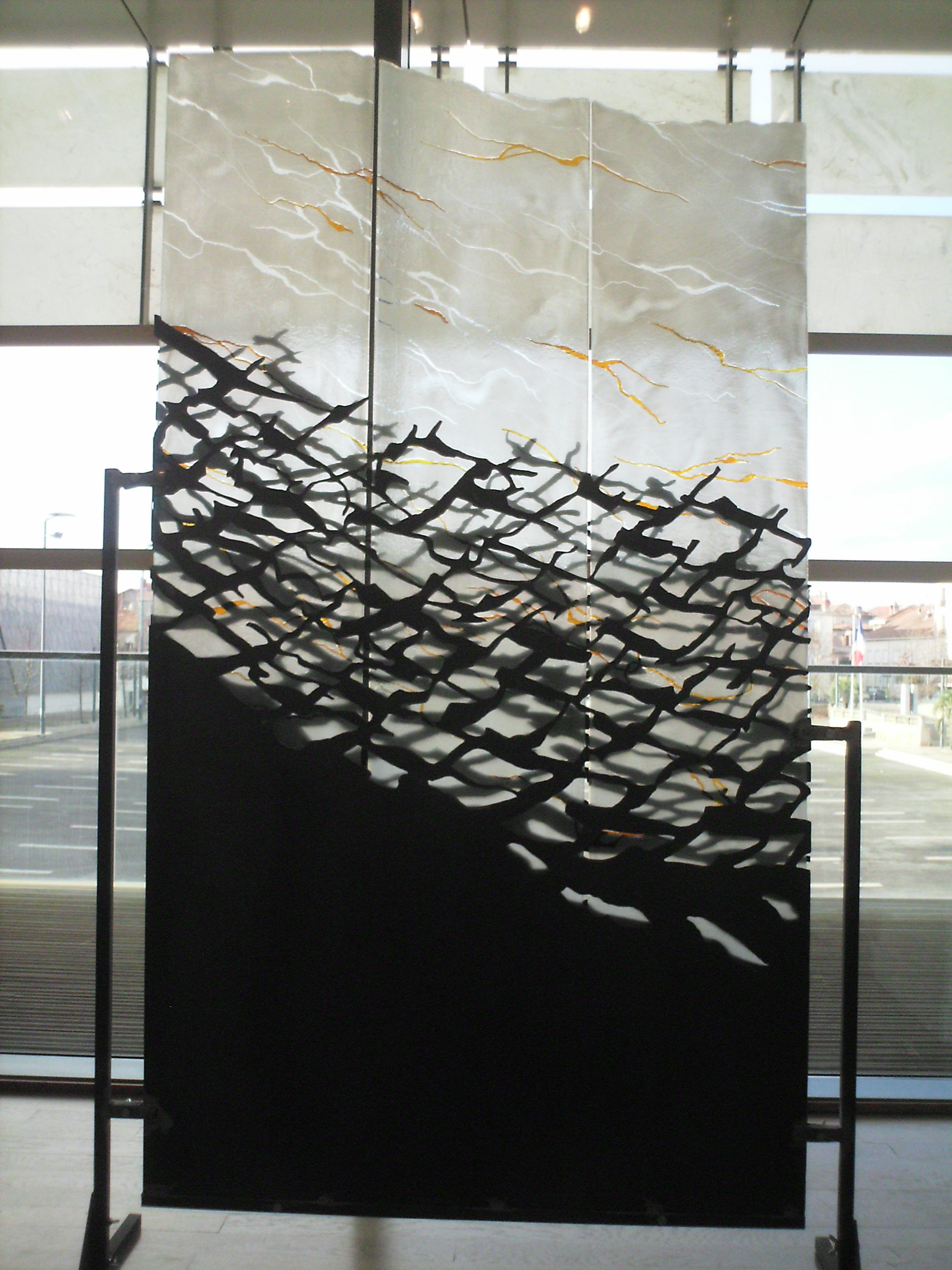
Glass screen with patterns in black, white and gold, resembling surf and seagulls.les couleurs de la mer
sont versées dans le verre
du présent du souvenir
faites-les resurgir

les couleurs de la mer
de l’argent jusqu’au vert
améthyste et saphir
laissez-les reluire

dans ce vers

Christina Egan © 2016


Mother-of-Pearl

The sea is not blue,
no more is the sky:
that is a child’s view,
a picture-book’s lie.

Whenever the rainbow
touches the sea,
it sprinkles a faint glow
of eternity.

From indigo ink,
to raspberry pink,
with peppermint green
and gold-leaf between…

The sea is not blue,
or grey of some hue:
the sea is a swirl
of mother-of-pearl!

Christina Egan © 2016


Photograph: ‘Rhizome’. Sculpture by Laurence Bourgeois (Lô).
Verse pattern of French poem after Jean-Yves Léopold (J. Y. L.).

The Dittany of Crete

The Dittany of Crete

I’ve found the place where red and blue,
where earth and sea and sky all meet;
I’ve even climbed the ashen rock
to pick the dittany of Crete:

to weave a spell about your eyes,
to wake your smiling silent mouth,
to share with you the flaming light
and heavy flavours of the south.

Christina Egan © 2012

Hanging oblong flowers in bright green with bright pink.


The ‘dittany of Crete’ is a rare wild plant, gathered as a flavouring, medicine, aphrodisiac, or love token. I tried it on Crete in a delicious and wholesome tea!

The red colour in the poem could be the pink and orange surf in the sunset, or the pink and orange beaches of Crete. The sea might be bright blue and then again bright green

Origanum dictamnus.
Photograph:
HelenaH via Wikimedia.

Augustfest

Augustfest

August.
Klangvolles,
sattgoldnes Wort,
beinah orangerot.

Abend.
Wort voll blauer Ruhe,
verborgener Kraft
und süßer Verheißung.

Norden.
Ein weites graues Feld
im Winter… im Sommer aber
ein ganz grüner Horizont.

Augustabend im Norden.
Ein Fest ist uns bereitet,
herrlich wie ein Hochzeitstag.
Schau dich doch um.

Christina Egan © 2016


Some more thoughts on the north of the planet… In winter all is grey, sky and land and water alike; but in summer, the world shines in blue and green and golden. This is before you look at the flowers and fruits, and the places and things whose colours show again, and the people who have come outdoors again. Winter lasts six months in Southern Europe, like in the myth of Persephone, but seven months in Central Europe and perhaps nine in Northern Europe… All the more do we enjoy the glories of summer!

This is one of many poems I wrote for my wedding anniversaries in August; I hope plenty of other people will be able to use it for their engagements, weddings, and anniversaries! The little poem I read at my wedding is simply called I Love You.

This is the Northern Land

This is the Northern Land

This is the northern land
of loose and juicy ground
where fern and forest glow
and wheat and fruit abound.

This is the continent
where mound responds to mound
and wind resounds on rock –
this is the home we found.

This is the realm of dusk
and star-embroidered night,
of fog caressing lakes…
and then the roaring light!

Christina Egan © 2013

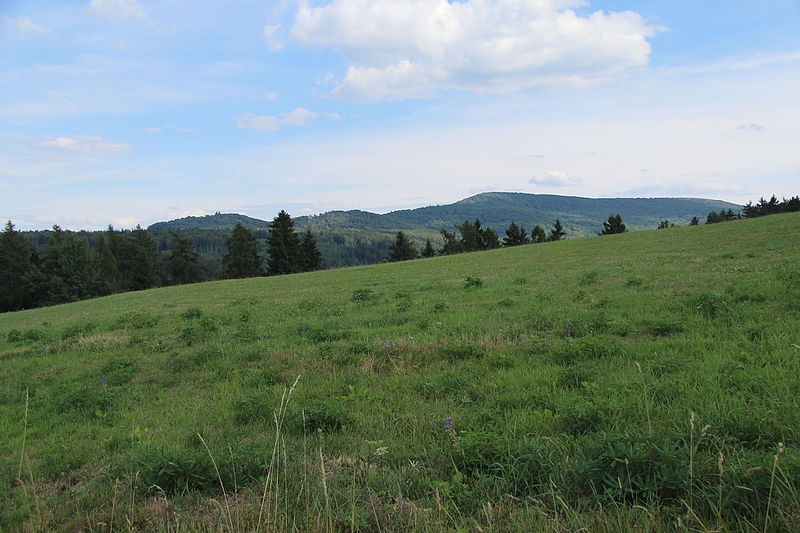
Mountain meadow filling lower half of picture, high trees right behing and mountain range in the distance along the middle, pale blue sky above.

Dammersfeld mountain ridge, Rhön (Central German Highlands).
Two of my great-grandparents grew up with precisely this view. —
Photograph
 by GerritR via Wikimedia Commons.


This poem was inspired by the Czech national anthem, Kde domov muj, which entirely refrains from politics and warfare and mainly describes the lush landscape of Central Europe. The Czech Republic abounds with hills and lakes, forests and fields.

My lines cover the whole of Central Europe or the whole continent (including the British Isles): my home is my region, or my country, or Central Europe, or all of Europe — none more so than the other.

The claim that even those who were born there ‘found’ their land may sound strange: yet their ancestors did immigrate one day, even if it was a thousand years or two thousand ago. No one just grew out of the ground. Moreover, most people are arguably of mixed ethnic origin, in our case, Celtic, Germanic, Slavic, Jewish, Hungarian, and more. No nation is an island.

Views of North Sea Islands

Views of North Sea Islands Ansichten von Nordseeinseln

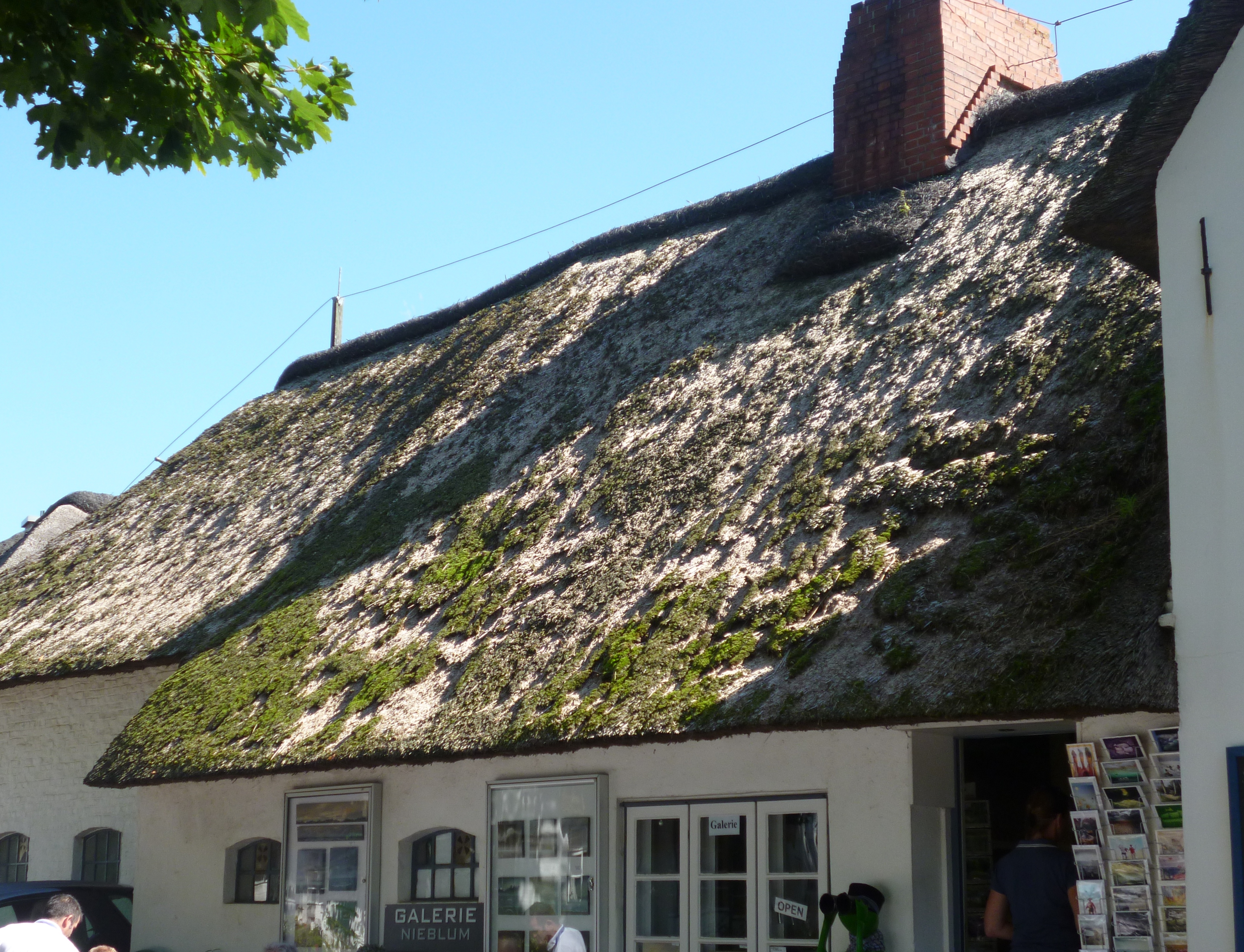
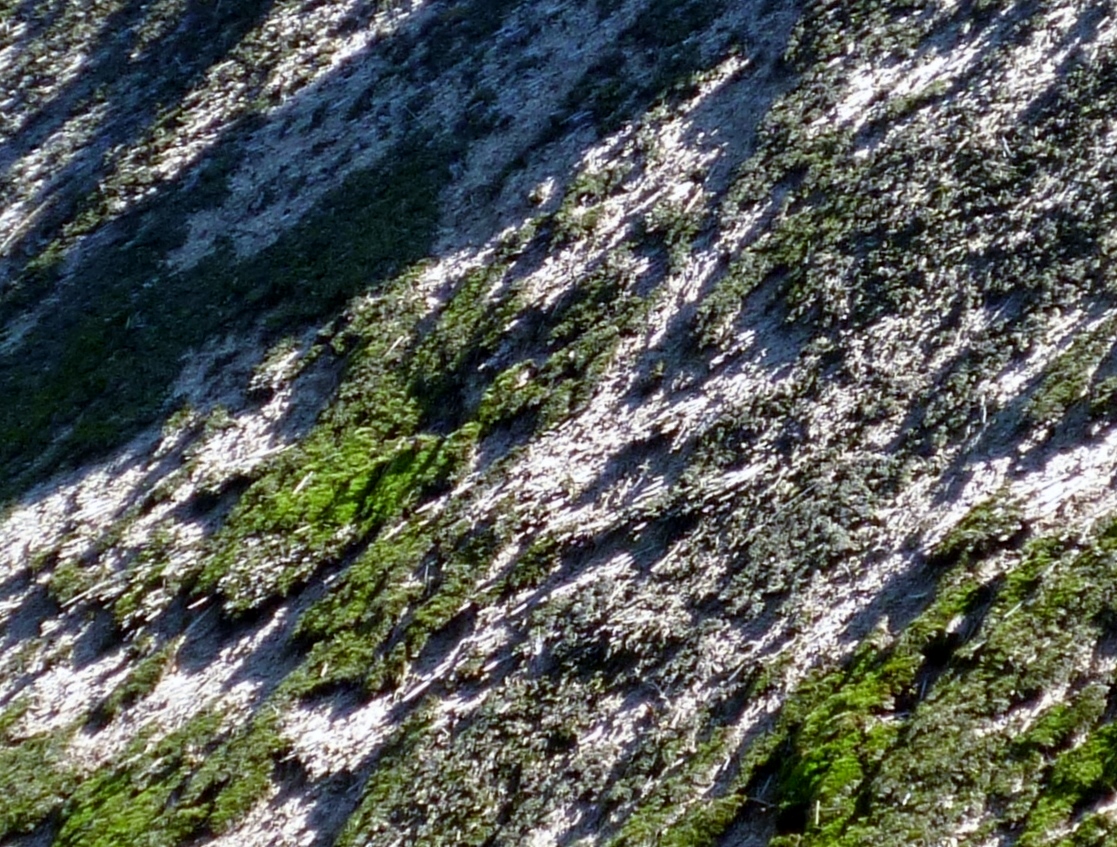
White cottage, steep thatched roof, covered with moss


Thick patches of moss
clustering on rippled thatch
like verdant islands,
like the islands we stand on:
growing in the rough grey sea.

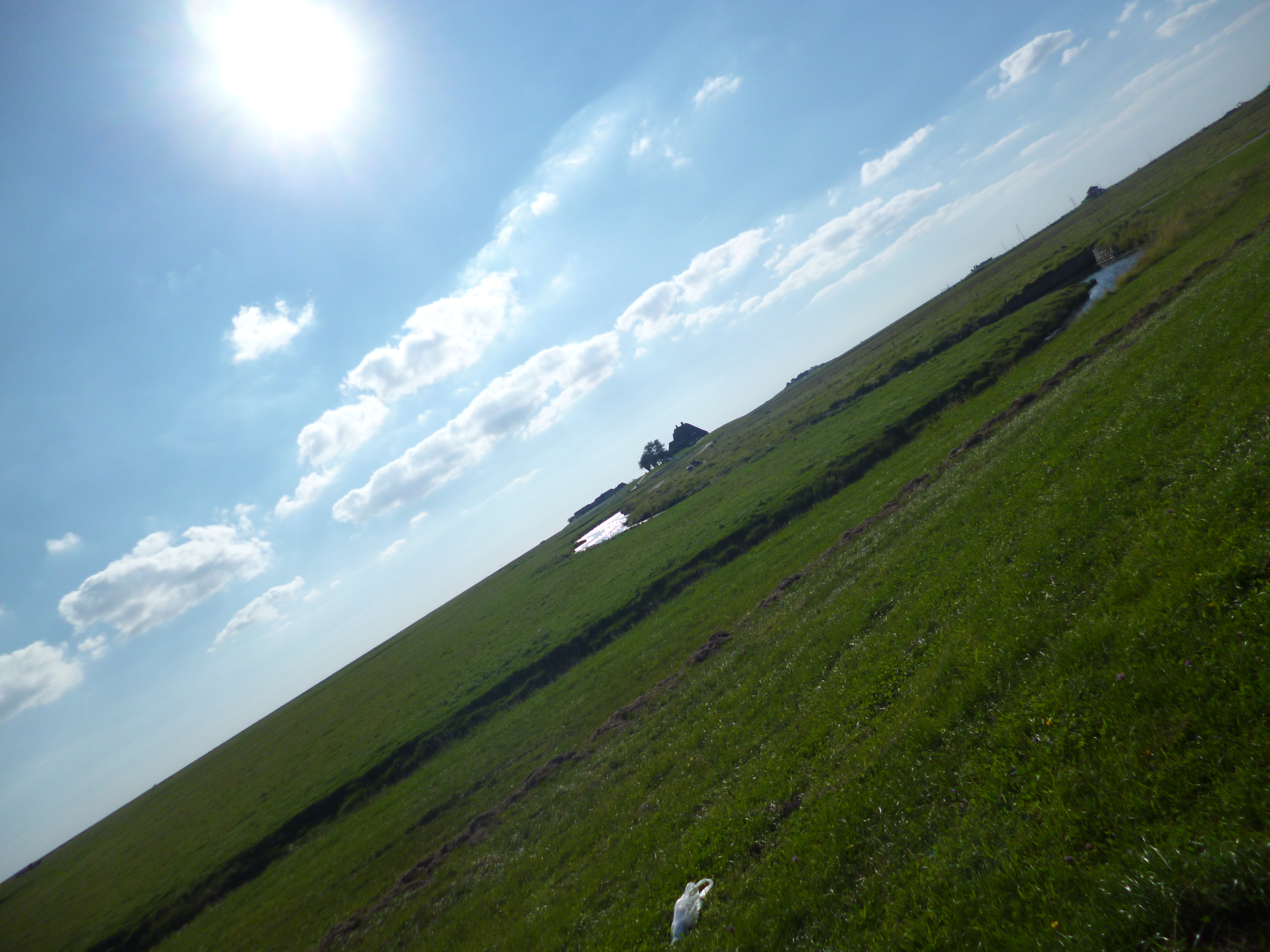
Diagonal horizon, entirely flat between green and blue, with house in middle

Dicke Moospolster
auf dem welligen Reetdach,
gleich grünen Inseln,
gleich diesen Inseln hier,
wachsend im wilden grauen Meer.

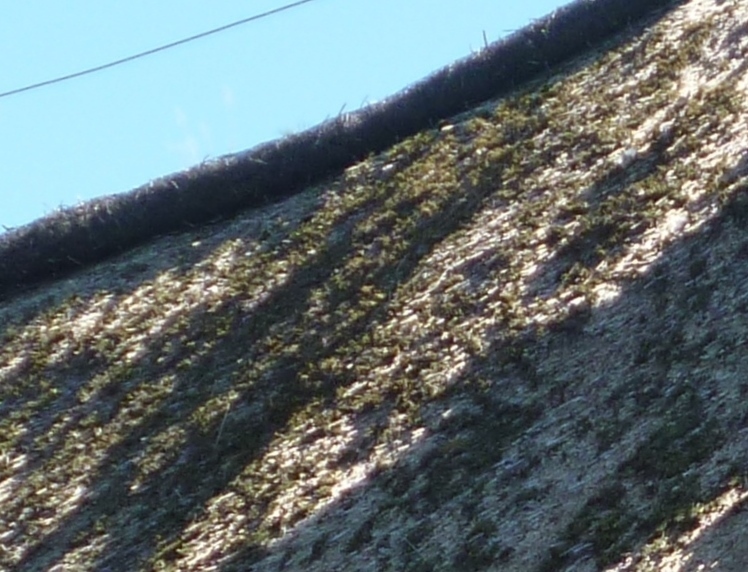
Thatched roof, covered with moss

Red clover blossom:
tiny magenta lanterns
in the green and blue,
feeding on the salty floods
across these flat floating disks.

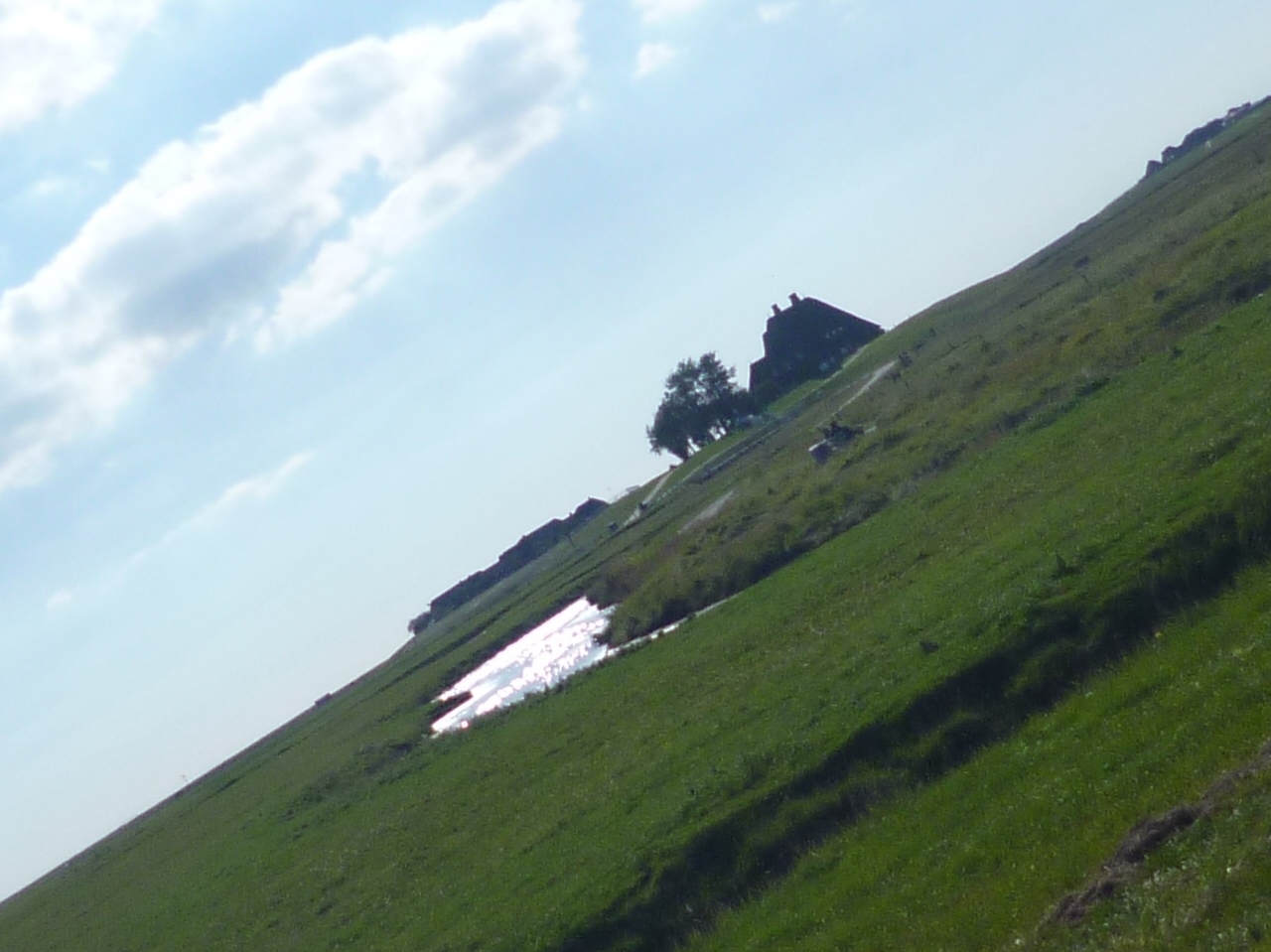
Diagonal horizon, entirely flat between green and blue, with house in middle


Rosaroter Klee:
winzige Laternen
in all dem Grün und Blau,
genährt von Salzfluten
über schwebende Scheiben hin.

Thatched roof, covered with moss


Huge ships approaching,
or space-ships – or are they hills,
or houses on stilts?
They are houses, hamlets, islets…
a necklace of glass beads.


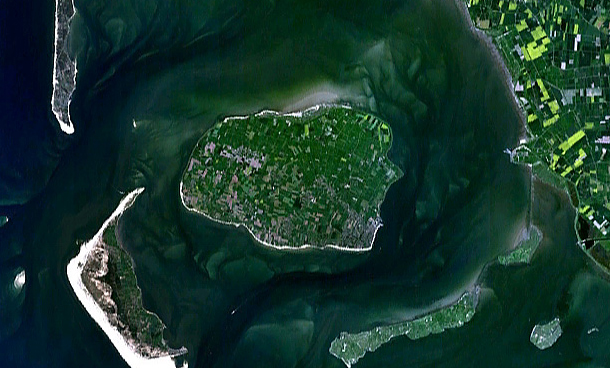
Satellite image of a cluster of small emerald green islands


Da – Riesenschiffe –
Raumschiffe – oder Hügel,
Häuser auf Stelzen?
Häuser, Dörfchen, Inselchen…
eine Glasperlenkette.

English texts: Christina Egan © 2015
German texts: Christina Egan ©2016

Photographs: Christina Egan © 2014
Galerie Nieblum on Föhr; Hallig Hooge.
Satellite picture: NASA via Wikimedia.


From the flat, small, oval island of Föhr, you spot the even flatter, even smaller islands known as ‘Halligen’: their clusters of houses and trees on little dells are visible on the horizon far across the ocean.

The Halligen still get regularly flooded and are occasionally menaced by devastation. All these islands change shape over time, when the forces of wind and water eat away at their edges or add new land.

I wrote about a similar phenomenon observed on the Baltic Sea island of the Darss in Schöpfung (Darß).

Triumphboot des Sommers

Triumphboot des Sommers
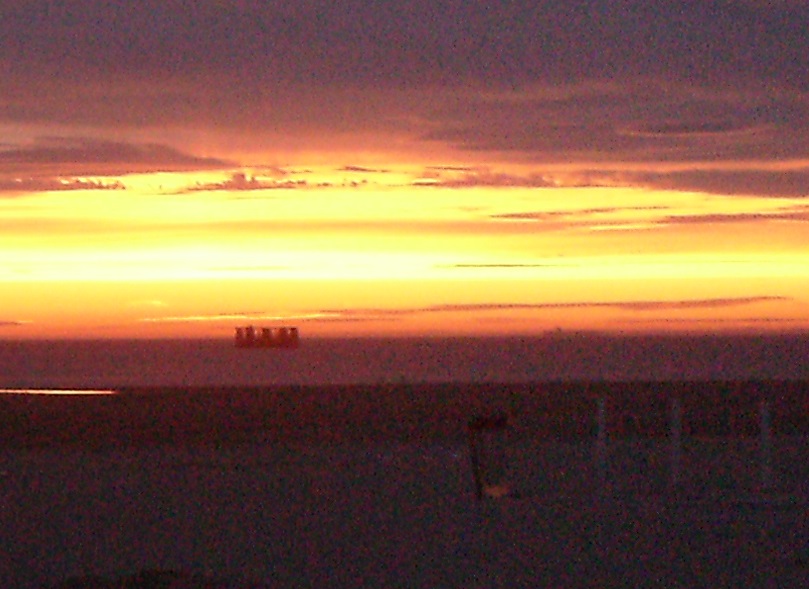
(Chateau de Chillon, Genfersee)

Gesättigt mit Licht
der Spiegel des Sees,
die Glocke des Tals,
der lange Nachmittag
letzter Frische
vor dem bronzenen Sommer.

Hingeschüttet das ganze Geschmeide
der Erde von unter den Wurzeln,
schimmernde Schuppen
auf der Schlange Landes
zwischen Bucht und Gebirg.

Blondes seidiges Licht
fällt in die Fenster der Burg,
tief hinein ins Verlies,
reicht an den rohen Fels;
tastende Fingerkuppen
wärmen die toten Kamine,
die fernen Wände der Säle,
rufen verblichene Sänger herauf
zum zeitlosen Tanz.

Am anderen Ufer
ragen reglos die Segel
der senkrechten Felsen,
bewimpelt mit Wolken,
Triumphboot des Sommers.

Die Stunde der Sonnwende schlägt,
unhörbar,
unumkehrbar,
unzerstörbar.

Christina Egan © 2001


‘Triumphal Barge of Summer’ may work in a translation software. It is a memory of Lac Leman, a vast lake between towering mountains, around summer solstice. One of the most beautiful days of my life!

Ich steh’ im Felde wie der Lindenbaum

Ich steh’ im Felde wie der Lindenbaum

Ich steh’ im Felde wie der Lindenbaum,
im Frühlingswind verloren und im Traum…

Ich schaue auf die blauen Höhn,
die kühn wie Vorzeitbauten stehn.
Ich lausche auf den Vogelsang,
in meinen Adern steigt ein Drang!
Ich schaue auf den Horizont,
von dem mir meine Hoffnung kommt.

Ich steh’ im Felde wie der Lindenbaum,
in Frühlingsnacht verloren und im Traum…

Ich schaue auf die Stadt im Tal
mit Erdensternen ohne Zahl.
In meinen Adern steigt der Saft,
ich streck’ mich mit versteckter Kraft!
Bevor noch süß die Linde blüht,
blüht früh und süß der Linde Lied.

Christina Egan © 2012

The mountain range on the horizon is the Rhön and the city in the valley is Fulda, Germany. There are more lines to this poem to make a song of it: part wistful and part hopeful, part heavy-hearted and part light-hearted!

The phrase ‘Town in the valley’ is echoed in the poem of the same name, Stadt im Tal.

Winter Sunrise in Morocco / in England

Winter Sunrise in Morocco

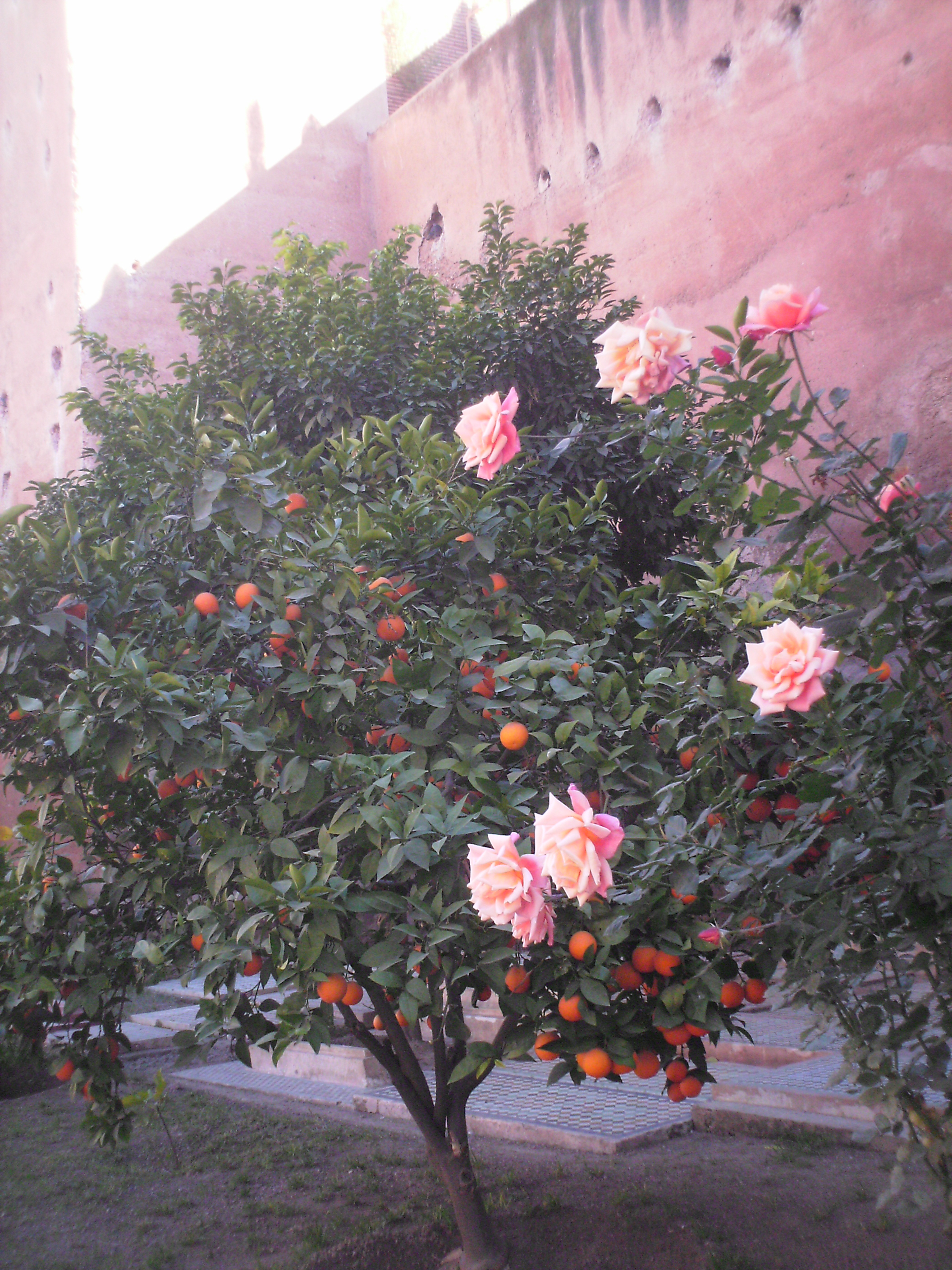
Orange tree full of fruit and rose tree with large roses in front of high pink wallsthe rainbow scarf of the sky
stretched out above the battlements

awesome and unnoticed
by the markets which never sleep

and millions of golden roses
rolled out along the highways

in the carved and inlaid caskets
of the powdery-pink courtyards

strings of peach-coloured roses
clusters of orange-blossom and fruit

Christina Egan © 2012

Photograph: Christina Egan © 2012

You can read a German poem about a Moroccan city at In Marrakesch. The buildings and walls of Marrakesh are pink by law!

Around the turn of the year, I found it warm and sunny by day and pleasantly mild by night. In fact, people were hoping for some rain…

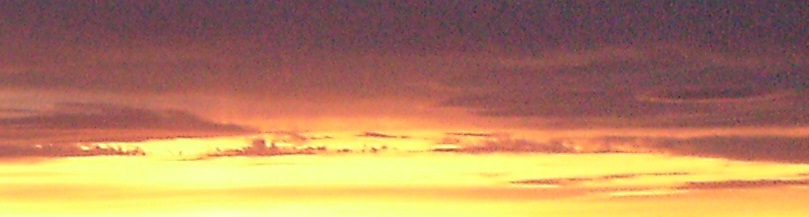
Winter sunrise in England

at the edge of the orb of the earth
a mighty web of finest twigs

painted onto leaf gold
by a master’s hand

and then the blob of molten gold
so bright that it seems to melt them too

like a favour from the heavens
like the face of a god

as if life were possible
one more day one more winter

Christina Egan © 2012

In northern Europe, the winter is so hard that by the beginning of spring, you may feel, even if you are not at all old, that it was the last one you reached.

In Germany, it is cold by day and by night for many months, there is snow and ice, and above all, the nights are long and the days often dull so that you may not see the face of the sun for days; in England, the cold is less bitter, but — which is worse it reaches indoors…

Roof-Tile / Plateau

Roof-Tile
(Béziers)

Lower half shows ancient wall with lichen and moss, upper half houses and roofs with motley tiles

A roof-tile, grooved: a hill, a dell,
in broken ochre, earthy red,
with greenish circles in between;
a piece of world, of time a shred.

And then I see: the whole old roof
is such a patch of orange clay –
the whole old town in weathered brown,
resplendent in a tender ray!

Christina Egan © 2016

Plateau
(Béziers)

Roof with motley tiles - Detail of above photo

Life is a gnarled and narrow hill,
so steep as scarcely to be climbed:
you scramble, stumble, slide or fall,
you stay below, you stay behind.

Then opens, through a hedge or wall,
a gap, a gate, an avenue,
a whole plateau, a spilling well,
a plain beneath your startled view!

Christina Egan © 2016

Round basin in park, with trees, houses and statue mirroredTwo views from the ancient city of Béziers in France, which is piled up
on a couple of steep hilltops: the first view is from
the Cathedral tower; the second, from the park called Parc des poètes / Plateau des poètes.

Well… the respite after struggles and setbacks might be found in enjoying or creating art — or in life itself!

Old Town of Beziers, with red roofs dominating, landscape round horizon.While getting lost and strained in the lanes of Béziers reminded me of nightmares, exploring the Cathedral like a giant Crystal Rock  induced me to create the word ‘lightmare’!

Photographs: Béziers from the Cathedral roof ; Parc des poètes. Christina Egan © 2016