The Lavender’s Splendours / dachterrasse

The Lavender’s Splendours

On brittle grey walls,
find brittle grey sheaves
on wire-thin stalks
with tired long leaves…

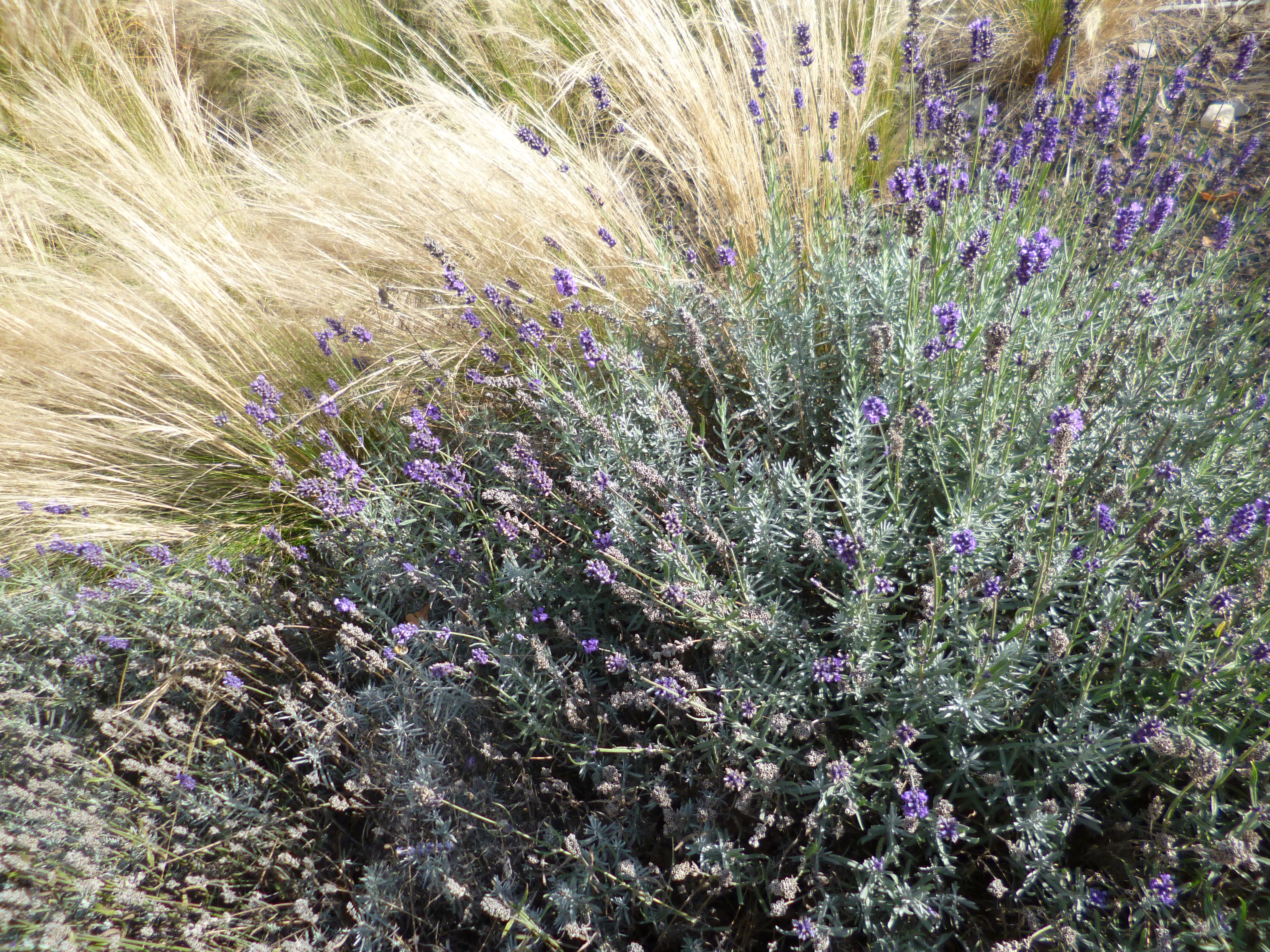
Lavender with fresh and wilted blossom, next to pale-golden grass.

The lavender’s splendours
of indigo spikes
are ashes and embers:
dull grey with mauve lights.

Yet grasp its pale grains
and grind them to flakes –
and dazzling white flames
will rise when it wakes!

Christina Egan © 2016


dachterrasse

dachterrasse
traumgehege

der straßenkreuzung den hinterhöfen
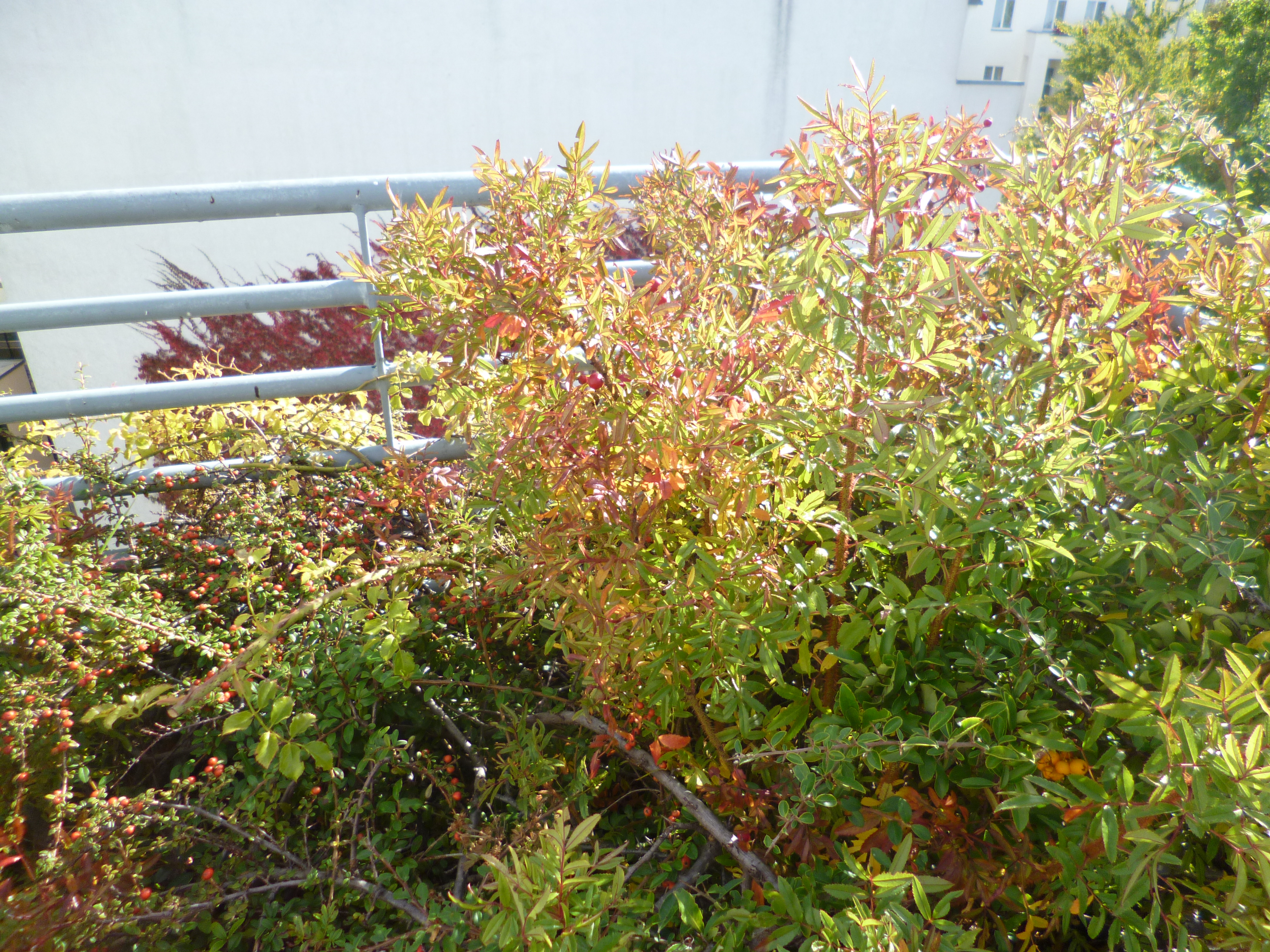
den baustellen enthobenShrub with bright-red berries on a roof-terrace, with deep-red ivy below.

lavendel und rosen
wuchern und welken

der feuerdorn verheißt
lautlose feuerwerke

Christina Egan © 2016

Photographs: Christina Egan © 2016

gesternmuster / Zeit-Räume

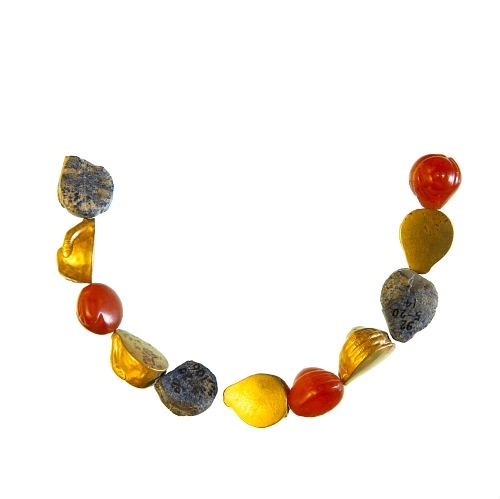
A dozen beads of gold, lapis lazuli, cornelian.gesternmuster
(Knossos)

die kolossalen säulen
der stolzen pinien
jener erhabene baldachin
der schutz vor der sonnenflut bietet

die schwarzen weißen blutroten pfeiler
im heiteren palastlabyrinth
jene flecke in einem gesternmuster
das jahrtausendealt ist

Christina Egan © 2016

This is a translation of The pattern of a yesterday . At that post, you can find some photos and a link to an artistic impression of the palace 3,500 years ago.

Photograph: Minoan beads from Crete in gold, lapis lazuli, cornelian, ca. 1700-1500 BC. – © The Trustees of the British Museum.

Zeit-Räume
(Knossos)

Terrassen, Treppen, rote Säulen
zwischen himmelhohen Bäumen,
Marmorschwellen, rote Wände,
um die Ecken neue Treppen…

Wie im Traume muß man wandern
durch die Höfe, durch die Säle,
durch die Wärme, durch die Kühle,
still von einem Raum zum andern…

Schlanke Bäume, schlanke Menschen
stehn vor heitrem Himmel drinnen
in den buntbemalten Zimmern
heute wie vor tausend Jahren.

Keine Läden vor den Fenstern,
in den Türen keine Flügel,
keine Grenzen zwischen Innen,
Außen, Unten oder Oben,

keine Pforten zwischen Heute,
Gestern oder Vorvorgestern
zwischen einem bunten Zeit-Raum
unter Pinien und dem andern.

Christina Egan © 2016

A Quilt of Light and Shade

A Quilt of Light and Shade

A quilt of light and shade,
a quilt of wind and heat
this solstice has become:
half fervour, half fatigue…

A quilt of sun and rain,
a quilt of green and grey,
brick red and blinding white
this city is today.

The boulevards are streams,
the roundabouts are whirls –
and fleetingly this seems
to be the best of worlds.

Christina Egan © 2012


In London, and in northern Europe in general, the weather is unsteady and unpredictable, even in midsummer. London has got a very great number of buildings in red brick, usually with window frames and decorative features in white, and plenty of trees, gardens, and parks. And it is very, very busy…

The summer solstice is also the subject of the previous post, This Day of June. As I am putting these poems online, there should be daylight till ten at night in England and some blue left in the sky even towards midnight — instead, there is not a ray of sunshine all day, and the sky is dark grey in the afternoon…

Theodor an Emilien

Theodor an Emilien

Mit tausend dicken weißen Kerzen
Prangt der Kastanienbaum am Tor;
Ich steh’ mit hoffnungshellem Herzen
Im späten Dämmer stumm davor.

Der Vogelsang ist längst versickert
Wie Silberspur ins Dunkelblau…
Doch aus dem Gutshaus tröpfelt, zittert,
Quillt das Klavier wie Abendtau.

Ich mach’ im hohen Gartensaale
Den flinken schlanken Schatten aus –
Und werf’ nach jenem Ankerpfahle
Mein Tau mit einem Male aus.

Christina Egan © 2016


The old-fashioned names and inflections signal that this is a scene which happened long ago, a romantic story from the times of Jane Austen, set in Germany. There is a true story behind it, and the ending is happy and sad: the young man waiting hopefully outside the manor house in the summer night, Ernst Theodor Echtermeyermarried Lady Emilie, and they had a child, but they both died very young.

April Rules the Land

April Rules the Land
(April haiku)

April rules the land,
leaden and golden in turns,
wayward as we are.

*

Oxford Street, busy,
a splintered rainbow, patterns,
shaken and broken.

*

The white narcissus 
sings with a voice as sweet as
her brother blackbird.

Christina Egan © 2000

The last haiku originally referred to ‘the ivory rose’, although in England, outdoor roses do not blossom yet in April. When I changed the wording to ‘the white narcissus’ to link it to the season and month, I did not know that the flower’s official name is Narcissus poeticus, or Poet’s Narcissus!

The ivory rose
sings with a voice as sweet as
her brother blackbird.

Nonnenkloster

Nonnenkloster

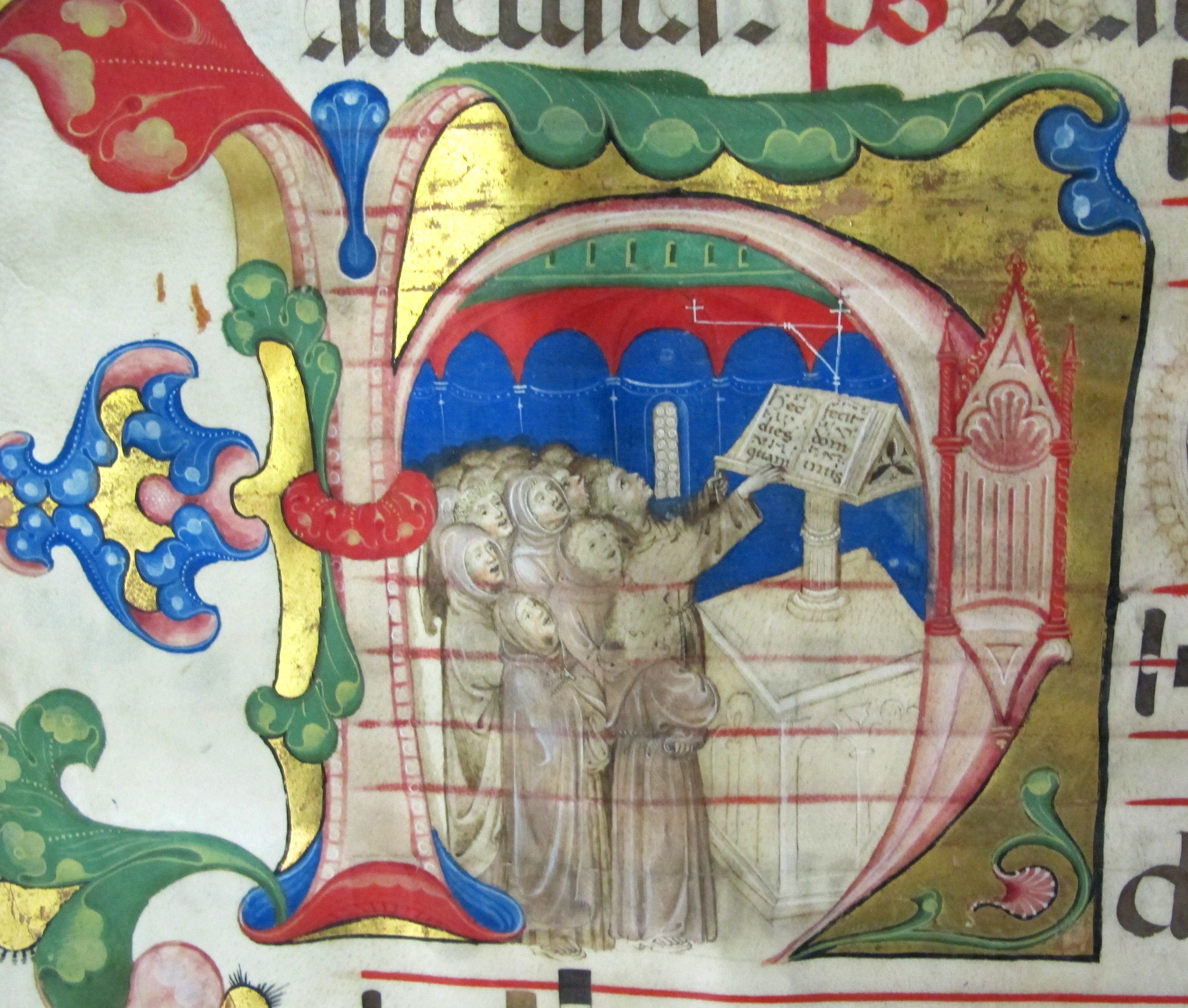
Initial of mediaeval manuscript, filled with monks and nuns singing from such a missal on a lectern above them; in gold and bright red, blue and green

Schneegleich
steigt Schweigen
aus den steilen Wänden,
aus den gefalteten Händen,
den vornübergeneigten Schleiern.
Und doch ist alles ein Feiern,
als sei, wenn es schneit,
ein Staub von Gold
über die Gärten gestreut…

Zeit, Zeit
tickt hier laut
in den langen dunklen Uhren,
in den blankbefliesten Fluren,
weil die Ewigkeit
sie so beschwert
wie Wasser eine weiße Schüssel.
Und jeder geschmiedete Schlüssel,
der gegen ein Gitter klappert,
klingt
wie ein Versprechen,
das Gott nicht brechen will.

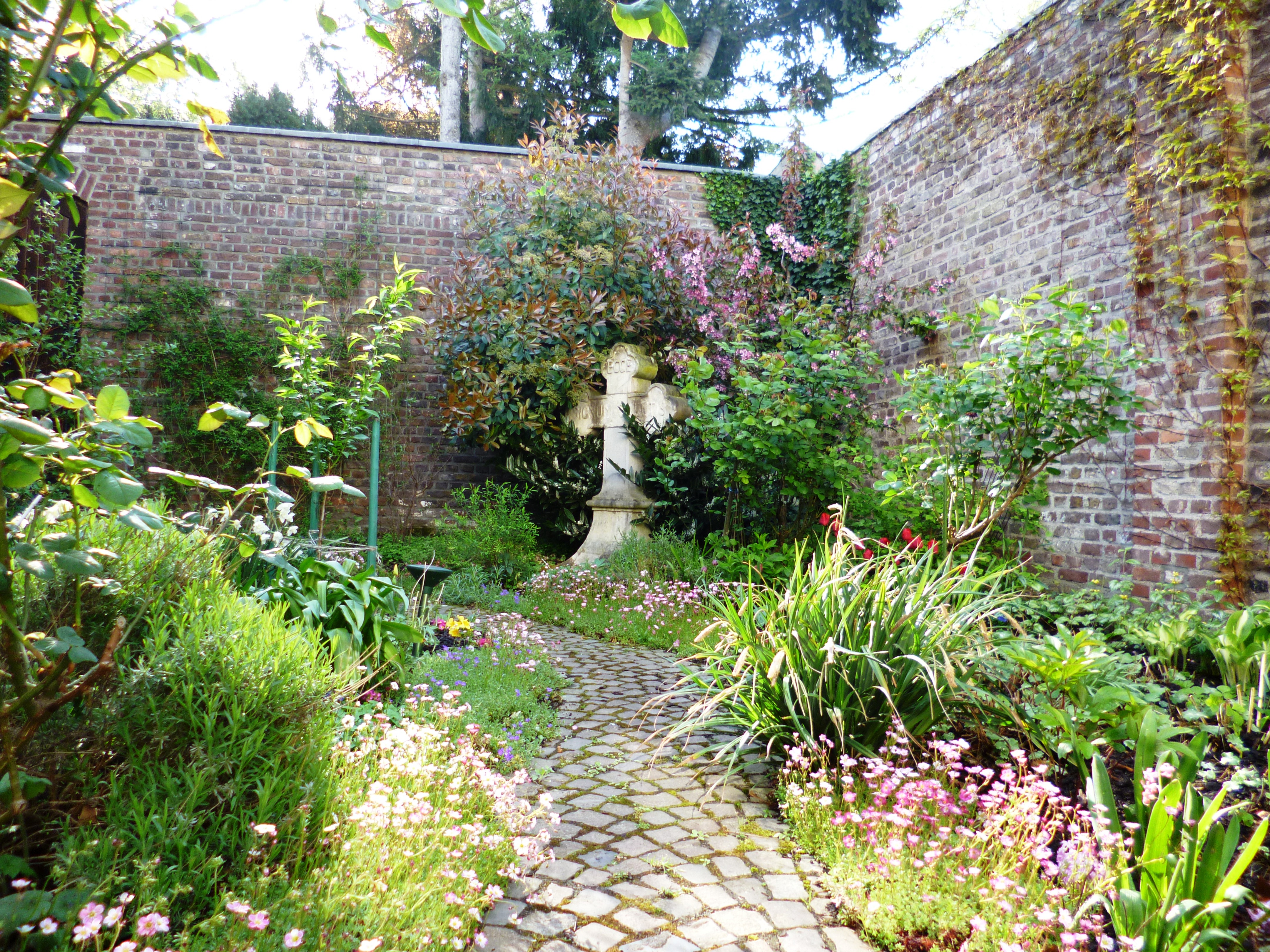
Sunlit walled flower garden with sturdy stone cross in corner

Es singt
am Rasenrand
der Schneeglöckchenchor,
ein besticktes Band.

Und jede ungeschmückte Wand
durchdringt
das goldne Schweigen
wie der Frühlingssonne sanfte Hand.

Christina Egan © 2006

I owe this overpowering experience of peaceful silence to the Carmelite monasteries of London (Most Holy Trinity) and Cologne (Maria vom Frieden), which are based on a philosophy of shared “silence and solitude”.

Photographs:
Liturgical book for Eastertide (1450s).
Sailko via Wikimedia Commons. —
Nunnery garden, hidden in the midst of a big city. Christina Egan © 2014

Fiery Flowers for Valentine’s Day

RedFlowers_2015Dec15_06

To My Valentine

The lily licking like a fire,
the lily luminous like snow:
I find them both in you, my flower,
I bask in their contrasting glow!

Christina Egan © 2016


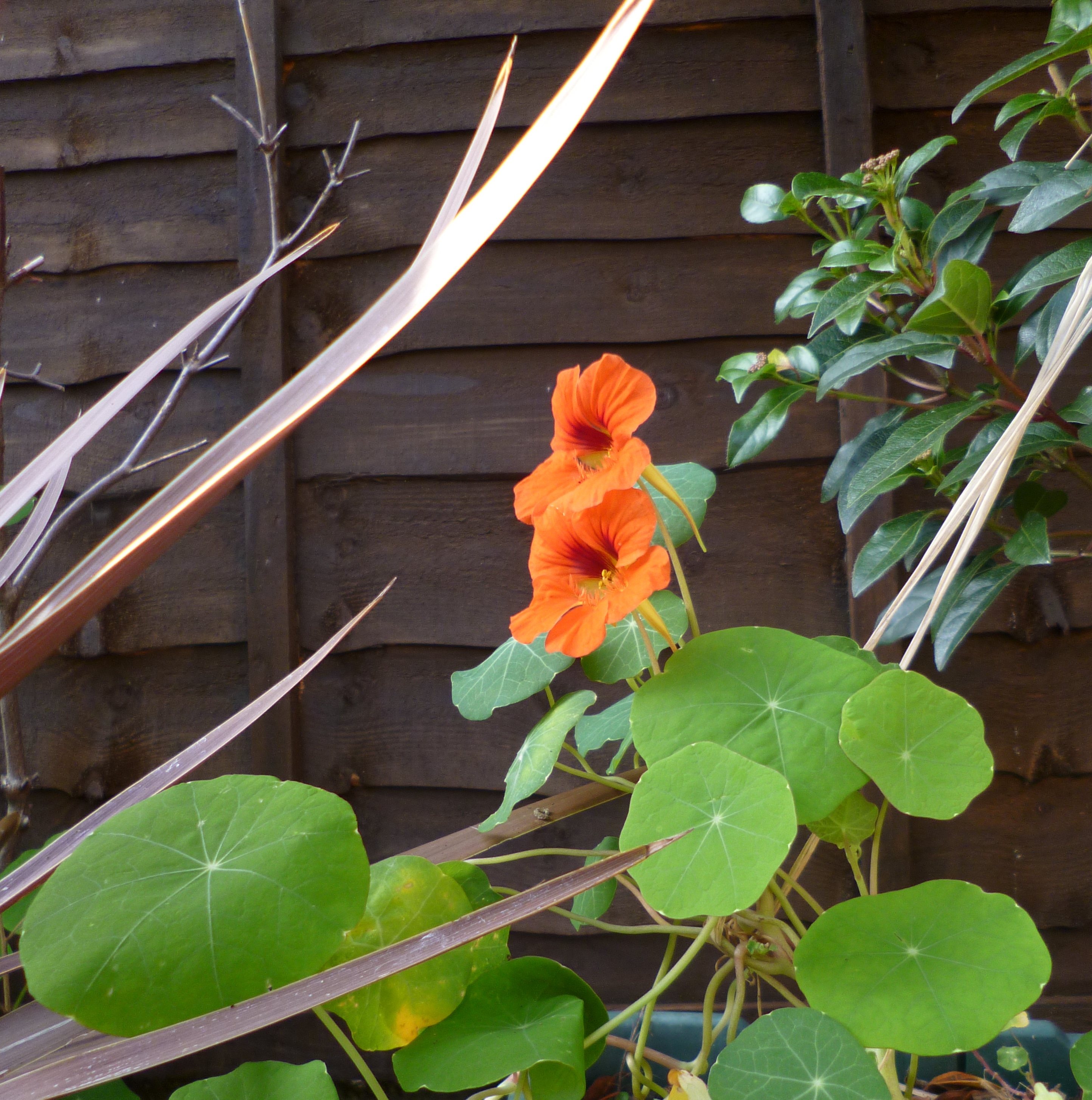
Two nasturtium flowers in very strong orange with some of their large round leaves in fresh green


Zum Valentinstag

In dem feuerfarbnen Blumenstrauß
hab’ ich dir die Sonne eingefangen,
hab’ sie hingezaubert in dein Haus,–
hast du meine Botschaft mitempfangen…?

Christina Egan © 2012

Often, I translate my own verse, but these are two different Valentine poems.

Photographs: Flowers just before Christmas! Christina Egan © 2015

The Pattern of a Yesterday / Golden Dell

The Pattern of a Yesterday
(Knossos, Crete)

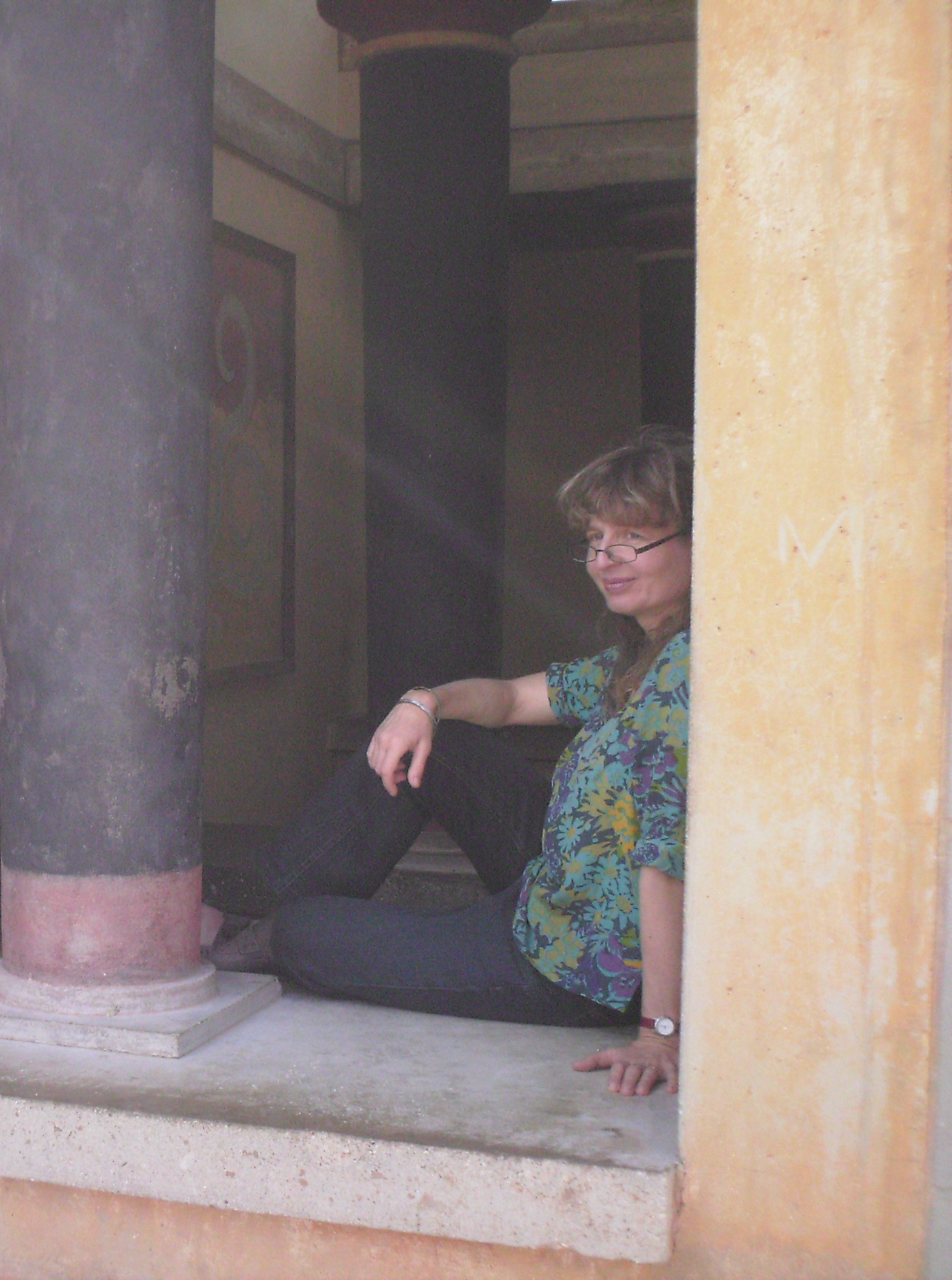
Knossos: woman in very colourful blouse sitting in a reconstructed window of the palace, in front of the same very colourful mural shown in the other photo.

the colossal columns
of the proud pine-trees
that lofty canopy offering shelter
from the flood of sun

the black and white and blood-red pillars
in the serene maze of the palace
those patches in the pattern of a yesterday
which is millennia past

Christina Egan © 2012


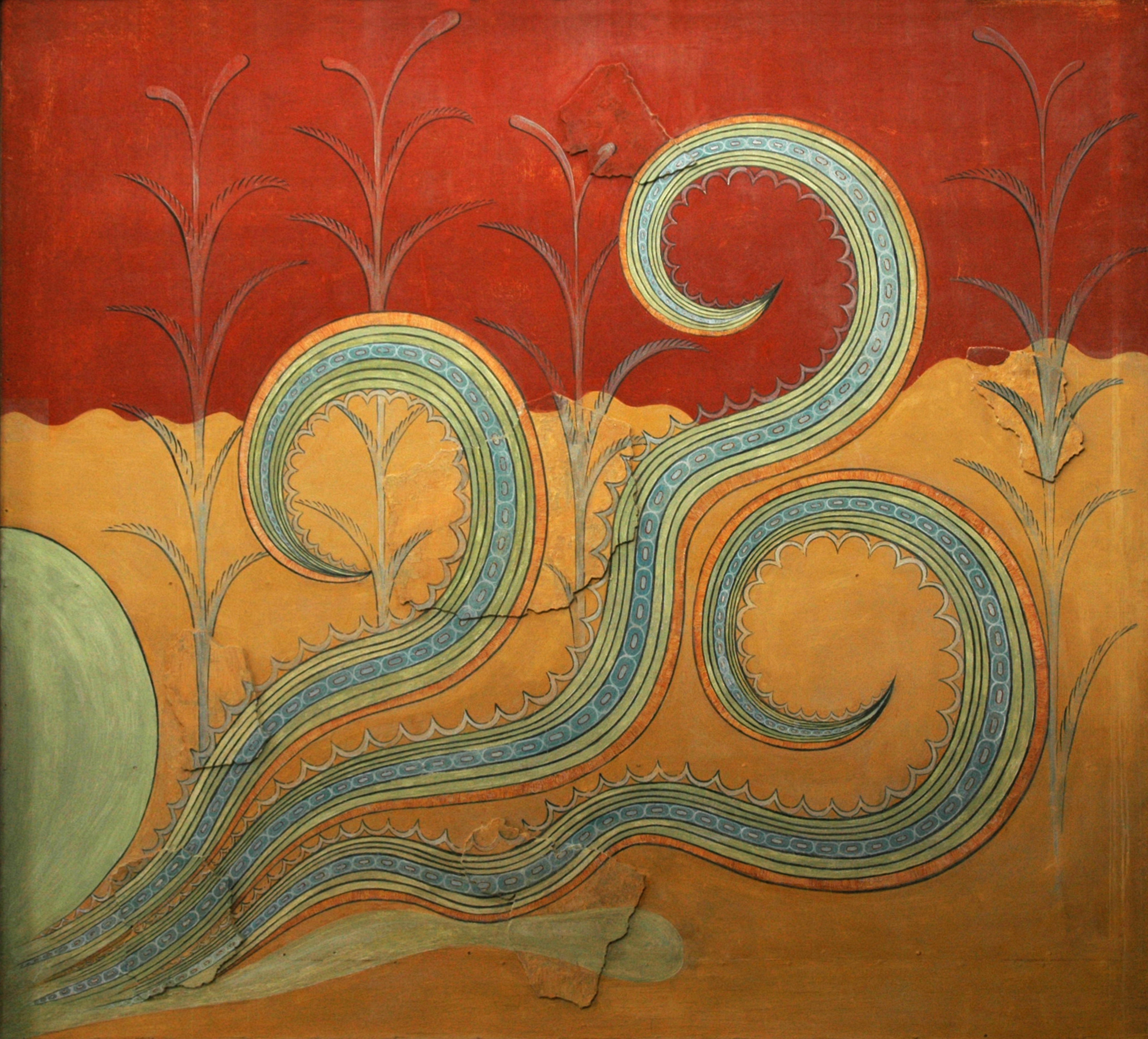
Flourishes on a mural, turquoise on luminous red and yello


The same mural in the palace
at Knossos, Crete. 
Photograph:
Harrieta171 via Wikimedia.

For German poems about Crete,
go to the cycle Kretische Küste.
For more about Crete, see below!


Golden Dell
(Chania, Crete)

You sip your coffee in the market-square
lapped by a sky and sea which both are blue;
you notice other folk from everywhere
and read this was the Roman forum, too.

You pass a corner with a golden dell:
stairs down and down, a hundred ages’ span…
The layers blur, solidify and swell,
and history unfolds, a dazzling fan.

Christina Egan © 2015


The Minoan civilisation is the oldest urban civilisation in Europe. The royal palace at Knossos, dating back almost 3,500 years, has the first stone street of Europe. Chania on Crete, a city of stone even 5,000 years ago, is one of the oldest continously inhabited European settlements. You look back on 100 and more generations…

My German translation of the first poem is called gesternmuster.

Kretische Küste

Kretische Küste

I.

Vor mir ein grünes Meer, ein roter Strand
und hinter mir die himmelhohe Wand
der Weißen Berge, mit Gesträuch schraffiert,
mit Schluchten aufgeteilt, vom Mond berührt.

Es schwindelt mich, so schroff ist es und schön…
ich möchte mitten ins Gebirge gehn,
als sei es eines Mannes Wohlgestalt
und berge sein Gemüt in jedem Spalt.

II.

Der kupferfarbne Sand wird doch zu Gold,
wo er in steiler Woge niederrollt
und sich mit jenem Brennendblau benetzt,
das kommt und nochmals kommt… und jetzt… und jetzt.

Und Disteln starren in dem dürren Strand,
die plötzlich strahlen wie von Zauberhand,
wenn erster Regen flüchtig niedersteigt
und Brautkleidblüten aus den Blättern treibt!

III.

Wo täglich Himmel sich mit Meer vermählt
und Landes Rand von anderm Strand erzählt,
wo trockne Erde wie der Tagstern loht
von silbriggold bis zu orangerot,

wo noch bei Nacht das Wasser, kaum bewegt,
den Leib in schwerelosem Zauber trägt,
bis in das sanfte Schwarz ein Schweifstern stürzt –
dort laß uns warten auf den milden Herbst.

IV.

Mit riesenhaften grünen Pranken greift
das Meer hinein in den geschützten Kreis
des kleinen Hafens, daß die Mole schäumt
und sich die bunte Schar der Boote bäumt.

Des späten Herbstes erstes Fauchen fährt
in letzte schwere Hitze wie ein Schwert.
Fünftausend Jahre aber ragt die Stadt
ins Element, gelassen, sonnensatt.

Christina Egan © 2014

Flourishes on a mural, turquoise on luminous red and yello

For more poetry and information
on Knossos 
and Chania on Crete
see my English poems
The Pattern of a Yesterday and
Golden Dell.


Frieze in the royal palace at Knossos, Crete.
Photograph: Harrieta171 via Wikimedia.

On the Volcano’s Rim

On the Volcano’s Rim

Goldstaub
(Lanzarote)

Hoher blauer Himmel,
weißer Wolkenflug,
ungestüme Winde,
rascher Schattenzug

über rote Halden,
über graue Höhn,
über grüne Matten,
wo schon Sterne stehn:

abertausend Blüten
wie ein Frühlingslied,
Goldstaub, den die Sonne
aus dem Erdreich zieht!

Christina Egan © 2015

Gold Dust
(Lanzarote)

Blue sky, ever higher,
white clouds in full flight,
winds wilful and forceful,
swift change of the light

across the red boulders,
across the grey height,
across the green lichen,
where stars tremble bright:

a flourish of flowers
and spring in a splash,
the gold dust the sun
can draw out of the ash!

Christina Egan © 2015

Dreaming Dragon
(Lanzarote)

Dew-drops sparkling in all colours
on the mighty coal-black craggy
shoulder of a dreaming dragon:
so these tiny tender flowers
perch on the volcano’s terrace –
fire, earth and wind distilled
to a dainty dotted quilt.

Ceaseless gales and sleepless fire,
ashes fed with salty dew –
ocean and volcano brew
flora’s early, lacy layer,
magic carpet in the air,
in the boundless brown and blue…
Dreams are real. Dreams come true.

Christina Egan © 2015

The Hoard
(Lanzarote)

As the mountain bears the flower,
as the giant holds the gem,
so the hour bears my poem:
purple speck on silver stem.

Where a myriad wild flowers
sprout behind the dry-stone wall,
I must gather all my powers
till the heavens hear my call.

Christina Egan © 2015

Valentine on the Volcano
(Lanzarote)

We dance on the volcano’s rim –
although its low and sunken side,
although extinct for centuries –
tossed partly by the wild wind’s whim
and partly drunk with liquid life –
suspended over sky-blue seas!
(I found my love above Teguise!)

Christina Egan © 2015
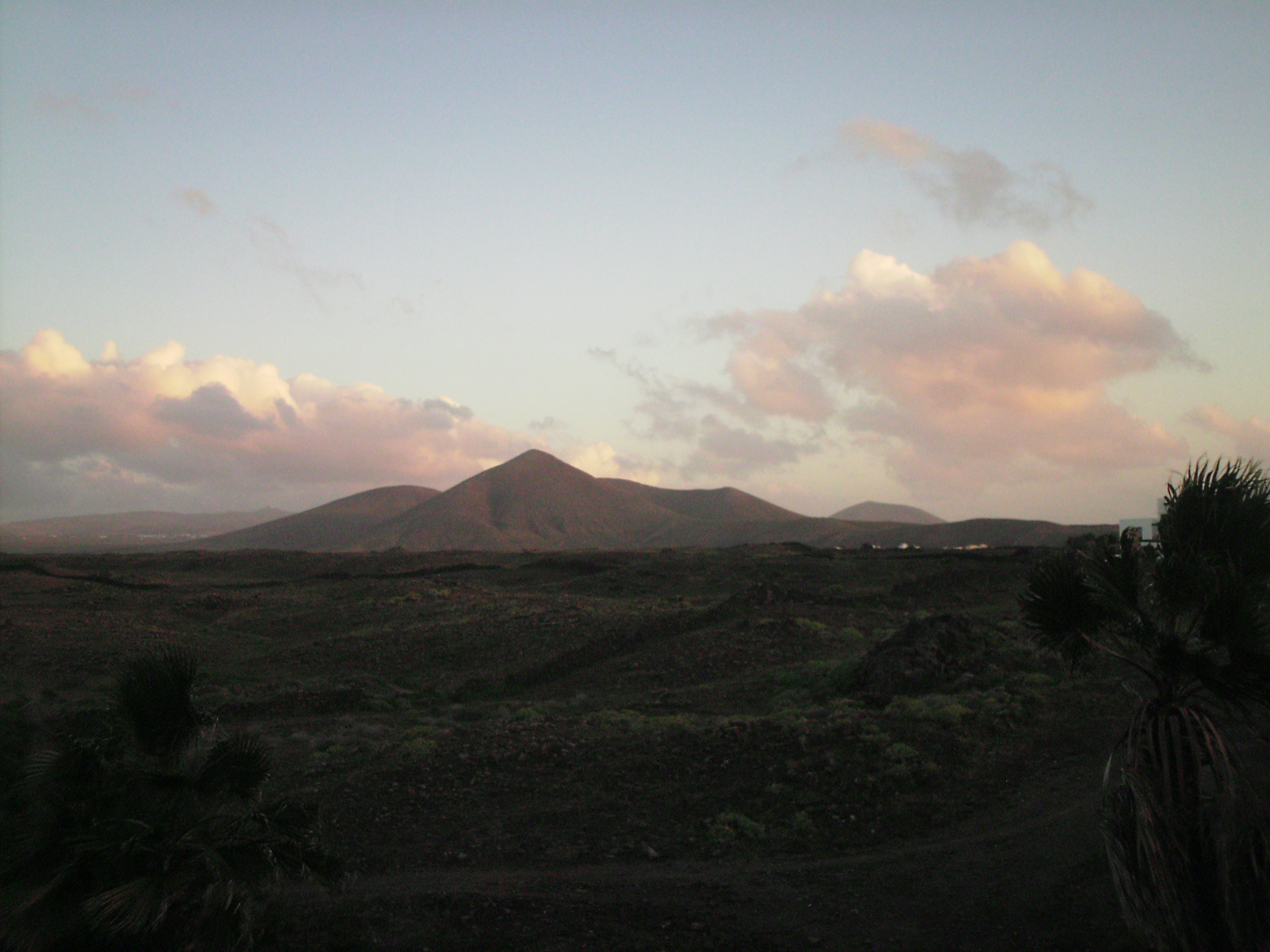
Plain and mountain range with very dark surfaces, rosy clouds in sky

The little volcano. Photograph: Christina Egan © 2015

These lines all sprang from one of the greatest experiences of my life: climbing a little volcano on the isle of Lanzarote, about which you can find a poetic description in German and English at Isle of Bliss / Insel der Seligkeit.

Gold Dust and The Hoard could equally be set in my native Rhön Mountains, also of volcanic origin, but very far inland and much greener.

The three poems in English only may work quite well in an automatic translator. The first two poems are translations of each other, or rather, parallel creations in German and English, where rhythm and rhyme required some changes in wording. It is better to do it this way, since the message is partly conveyed by rhythm and rhyme!

You could leave out the line in brackets to use the poem for a Valentine’s or anniversary card. Copy that line, though, into your list of places to see — both little towns, Teguise and Costa Teguise, because one has got the history and the other one the beach!

This handful of poems almost sums up my work: they describe plants and mountains and the sea; they refer to most basic colours; conclude with thoughts on art and religion and love; and use the beauty of language to capture the beauty of the world.