Rear Mirror

Rear Mirror

Telegraph wires:
a flock of birds turns them into
three lines of verse.

*

No flowerbeds here –
but a line of bright washing
dancing in the wind!

*

A palm-tree appears
in the rear mirror, and huts
in the still lagoon.

Christina Egan © 2018

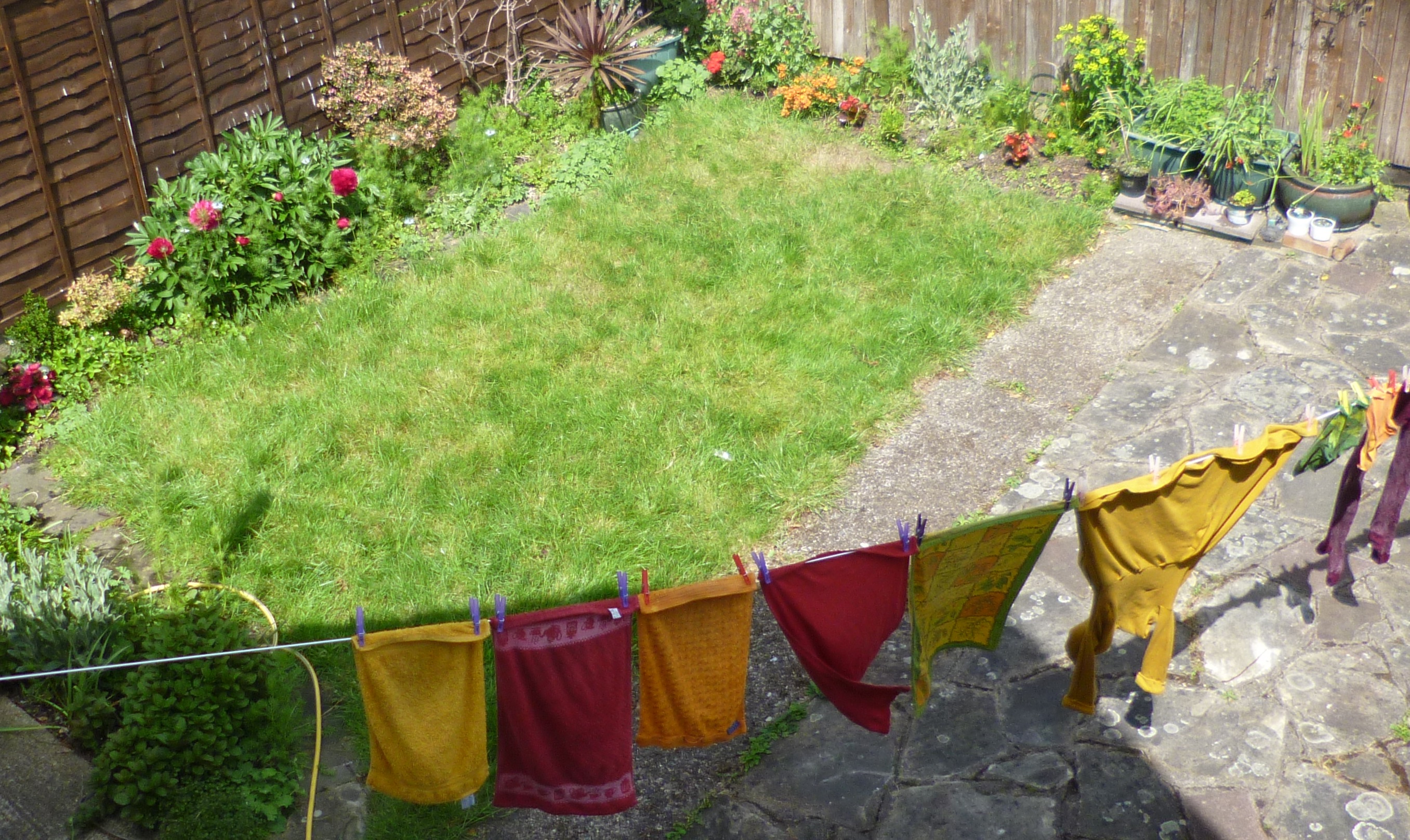
Washing-line with red, orange, yellow, green clothes, forming a triangle with the matching flower-beds behind.

These haiku about haiku were written looking at three picture postcards, where I instantly perceived patterns and metaphors.

Poetry – and painting or photography – are like rear mirrors which make hidden things visible and ordinary places special.

Photograph: Christina Egan © 2016.

Haltbare Rose

Haltbare Rose

Wenn ich mit einer Rose um dich würbe,
gewölbt, gefüllt, gedrängt und überfließend,
mit ihrer Gegenwart den Raum versüßend,
so wüßte ich, daß sie im Nu dir stürbe.
Und wenn ihr eine Faserblume gliche,
burgunderrot und makellos gewoben,
so wäre sie zwei Jahre todenthoben
und höchstens drei, bevor sie ganz verbliche.
Und wenn ich eine Bronzeblume fände,
so wäre doch ein Feuersturm ihr Ende,
in dem ihr unverrückter Glanz verglühe.
Ich schicke dir statt aller dieser Rosen
nur dies Gedicht, das deine Lippen kosen,
auf daß es bis zum Jüngsten Tage blühe.

Christina Egan © 2016
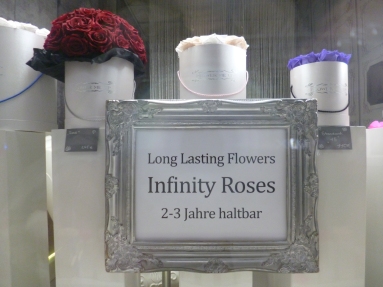
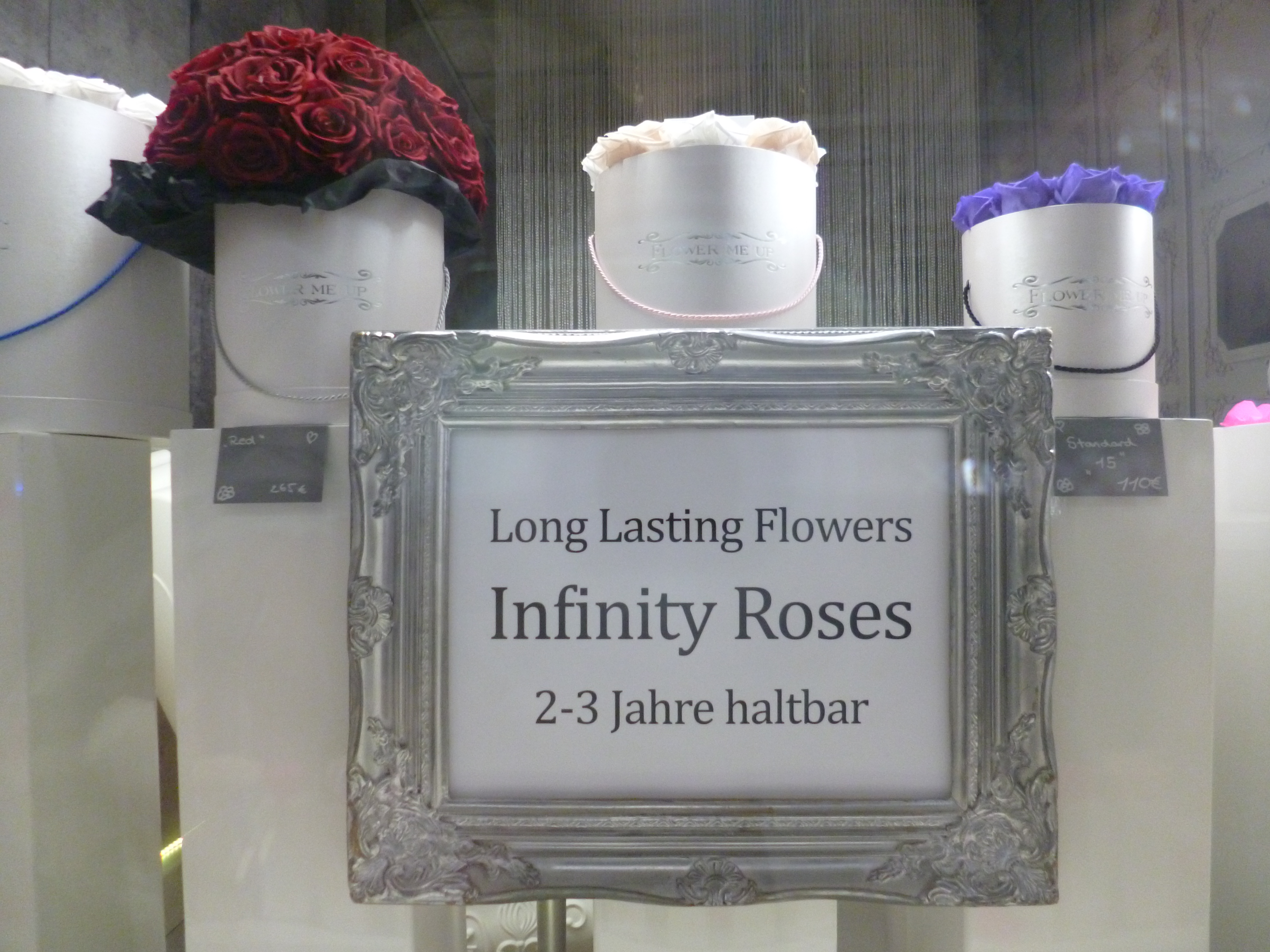
Advert reading "Long lasting flowers: Infinity Roses: 2-3 Jahre haltbar".This sonnet was inspired by an advertisement in a shop window: ‘Infinity Roses’, guaranteed to last two to three years. I found this hilarious: most love stories, which one naturally believes to be forever, last at most that long. Then they get cast away just like an artificial rose.

My idea was that a real flower lasts only a few days; an imitation of fabric or plastic (the German word leaves the material open) lasts only a few years; and even a sculpture of bronze might perish in a fire one day. A poem, however, may outlive them all! (The question whether the love will outlive them all remains.) Instead of kissing the poet, the beloved one turns the lines of the poem over on his or her lips. Well, that’s something at least…


Noch immer blühend

Ich lieb’ dich insgeheim schon seit drei Jahren,
was eine ungeheure Leistung ist –
von dir, der du noch immer blühend bist!
Ich bin berückt, und niemand darf’s erfahren.
Man will ja auch nichts Falsches offenbaren:
Ich liebe dich schon seit drei Jahren halb,
das macht dann immerhinque anderthalb.
Man muß zuweilen mit der Neigung sparen.
Wir sind sogar persönlich schon bekannt.
Zählst du wohl auch…? Drei Stunden insgesamt!
Drei Meter nur, dann einen Meter fort –––
Ich schicke, Liebster, dir zum Unterpfand
Nur eine rote Rose durch das Land:
Schau auf, steh auf und küß mich ohne Wort.

Christina Egan © 2017


This sonnet takes up the thought of Haltbare Rose in a satirical fashion: The woman has been in love with the man for three years already – but only half, which she counts as one-and-a half years!

Photograph: Shop window in Berlin. Christina Egan © 2016.

Der Knauf / Schnellgeschrieben

Der Knauf

Schon viele haben Blumen dir gepflückt,
von Löwenzahn bis hin zu Feuerlilien,

vielleicht auch mancher einen Edelstein –
doch niemand pflückte je dir einen Stern.

Und wenn ich tausend Jahre leben muß,
und wenn ich tausend Jahre lieben muß:

Ich hole dir den kupferfarbnen Knauf
vom ungeheuren Sternengittertor

zur dämmerdunkelblauen Seligkeit
und leg ihn sanft in deine hohle Hand.

Christina Egan © 2012


Schnellgeschrieben

Sterne ans Firmament zu setzen ist mir ein Leichtes:
Funkelnde Verse schleif flink ich mit sicherer Hand.
Sterne hingegen vom Himmel zu greifen geschieht nur im Traume:
Sprühende Küsse erhascht selten der federnde Fuß.

Christina Egan © 2016


In The Knob, the person wants to pick for her beloved one something better than a flame-coloured flower, better than a sparkling gem: a copper-coloured star!

In the distichon Written Quickly, the poet states that she can easily put stars up, that is, her verse, but rarely picks stars, that is, kisses, other than in dreams…

These poems would not work in a translation software because the first one invents words and the second one jumbles up the word order, like the ancients did.

Tausend blaue Sterne

Tausend blaue Sterne

“Tausend blaue Blumen –
eine Galaxie!”
Liest du es und lächelst:
“Welche Phantasie…”?

“Bläulichweiße Sterne
himmelfarbne gar,
lila strahlt die Sonne,
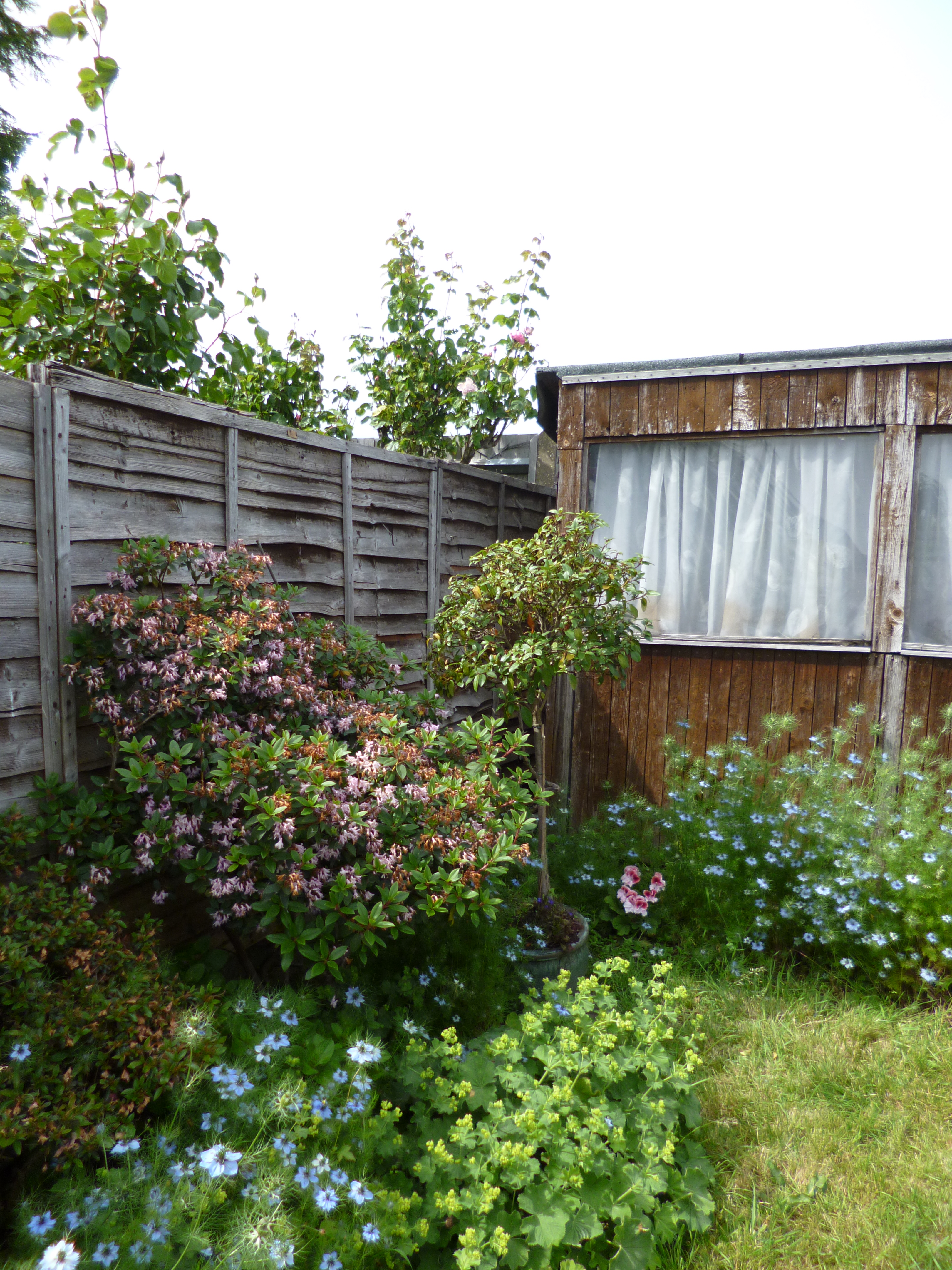
alabasterklar…”Rhododendron (pink blossom), lady's mantle (yellow blossom), nigella (blue blossom) in front of old shed and fence.

Meinst du nicht, ich sehe
was, was du nicht siehst,
der du in der Ferne
diese Verse liest?

Federfeine Blüten
aus der Kümmelsaat,
erste Passiflora
wie ein Wagenrad!

Und die runde Blume
lächelt in das Licht
wie ein schattenloses
Kinderangesicht…

Christina Egan © 2014

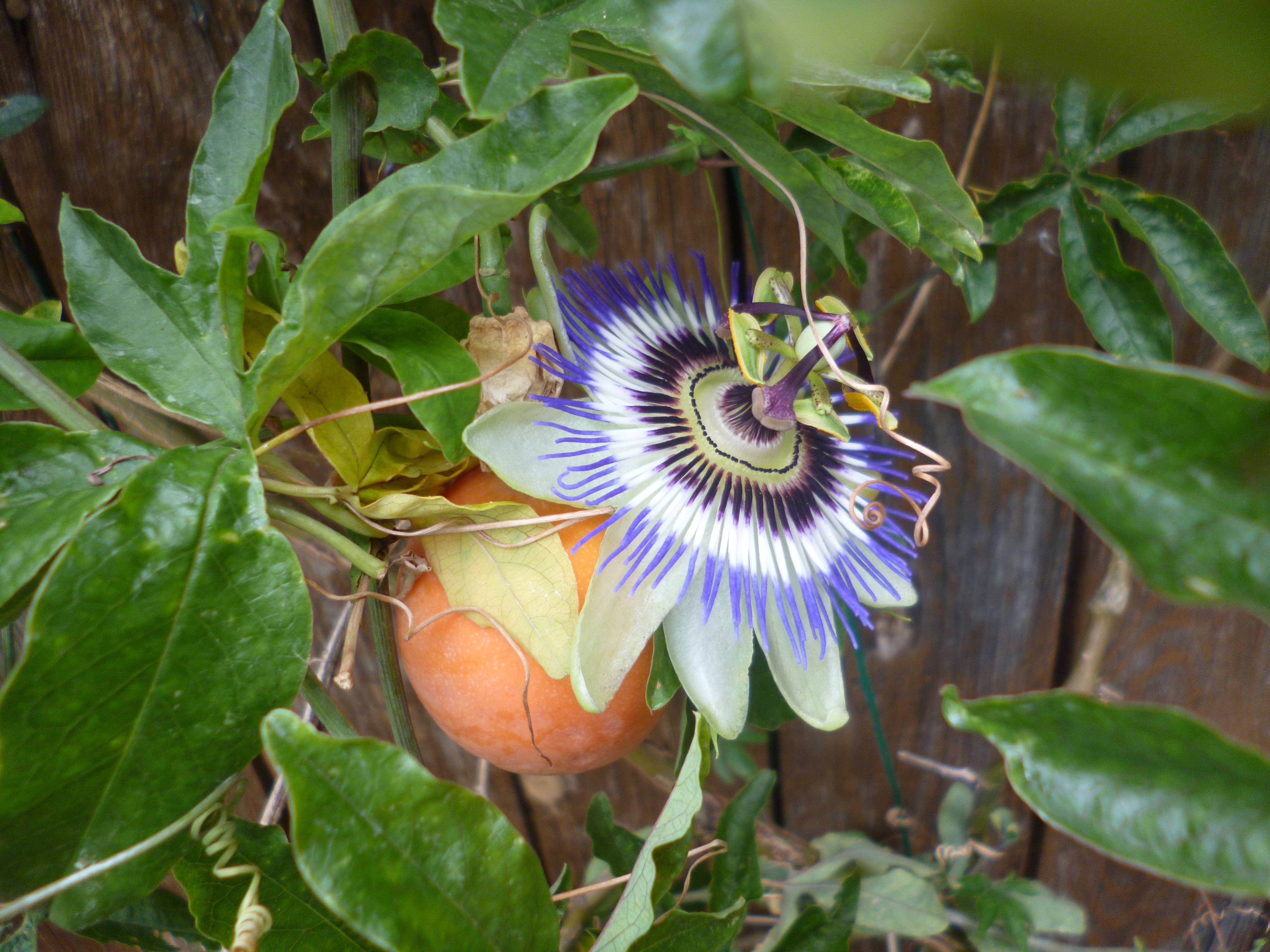
Large flat flower in white and purple, with long purple stem, small orange fruit, shiny green leaves.


The sky-blue galaxy and purple and alabaster sun of the verse!

Photographs:
Christina Egan © 2013/2016.

Three Stars / Drei Sterne

Three Stars

Three stars in the sky…
Three lines only to tell you
all my hopes for us.

*

Sneeze

Your sweet face – a sneeze –
as sudden and explosive
as your sweet haiku.

Christina Egan © 2013

Stamp with bright artistic impression of spaceship flying between planets and stars.

Drei Sterne

Drei Sterne am Himmel…
Drei Zeilen für dich, für
all meine Hoffnung.

*

Nieser

Dein liebes Gesicht
– ein Nieser – plötzlich, heftig
,
wie deine Haikus!

Christina Egan © 2016


A haiku is a Japanese poetic form; each poem has only three lines and seventeen syllables, which amounts sometimes to only a dozen words, even with a title. Yet you can say a lot in three lines… The word game is more difficult in German than in English, since the words are longer; translation can be a challenge.

A traditional haiku starts with an image from nature indicating the season; you will see on my haiku pages that I largely follow this rule. These here are different: one is simply romantic and one humorous, and both are about reading and hearing haiku!


Illustration: Stamp of 1963. (Scanned by Darjac) [Public domain], via Wikimedia Commons.

La Mer, enfin

La Mer, enfin
(Cimetière marin, Sète)

Ô vagues de vers sincères et idolâtres…
Ce vaste pan de verre d’un vert bleuâtre
Entre cieux et ombres suspendu,
Et cet essaim neigeux de tombes en marbre
Parmi les flammes géantes noires des arbres :
La Mer, enfin. J’ai vu et j’ai vécu.

Ces fleurs en bas, comme lèvres entrouvertes,
Impérissables certes, mais inertes,
Moulues de cet argile du Midi ;
Ces fleurs en haut, rosées et scintillantes,
Ces tressaillantes et minces, mais vivantes !
Le Cimetière. J’ai vu et j’ai écrit.

Christina Egan © 2016

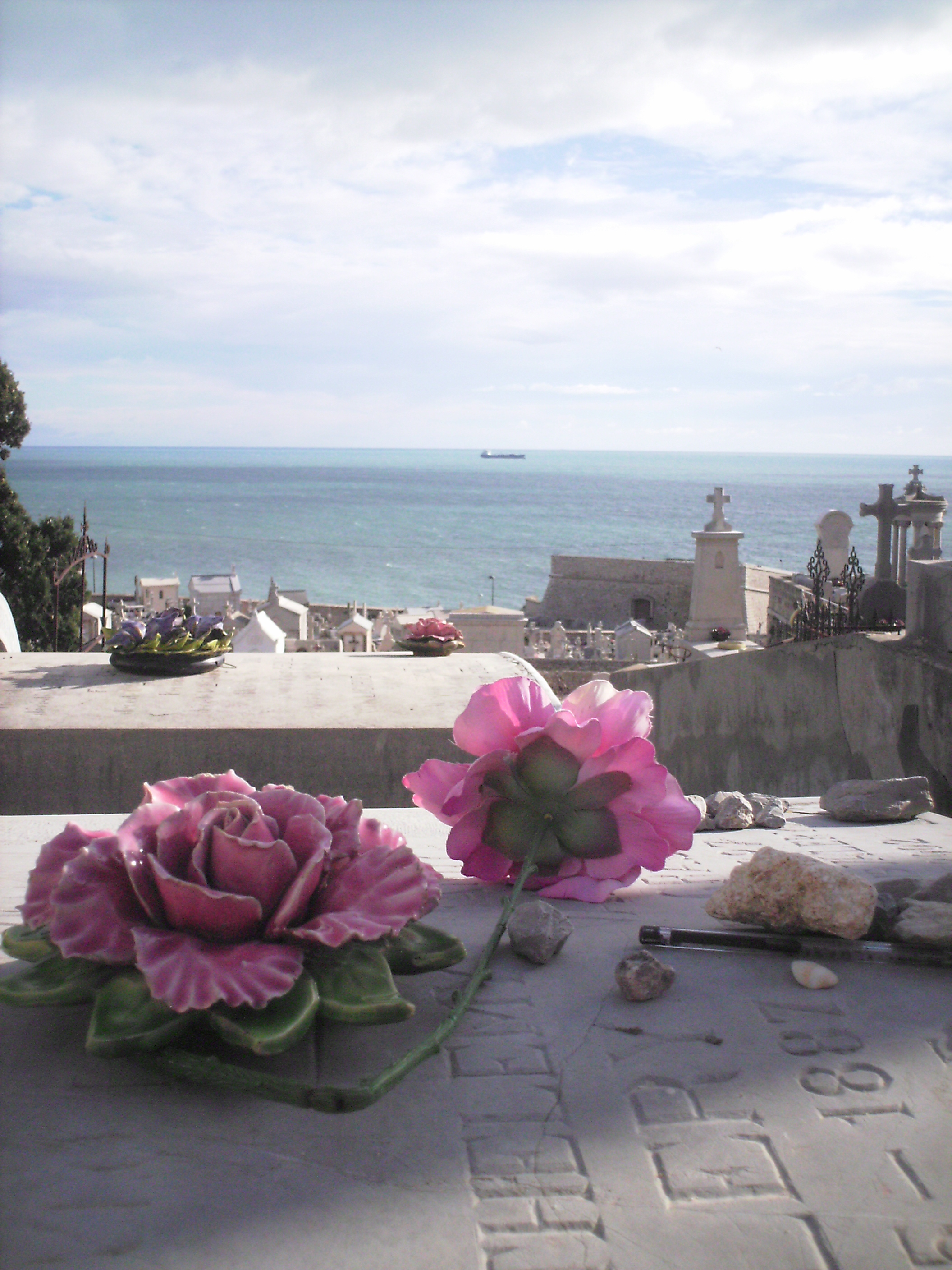
Light-blue sky and light-green ocean in the background, white tombs in the foregrund; in the front, a flat marble slabs decorated with two large pink flowers, one in clay and one in plastic.


Paul Valéry’s tomb on the Cimetière marin, which has become famous through his poem. It is shown and played all day in the neighbouring art museum erected as a homage to him.

These lines are closely related to Valéry’s. The durable but lifeless flowers are of clay and plastic; the perishable but living ones blossom on the bushes around. My picture and poem were created in early January!

An automatic translation into English may convey the meaning of  my French homage to Valéry quite well — but not the music of the words!

Photograph: Christina Egan © 2016

Toys / Baskets / Bowls

Toys

I
scanned
the
scattered shapes
heaped around me and picked out
the flowers and fresh fruits and fleeting clouds filled
with sun and added some slanted squares of marble and slate and
trunks of birch-trees and fashioned my finds into this
spinning-top. Just don’t ask what
it means. It’s a toy
I made for
you !

***

Baskets

The most delicately plaited words
still awkward, thick like things.
Bent over pads of paper,
the poet labours, late,
dexterous, impotent
to convey music,
silence…
peace.

Christina Egan © 2012


Roman_bowl_01_MusLon

Bowls

Like bowls of ordinary wood,
robust, adept, like workers’ tools,
these hands seem empty. Yet they are
filled to the brim, invisibly:
with jewel-like ideas the one,
the other with tranquillity.

Christina Egan © 2012

Roman bowl. Photograph from the
website of the
Museum of London.

Tâter pour une langue

Tâter pour une langue

Il me manque les mots…
Ils flottent sur les flots :
turquoise… îlots…
glaciers et glaçons…
le bateau, le ballon –
ardoise… sillage…
nuit et naufrage –
sans peindre une scène,
sans rendre une chaîne,
parure, ceinture,
magie d’écriture !
Ô langue étrangère,
étrange, passagère,
je te cherche, te chasse,
je regarde dans ma tasse –
il me manque les mots !

Christina Egan © 2016


These lines describe the struggle to write literature in a foreign language. The poet has to look into her coffee-cup for inspiration…

The sequence of words appears to be disconnected but does produce the outline of a scene or story — a vague turquoise and grey image of a dangerous voyage — which also scans and rhymes. So there is the poem!

Persephone (die quellenden blüten)

Persephone

die quellenden blüten
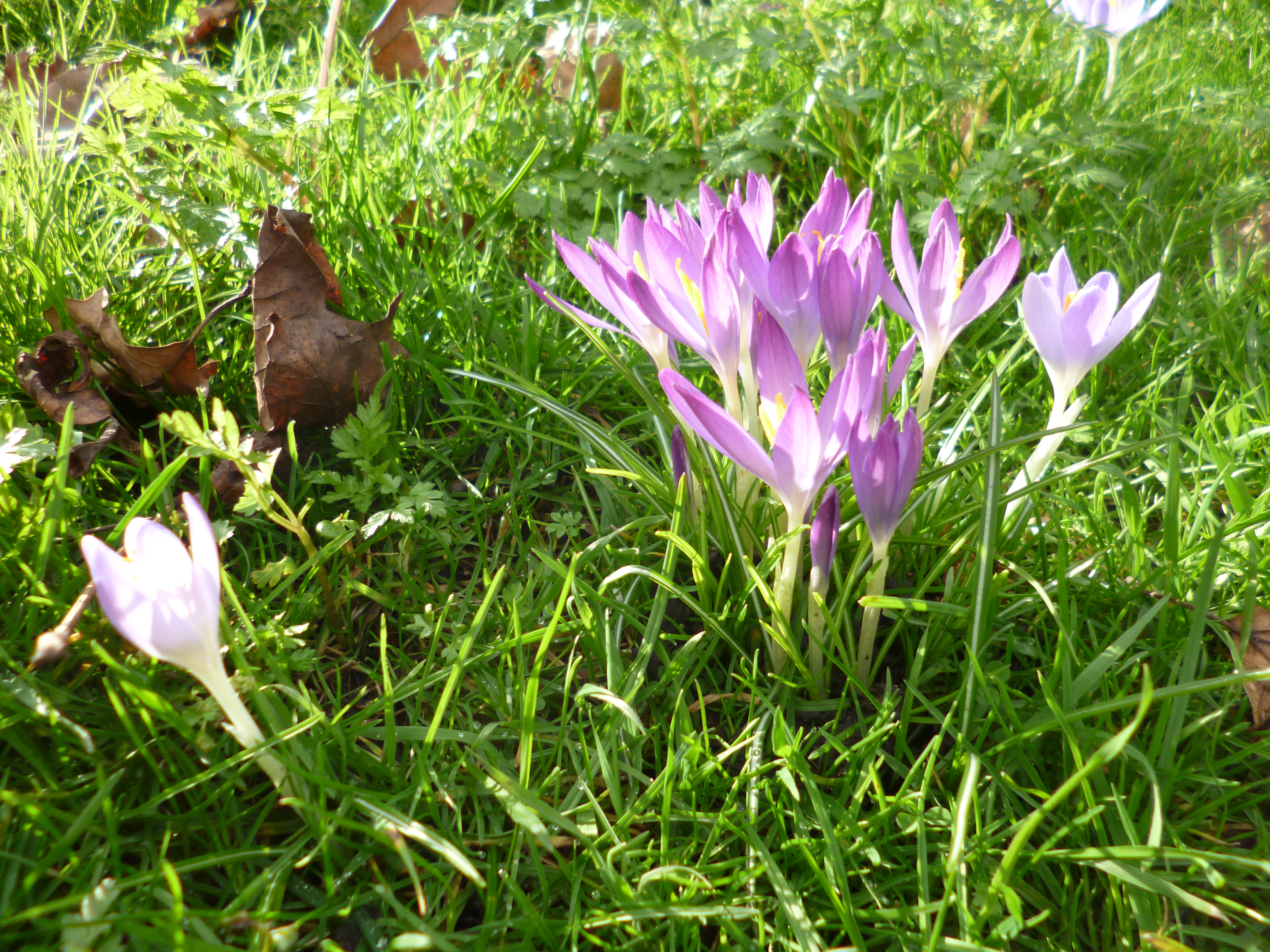
Bundle of mauve crocusses, seen fro mthe side, transparent in the sunlight.die rollenden wolken
wie flüchtige schrift –
die dürstenden blätter
der perlende regen
das spielende licht –

der sprühende frühling
das leuchtende lächeln
gesicht zu gesicht –
die atmende erde –
das leben – das leben –
und dann das gedicht –

Christina Egan © 2015

Here is this fortnight’s poem in the
photo calendar
Rhönkalender 2017!

Photograph: Christina Egan © 2017.

You Want to Read This Poem

You Want to Read This Poem

You want to read this poem
time or no time
rhyme or no rhyme.

You want to know
that your face is a flame
in the hidden temple
of someone else’s heart
trembling and steady.

You want to dwell
on the deep-blue dusk
of her dress
of her eyes
of her soul.

You want to believe
one last time
that three hours are enough
to fuel three years of delight
and from there three thousand.

You want to be sure
she will never be too close
never too far
like surges of birdsong
like surf.

You want to read this poem
as if it were a prayer
as if it were a promise.

Christina Egan © 2011


You Do Not Want to Read this Poem

You do not want to read this poem
however much sunlight
however much midnight.

You do not want to plough
through luminous ciphers
of your own beauty
you want to hear it in someone’s voice
you want to see it on someone’s lips.

You want to lift your eyes from the paper
onto her face
you want to lift your hand from the paper
onto her arm
let it rest.

You want to step through this poem
as if it were a secret gate
to the tiered garden
of an ancient manor house
you heard of in a novel.

You do not want a host of poems
a pavement of paper
a quilt of hopes
you want a host of moments
a quilt of memories.

You do not want to read this poem
you want sudden life
before the sun has sunk.

Christina Egan © 2011