Mitte des Lebens / alles ist möglich

Mitte des Lebens

Das Leben hatte Überfluß versprochen
und sog dich an, ein buntes Labyrinth;
schon mittendrin hat es sein Wort gebrochen,
und deine Klagen stürzen in den Wind.
Was auch von heute an geschehen möge,
mag unerwartet sein und wunderbar,
du magst’s als Lust erfahren oder Segen,–
doch ist es nicht, was dir verheißen war.
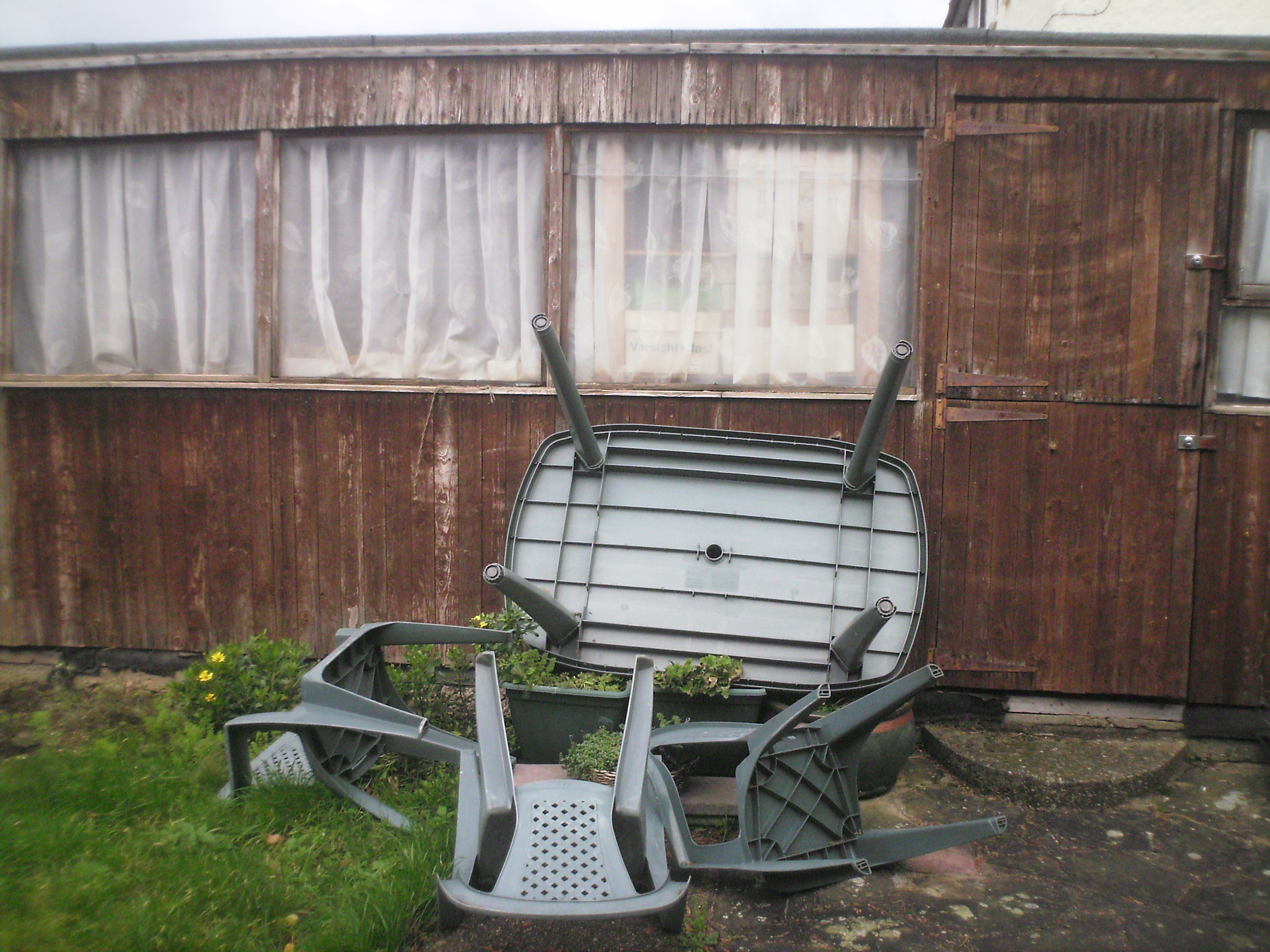
Garden furniture jumbled up by storm in front of old wooden shed.
Photograph: Christina Egan ©2012.

Die Zeit flieht schneller, immer schneller hin,
und desto mehr, je weniger verbleibt…
Die Hoffnung, die doch unerschöpflich schien,
verkehrt sich langsam doch in Bitterkeit:
Denn zuviel Tun und Trachten war vergebens
– auch jenes, das vernünftig war und rein –
und wird es bleiben, trotz geballten Strebens,
und war vergebens schon von vornherein.

Christina Egan ©2013
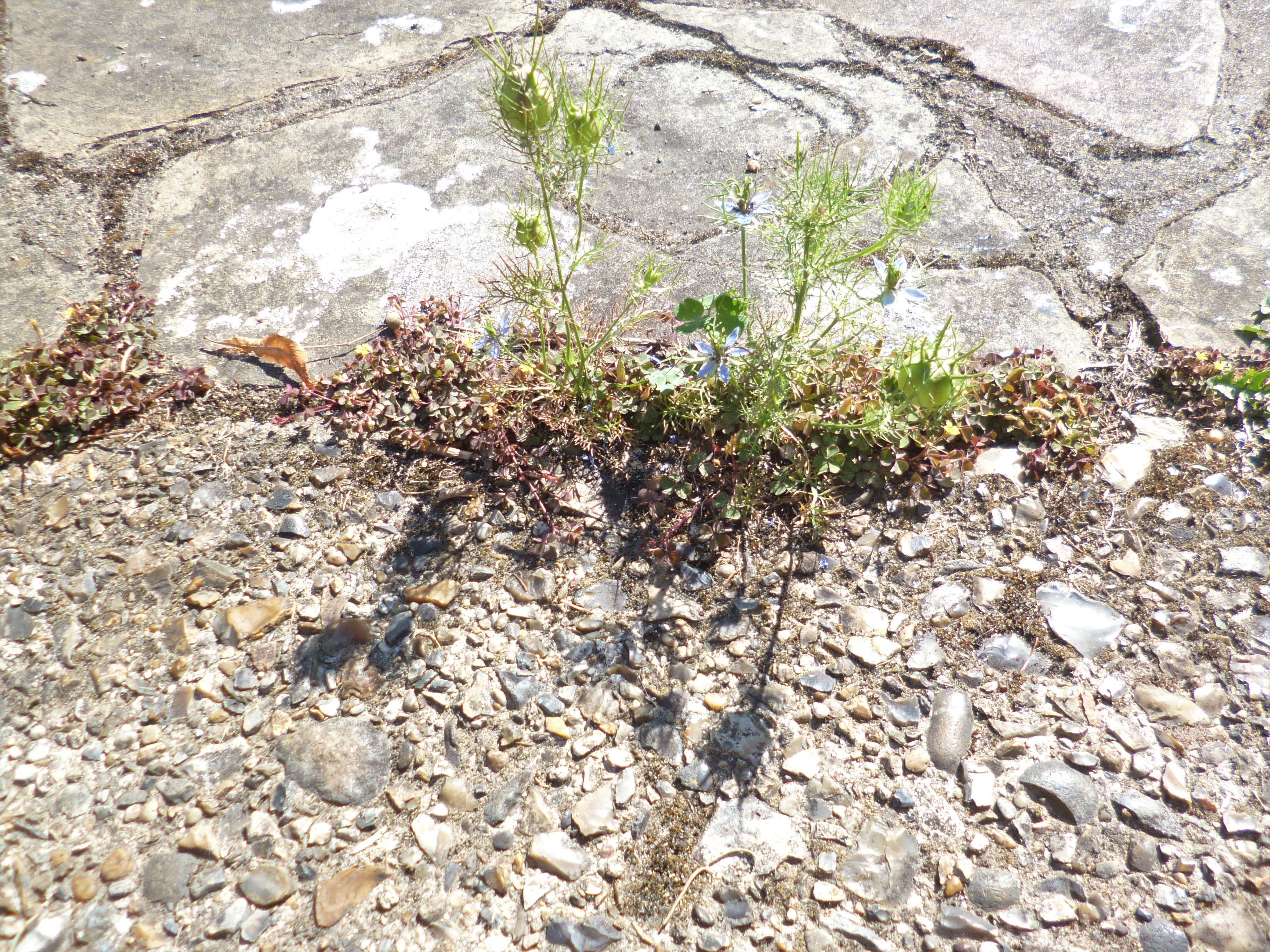

Tiny weeds coming out of cracks, with their shadows.
Photograph: Christina Egan ©2020.

Two philosophical poem with few images.

The first one surveys someone’s life, with joys and blessings and surprises still ahead, but with prospects already limited and some hopes crushed.

The second poem breathes awareness, acceptance, confidence: “Everything is important… Everything is possible”! Is it about life in the moment?
Daedalus on the Battlements

Daedalus on the Battlements

You drag your baggage through the crowd,
and from the loud and glaring maze
you spill into the heavy haze
of autumn fog and stifling fumes,
into a tube you crawl through tubes,
into a bullet aimed at space –

You soar, you blink, anticipate
some mellow light, some subtle blues –
And then you float above the dunes
of salty sand, the plains of ice,
the shadow of a sheet of cloud –
You sail above the blazing skies!

Christina Egan © 2016


Another return to Greece with winter sunshine even before I arrived: a sunset above the clouds! — Daedalus escaped the labyrinth by flying from its walls; the flaming sun plays a key role in this myth. 

You may get the sense of this poem quite well in a translation software.

Glazed Clay

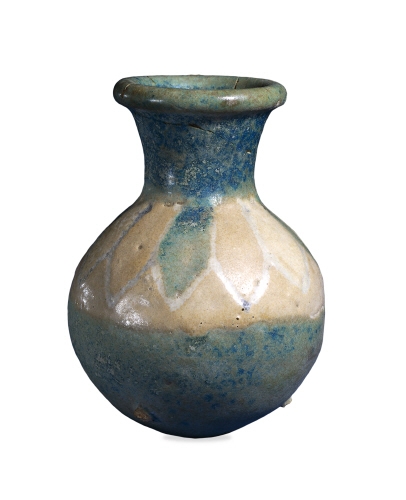
Jar, elegantly curved, with brown and blue glaze.Glazed Clay

Two mighty rivers’ ceaseless flow
beneath a high and cloudless sky;
to either side the ochre glow
of arid countries rolling by;

and here and there a golden maze,
the buildings’ cubes, the cities’ grid:
this jar with blue and brownish glaze
from Babylon still mirrors it.

Christina Egan © 2016

Mesopotamian jar (9th to 7th c. BC) Photograph: © The Trustees of the British Museum.

The city and country of ‘Babylon’ were under Assyrian rule at the time the little jar was made, but I just used the name as the most familiar for all the civilisations of Mesopotamia.

For a German poem about Babylon with the Euphrates and the Hanging Gardens, see Die Hängenden Gärten.

The perfect elegance of this tiny everyday object is an example for the simple beauty I call for in Fewer Things, where you can also see a red Roman bowl.