Der Nebel hebt sich

Der Nebel hebt sich

(Schloß Fasanerie bei Fulda)

Der Nebel hebt sich,
und der Rauhreif auf den Weiden,
feine Spitze, glitzert auf.

Aus dichten Fichtenschirmen sprühn
kapellenglockenhelle
Stimmen ohne Zahl.

Ein Vöglein folgt, dort oben, sieh,
mit dunklen Flügeln, gelber Brust,
ein Sonnenstrahl!

Ein niedrer Wolkenstreif muß weichen,
und der bleiche Mond, des Dunkels Geist,
desgleichen.

Der ausgelaugte Himmel blaut,
der federnd-feste Boden taut,
gurgelt und gärt…

Noch wehrt der Winter sich,–
bezwungen ist er schon.
Die Erde atmet wieder tiefer…

Und wer nur auf den Hügel steigt
und schaut und hört und spürt,
kriegt neue Kraft und Lust!

Christina Egan © 2017

A new poetic form: three lines in each stanza, with irregular lenght and irregular rhymes — but each stanza having ten stressed syllables, with one unstressed syllable in between, making the flow of the language regular, natural and musical at the same time!

The poem was written on February 14th. The Rhön mountains have a harsh climate with long winters characterised by cold and snow and fog. All the more is spring welcome, even the early signs of it…
Gegenwart (Wie Kalksteinhügel)

Gegenwart

Wie Kalksteinhügel liegen deine Wangen
und deine Haare wie ein Pinienwald.
Schon zittert meine Seele vor Verlangen
nach deiner bloß erratenen Gestalt.

Ein dunkler Doppelsee sind deine Augen,
noch beinah unberührt und unergründlich.
Ob sie auch meine Zukunft in sich bergen,
ist beinah ungedacht und unerfindlich.

Und wie das warme Meer rollt deine Stimme,
wenn sich orangerot der Tagstern neigt…
O schautest du nur auf und hieltest inne –
und würdest niemals bloß Vergangenheit!

Christina Egan © 2014

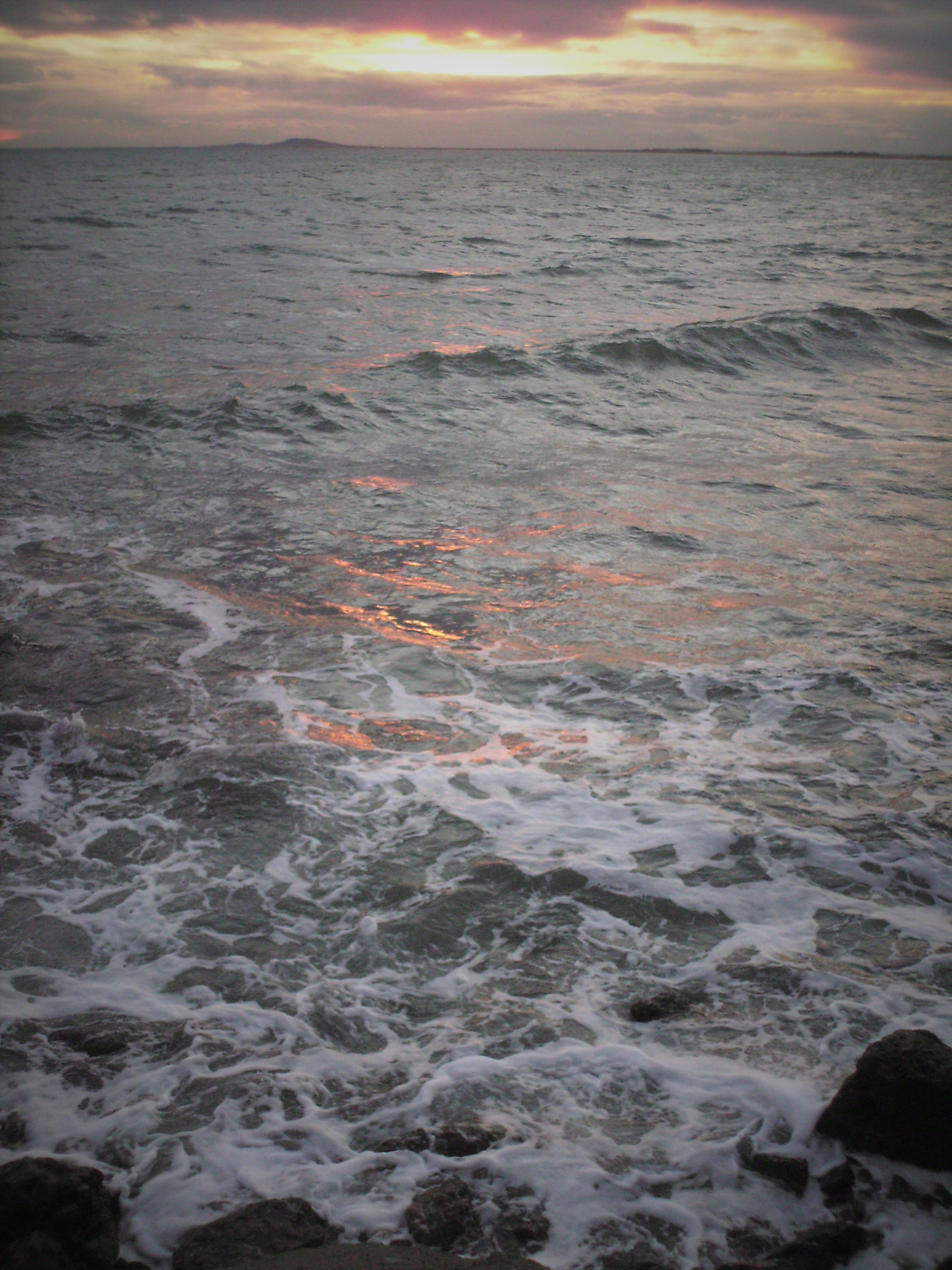
Dusk by the sea: glow of sunset amongst dark clouds and on waves lapping onto the shore.

Description of a new acquaintance in terms of a Mediterranean landscape.

The title plays on the double meaning of the German word “presence” / “present”: the speaker is mesmerised by the other person and already has a faint hope that he or she will become the future… and never slide back into the past.

Sunset on a Mediterranean shore in January. – Photograph: Christina Egan © 2016.

Eben habe ich das Leben entdeckt

Eben habe ich das Leben entdeckt

Eben
habe ich das Leben entdeckt.
Es lag versteckt
unter einem unscheinbaren Stein
am Straßenrand.
Ich kniete nieder,
hob ihn hoch,
und etwas leuchtete,
alles leuchtete auf –
als hätte die Sonne hinübergeschaut
in ihrem enthobenen Lauf,
als wäre der Himmel erblaut
und ich stürmte den Hügel hinauf –
doch stand ich noch
unverwandt
mit dem Stein in der Hand…

Eben
habe ich das Leben entdeckt.
Es war verdeckt
vom Geschnatter und Geknatter
von vielzuvielen Bildschirmspielen,
von Telefonen und Megaphonen
und Megamaschinenmusik.
Nur einen Augenblick
lag der Stein in meiner Hand,
graublau
und genau
und still.
So hält Gott die ganze Welt
in seiner Hand,
ins stille goldne uferlose Licht,
und sie weiß es nicht.

Christina Egan © 2016

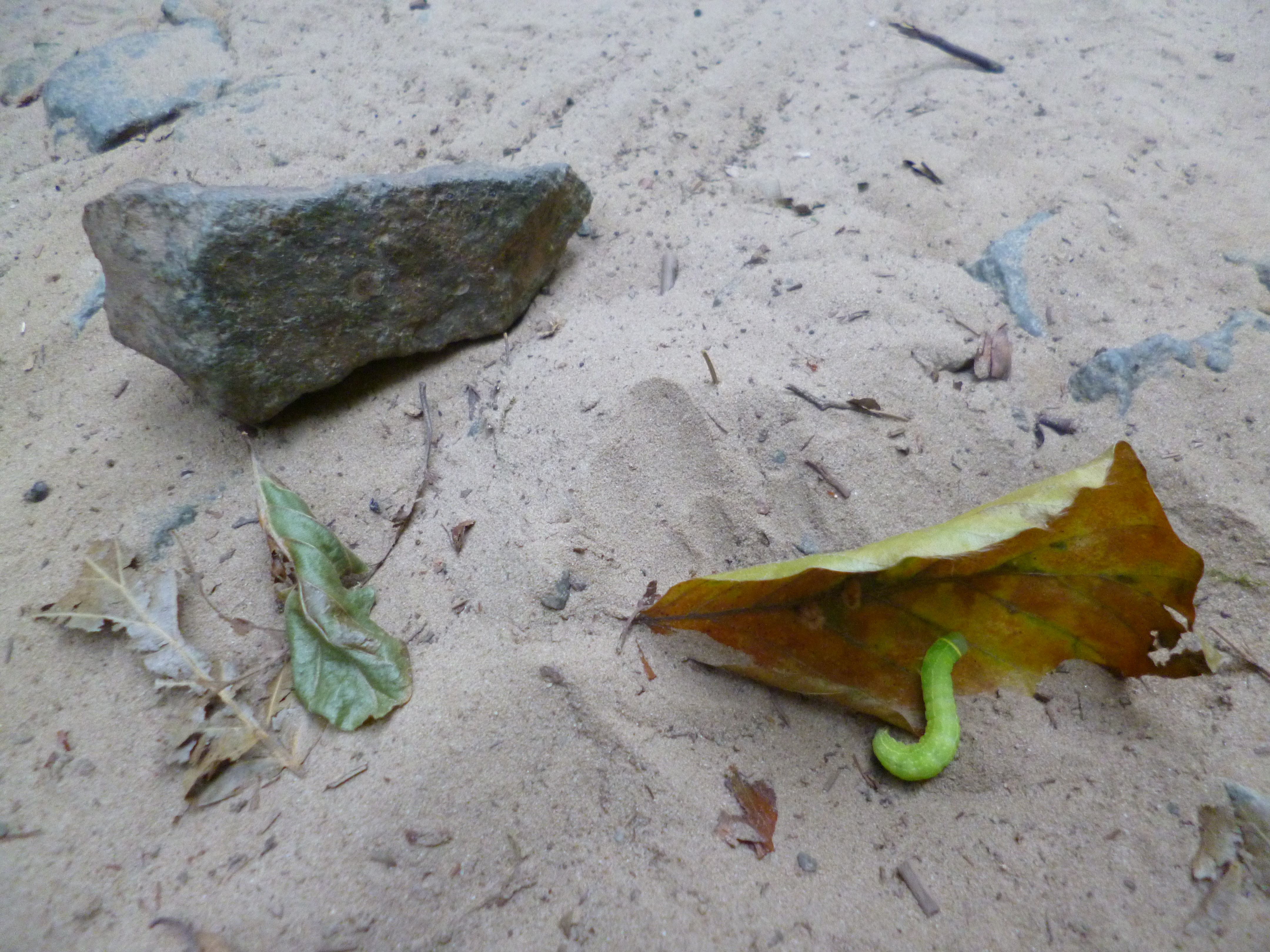
Caterpillar, very bright green, with crumpled leaf and edgy stone on sand.

Photograph:  Christina Egan © 2016.

Tabucchis Blau

Tabucchis Blau

hochsommerhimmel
über Lissabons hügeln

so blau daß es beinahe beißt
so schön daß es beinahe schmerzt

und vor der gleißenden steilen
vielfach verschachtelten stadt

ruft mit demselben trunknen blau
die bucht dir unbeirrbar zu:

du stehst immer am anfang
einer entdeckungsfahrt!

Christina Egan © 2012

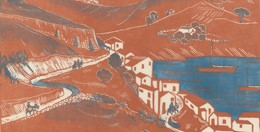
Artistic impression of Mediterranean village on steep coast; landscape in orange, sea in blue, village in white

„con… il sole che splendeva, e con una città che scintillava, letteralmente scintillava sotto la sua finestra, e un azzurro, un azzurro mai visto, sostiene Pereira, di un nitore che quasi feriva gli occhi…”

Antonio Tabucchi, Sostiene Pereira

Antonio Tabucchi (1943-2012) loved Lisbon and lived there. I wrote this poem for him when he died: his last voyage would be the one to another, even more beautiful world. The last line can, however, be interpreted in many other ways.

Illustration: “Elba — Land der Esel” by Ottilie Ehlers-Kollwitz (1955). With kind permission of Galerie Klaus Spermann.

The Hallowed City

The Hallowed City

I.

Aliusque et idem nasceris

When last I looked upon that golden hill,
the only coal-grey clouds along its crest
were pine-trees of Mediterranean zest,
clear-cut against the blue, timeless and still.
When I surveyed the city from the west,
beyond the river and the seventh hill,
my thirsty eyes rejoiced and drank their fill…
A pilgrimage it was and pagan quest.
Behind me passed the Sun on wheels of fire,
accompanied by Mnemosyne’s lyre.
Was this my long-lost and recovered home?
Born here and buried, had I now returned,
the same and not the same? My eye-lids burned.
This is the hallowed city. This is Rome.

Christina Egan © 2018

Drawing of curving Roman aqueducts crossing over

II.

Pulchrae loca vertor ad urbis

My eyes have seen the marble halls of Rome,
resplendent like the mighty mistress Moon
and multi-coloured like a field in bloom;
I’ve watched the buildings grow in brick and stone.
I’ve stood beneath the proud and perfect dome
which emulates the heavens’ sparkling room
and holds our destiny from dawn to doom.
I’ve roamed those hills and called a roof my home.
I’ve heard the chanting children, sighing harps,
the darting chariots and creaking carts,
the swish of virgin water, purple wine,
I’ve seen the aqueducts descend and curve,
the roads roll into Rome, unite, disperse —
I’ve tasted all that splendour. It was mine.

Christina Egan © 2018


The first blogpost of the year deals, as always, with Roman roads!

The impression of aqueducts, which illustrated one of my parents’ books about ancient civilisations, informed my entire life. Unfortunately, I do not know the artist, but there does not seem to be a copyright on it.

The quotes are from two Roman poems about Rome, Horace’s Carmen saeculare and Ovid’s Tristia.

I apply Horace’s idea that the sun is daily reborn, another and yet the same, to a person who feels he or she was reborn into this world many centuries later, another and yet the same; and I reinterpret Ovid’s lament about remembering his home from exile as a modern person’s longing for antiquity. Mnemosyne is the Greco-Roman divinity of memory, and the Sun and Moon, of course, are mighty gods, or at least representations of gods.

August (Hell ist mein Herz) / Amseln und Schwalben

August

Hell ist mein Herz
unterm Kornblumenblau
in der Wiege der goldenen Hügel.

Steil steigt es auf
mit dem Schwalbengepfeif,
denn es reiften ihm stämmige Flügel.

Christina Egan © 2010


Written for a wedding anniversary in August.
Midsummer also stands for the middle of life
and for the fullness of life.

The next poem was written in May, when
summer is unfolding with the exultation of
blackbirds and swallows.

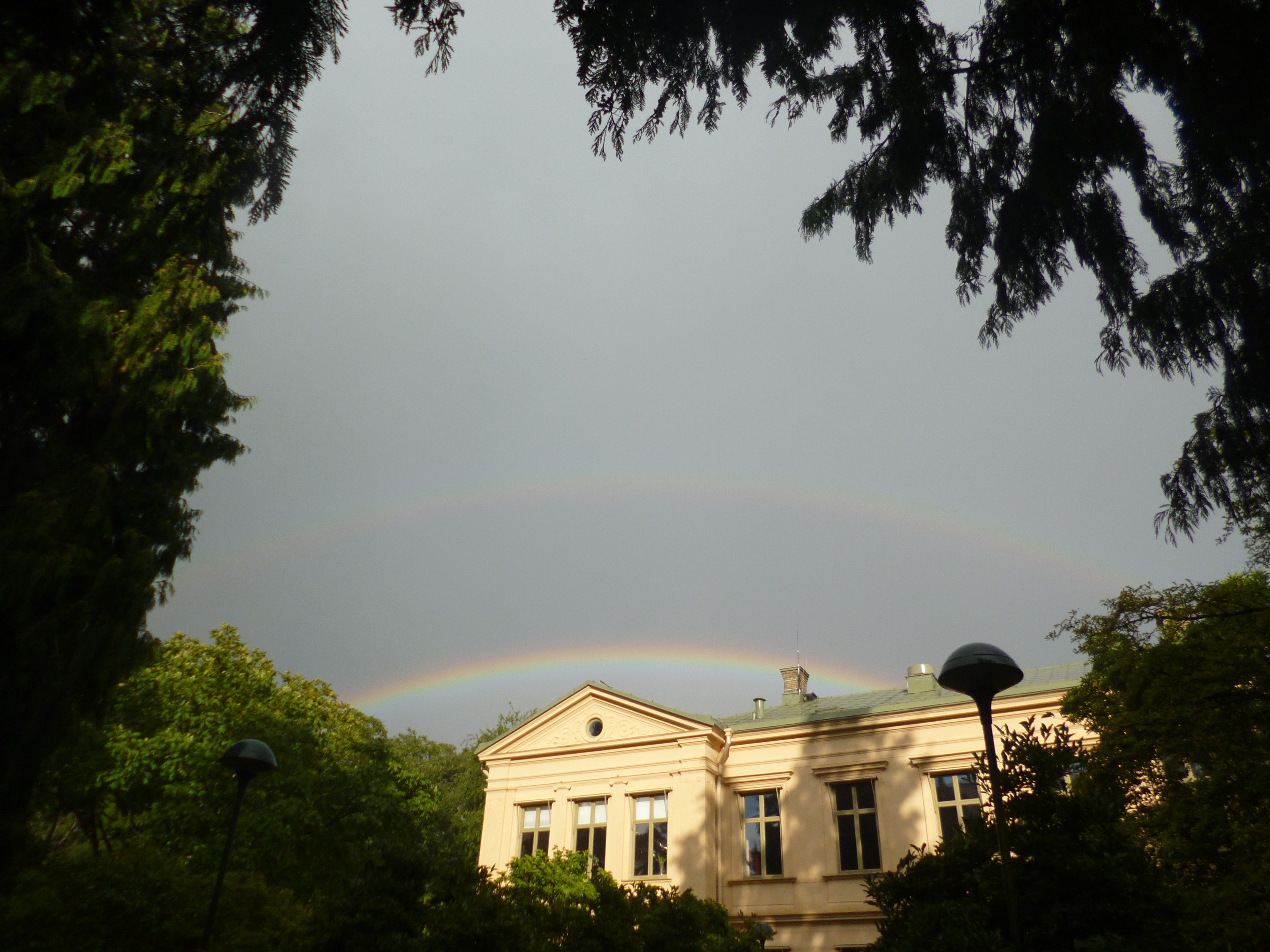
Double rainbow above park, with grey sky and sunlit building.

Amseln und Schwalben

Im Saum des bewimpelten Wipfels,
im Dämmer erquickenden Tröpfelns
entfalten die Amseln Voluten
von Flötentönen und Fluten
von Jubel in wechselnden Wind!

Und lauter und lauter schon pfeifen
und höher und höher schon streifen
die Schwalben in schwindende Wolken,
als warte der Morgen schon golden…
Ein Regenbogen erglimmt.

Christina Egan © 2017

Double rainbow in Lund, Sweden. Photograph: Christina Egan © 2017.

Rhymes / Known

Rhymes

No, our names don’t rhyme well,
we come from far-off lands –
but neither rhyme nor reason
can censor our hands,

those hands that seem created
to grasp the chance, to grasp
each other, tight and quiet,
as if two souls could clasp.

Yes, hills from hills are distant
and can’t wed as they would,
they cannot warp and wander –
but people could and should.

Christina Egan © 2004

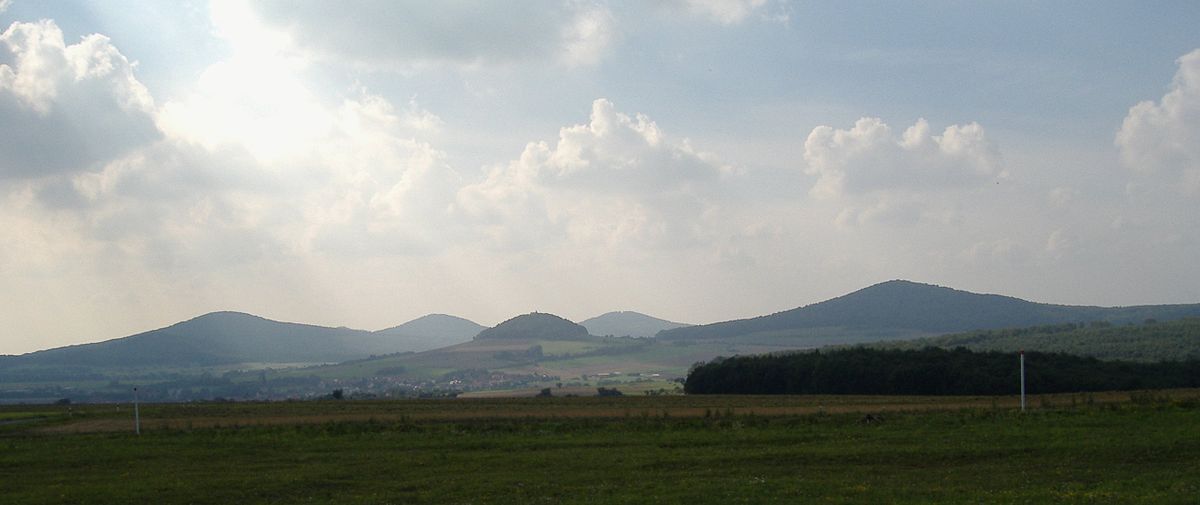
Silhouette of low silver-blue mountain range against silver-blue sky, just like in the poem.

Known

I’ve smelt the rarest rose of snow,
I’ve tasted of the sun’s last glow.

I’ve met you on a cloud-veiled ridge,
perhaps the planet’s highest bridge.

I’d looked out long. And now I’ve seen.
I’ve once been loved. I’ve known. I’ve been.

Christina Egan © 2004


The thought that people, unlike mountains, can get to each other across distances, goes back to a Greek proverb.

Photograph: “Kegelspiel” by N8mahl at the German language Wikipedia. Licensed under CC BY-SA 3.0 via Commons.

Eat the World (When you get older)

Eat the World

When you get older,
you want to eat the world
for breakfast.

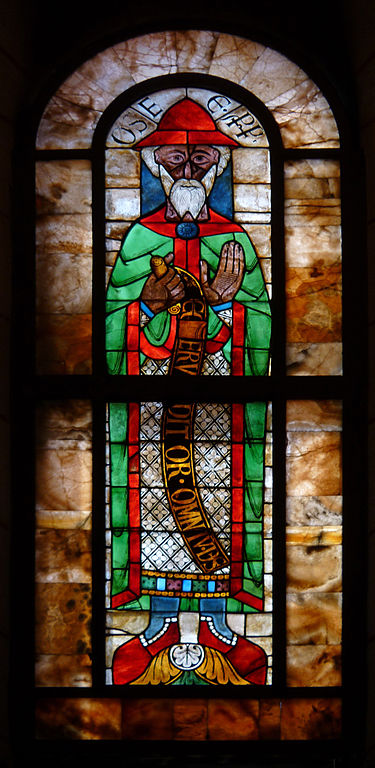
Colourful ancient glass window, prophet in red hat, red shoes, green cloak.When you get older,
you want to consult the radiant prophets
in the high sky-blue windows,
to soak up the tranquil cathedrals
of soaring silvery tree-trunks,
before the acid turns all of this
into sooty ruins.

You want to sprint to the station tonight
and jump on the train, shooting
through tunnels, under the city,
under the ocean, under the mountains,
through to the other side of the earth!

You want to slip into sleek capsules
to float up slopes, up skyscrapers,
up cliffs, up lighthouses,
up towards the clouds and
through the clouds!

When you get older,
you feel as if you could almost fly
into the sun already.

Christina Egan © 2017

Photograph: Prophet Hosea, window in Augsburg Cathedral, around 1100. By Hans Bernhard (Schnobby) (Own work) [CC BY-SA 3.0 or GFDL], via Wikimedia Commons.

Ex tenebris (The day is like a daffodil)

Ex tenebris

The day is like a daffodil. Yet
the green garland of the garden,
the golden garland of the sunset
cannot dispel the dark of the depth.

On the crests of the hills,
tiny blue brushstrokes,
you can watch them wander,
the deceased and the unborn.

My heart is a fist in my chest.
My tears are grapes of glass.
No one sees them: no one sees me.
I am alone with the angels.

Christina Egan © 2017

Daffodils and narcissus growing thickly around a fivefold gnarled treetrunk.Photograph: Christina Egan © 2013.

Die blauen Fernen

Die blauen Fernen

Fernab der Meere und der mächtgen Ströme
liegt meine Hügelheimat hingebreitet;
mit jeder Wendung, Steigung, die ich nehme,
wird mir der Blick auf neue Höhn geweitet.

Was braucht es Meere, wenn uns Wald und Wiesen
und Feld und Felsen und die blauen Fernen
wie Wellenberge, Wellentäler fließen,
den Schritt beflügeln und das Herz erwärmen?

Die Luft ist rein, mit Duft und Kraft geladen,
die Glieder und den Geist mir zu verjüngen;
und winters werden Schnee und Nebelschwaden
des Eismeers Zauber in die Berge bringen.

Christina Egan © 2016


One stanza of this poem is printed in the Rhönkalender 2018 with a photo from that part of the Central German Highlands; the whole poem has been published in the Münsterschwarzacher Bildkalender 2019.