My Pack of Cards

            My Pack of Cards

My pack of cards, when it was new,
was green and yellow, red and blue:
            from grass and leaves
            to golden sheaves,
            from glowing grapes
            to frosty flakes!
The leaves peeked out, unfurled, and grew,
flared up, fell off, when they were due.
            The fruits were round,
            the ice was sound.
            My year was clear,
            my joy was sheer.
My pack of cards is worn and torn –
my world is pale, and I’m forlorn.

            Christina Egan © 2016

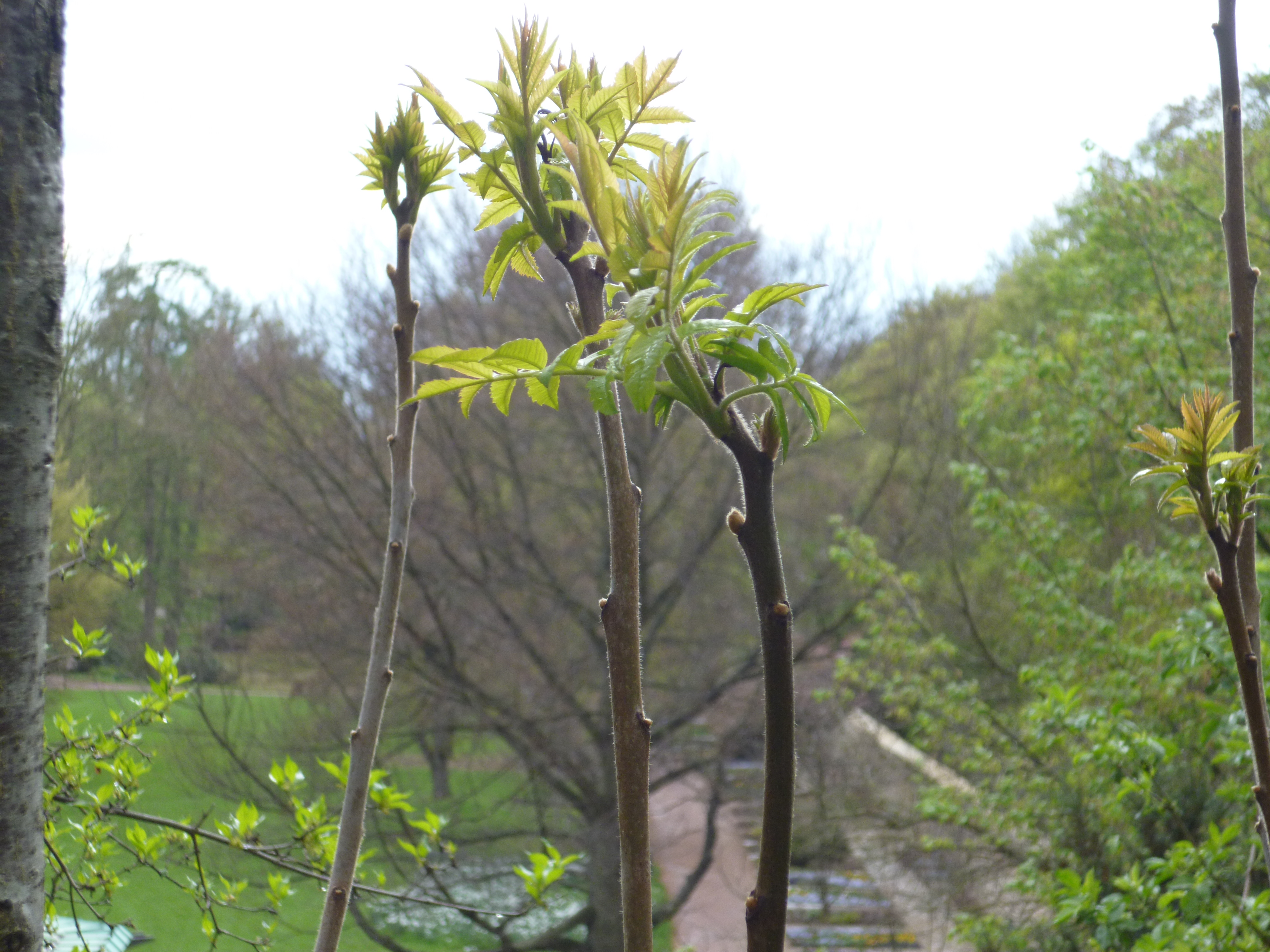
Buds and fresh leaves on top of shoots above a parkIn children’s picture books, the four seasons are sometimes painted in four basic colours; everything is in its place, everything is perfect. Of course, it has never been like this: the weather is always unpredictable, particularly north of the Alps.

However, at the place where I grew up — Central Europe — the seasons were more clearly marked and more stable than on the British Isles. I also believe they were more regular: they seem confused and shifted just now. It is disorientating and worrying…

You can find an impression of undefinable weather at Cimmerian Summer whether it is due to the British climate or to global changes, I do not know.

The poem also expresses nostalgia for childhood, when everything on earth seems in its place. It was inspired by children’s picture books, which often allocate four basic colours to the four seasons.

Photograph: Schloßpark Fulda. Christina Egan © 2014.

Aprilabend

Aprilabend
(Schloss Fasanerie bei Fulda)

Der Tag ist hoch; das Licht liegt leicht und lange
auf Moos und Gras und neugebornem Laub,
das jetzt in namenlosem Lebensdrange
fast fühlbar vorwärtsdrängt und blind vertraut.

Das Tal ist weit; die fernen Kuppen ragen
schon wieder kühn und unbeirrbar blau.
Zuletzt sind Schnee und Nebel doch begraben
und alle Linien farbig und genau.

Christina Egan © 2012


This impression of a spring evening with its unstoppable urge to live has been published in a previous edition of the Rhönkalender.

The view goes from Schloss Fasanerie (Eichenzell near Fulda, Germany) across the wide valleys towards the Rhön Mountains. You have to have lived in a northern country and suffered through the snow and fog to appreciate the rebirth of light and colour, grass and leaves!

An automatic translation can render most of the meaning, but not the music of the words, which emulates the beauty of nature.

See also the word cloud “Warten/Garten” at Warten ist der Winter, framed by keywords from Aprilabend: “nameless” and “unwavering”, “pressing forward” and “vital energy”.

Siegeskranz

Siegeskranz

Vor fünfzehnhundert Jahren,
da hab’ ich einen Kranz
aus Lorbeer und aus Ölzweig
gelöst und eingepflanzt.

Mein einst mit dunklem Lorbeer
gekröntes goldnes Haar
blieb fortan ungefeiert
und bleichte Jahr um Jahr.

Nach sieben Sommern aber
bot meine Ölbaumschar
die  bittersüßen Früchte
mit stolzem Lächeln dar.

Und Völker schwollen, ebbten,
und Rom verging in Rauch;
doch aus dem Kreis von Zweigen
entsproß noch Strauch um Strauch.

Und Bäume blühten, dorrten
und sanken in den Staub;
doch immer wieder grünte
das zähe Ölbaumlaub.

Nach fünfzehnhundert Jahren
betret’ ich einen Hain
aus silberhellen Hölzern
und spüre: Er ist mein.

Christina Egan © 2015

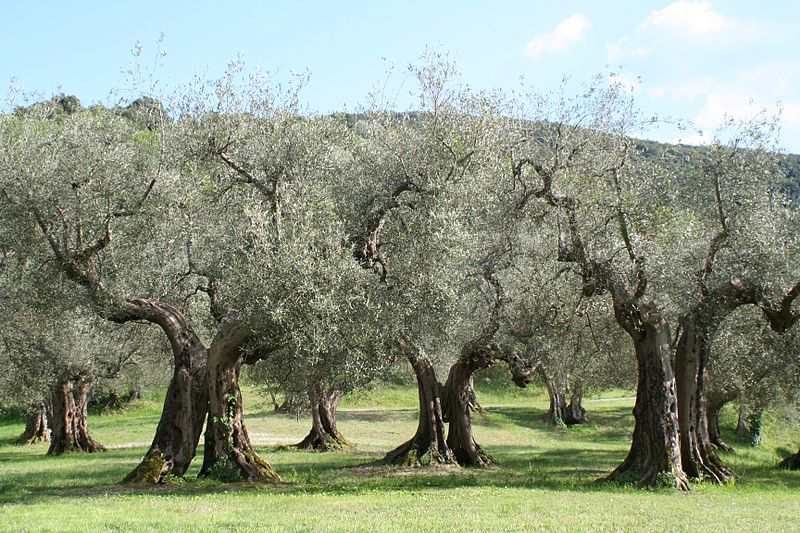
Olive grove, trunks and tree-tops silvery grey, like ashes.

Someone plants an olive grove towards the end of the Roman Empire, comes back to earth fifteen hundred years later — and recognises the descendants of her or his trees, which have survived the Dark Ages and are still thriving.

The narrator had taken the original olive shoots from her (more likely, his) victory garland, for instance for a poetic contest; so they could be an image for a contribution to civilisation in late antiquity which is relevant to this day.

For an English story about the end of Rome and its afterlife, go to The City Lit Up.

Photograph: ‘Olivenbäume in Umbrien’ by Adrian Michael.