April (Aufquellend)

April

Aufquellend
wie Perlennester
der Vogelgesang
voller Lust.

(Eingezingelt vom Gebrüll
der Preßlufthämmer.)
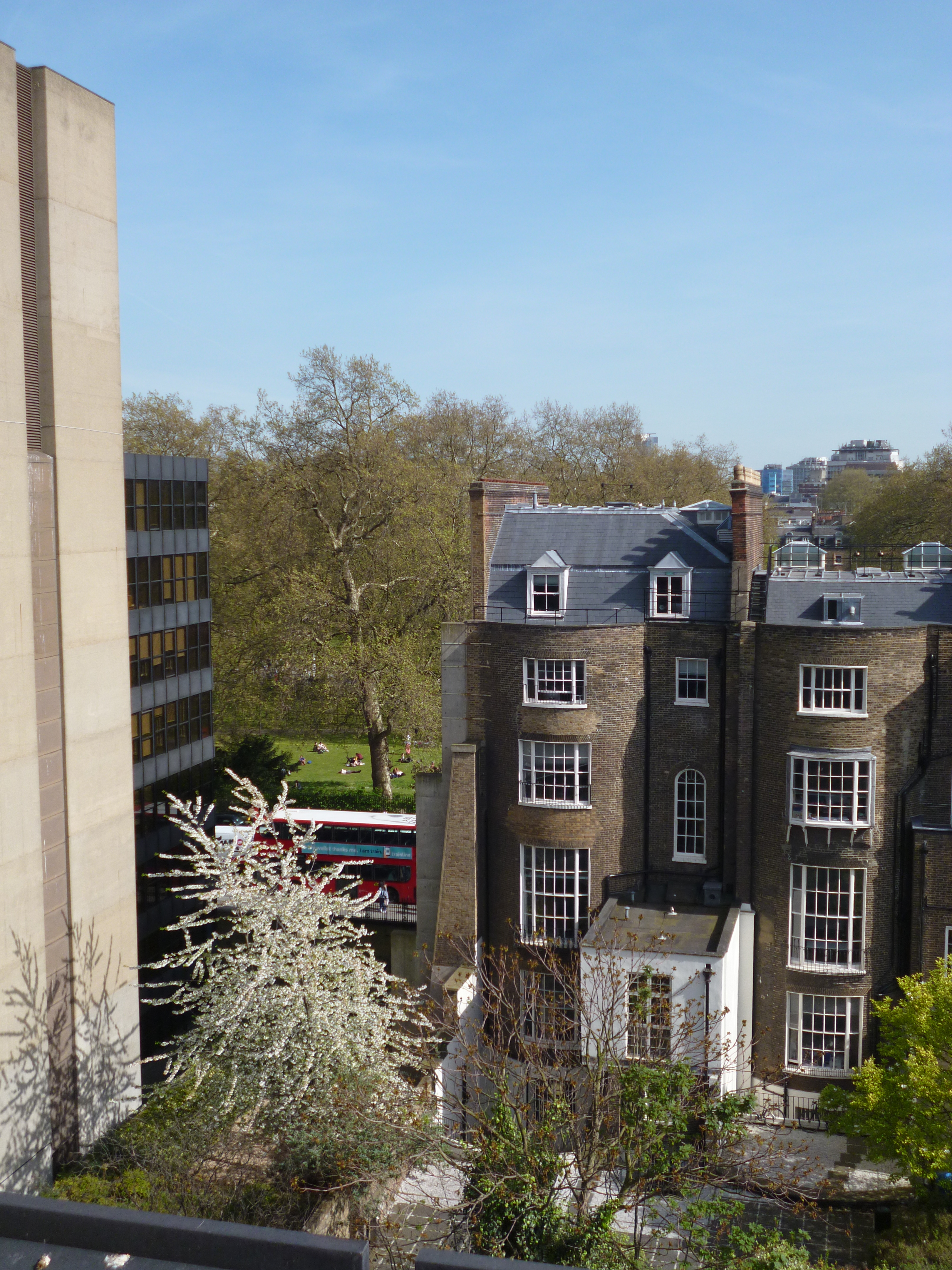
Amongst high, dark, buildings, lawns, trees in blossom, and in the middle, a red doubledecker bus.Blütenwolkenweiß
und babyblättergrün
lacht das Land,
lacht die Luft.

(Aufgeschnitten in kleine Gevierte
zwischen den braunen Backsteinbauten.)

Jetzt sind Licht und Wind.
Jetzt ist Atem, endlich.
Jetzt ist das Jetzt
ein Jetzt.

Christina Egan © 2006
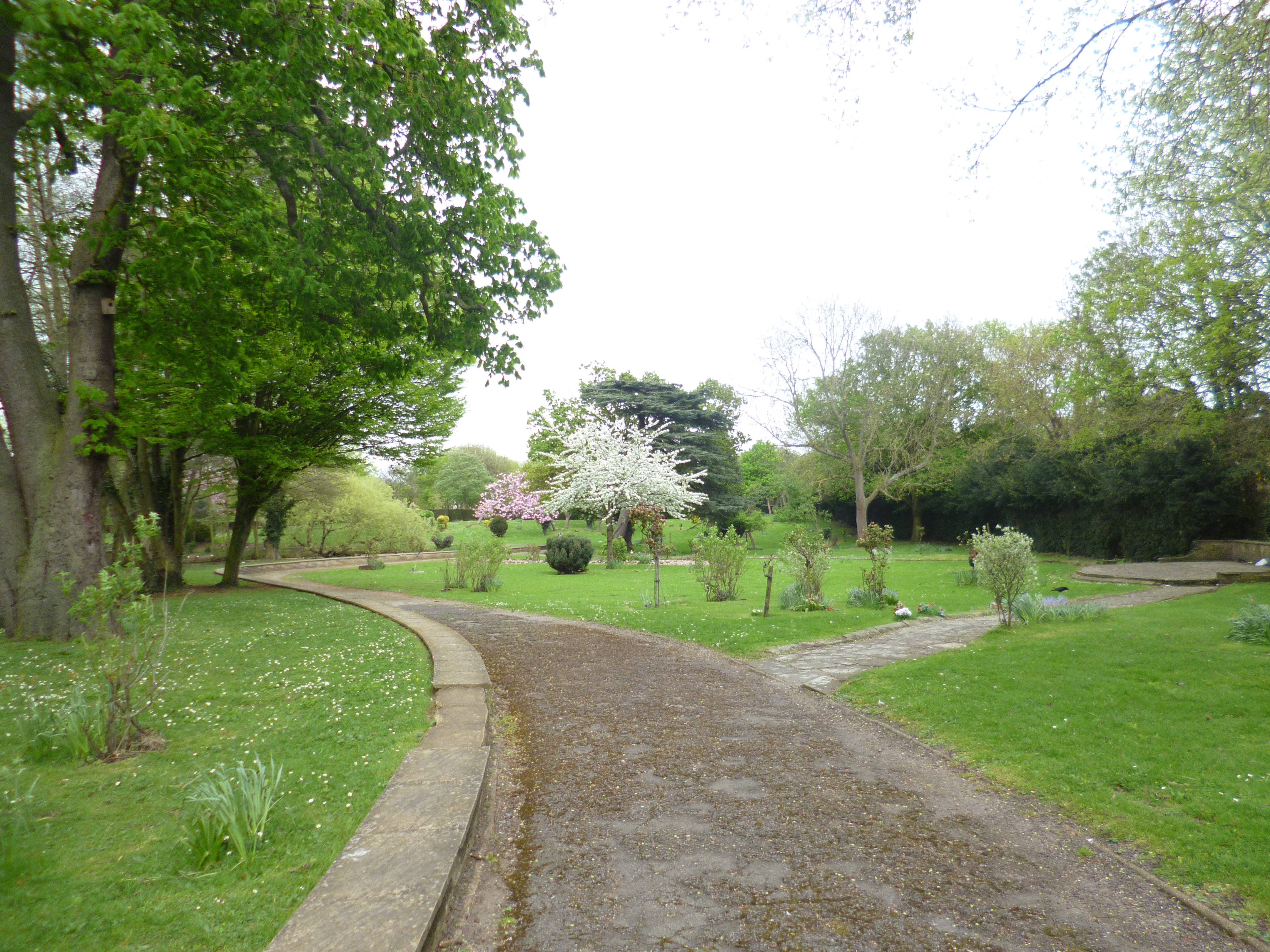
Park with bright green lawns and tree-tops; in the centre two trees covered in pink or white blossom.

Russel Square; Tottenham Cemetery. Photographs: Christina Egan © 2016/ © 2018.

Aprilabend

Aprilabend
(Schloss Fasanerie bei Fulda)

Der Tag ist hoch; das Licht liegt leicht und lange
auf Moos und Gras und neugebornem Laub,
das jetzt in namenlosem Lebensdrange
fast fühlbar vorwärtsdrängt und blind vertraut.

Das Tal ist weit; die fernen Kuppen ragen
schon wieder kühn und unbeirrbar blau.
Zuletzt sind Schnee und Nebel doch begraben
und alle Linien farbig und genau.

Christina Egan © 2012


This impression of a spring evening with its unstoppable urge to live has been published in a previous edition of the Rhönkalender.

The view goes from Schloss Fasanerie (Eichenzell near Fulda, Germany) across the wide valleys towards the Rhön Mountains. You have to have lived in a northern country and suffered through the snow and fog to appreciate the rebirth of light and colour, grass and leaves!

An automatic translation can render most of the meaning, but not the music of the words, which emulates the beauty of nature.

See also the word cloud “Warten/Garten” at Warten ist der Winter, framed by keywords from Aprilabend: “nameless” and “unwavering”, “pressing forward” and “vital energy”.

April Rules the Land

April Rules the Land
(April haiku)

April rules the land,
leaden and golden in turns,
wayward as we are.

*

Oxford Street, busy,
a splintered rainbow, patterns,
shaken and broken.

*

The white narcissus 
sings with a voice as sweet as
her brother blackbird.

Christina Egan © 2000

The last haiku originally referred to ‘the ivory rose’, although in England, outdoor roses do not blossom yet in April. When I changed the wording to ‘the white narcissus’ to link it to the season and month, I did not know that the flower’s official name is Narcissus poeticus, or Poet’s Narcissus!

The ivory rose
sings with a voice as sweet as
her brother blackbird.