Still here: still striding into the drizzle across the buzzing roads and straight across the green with my hair getting frizzy and my eyes getting dazzled by the purple orbs on the tale pale thistles
Still off-screen: mounting the white cliff of the sky-scraper with my own eyes still off-air echoing the whistle of the lime-green parrot with my own voice still off-map facing the buffets of the wilful winds with my own face
Still no gloss on top of the gloss still no sheen on top of the cream upon the click of a button the command of a machine
Still here: still pounding the moistened pavement with my own feet still brushing the sparkling bush with my own hands still whispering some half-rhymed lines with my own lips
For my birthday, I am posting some recent verse, which came to me during an enjoyable walk on a dull summer’s day.
I still live largely without social media, and I have still never had a smartphone, nor a motorised vehicle.
I still try to live an authentic life: walking for miles and travelling overland, reading plenty of print and writing letters by hand, growing my herbs and cooking from scratch…
The first poem of the year takes place in Roman streets again, in the midst of Cologne, in Sankt Andreas, the mighty mediaeval church right opposite the Cathedral. When you descend into the crypt, you are pretty close to antiquity. All around, Roman walls are displayed, or simply still standing.
For an English poem about Cologne with a similar content and in a similar style, see My City Calls (Grey Roofs Grey Walls). There, it is the city itself which provides comfort and hope, as religious faith does here. I noticed the striking parallel only yesterday on relaunching my poetry blog!
Ich bin wieder da :o) ! My anthology of poetry is back!
Some of you have wondered why I have not posted anything recently. I have continued writing, of course, and have had poems published in newspapers and on calendars, which I shall all put up here also.
Two years ago, I had already published 600 of my best poems on this site, so I have raised my target from 500 to 1,000 poems! This is not about mass, though, this is about quality of poetry.
Half of the texts are in English and half in German, so I hope that many readers in many countries can enjoy them. My comments are in English, trusting that most of you can read them easily. Remember that automatic translations cannot convey the magic of literary language. Sometimes, I translate my verse, or rather, recreate it in the other language. (These posts are marked as Parallel poems.)
Feel free to use my poems and photos for any non-commercial purposes as long as you always give my name or the name of the site (Christina Egan – Poetry & Plays), and if it is online, link to the post or the site. (See copyright note below.)
Keep reading and reciting poetry – and perhaps writing some!
A new poetic form: three lines in each stanza, with irregular lenght and irregular rhymes — but each stanza having ten stressed syllables, with one unstressed syllable in between, making the flow of the language regular, natural and musical at the same time!
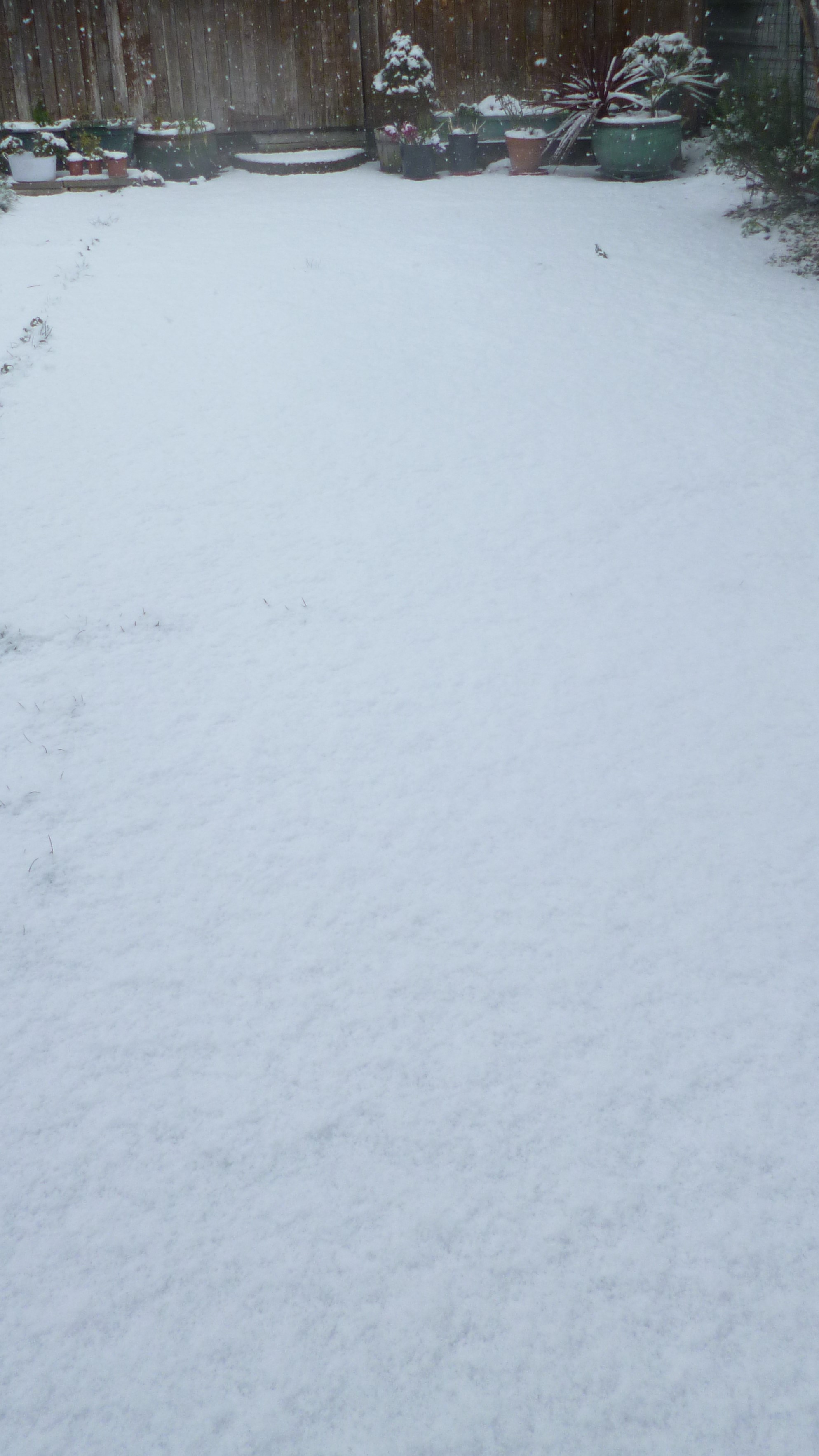
The poem was written on February 14th. The Rhön mountains have a harsh climate with long winters characterised by cold and snow and fog. All the more is spring welcome, even the early signs of it…
Wie Kalksteinhügel liegen deine Wangen und deine Haare wie ein Pinienwald. Schon zittert meine Seele vor Verlangen nach deiner bloß erratenen Gestalt.
Ein dunkler Doppelsee sind deine Augen, noch beinah unberührt und unergründlich. Ob sie auch meine Zukunft in sich bergen, ist beinah ungedacht und unerfindlich.
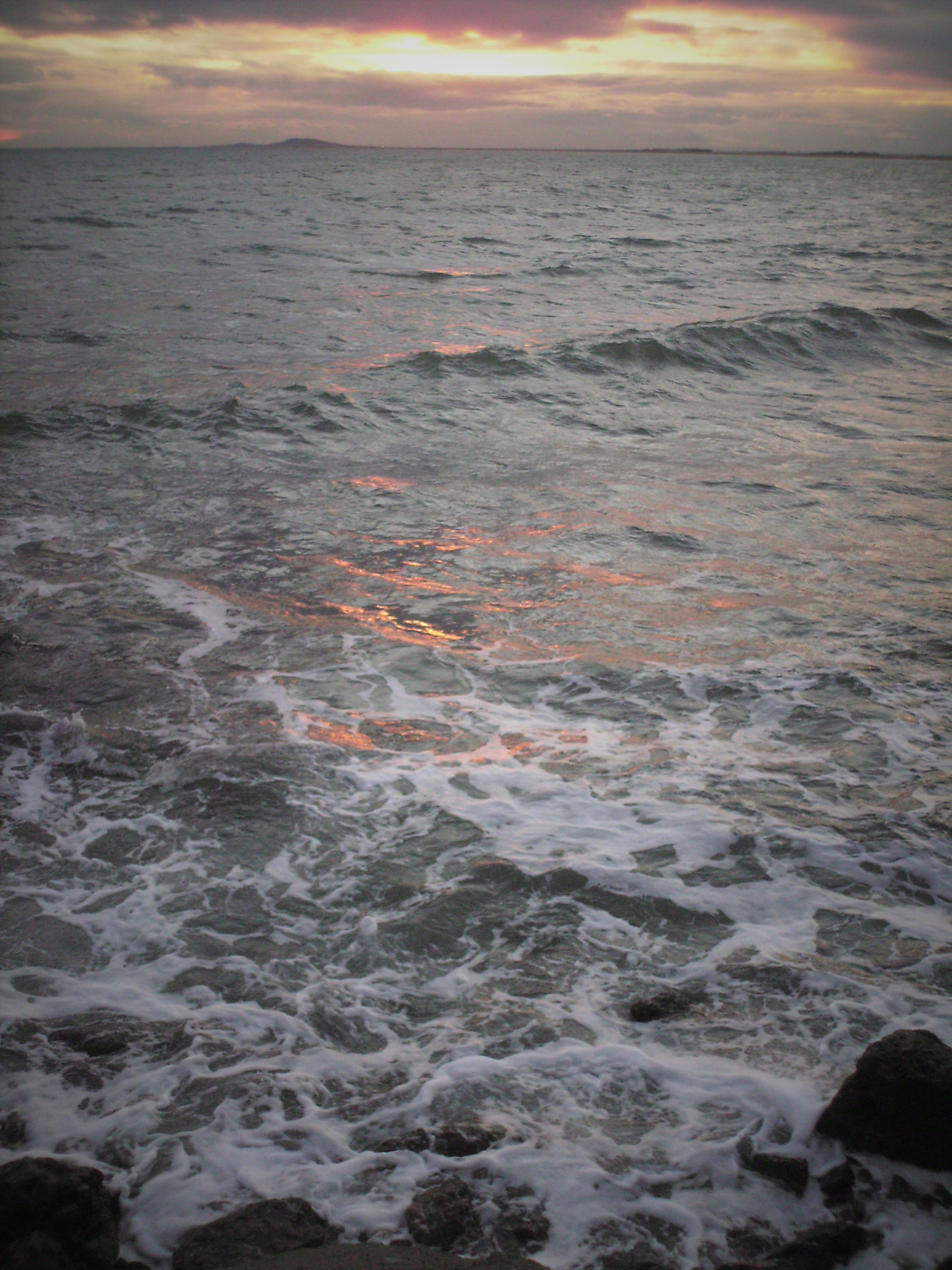
Und wie das warme Meer rollt deine Stimme, wenn sich orangerot der Tagstern neigt… O schautest du nur auf und hieltest inne – und würdest niemals bloß Vergangenheit!
Description of a new acquaintance in terms of a Mediterranean landscape.
The title plays on the double meaning of the German word “presence” / “present”: the speaker is mesmerised by the other person and already has a faint hope that he or she will become the future… and never slide back into the past.
Real candles, even made of beeswax, are still common on Christmas trees in Germany, and lametta is used more sparingly and usually silver, reminiscent of snow.



 Christina Egan