rosengarten (II. sprühendgrau)

rosengarten

II.

sprühendgrau

die ungeahnten sonnenglanz vergießen
die regenschauer und den regenbogen
zu einem milden meeresgrau verwoben
die augen sollen meine verse grüßen.
dem nebelland das immerkalte wogen
in ungestümem reigentanz umschließen
den inseln voller sprühendgrüner wiesen
sind jene augen ursprünglich enthoben.
drum frag ich nicht nach lilien und lavendel
die flammen sprühen auf gebeugtem stengel
noch nach des südens uferlosem blau
nichts brauche ich als meinen kleinen garten
wo alle wunder lächelnd meiner warten
die bunte welt geballt in sprühendgrau.

Christina Egan ©2023

This sonnet is part of a cycle of 14 poems, whereby each line of the first one (rosengarten I. tiefversteckt) furnishes the first line of a new sonnet.

The island described here is Ireland, but the cycle takes you to other islands, as well as to the palace gardens of Würzburg, Germany, which first inspired me.
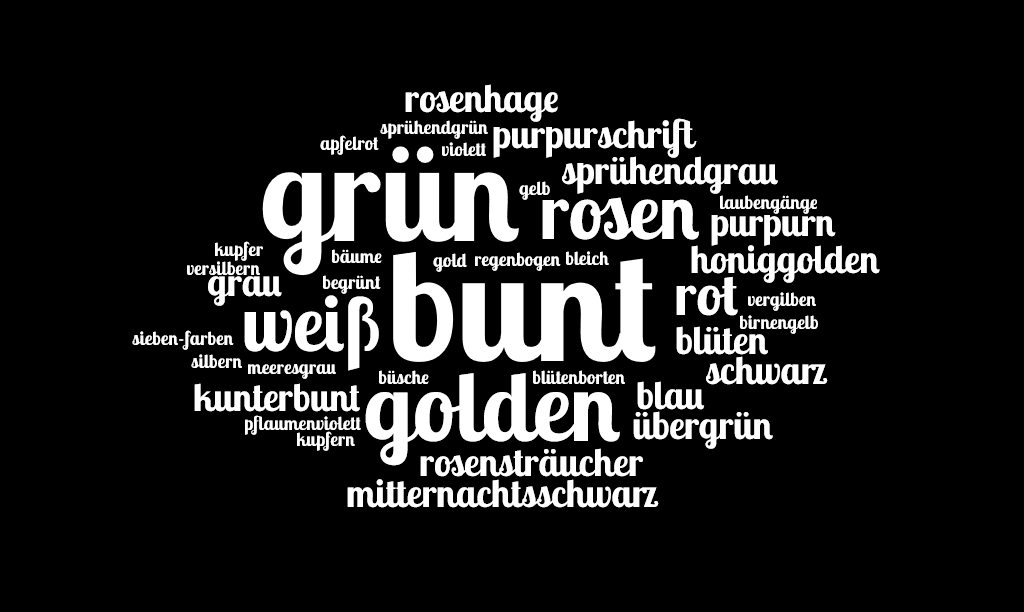
Word cloud of colours and flowers and in white on black; in the middle, "multi-coloured", "green", "golden".

Word cloud of colours in the German sonnet cycle (rosengarten I-XIV), generated on the Simple Word Cloud Generator. In the middle are “colourful”, “green”, and “golden”. Since the colours of the roses are not described, the roses themselves are added.
Shooting-stars (Damp Wood)

Shooting-stars

Damp wood, damp walls: the world smells of decay.
The scented roses are resurgent, yet
too many leaves are falling, fallen, wet
across the spotless lawn, the winding way.
Above Bruce Castle’s reddish parapet
and wayward weather-vane, the veil of grey
is torn apart to let a dazzling ray
caress the clock-face, still for summer set.
The light is fierce and will not be subdued,
the clock smiles sky-blue with a rim of gold,
the grass is glittering and fresh and bold,
and then the sky itself triumphs, renewed.
All this eclipsing, flash on flash, they pass:
the parakeets, a dozen shooting-stars.

Christina Egan ©2020

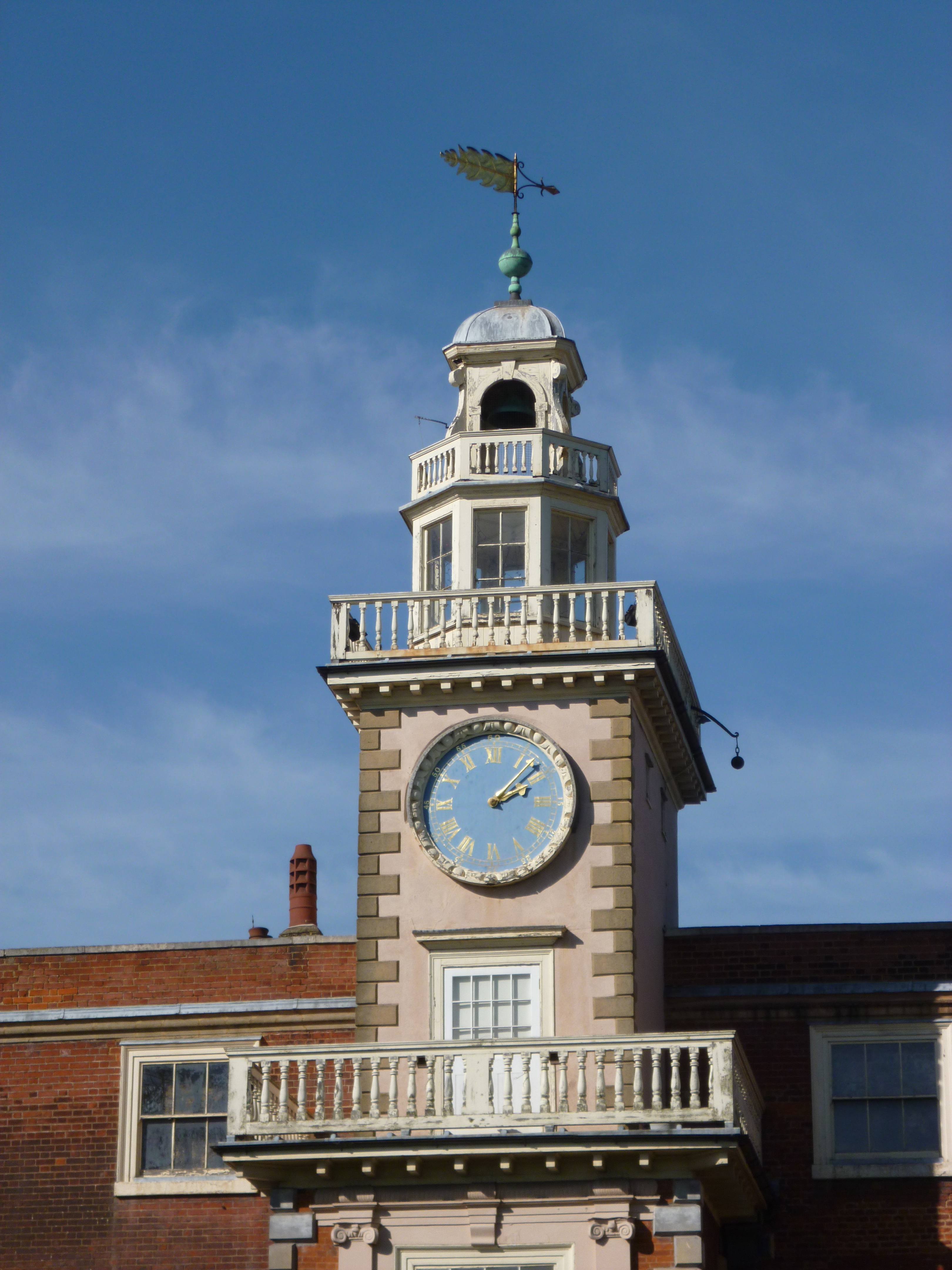
Turret painted in pink, with bright-blue clockface and golden weather-vane, under a blue sky.
Bruce Castle, Tottenham, England.
Photograph: Christina Egan ©2017.

This sonnet was read at an
event of Tottenham Trees
at Bruce Castle Museum
in November 2024, together
with Thought Bench and
Hollow Oak (Anglo-Saxon spell).

rosengarten (I. tiefversteckt)

rosengarten

I. tiefversteckt

wieviele monde sind uns noch beschieden
die ungeahnten sonnenglanz vergießen
wieviele rosen werden uns noch sprießen
aus blut und duft als wäre leben lieben?
wieviele strände dürfen wir genießen
im wilden norden und im kargen süden
wo winde endlos sich mit wellen wiegen
wieviele sommer sind uns noch geblieben?
du bist der tiefversteckte rosengarten
den ich nach langem suchen langem warten
betrübt doch immer hoffnungsvoll betrat.
du bist der mond der gleich der sonne leuchtet
du bist die brandung die den sand befeuchtet
du bist die erde wie am ersten tag.

Christina Egan ©2023

This sonnet forms the basis of a cycle of 14 poems, whereby each line furnishes the first line of a new sonnet (Continental pattern). Watch this space for the rose garden project (ROSENGARTEN).

This cycle is not about gardens alone or about islands, although many far-flung places will be reflected in these lines: it is about finding love and happiness, going through life together, finding liveable spaces…

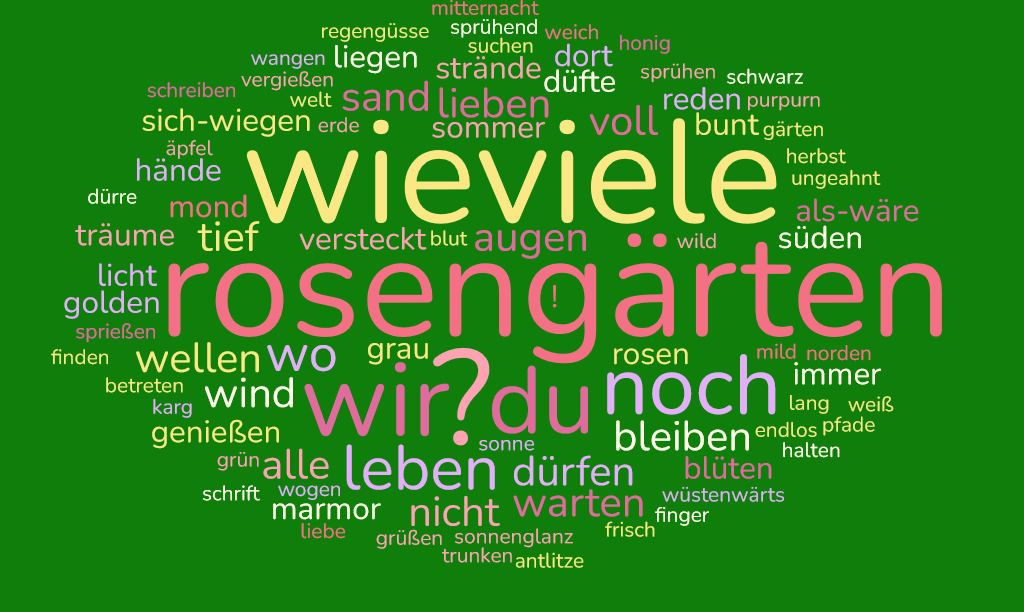
Word cloud in reddish and yellowish colours on green; in the middle, "how many" "rose gardens", and a question mark.

Word cloud of ten German sonnets (rosengarten I-X),
generated on the Simple Word Cloud Generator.
In the chance arrangement, words picked out
by size and colour form the sentence:
“how many rose gardens where we,
(O) you, may yet live?”

P.S.:
You can now view a word cloud of all 14 sonnets at WordItOut
and have it printed on a mousemat or mug or fridge magnet!

The Hallowed City

The Hallowed City

I.

Aliusque et idem nasceris

When last I looked upon that golden hill,
the only coal-grey clouds along its crest
were pine-trees of Mediterranean zest,
clear-cut against the blue, timeless and still.
When I surveyed the city from the west,
beyond the river and the seventh hill,
my thirsty eyes rejoiced and drank their fill…
A pilgrimage it was and pagan quest.
Behind me passed the Sun on wheels of fire,
accompanied by Mnemosyne’s lyre.
Was this my long-lost and recovered home?
Born here and buried, had I now returned,
the same and not the same? My eye-lids burned.
This is the hallowed city. This is Rome.

Christina Egan © 2018

Drawing of curving Roman aqueducts crossing over

II.

Pulchrae loca vertor ad urbis

My eyes have seen the marble halls of Rome,
resplendent like the mighty mistress Moon
and multi-coloured like a field in bloom;
I’ve watched the buildings grow in brick and stone.
I’ve stood beneath the proud and perfect dome
which emulates the heavens’ sparkling room
and holds our destiny from dawn to doom.
I’ve roamed those hills and called a roof my home.
I’ve heard the chanting children, sighing harps,
the darting chariots and creaking carts,
the swish of virgin water, purple wine,
I’ve seen the aqueducts descend and curve,
the roads roll into Rome, unite, disperse —
I’ve tasted all that splendour. It was mine.

Christina Egan © 2018


The first blogpost of the year deals, as always, with Roman roads!

The impression of aqueducts, which illustrated one of my parents’ books about ancient civilisations, informed my entire life. Unfortunately, I do not know the artist, but there does not seem to be a copyright on it.

The quotes are from two Roman poems about Rome, Horace’s Carmen saeculare and Ovid’s Tristia.

I apply Horace’s idea that the sun is daily reborn, another and yet the same, to a person who feels he or she was reborn into this world many centuries later, another and yet the same; and I reinterpret Ovid’s lament about remembering his home from exile as a modern person’s longing for antiquity. Mnemosyne is the Greco-Roman divinity of memory, and the Sun and Moon, of course, are mighty gods, or at least representations of gods.

Die Steine sprechen

Die Steine sprechen

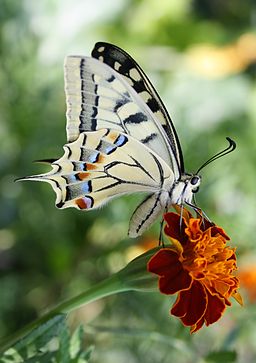
Swallowtail butterfly, cream-coloured with graceful pattern in sky-blue and burnt-orange, on a flower in burnt-orange.Die Steine künden von der jungen Braut
im dunklen buntbestickten Sonntagsstaat,
die strahlend auf die alte Schwelle trat,
und von dem Schwalbenschwanz im hohen Kraut.
Die Höfe sind auf karges Land gebaut,
wo zwischen Weizenfeld und Waldesrand
schon vor Jahrtausenden ein Flecken stand.
Die Steine sprechen, und sie sprechen laut.
Die Kannen klappern, und der Wagen knarrt,
die Gänse schnattern, und das Zugpferd scharrt.
Mit Engelsstimme schallt die Glocke hin.
Das Spinnrad schnurrt; am Brunnen seufzt der Wind;
am Feuer schreit der Bäuerin zehntes Kind.
Die Steine sprechen; hörst du aber hin?

Christina Egan © 2017


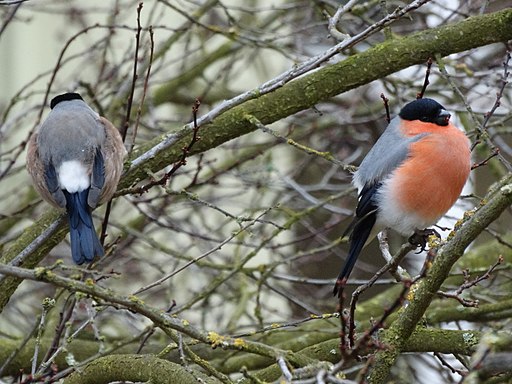
Bullfinch couple on wintry twigs; deep-blue tails and heads, the male with a bright-red breast.


This sonnet is dedicated to the farmers Maria Gutermuth and Paul Jordan, whose tenth child (not the last one) was my grandmother. I can only imagine this type of peasant life from books and pictures, but my father witnessed the very last of it.

In my great-grandparents’ village Dalherda in the Rhön mountains, where harsh conditions of soil and weather prevented prosperity through agriculture, the inhabitants had excelled at two particular crafts, carving wooden utensils and breeding bullfinches as songbirds.


Photographs: Swallowtail Butterfly (German name: ‘Schwalbenschwanz’). By Werner Pichler (Vom Autor) [CC BY-SA 3.0], via Wikimedia Commons (Featured picture). – Bullfinch couple (German name: ‘Dompfaff’ or ‘Blutfink’.) By Ἀστερίσκος (Own work) [CC BY-SA 4.0], via Wikimedia Commons.

The Eagle’s Outpost

The Eagle’s Outpost

Gently, I lay my hand upon a stone:
it snuggles up to my pulsating palm.
The last time it enjoyed the sun god’s balm,
he gilded nimble chariots of Rome,
and legionnaires patrolled the city walls
above the river of a thousand miles,
while olives, dates and spices glowed in piles
and glittering fabrics flowed from shaded stalls.
The halls were fashioned of a thousand stones;
so were the roads rolled out to many lands;
and all were laid by many thousand hands…
This eagle’s outpost held ten thousand souls –
A dream of dreams, lifted into the light:
I was in Dura Europos last night.

Christina Egan © 2018

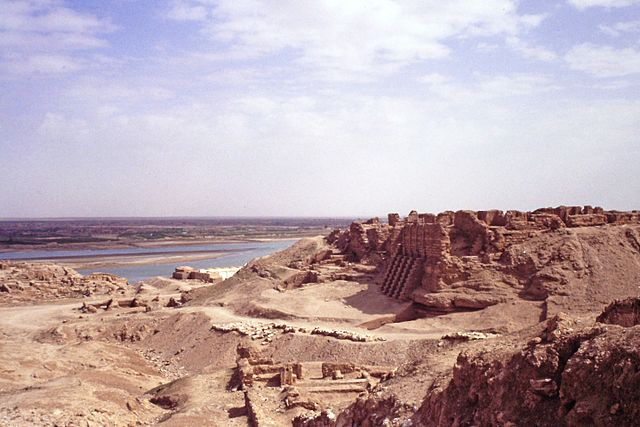
Runis of fortress on hilltop in arid land, above wide river with green fields.

The ruins of Dura Europos above the Euphrates, today in Syria, in 2016.
Photograph
 by Marina Milella [CC BY-SA 4.0], via Wikimedia Commons.


After 500 poems, the usual poem about a Roman Road to start the year!


City Made of Dreams / Stadt aus Träumen

City Made of Dreams

This is the city made of dreams: it knows
no end. Its splendid roads roll on and round
the bristling castles and across the mound
and down across the squares. Its fabric glows.
But right below this net of rugged ground
a second net of ample pathways flows:
the rivers and canals in sparkling bows;
below the bridges, barges go around.
I stand astounded, lost amongst the towers
and giant spires, and walk on for hours…
This is the ancient city without end.
A steep and green embankment is resounding
with laughter and guitars, with life abounding.
This is the Queen of Flanders: this is Ghent.

Christina Egan © 2018

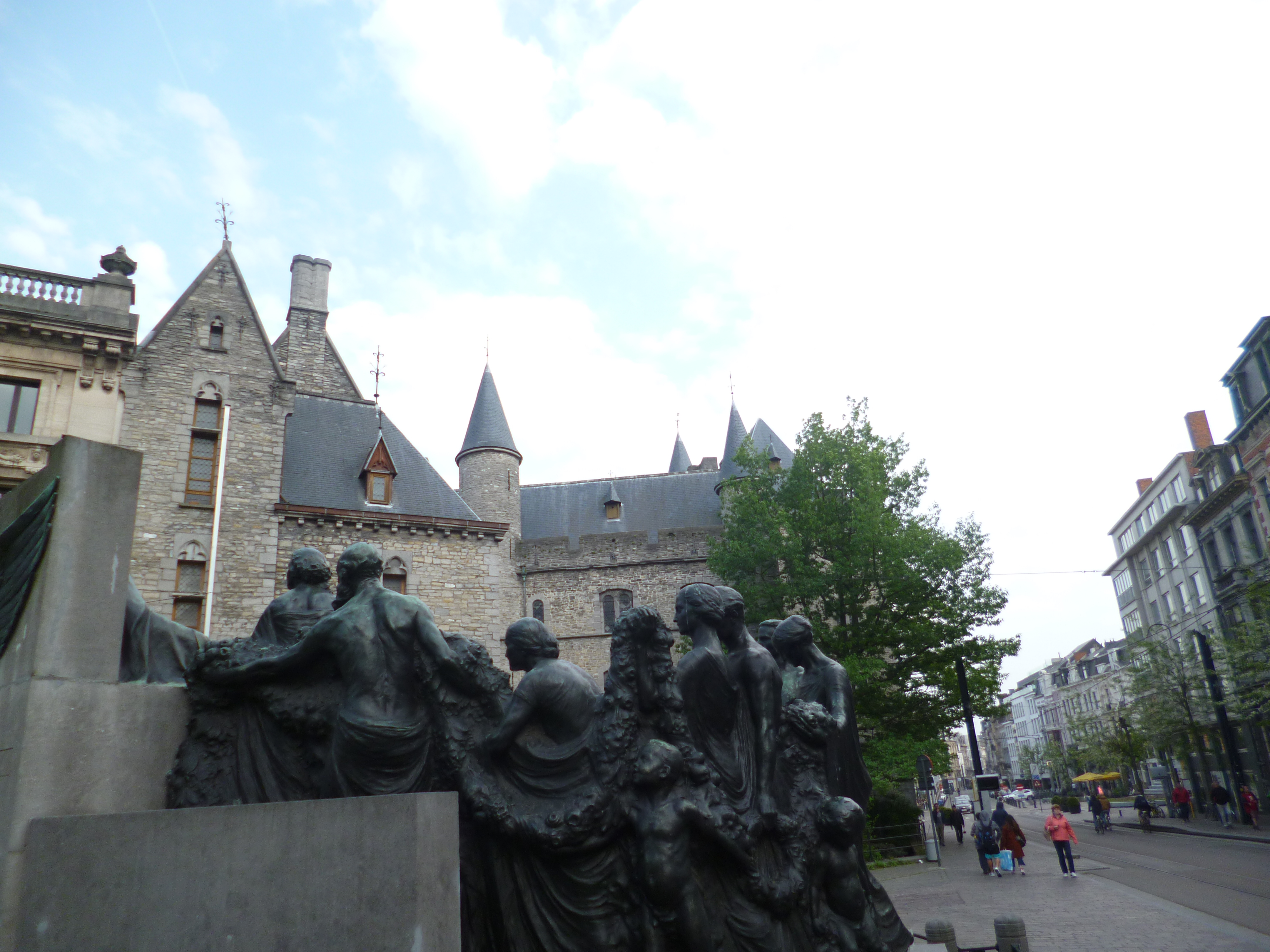
Castle with turrets directly on high street, with life-size statues of historical figures in front.

Stadt aus Träumen

Dies ist die Stadt aus Träumen. Ihr Gehege
ist grenzenlos. Die stolzen Straßen klimmen
empor den Hügel, strömen um die Zinnen
und über Plätze, leuchtendes Gewebe.
Doch unter jenem rauhen Netz der Wege
sieht man ein zweites weites Netz sich krümmen,
Kanäle oder Flüsse glitzernd rinnen,
und Boote gleiten unter breite Stege.
Ich steh verwundert, wandere verloren
im riesenhaften Wald von Türmen, Toren…
Dies ist die Altstadt, die kein Ende kennt.
Die steile grüne Böschung hallt mir wider
vom frohen Rhythmus der Gitarrenlieder.
Dies ist die Königin von Flandern: Ghent.

Christina Egan © 2018

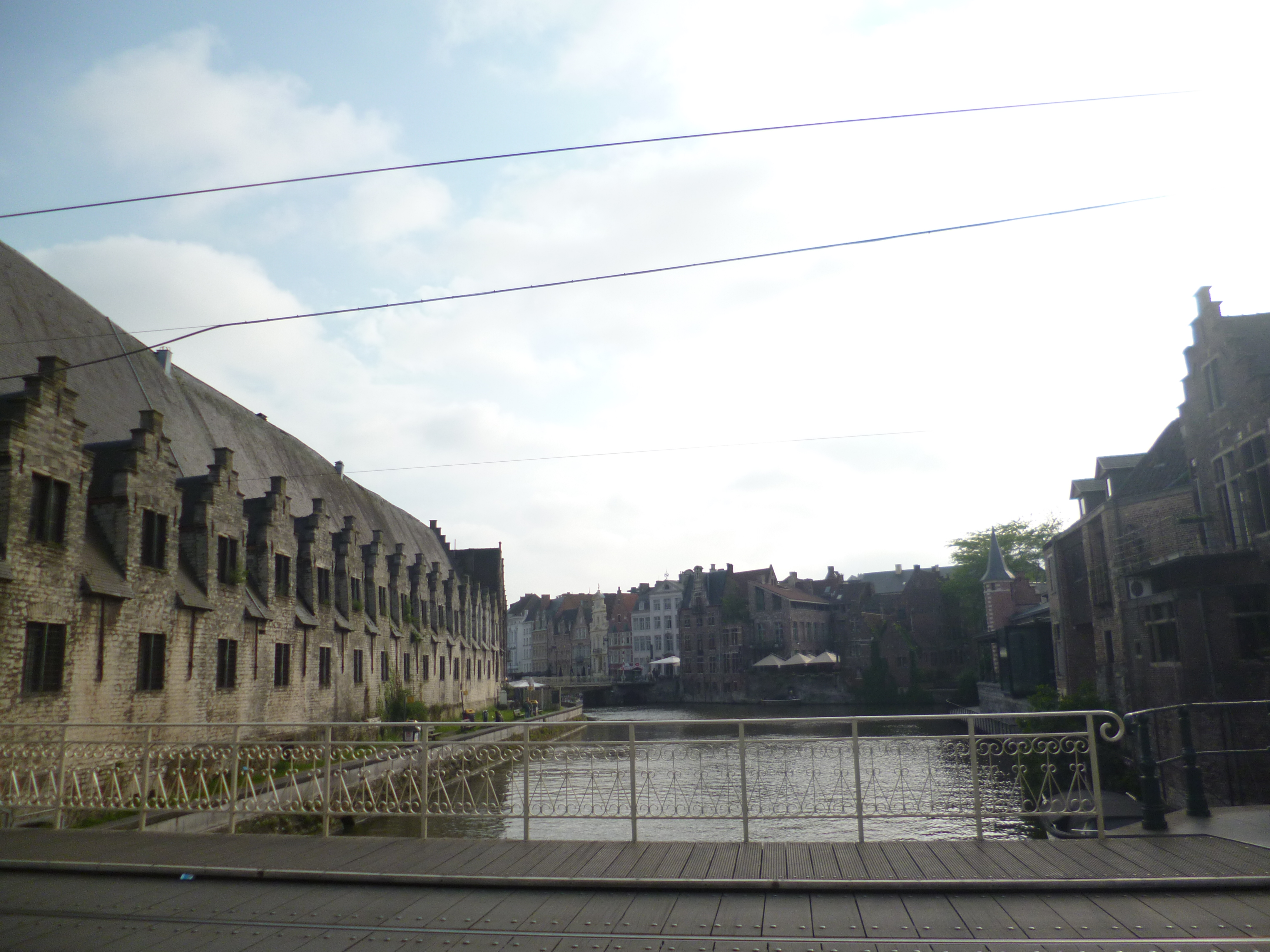
Bridge over river lined by ancient stone and brick buildings with steep gables.

In both languages, the poem follows the same strict sonnet form.

There are only five rhymes, placed as: abba – baab – cce – dde. The final line is linked to one other line, with both of them carrying the main message together: “This is the ancient city without end. / This is the Queen of Flanders: this is Ghent.”

There are also enjambments, particularly “it knows / no end”: unusually, a very short sentence is cut in half so that the vastness of the place is felt in the pause at the end of the line.

The verse are also full of assonances and alliterations and other sound clusters, e.g. “verwundert, wandere” and the corresponding “stand astounded”. In this way, the form of the poem corresponds to the content, a description of a web of roads and rivers and a forest of towers and battlements.

Form and content cannot be separated. This is an essay; the above is a poem!

Photographs of Ghent: Christina Egan © 2018.

Chandelier

Chandelier

At last, the air is warm again; the sky
at last gets gradually infused with light,
the clouds are dusty blue and creamy white:
the colours, too, warm up, warming the eye.
And that pale cliff of buildings, sheer and high,
gets saturated with the same delight
and holds it up against the sinking night:
this half-forgotten gentle golden dye.
And here, above the square of glittering grass,
above the blossom bursting on the trees
which trembles when the wilful spring winds pass,
there floats another sparkling tree, it seems:
a thousand particles of precious glass
struck by the grand piano’s swelling breeze.

Christina Egan © 2013

Moon Rainbow

Moon Rainbow

Enveloped in the velvet cloak of night,
I feel I have been chosen before birth
As secret queen of this enchanted earth,
Enrobed in moon and star and rainbow light.
Enveloped in this sparkling cloak of night,
Embroidered by an angel, tireless,
And lined with solid human tenderness,
I know I live and die to see the light.
I’m wrapped into this lining of the night:
Your silver beauty scooped out of the moon
And made to breathe and smile and give me room.
I hold your smooth and tapered fingers tight,
I hold your dreams to give them earth to bloom:
Around us moves the sky’s luminous loom.

Christina Egan © 2010

Haltbare Rose

Haltbare Rose

Wenn ich mit einer Rose um dich würbe,
gewölbt, gefüllt, gedrängt und überfließend,
mit ihrer Gegenwart den Raum versüßend,
so wüßte ich, daß sie im Nu dir stürbe.
Und wenn ihr eine Faserblume gliche,
burgunderrot und makellos gewoben,
so wäre sie zwei Jahre todenthoben
und höchstens drei, bevor sie ganz verbliche.
Und wenn ich eine Bronzeblume fände,
so wäre doch ein Feuersturm ihr Ende,
in dem ihr unverrückter Glanz verglühe.
Ich schicke dir statt aller dieser Rosen
nur dies Gedicht, das deine Lippen kosen,
auf daß es bis zum Jüngsten Tage blühe.

Christina Egan © 2016

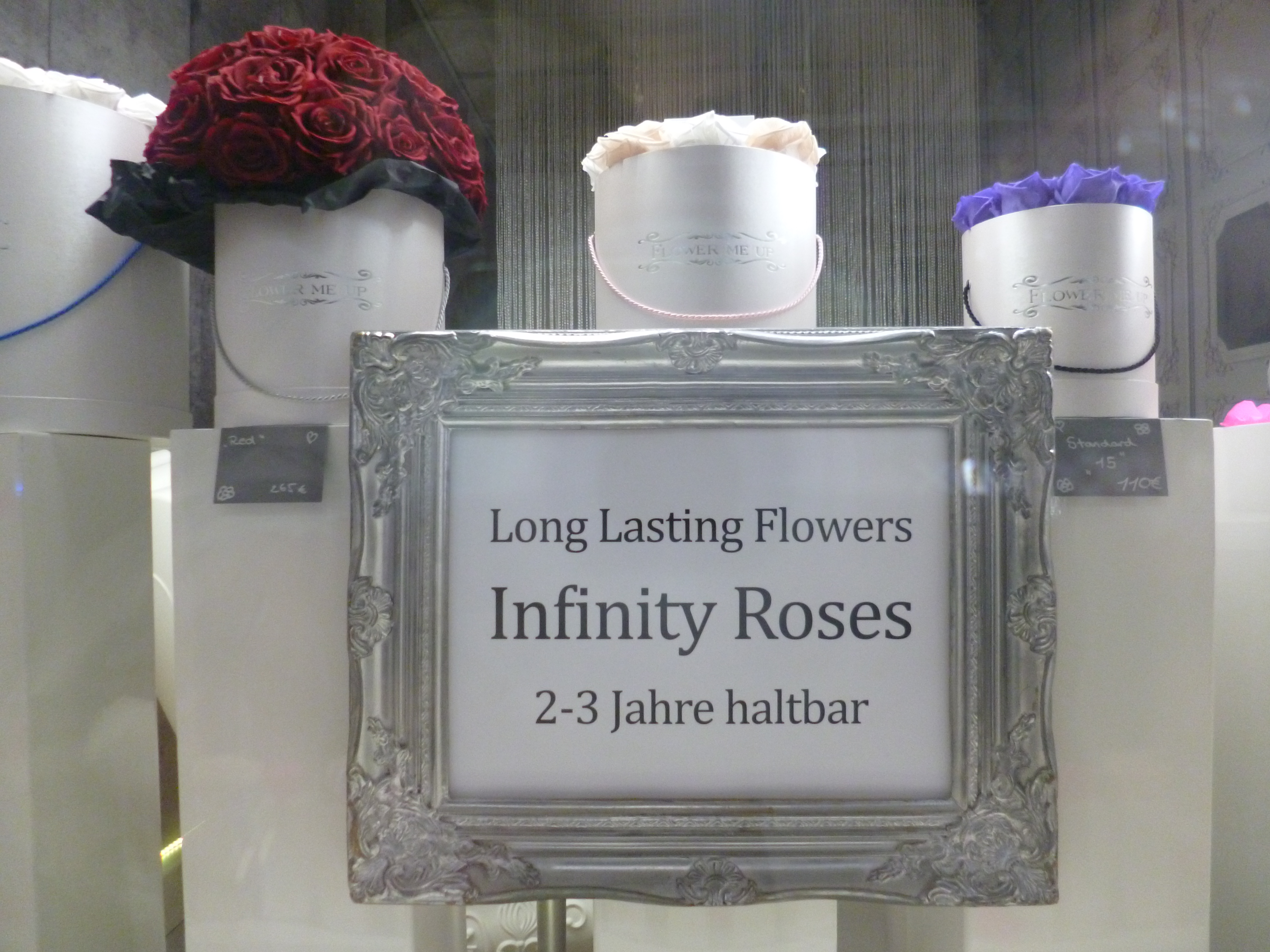
Advert reading "Long lasting flowers: Infinity Roses: 2-3 Jahre haltbar".This sonnet was inspired by an advertisement in a shop window: ‘Infinity Roses’, guaranteed to last two to three years. I found this hilarious: most love stories, which one naturally believes to be forever, last at most that long. Then they get cast away just like an artificial rose.

My idea was that a real flower lasts only a few days; an imitation of fabric or plastic (the German word leaves the material open) lasts only a few years; and even a sculpture of bronze might perish in a fire one day. A poem, however, may outlive them all! (The question whether the love will outlive them all remains.) Instead of kissing the poet, the beloved one turns the lines of the poem over on his or her lips. Well, that’s something at least…


Noch immer blühend

Ich lieb’ dich insgeheim schon seit drei Jahren,
was eine ungeheure Leistung ist –
von dir, der du noch immer blühend bist!
Ich bin berückt, und niemand darf’s erfahren.
Man will ja auch nichts Falsches offenbaren:
Ich liebe dich schon seit drei Jahren halb,
das macht dann immerhinque anderthalb.
Man muß zuweilen mit der Neigung sparen.
Wir sind sogar persönlich schon bekannt.
Zählst du wohl auch…? Drei Stunden insgesamt!
Drei Meter nur, dann einen Meter fort –––
Ich schicke, Liebster, dir zum Unterpfand
Nur eine rote Rose durch das Land:
Schau auf, steh auf und küß mich ohne Wort.

Christina Egan © 2017


This sonnet takes up the thought of Haltbare Rose in a satirical fashion: The woman has been in love with the man for three years already – but only half, which she counts as one-and-a half years!

Photograph: Shop window in Berlin. Christina Egan © 2016.