Weißer Schnee auf weißen Rosen

Weißer Schnee auf weißen Rosen

Wie die grauen Gänse zogen
Mit dem schneegeladnen Wind
Sind die Jahre uns entflogen
Erst gemächlich dann geschwind

Wie die Flocken niedertaumeln
Daß die Welt zu Weiß gerinnt
deckt die Zeit die bunten Träume
Erst gemächlich dann geschwind

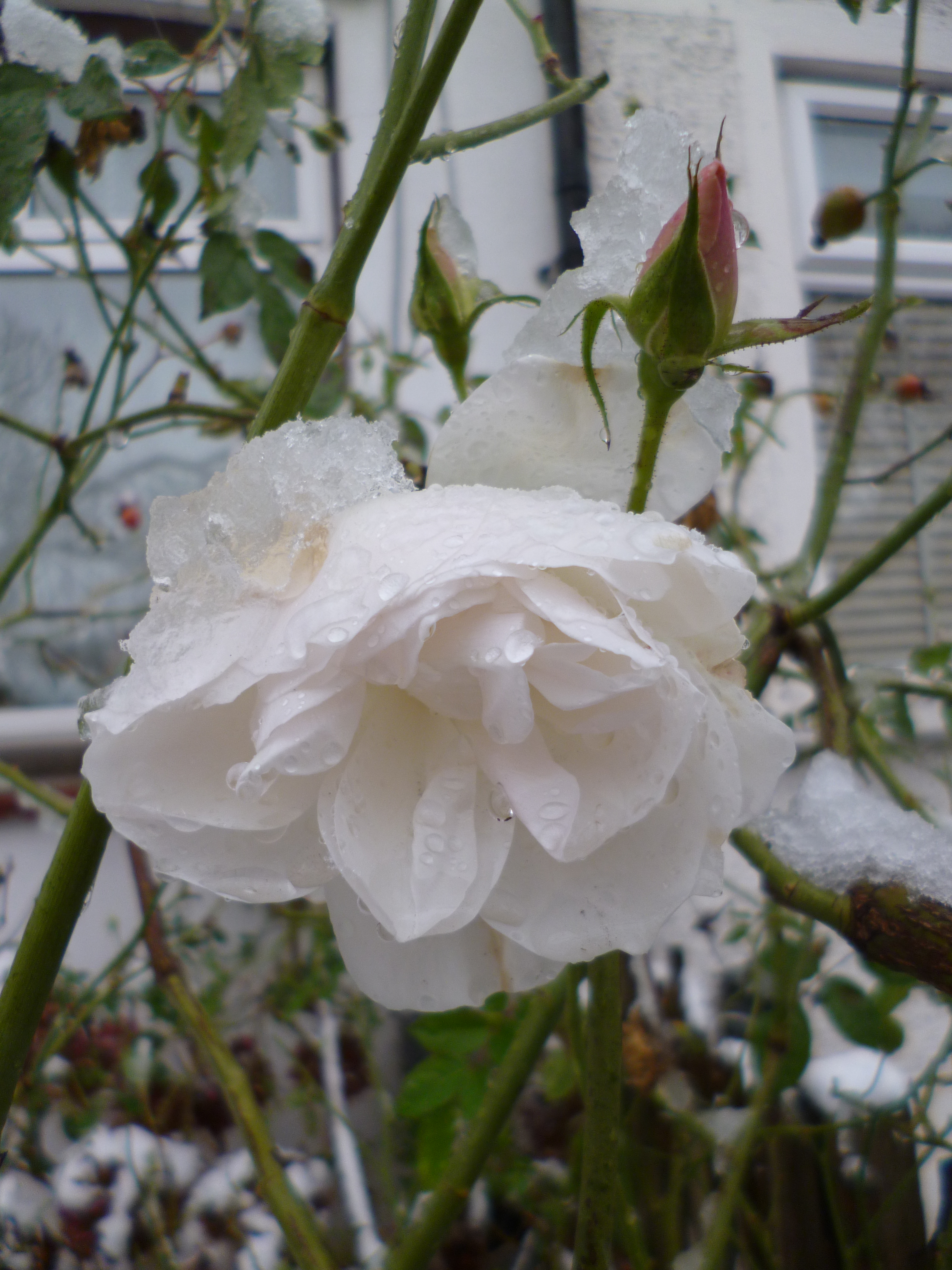
White rose, pink buds, hawthorns, all covered by melting snow.Stehst auch du am stillen Fenster?
Rührt der wilde Schnee auch dich?
Haschst auch du noch Luftgespinste?
Denkst auch du noch stets an mich?

Blumenflammen sind vergangen
Und die Welt wird farbenblind
Niemals hab ich dich umfangen
Niemals gab ich dir ein Kind

Wilder Schnee: ein stummes Tosen
In dem strengen reinen Wind
Weißer Schnee auf weißen Rosen
Erst gemächlich dann geschwind

Christina Egan © 2017

White snow melting on white roses.
Photograph: Christina Egan © 2017.

This is the first of two love songs which could stand alone or be sung by a woman and a man — from opposite ends of a stage or hall, though…

In White snow on white roses, the first person confesses she (or he) still secretly wishes they had got together a long time ago, and wonders if her friend feels the same.

In White snow on red roses, the second person reveals that he (or she), too, has longed for this relationship all along, but he never lets his friend know… not now either.

Each of them sings into the wind, into the snow… The ‘years that flew away’ like the wild geese in the first poem and the ‘late buds surprised’ by the snow in the second poem show that the pair are at a later stage of life.

If Only It Could Happen

If Only It Could Happen

If only it could happen
More real than before
If only it could happen
Once more, oh, just once more

More than a memory
There never to return
More than a fantasy
There never to be born

If only it could happen
More real than before
If only it could happen
Once more, oh, just once more

More than an accident
From sadness or despair
More than an overspend
Of pity or of care

More than a fairground ride
Of wild delight, distress
More than a mounting tide
Of wandering tenderness

If only it could happen
More real than before
If only it could happen
Once more, oh, just once more

If only it could happen
And swallow up the past
If only it could happen
As lasting as it’s fast

If only it could happen
As lasting as it’s fast

More than a flower, gay,
Unfurling just to die
More than a night, a day,
A lonesome lullaby

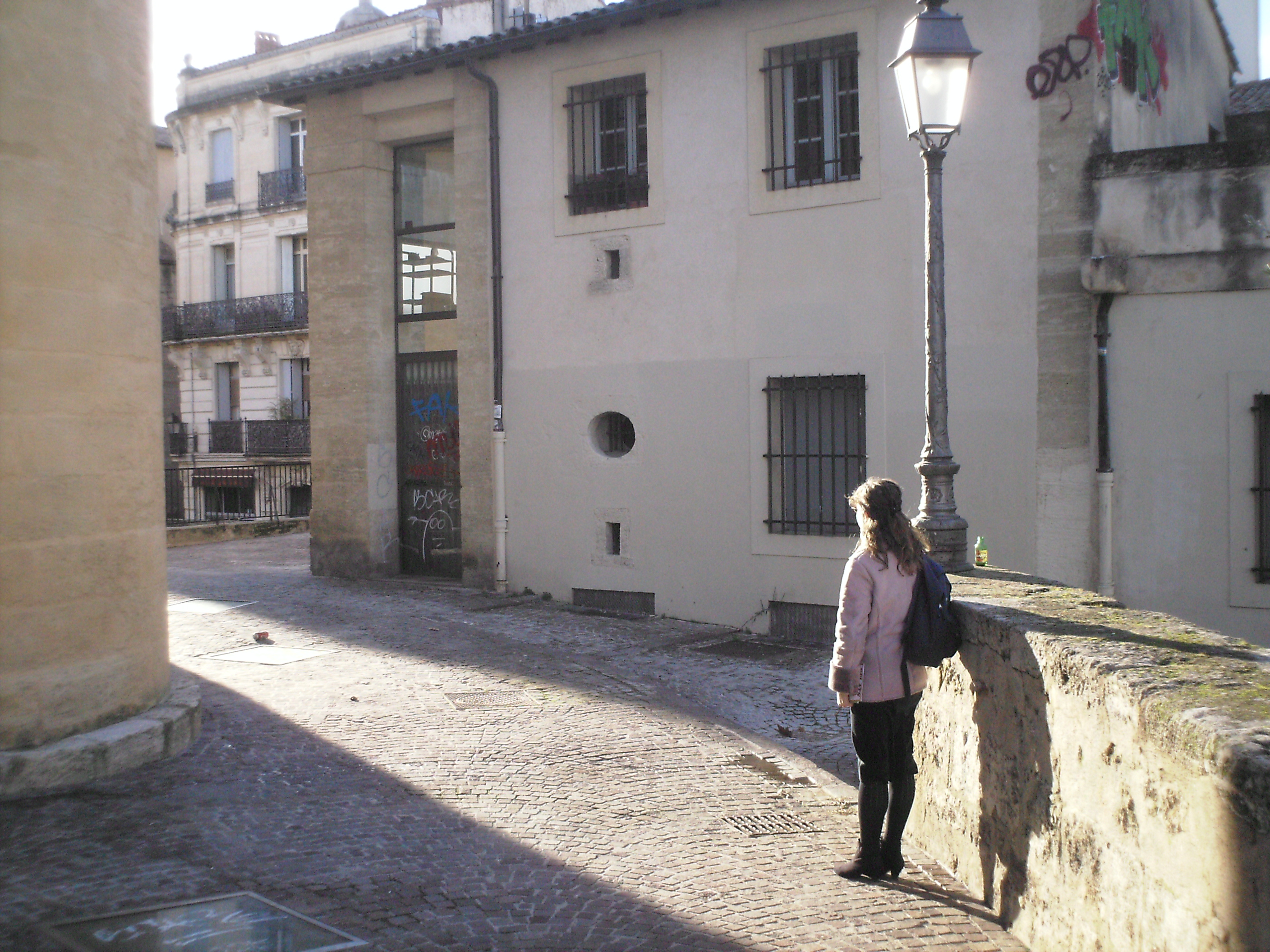
Woman in winter clothes waiting under lantern in sunlit lane.

If only it could happen
More happy than before
I think I’ll let it happen
Once more, oh, just once more

I think I’ll let it happen
Once more, oh, just once more

Christina Egan © 2006

Photograph: Montpellier, France, in midwinter. Christina Egan © 2010.

Mondfische

Mondfische
(Museum moderner Kunst)

Der weiße Dämmer:
von Regenbogenfängern
mit Blüten bestückt.

*

Bunte Mondfische…?
Wirklicher als Wirklichkeit
hier im Tagtraumteich.

*

Praller Löwenzahn,
tausendfach, singt der Sonne
aus voller Kehle!

Christina Egan © 2014

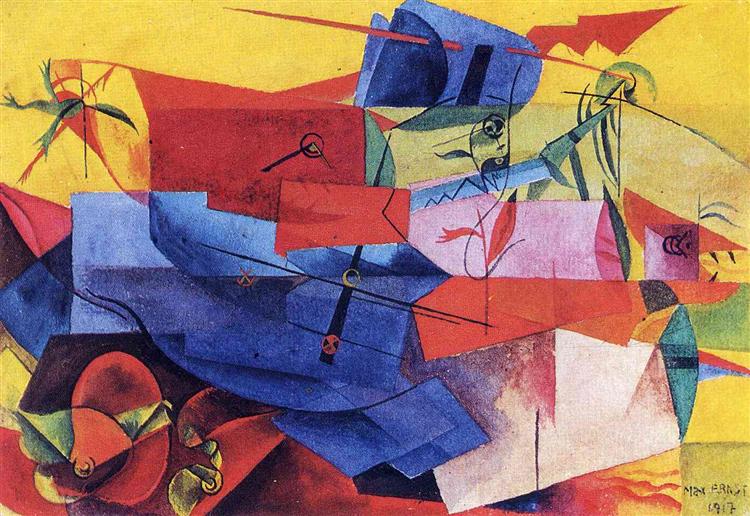
Very bright painting of mainly blue and red shapes on yellow.

Illustration: Max Ernst:  Fish fight. Oil on canvas, 1917.
© Max Ernst. Digital image distributed under FairUse at
  WikiArt.

These poems were inspired by an exhibition of modernist art at the Max Ernst Museum Brühl. Germany. The bizarre and very colourful ‘moonfish’ make an appearance in the painting Mondfische (1917); I show a similar work here.

In a way, visual art is more real than reality. In Quest / Suche, I claim the same for music.

Gifts

Gifts

My love, I’d so much love to give you a gift:
a kite with the face of a friendly dragon,
a goblet carved from a coconut shell,
a rocking-chair on a scarlet rug,
a house by a little lake,
a little lake,
a life –

But I have none of these things to give away:
only smiles slotted through half-open doors,
kisses smuggled on underground trains,
words typed on a cluttered screen…
only these worthless,
priceless
words.

Christina Egan © 2008


You can find a poem shaped like a spinning top at Toys / Baskets / Bowls,
one shaped (and tinted) like a bush at By the Brittle Brown Fence,
and one shaped (and tinted) like a balloon at Red Balloon!

geh aus mein herz

geh aus mein herz

die braunen bauklotzhäuser
mit farbenkastentüren
die weißen blütenkelche
die sich versonnen rühren

im wind aus samt und seide
die schweren purpurrosen
in Salomonis kleide
die deine finger kosen…

der sommer will dich füllen
die erde lädt dich ein
zu laufen und zu schaffen
zu schauen und zu
sein

Christina Egan © 2011


Salomonis Seide

In Purpur zog der Kaiser einst,
in Scharlachrot der Kardinal,
in Violett die Kaiserin
in einen grüngeschmückten Saal.

So prunken die Geranien
in ihrer Sommerprozession
und rufen in das Gartenrund:
“Wir übertrumpfen Salomon!”

Christina Egan © 2014


The appeal ‘Go out and seek joy’ and the metaphor of King Solomon’s silk are taken from the jubilant hymn and folksong Geh aus, mein Herz, und suche Freud, written by Paul Gerhardt in the middle of the 17th century.

The houses in uniform dull colours with front doors in different bright colours are typical for London. So are the little private gardens with geraniums.

The first poem is contemplative and intense, the second one humorous and light. The last line of the first poem is cut up on purpose: to let the word ‘to be’ resound on its own.


For an English poem about the pageant of summer see Lilac and Lime.


Snow-White Patches

Snow-White Patches
(July Tanka)

Daisies, buttercups,
scattered across the lush green
like two galaxies:
humble, ephemeral and
full of the glory of God.

*

Those snow-white patches,
patterns on the lawn, the mulch:
hortensia flowers,
as if cut out from the world
of colours and of motion.

Christina Egan © 2012


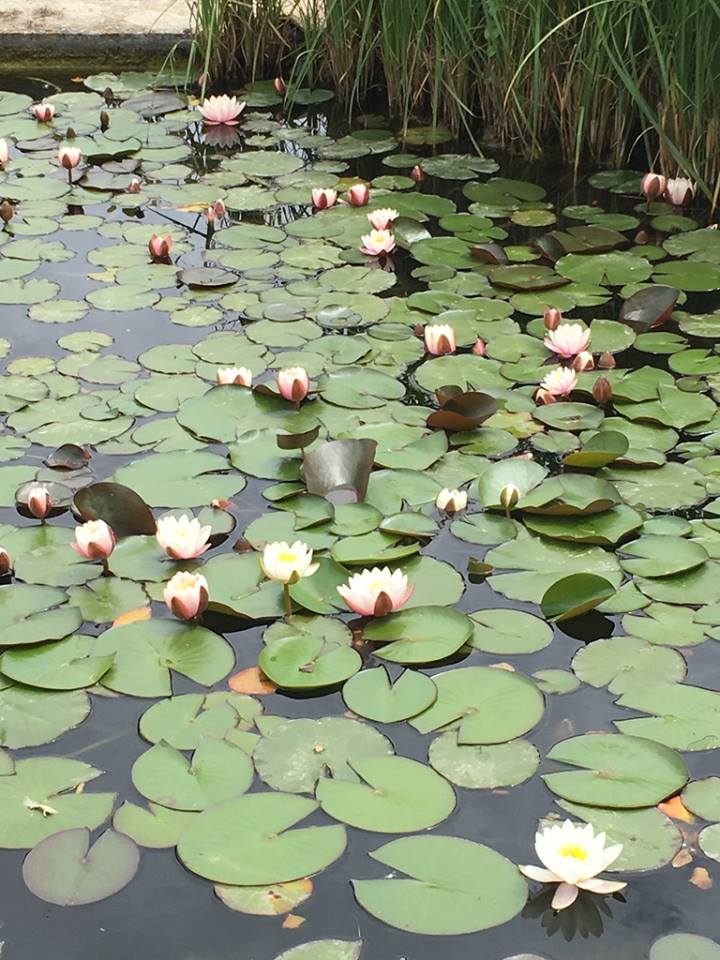
Waterlilies with half-open luminous pink and white flowers.

These poems describe the world as an ensemble of patterns. They also try to make sense of the world, and perhaps the act of discovering order also unveils meaning…

Something tiny resembles something gigantic, the whole of the known world, in fact. Something white appears as a hole or an island in the colourful picture: like a shadow of death or a gate to eternity.


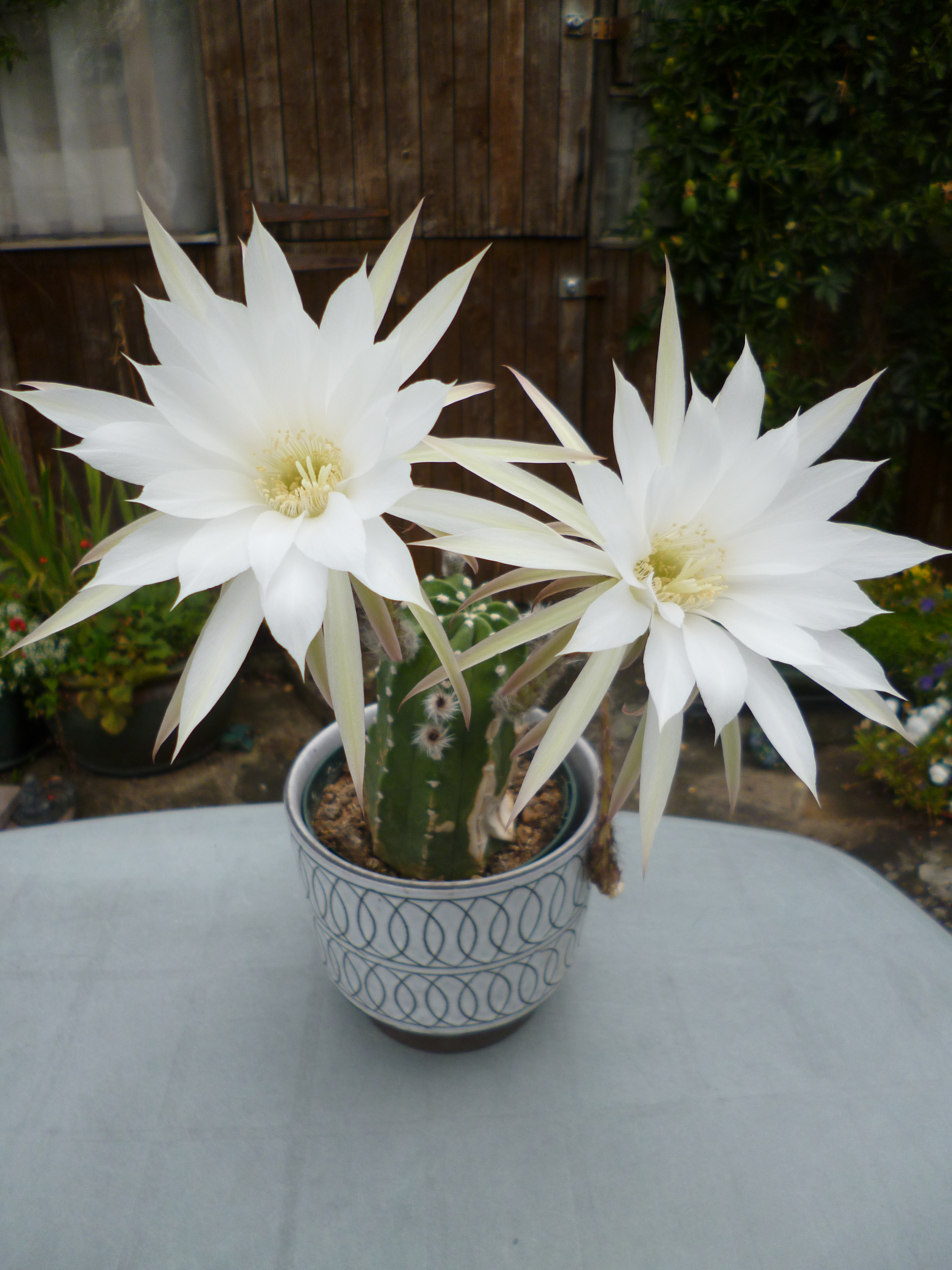
Cactus seen from above, with two star-like flowers bigger than the body of the cactusThe line ‘full of the glory of God’ was inspired by the verse ‘The world is charged with the grandeur of God‘ by Gerald Manley Hopkins.

You can truly ‘see a world in a grain of sand / and a heaven in a wild flower’, as William Blake claimed!

Photographs: Water-lilies. Liu Ye (Ye Liu) © 2016. — Queen of the night. Christina Egan © 2014.

Moon Rainbow

Moon Rainbow

Enveloped in the velvet cloak of night,
I feel I have been chosen before birth
As secret queen of this enchanted earth,
Enrobed in moon and star and rainbow light.
Enveloped in this sparkling cloak of night,
Embroidered by an angel, tireless,
And lined with solid human tenderness,
I know I live and die to see the light.
I’m wrapped into this lining of the night:
Your silver beauty scooped out of the moon
And made to breathe and smile and give me room.
I hold your smooth and tapered fingers tight,
I hold your dreams to give them earth to bloom:
Around us moves the sky’s luminous loom.

Christina Egan © 2010

Rear Mirror

Rear Mirror

Telegraph wires:
a flock of birds turns them into
three lines of verse.

*

No flowerbeds here –
but a line of bright washing
dancing in the wind!

*

A palm-tree appears
in the rear mirror, and huts
in the still lagoon.

Christina Egan © 2018

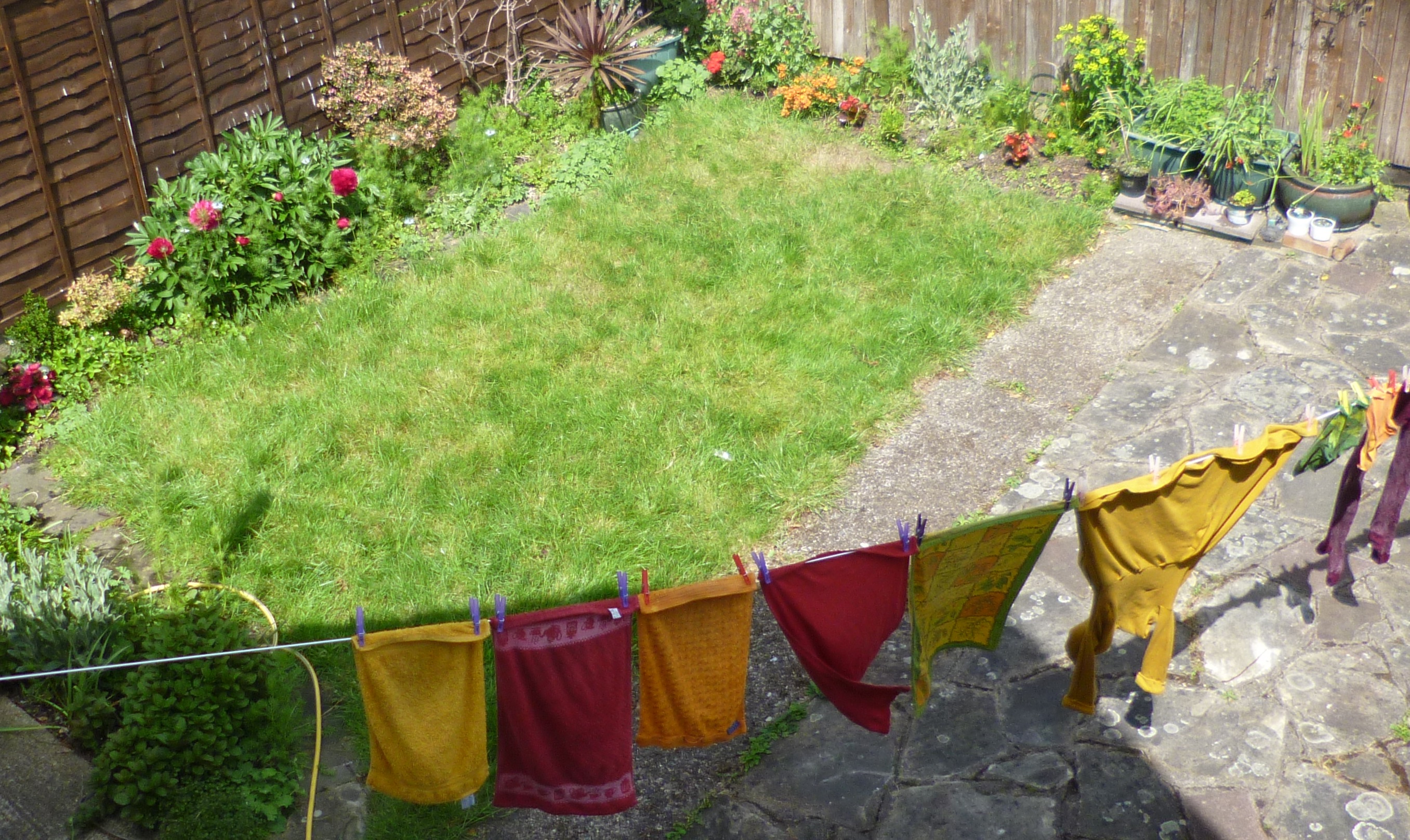
Washing-line with red, orange, yellow, green clothes, forming a triangle with the matching flower-beds behind.

These haiku about haiku were written looking at three picture postcards, where I instantly perceived patterns and metaphors.

Poetry – and painting or photography – are like rear mirrors which make hidden things visible and ordinary places special.

Photograph: Christina Egan © 2016.