Views of North Sea Islands

Views of North Sea Islands Ansichten von Nordseeinseln

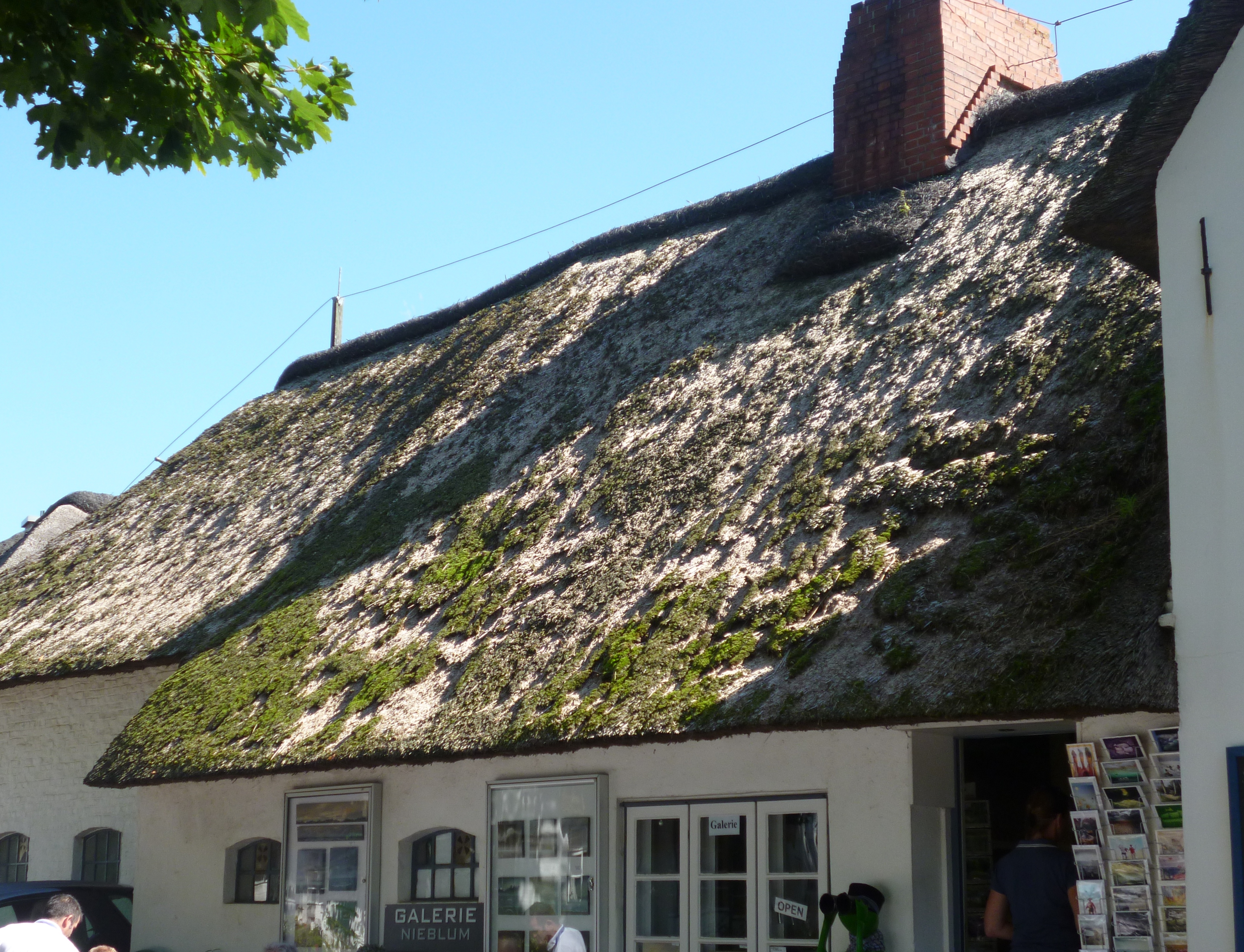
White cottage, steep thatched roof, covered with moss


Thick patches of moss
clustering on rippled thatch
like verdant islands,
like the islands we stand on:
growing in the rough grey sea.
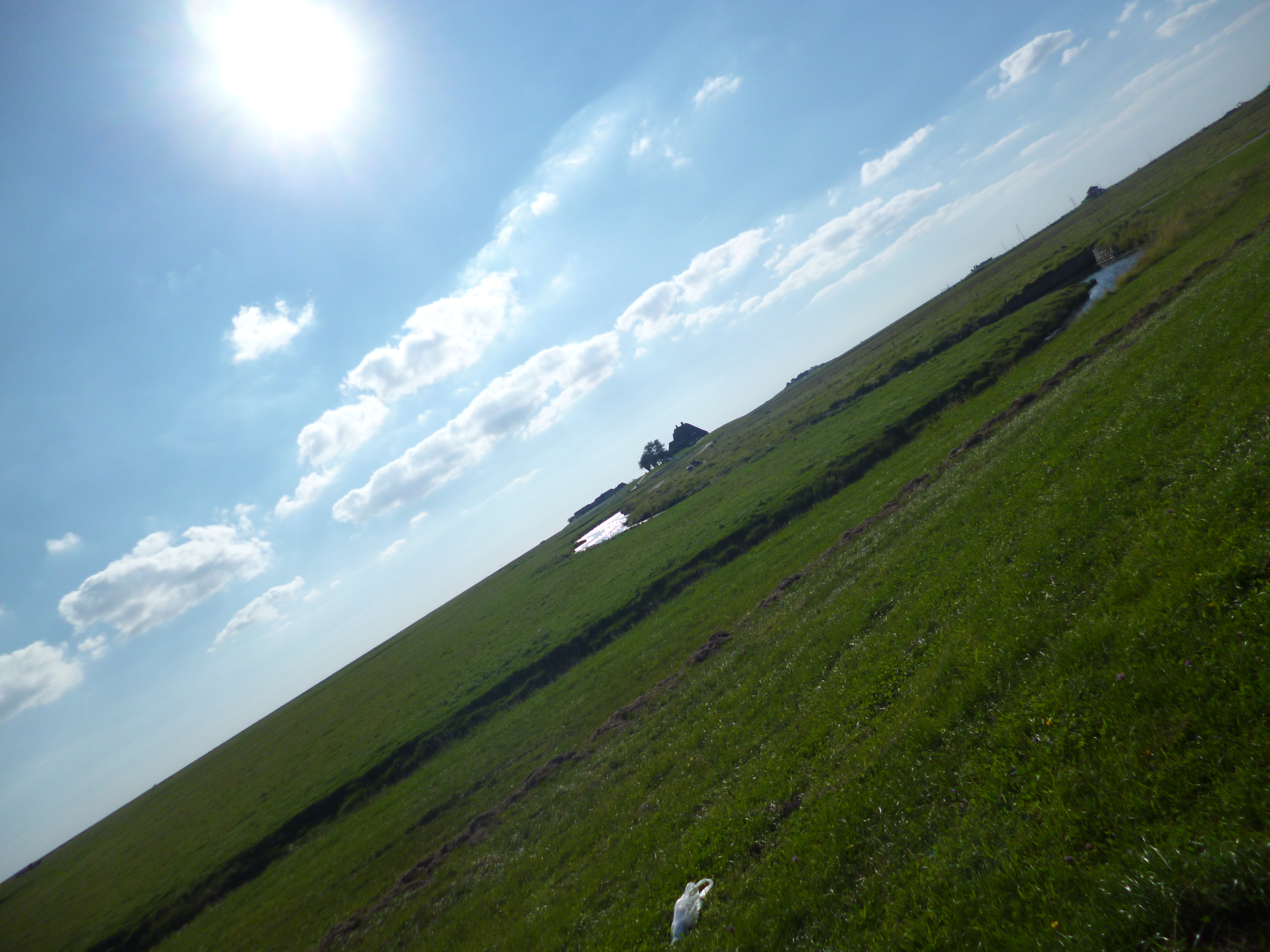
Diagonal horizon, entirely flat between green and blue, with house in middle

Dicke Moospolster
auf dem welligen Reetdach,
gleich grünen Inseln,
gleich diesen Inseln hier,
wachsend im wilden grauen Meer.
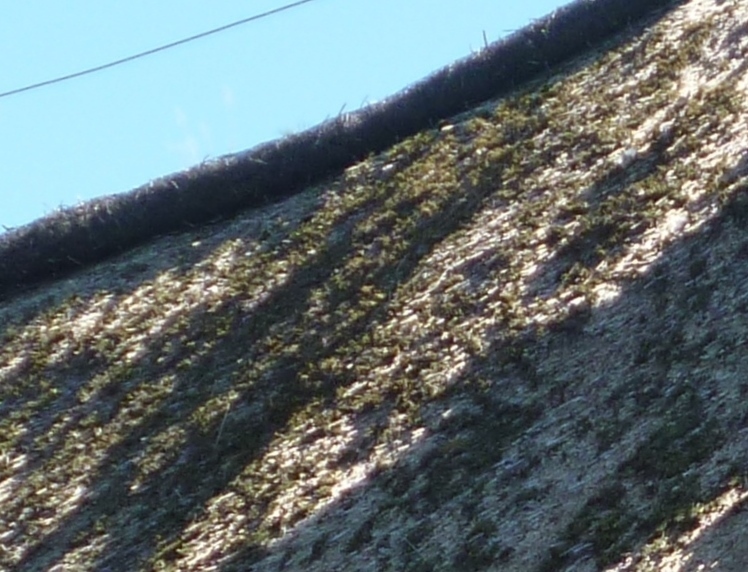
Thatched roof, covered with moss

Red clover blossom:
tiny magenta lanterns
in the green and blue,
feeding on the salty floods
across these flat floating disks.
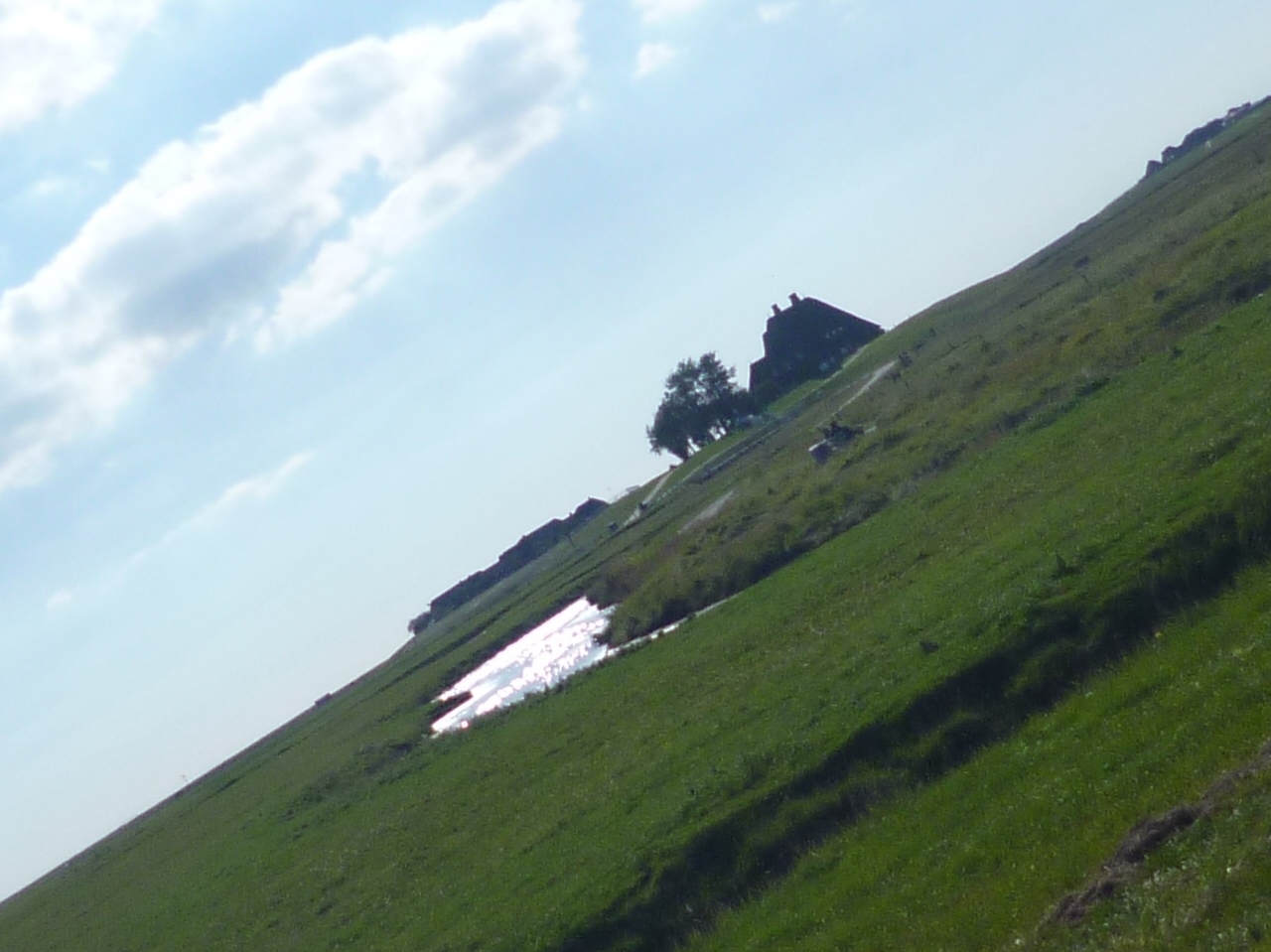
Diagonal horizon, entirely flat between green and blue, with house in middle


Rosaroter Klee:
winzige Laternen
in all dem Grün und Blau,
genährt von Salzfluten
über schwebende Scheiben hin.
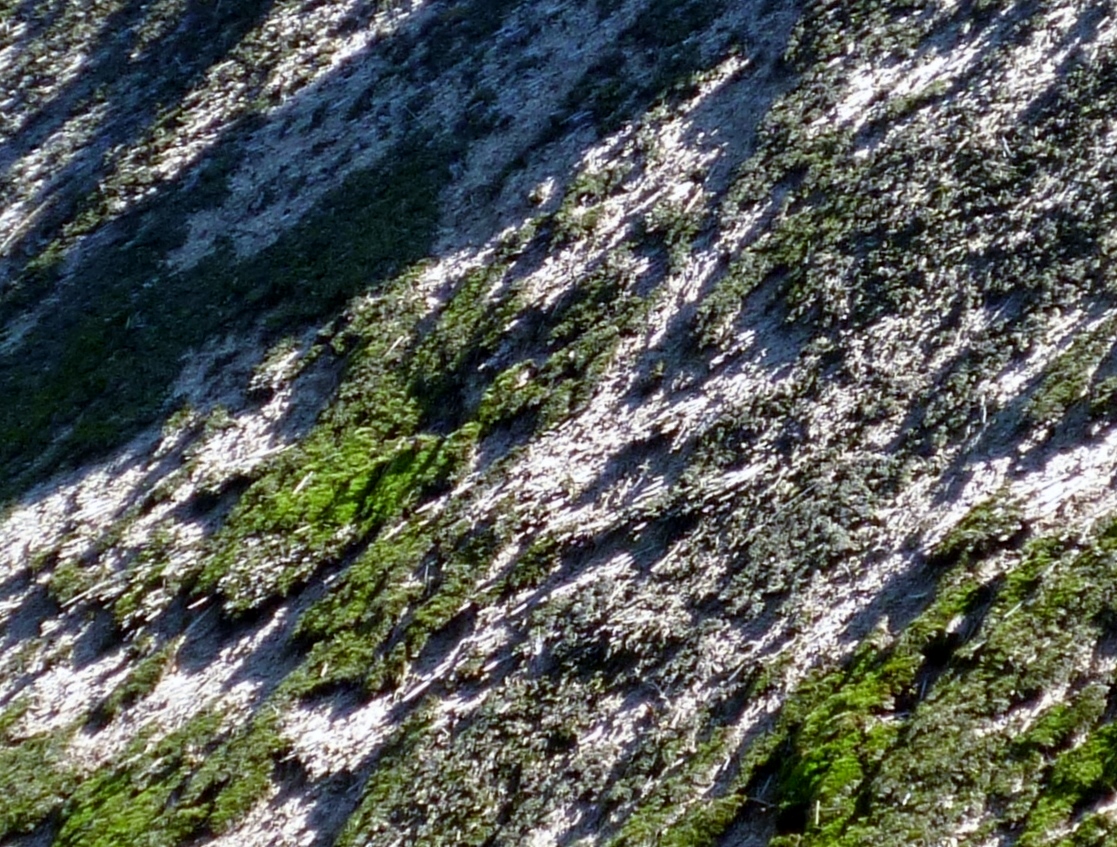
Thatched roof, covered with moss


Huge ships approaching,
or space-ships – or are they hills,
or houses on stilts?
They are houses, hamlets, islets…
a necklace of glass beads.
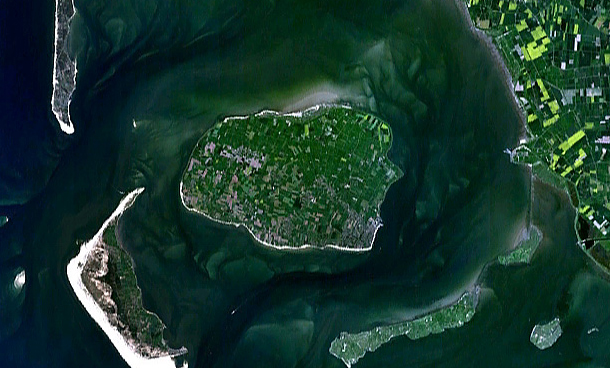
 

Satellite image of a cluster of small emerald green islands


Da – Riesenschiffe –
Raumschiffe – oder Hügel,
Häuser auf Stelzen?
Häuser, Dörfchen, Inselchen…
eine Glasperlenkette.

English texts: Christina Egan © 2015
German texts: Christina Egan ©2016

Photographs: Christina Egan © 2014
Galerie Nieblum on Föhr; Hallig Hooge.
Satellite picture: NASA via Wikimedia.


From the flat, small, oval island of Föhr, you spot the even flatter, even smaller islands known as ‘Halligen’: their clusters of houses and trees on little dells are visible on the horizon far across the ocean.

The Halligen still get regularly flooded and are occasionally menaced by devastation. All these islands change shape over time, when the forces of wind and water eat away at their edges or add new land.

I wrote about a similar phenomenon observed on the Baltic Sea island of the Darss in Schöpfung (Darß).
Fastenzeit / Lent

Fastenzeit

An bitterem schwarzen Brot
nagt mein Mund.

An bitterer schwarzer Erde
nagt mein Herz.

Grauer Wind
fegt die Fluren rein.

Alles fastet
der Farbenfülle entgegen.

Christina Egan © 1985

Lent

My foot sinks
into bitter black earth.

My heart gnaws
on bitter black bread.

Grey wind
sweeps the fields clean.

Everything fasts
towards the flood of flowers.

Christina Egan © 1999

The church year mirrors the natural seasons  and symbolises our life events: voluntary renunciation in Lent corresponds to the hardships of winter or to emotional deprivation.

I shall shortly post a poem about Easter at ostermorgen, where faith in God and resurrection is linked to the renewed sunshine of spring and to the experience of communion and fulfilment.

The Purple Sea / Das lila Meer

The Purple Sea

I’ve seen the sea turn indigo
and greyish green and brilliant blue:
the wine-red sea that Homer saw
was not a blind man’s dream — it’s true.

I’ve swum in waves of indigo,
I’ve swum in eyes of greenish grey:
the fair-eyed gods that Homer saw
may just for moments cross your way.

Christina Egan © 2015

Das lila Meer

Auch indigo färbt sich das Meer
wie gräulichgrün und leuchtendblau:
Wahr war das Weinrot des Homer –
nicht eines blinden Dichters Schau.

Im Indigo schwamm ich sogar
und auch in Augen von Grüngrau:
Ein göttlich lichtes Augenpaar,
das gibt es manchmal noch genau.

Christina Egan © 2015

The Wine-Dark Sea

Where sky and ocean form a line
of glassy indigo,
the water looks indeed like wine,
a strong and sweet Merlot.

This is the sea that heaped up rocks
and beckoned walls to rise,
the ageless mother of these flocks
of sun-enchanted isles.

This is the sea that brought the fleets
to Carthage and to Troy
on silver-green and bright-blue sheets
which wayward gods deploy.

Christina Egan © 2012

These poems refer to the debate around Homer’s strange colour names: e.g. ‘wine-coloured’ (‘oinops’) and ‘purple’ or ‘maroon’ (‘porphyreos’) for the sea; ‘green-eyed’ (‘glaukopis’) for a person or god with eyes of any fair colour.

While people in antiquity were not yet interested in describing colours and 
despite their sophisticated languages — had only very few words for them, I
believe that on occasion, these can be taken literally.

The first two poems are translations of each other. The colour adjectives oscillate between the languages, and within, just like the sea does…

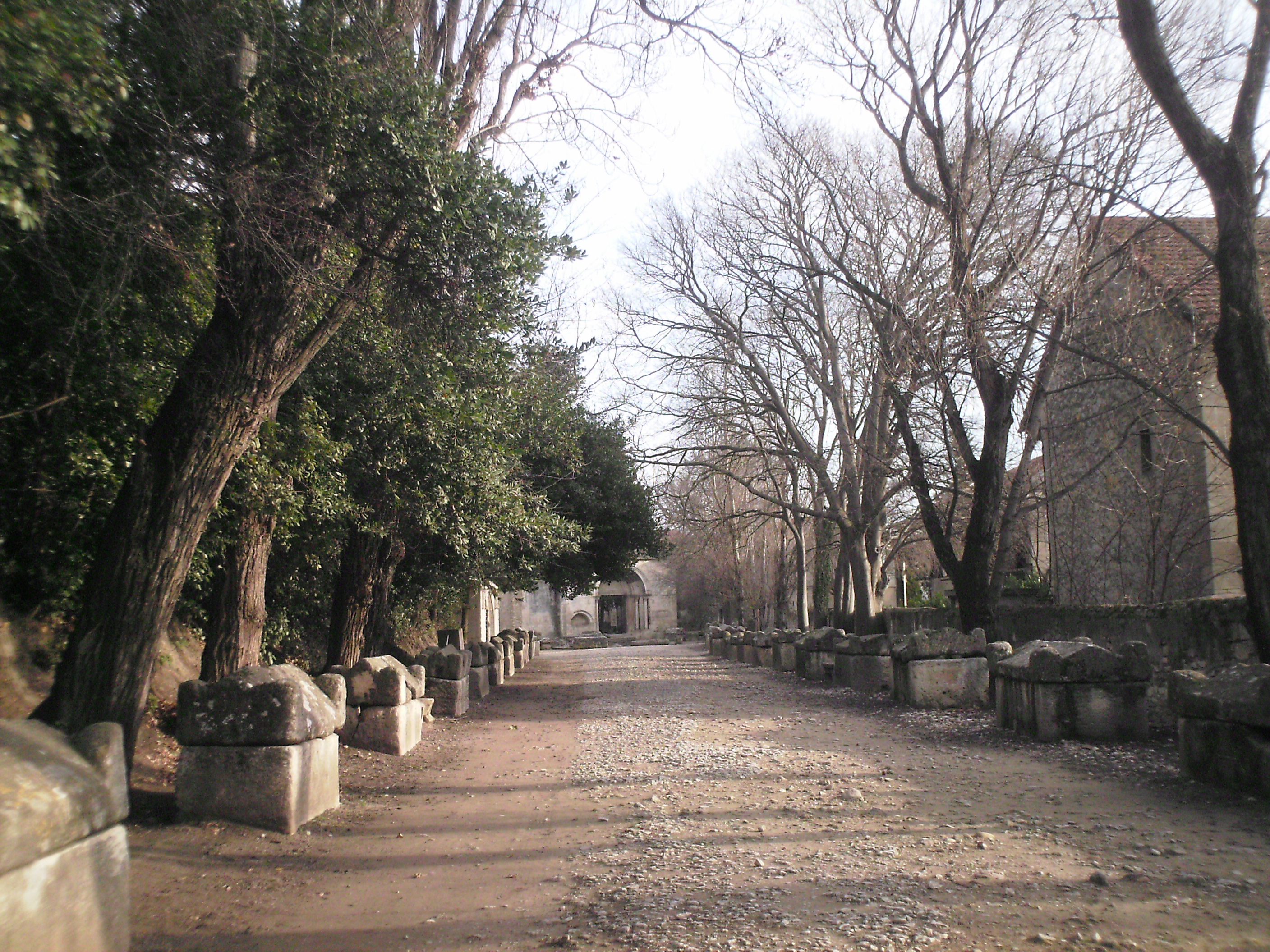
Le vent de la mer se lève

Le vent de la mer se lève
(Alyscamps, Arles)

Tout doux, le vent de la mer se lève
parmi les colonnes à l’aube de l’an,
dans mon esprit réjouissant
ressuscitant mon ancien rêve,
un rêve de tuiles couleurs du couchant,
un rêve de murs couleurs océan.

Le vent se renforce et lève la sève
des hauts platanes le long de la rue,
ces forts piliers du ciel du Midi…
Mais quel tombeau révèle le rêve,
lieu lumineux et réapparu ?
Ô vent de la mer, Ô vent de ma vie !

Christina Egan © 2015

Wide avenue with sarcophagi to the left and right,leading to a mediaeval portal. Winter scene in fair weather, light-brown and light-blue.

Alyscamps, Arles. Photograph:  Christina Egan © 2010


The Wind from the Sea is rising
(Alyscamps, Arles)

The Wind from the Sea is rising, all mild,
between the columns and graves at the dawn
of the year, stirring up in my jubilant mind
my resplendent dream of antiquity,
a dream of tiles resembling the sun,
a dream of walls resembling the sea.

The wind is now swelling and ready to rouse
the sap in the plane-trees along the wide road,
those pillars supporting the sky of the South…
Which tomb may hold my mystery of old,
the luminous place that has just reappeared?
O Wind from the Sea, O wind of my soul!

Christina Egan © 2016

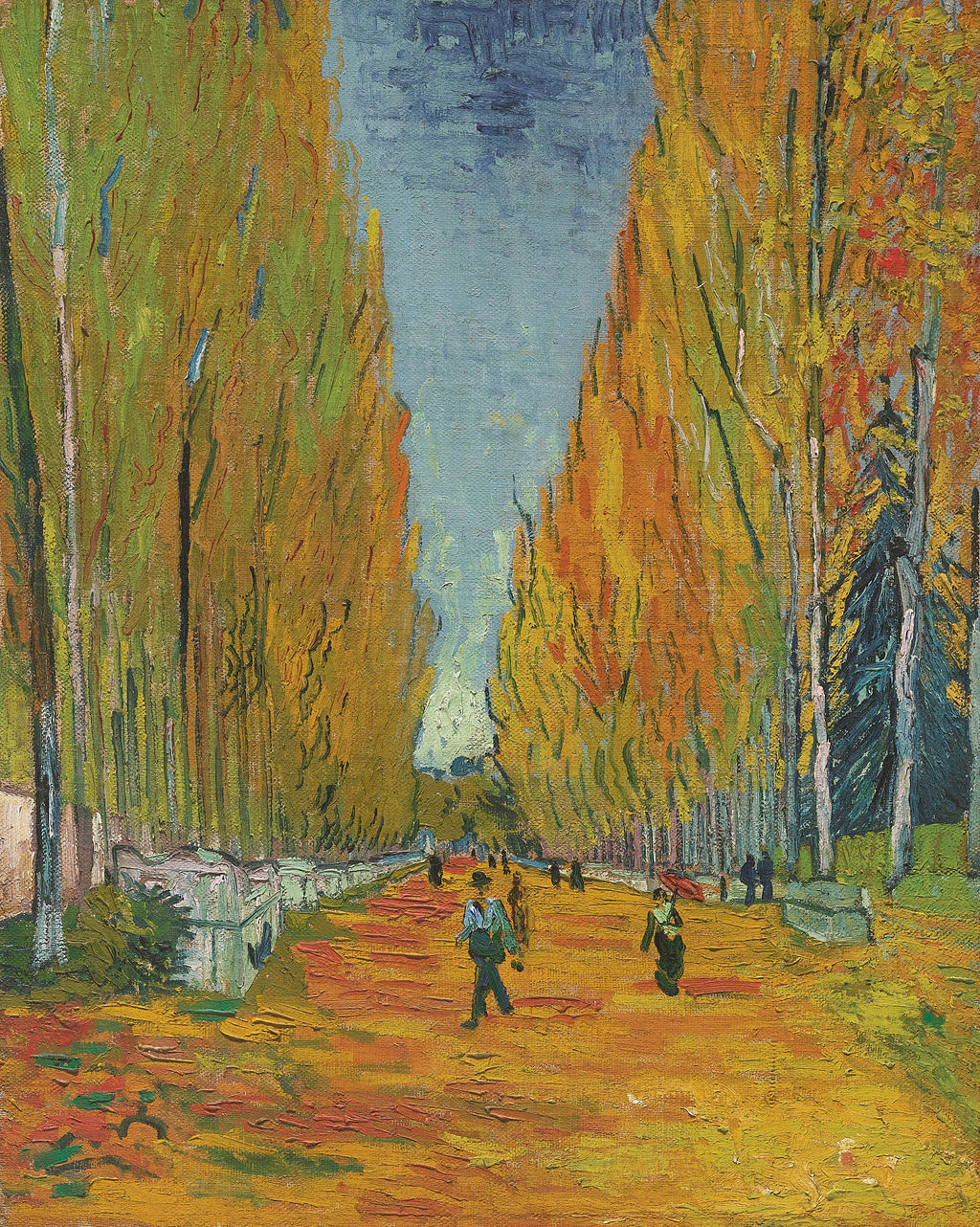
Painting by van Gogh: Avenue with very high trees, with path and foliage in bright orange, sarcophagi and sky in blue.

The Roman cemetery known as the Alyscamps has been immortalised by Paul Gauguin and Vincent van Gogh.

Vincent van Gogh: L’Allée des Alyscamps (1888). Photograph: Public domain, via Wikimedia Commons.

You can read an English and German poem about a Roman road in France at Where Road and River Meet / Überm Fluß . 

In Praise of Darkness / Lob des Dunkels

In Praise of Darkness

This winter, when the day shrinks
like a lake swallowed by desert,
my lyre shall not praise the light
but the darkness.

When I rise before the sun
and a candle dazzles the eyes,
I will give it space,
watch it dance, entranced.

We have switched on the bright light
and the non-stop stereo sound:
we have switched off the darkness,
the silence, the peace.

Christina Egan © 2015

Lob des Dunkels

Diesen Winter, wenn der Tag schrumpft
wie ein See, von Wüste verschlungen,
lobe meine Leier nicht das Licht,
sondern das Dunkel.

Wenn ich mich vor der Sonne erhebe
und eine Kerze das Auge blendet,
werde ich ihr Raum gewähren,
wie sie tanzt, entzückt betrachten.

Eingeschaltet hat man das helle Licht
und den unablässigen Stereoton;
ausgeschaltet hat man das Dunkel,
die Stille, den Frieden.

Christina Egan © 2015

Much of my work  praises light: sunshine,
summer, solstice; sunrise, noon, sunset…

Yet we need darkness, too: to make the light
shine brighter, to make other sources of light
visible, to gain inner peace.

My previous post, Januarsonne, rejoices in
sunshine in midwinter!

Where Road and River Meet

Where Road and River Meet
(Ambrussum, France)

I hold the echo of a thousand feet,
of hob-nailed sandals and of dainty boots;
I hold the echo of a thousand wheels,
of carts and coaches and a thousand hooves.

My inside holds the echo of the waves,
the splashing of the oars, of hands and feet,
the shouts and sighs of children and of slaves:
I am the arch where road and river meet.

I have withstood the floods, withstood the storms;
of once eleven comrades, I’m the last.
I guard the memory with sturdy arms:
I’ll hold your voices, too, when you have passed.

Christina Egan © 2015

Überm Fluß
(Ambrussum, Frankreich)

Den Nachhall halte ich von tausend Schritten,
Sandalen grob und Stiefeln elegant,
den Nachhall auch von tausend Rädern, Ritten,
von Karren und von Kutschen über Land.

Mein Hohlraum widerhallt vom Wellenschlagen,
vom frischen Klatsch von Ruder, Hand und Fuß,
von Seufzer oder Ruf von Kindern, Sklaven:
Ich bin der Brückenbogen überm Fluß.

Ich widerstand den Fluten und den Stürmen;
elf Kameraden einst,nur ich blieb stehn.
Gedenken sammle ich mit starken Armen —
und eure Stimmen im Vorübergehn.

Christina Egan © 2015

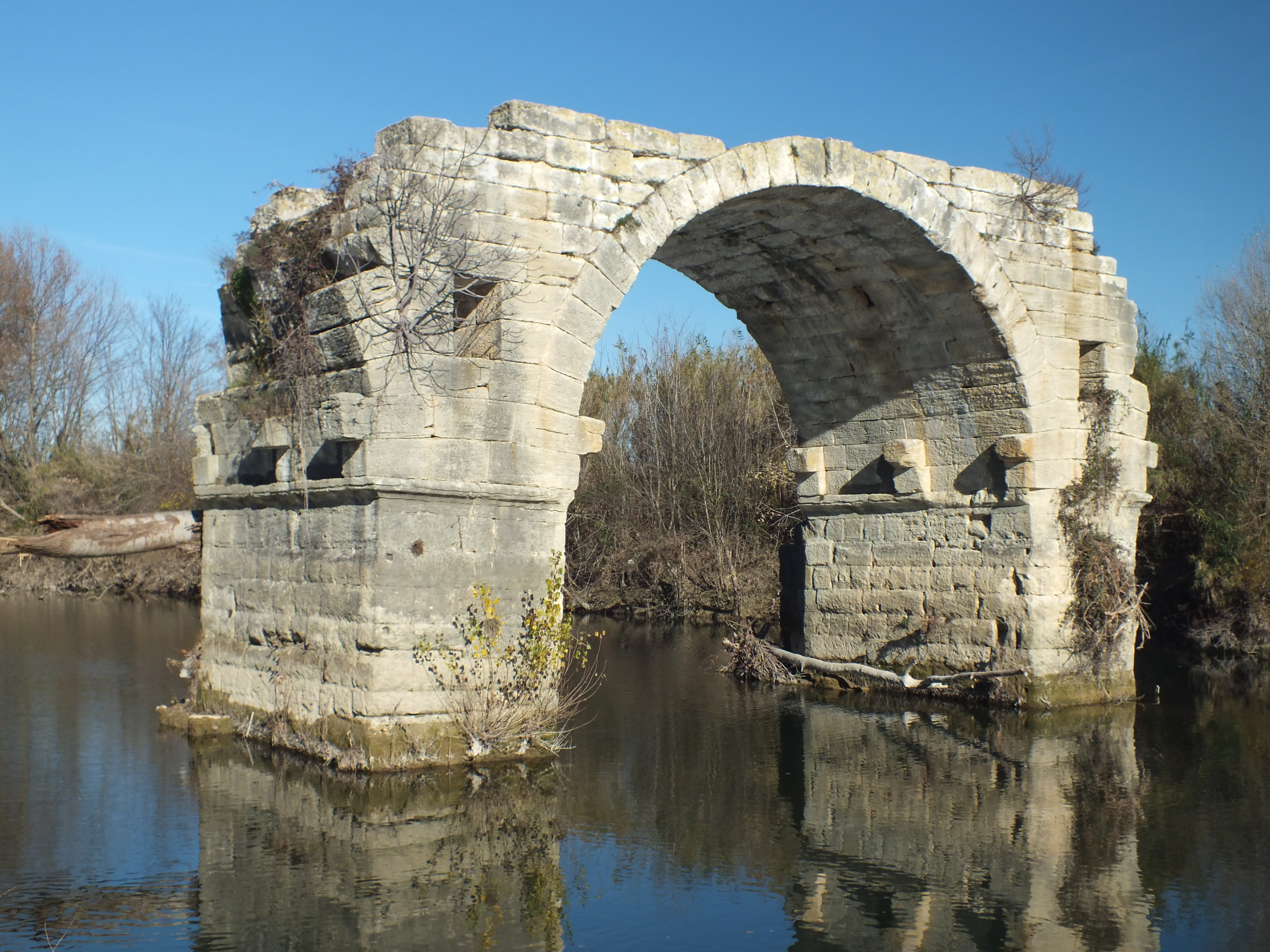
Grey Roman arch on two bridge pillars between blue water and blue sky

The remaining arch of the  Pont Ambroix at Ambrussum, once part of the Via Domitia from Italy through France to Spain.


Photograph: By Clem Rutter, Rochester, Kent, via Wikimedia Commons.

I begin this year’s posts like last years’: with a Roman road !

The Pattern of a Yesterday / Golden Dell

The Pattern of a Yesterday
(Knossos, Crete)

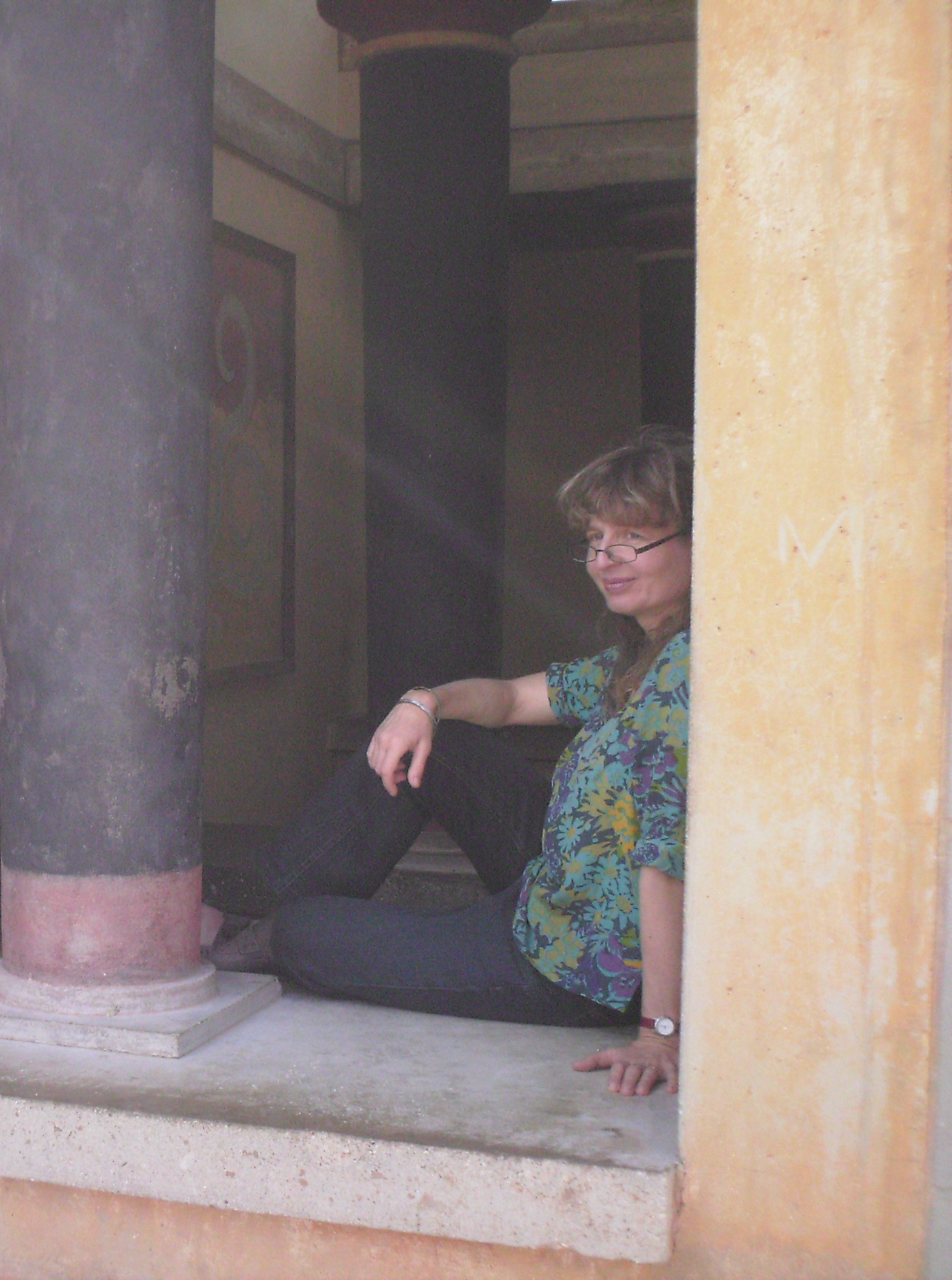
Knossos: woman in very colourful blouse sitting in a reconstructed window of the palace, in front of the same very colourful mural shown in the other photo.

the colossal columns
of the proud pine-trees
that lofty canopy offering shelter
from the flood of sun

the black and white and blood-red pillars
in the serene maze of the palace
those patches in the pattern of a yesterday
which is millennia past

Christina Egan © 2012


Flourishes on a mural, turquoise on luminous red and yello


The same mural in the palace
at Knossos, Crete. 
Photograph:
Harrieta171 via Wikimedia.

For German poems about Crete,
go to the cycle Kretische Küste.
For more about Crete, see below!


Golden Dell
(Chania, Crete)

You sip your coffee in the market-square
lapped by a sky and sea which both are blue;
you notice other folk from everywhere
and read this was the Roman forum, too.

You pass a corner with a golden dell:
stairs down and down, a hundred ages’ span…
The layers blur, solidify and swell,
and history unfolds, a dazzling fan.

Christina Egan © 2015


The Minoan civilisation is the oldest urban civilisation in Europe. The royal palace at Knossos, dating back almost 3,500 years, has the first stone street of Europe. Chania on Crete, a city of stone even 5,000 years ago, is one of the oldest continously inhabited European settlements. You look back on 100 and more generations…

My German translation of the first poem is called gesternmuster.

When Webs of Steel / Von stählernen Waben

When Webs of Steel

When webs of steel and walls of glass
confine you to a square of grass –
stand still and feel your sap pulsate:
You have a face. You have a fate.

When no one listens, no one knows you,
when no one loves you or else shows you,
take a deep breath – take two – take cheer:
I know, across the seas. I’m here.

Christina Egan © 2009

Von stählernen Waben

Von stählernen Waben und gläsernen Wänden
beschränkt auf ein spärliches gräsernes Eck,
steh’ stille und spüre dein Blut in den Händen:
Du hast ein Gesicht; und du hast ein Geschick.

Will keiner dich kennen, verstehen und lieben,
gibt keiner verborgene Neigungen her,
hol’ Atem  hol’ Atem und freudich am Leben:
Ich weiß es ja, bin ja bei dir übers Meer!

Christina Egan © 2015

In these lines, the anonymous and monotonous modern life described in Amidst the rush / Schrumpft die Welt and höhlenmenschen / cavemen
is overcome: whenever individuals become aware of themselves — and appreciate each other — as unique personalities.

This poem may be declaring love or expressing affection between family members or close friends.

Der bunte Staub / The Multi-Coloured Dust

Der bunte Staub

Der bunte Staub auf meinem Fensterbrett
– ein Häufchen Blütenblätter, ausgebleicht –
verwandelt sich im Abendsonnenlicht
in einen Schatz, dem kein Geschmeide gleicht.

Christina Egan © 2014

Little vase with flowers in lemon yellow, pale blue, deep pink and red; some petals scattered beneath; garden in background.

The Multi-Coloured Dust

The multi-coloured dust flocks on my desk 
– a heap of petals fading gradually –
gets now transformed by sunshine from the West
into a hoard surpassing jewellery.

Christina Egan © 2015

You can also find petals decaying to dust in the
German hymn Spiritum Sanctum vivificantem.

Photograph: Christina Egan © 2013

höhlenmenschen / cavemen

höhlenmenschen

die treppe rollt
hinab hinab
die u-bahn grollt
fährt ein fährt ab

der tunnel biegt sich
durch die nacht
der aufzug hebt sich
aus dem schacht

die masse schiebt sich
durch die schlucht
ein wabern webt sich
in die luft

ein sonnenstrahl
blitzt auf vom glas
ein vogelschwarm
stiebt auf vom gras

der rest ist schatten
stahl und stein
dies ist die stadt
tritt ein tritt ein

Christina Egan © 2015

cavemen

the staircase bores
into the ground
the tube train roars
goes round and round

the tunnel bends
through rock through black
the lift ascends
the narrow gap

the masses heave
through deep ravines
fumes waft and weave
through all these streams

a glint of sun
reflects off glass
a pigeon swarm
explodes from grass

the rest is shadow
steel and stone
this is the city
welcome home

Christina Egan © 2015


This poem — created in parallel in both languages — questions the notion of progress by observing its epitome, the world city, with its underground tunnels and dark gorges between skyscapers.

You can read more laments about the strain of our urban environment in the previous post, Amidst the rush / Schrumpft die Welt, and find some relief in When Webs of Steel / Von stählernen Waben.