The Mechanics of Love

The Mechanics of Love

the mechanics of love
have tolled the hour
have chained my heart
are pulling me towards you

the sunlit hills
of your guileless face
the turquoise surf
of your quiet voice

I cannot distinguish
what determines my steps
the mechanics of love
or your silvery forcefield

Christina Egan © 2012


These lines record some of the fundamental insights of my life: that falling in love is always a blend of true fascination with another person and of sheer emotional and physical need; and that one of the main factors attracting a woman to a man is his voice — utterly underrated throughout history! Perhaps because history has largely been written by men, and so have science and literature ? Well, I hope men are at least subconsciously drawn to a melodious voice, too!
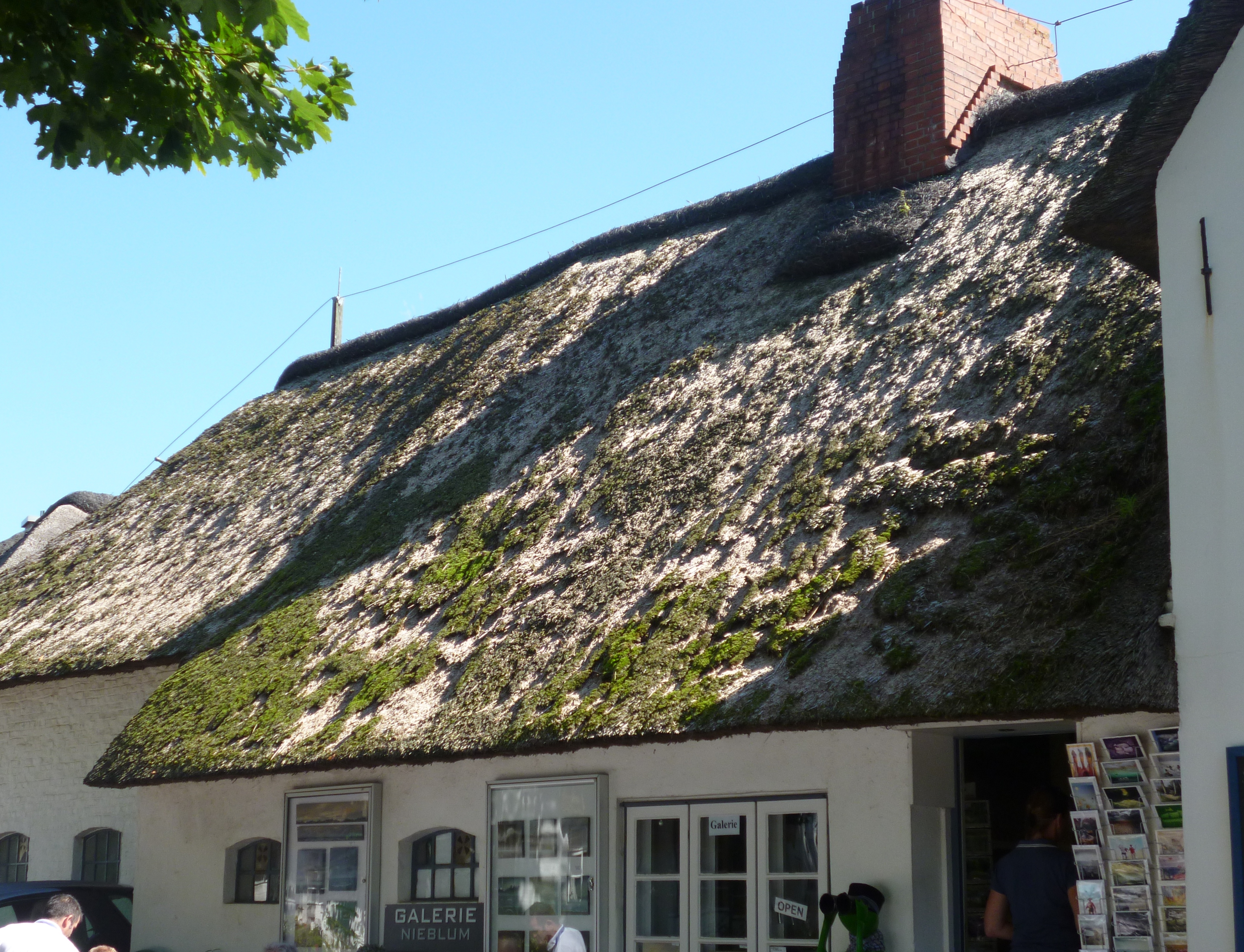
Views of North Sea Islands

Views of North Sea Islands Ansichten von Nordseeinseln

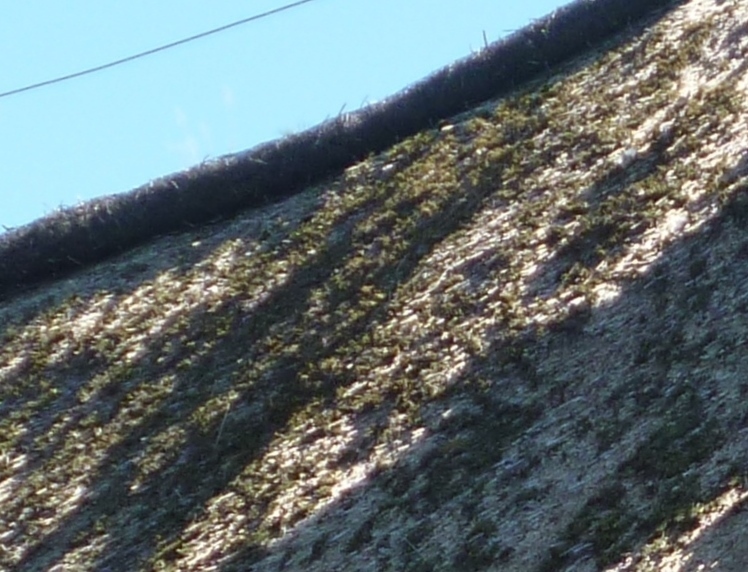
White cottage, steep thatched roof, covered with moss


Thick patches of moss
clustering on rippled thatch
like verdant islands,
like the islands we stand on:
growing in the rough grey sea.

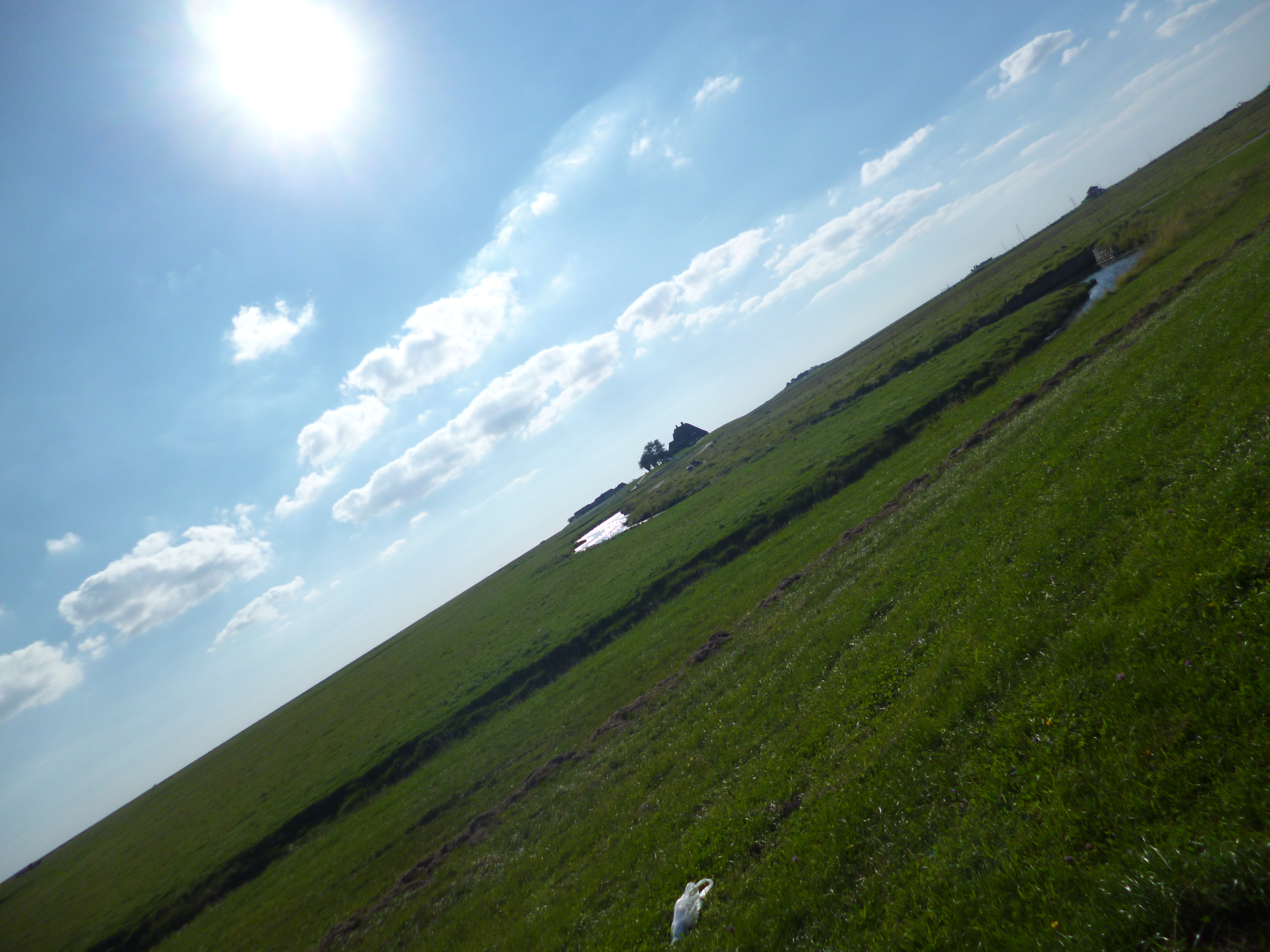
Diagonal horizon, entirely flat between green and blue, with house in middle

Dicke Moospolster
auf dem welligen Reetdach,
gleich grünen Inseln,
gleich diesen Inseln hier,
wachsend im wilden grauen Meer.

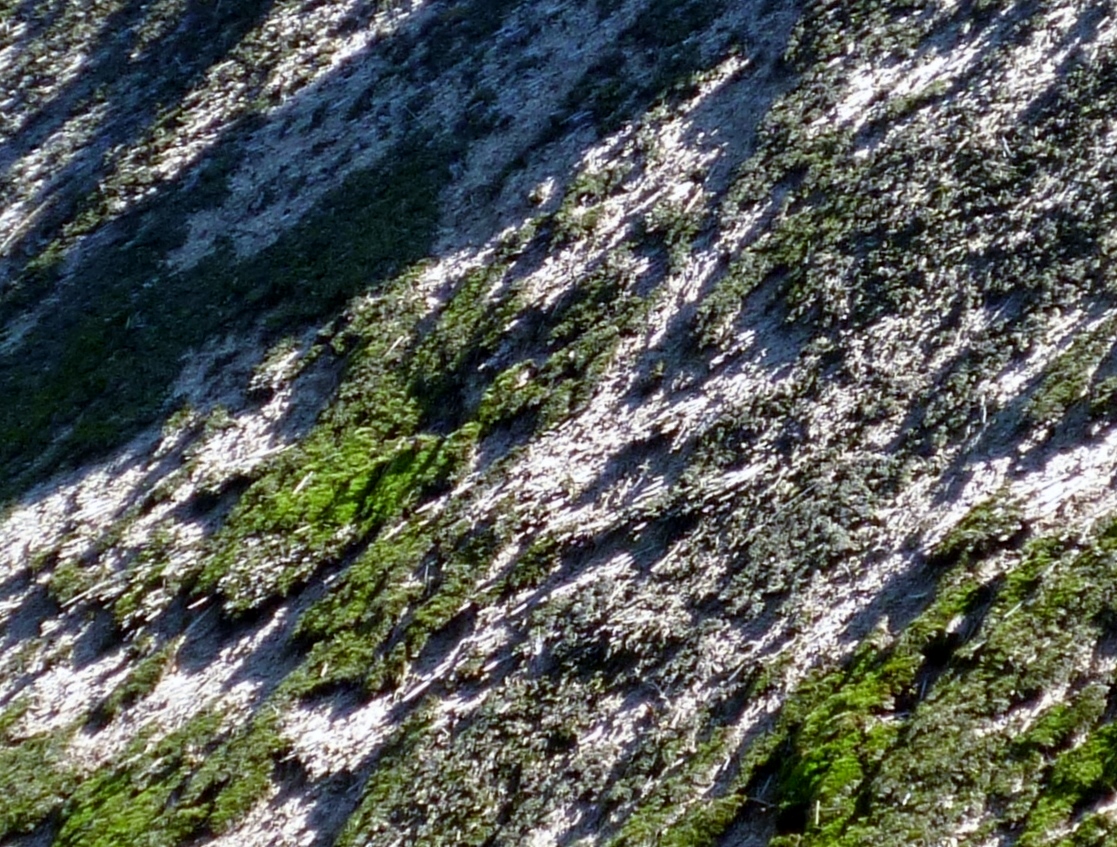
Thatched roof, covered with moss

Red clover blossom:
tiny magenta lanterns
in the green and blue,
feeding on the salty floods
across these flat floating disks.

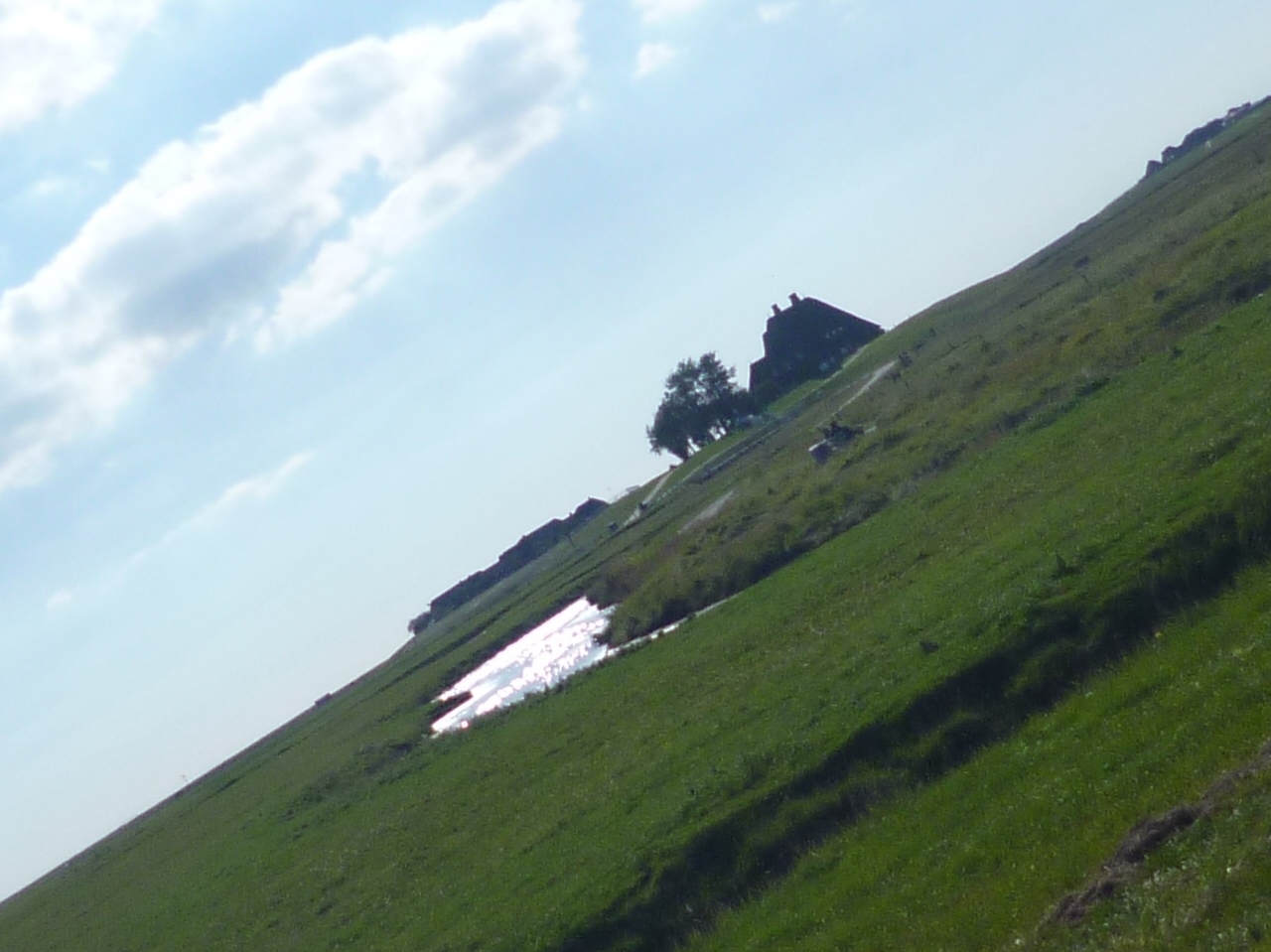
Diagonal horizon, entirely flat between green and blue, with house in middle


Rosaroter Klee:
winzige Laternen
in all dem Grün und Blau,
genährt von Salzfluten
über schwebende Scheiben hin.

Thatched roof, covered with moss


Huge ships approaching,
or space-ships – or are they hills,
or houses on stilts?
They are houses, hamlets, islets…
a necklace of glass beads.


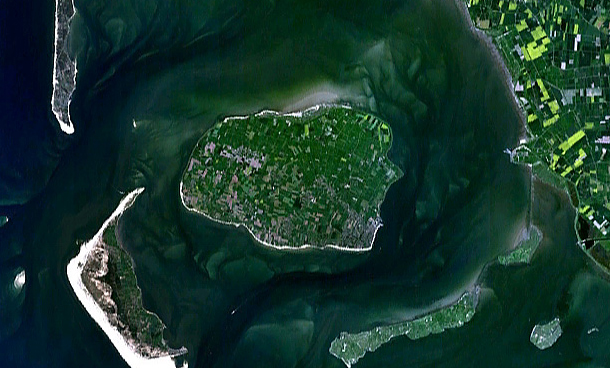
Satellite image of a cluster of small emerald green islands


Da – Riesenschiffe –
Raumschiffe – oder Hügel,
Häuser auf Stelzen?
Häuser, Dörfchen, Inselchen…
eine Glasperlenkette.

English texts: Christina Egan © 2015
German texts: Christina Egan ©2016

Photographs: Christina Egan © 2014
Galerie Nieblum on Föhr; Hallig Hooge.
Satellite picture: NASA via Wikimedia.


From the flat, small, oval island of Föhr, you spot the even flatter, even smaller islands known as ‘Halligen’: their clusters of houses and trees on little dells are visible on the horizon far across the ocean.

The Halligen still get regularly flooded and are occasionally menaced by devastation. All these islands change shape over time, when the forces of wind and water eat away at their edges or add new land.

I wrote about a similar phenomenon observed on the Baltic Sea island of the Darss in Schöpfung (Darß).

Orange Butterflies

Orange Butterflies
(Monarch Butterflies)

Brittle ochre leaves…
No – sinewy butterflies,
waiting through winter!

*

Orange butterflies,
tiny, tender, untiring,
crossing continents.

*

A swift golden cloud:
a million bright butterflies
following their stars.

*

Christina Egan © 2016

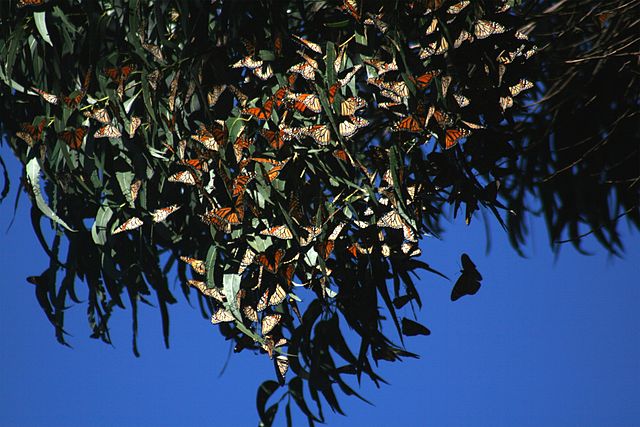
Clusters of deep-orange butterflies on deep-green leaves, similary shaped.

Monarch butterflies cluster in Santa Cruz, California.
Photograph by Brocken Inaglory via Wikimedia Commons.

Stadt im Tal

Stadt im Tal

Sprig with tiny flowers in a deep warm yellowGleich einer Ginsterblüte flimmert,
da jetzt die Sonne steigt und sprüht,
die ganze Stadt, aus Glanz gezimmert,
sacht in die Hügel eingefügt…

Gleich einer Apfelblüte leuchtet,
da jetzt das Leben wieder siegt,
das ganze Tal, vom Tau befeuchtet,
ein Orgelklang, ein Jubellied!

Christina Egan © 2015

Dyer’s broom (Genista tinctoria).
Photograph by Christian Fischer.


This poem has recently been published in regional paper Marktkorb (circulation over 100,000).

The ‘Town in the Valley’  is also mentioned in my lyrics Ich steh’ im Felde wie der Lindenbaum’  : ‘Ich schaue auf die Stadt im Tal / mit Erdensternen ohne Zahl…’

A Quilt of Light and Shade

A Quilt of Light and Shade

A quilt of light and shade,
a quilt of wind and heat
this solstice has become:
half fervour, half fatigue…

A quilt of sun and rain,
a quilt of green and grey,
brick red and blinding white
this city is today.

The boulevards are streams,
the roundabouts are whirls –
and fleetingly this seems
to be the best of worlds.

Christina Egan © 2012


In London, and in northern Europe in general, the weather is unsteady and unpredictable, even in midsummer. London has got a very great number of buildings in red brick, usually with window frames and decorative features in white, and plenty of trees, gardens, and parks. And it is very, very busy…

The summer solstice is also the subject of the previous post, This Day of June. As I am putting these poems online, there should be daylight till ten at night in England and some blue left in the sky even towards midnight — instead, there is not a ray of sunshine all day, and the sky is dark grey in the afternoon…

This Day of June


My 100th post!


This Day of June

zenith of the sun
semaphore of summer

the day when the flowers start melting
into fruit into
seed

the day when the very stones come alive
with lichen with
light

this day of June is yours
this day of June is you

Christina Egan © 2012

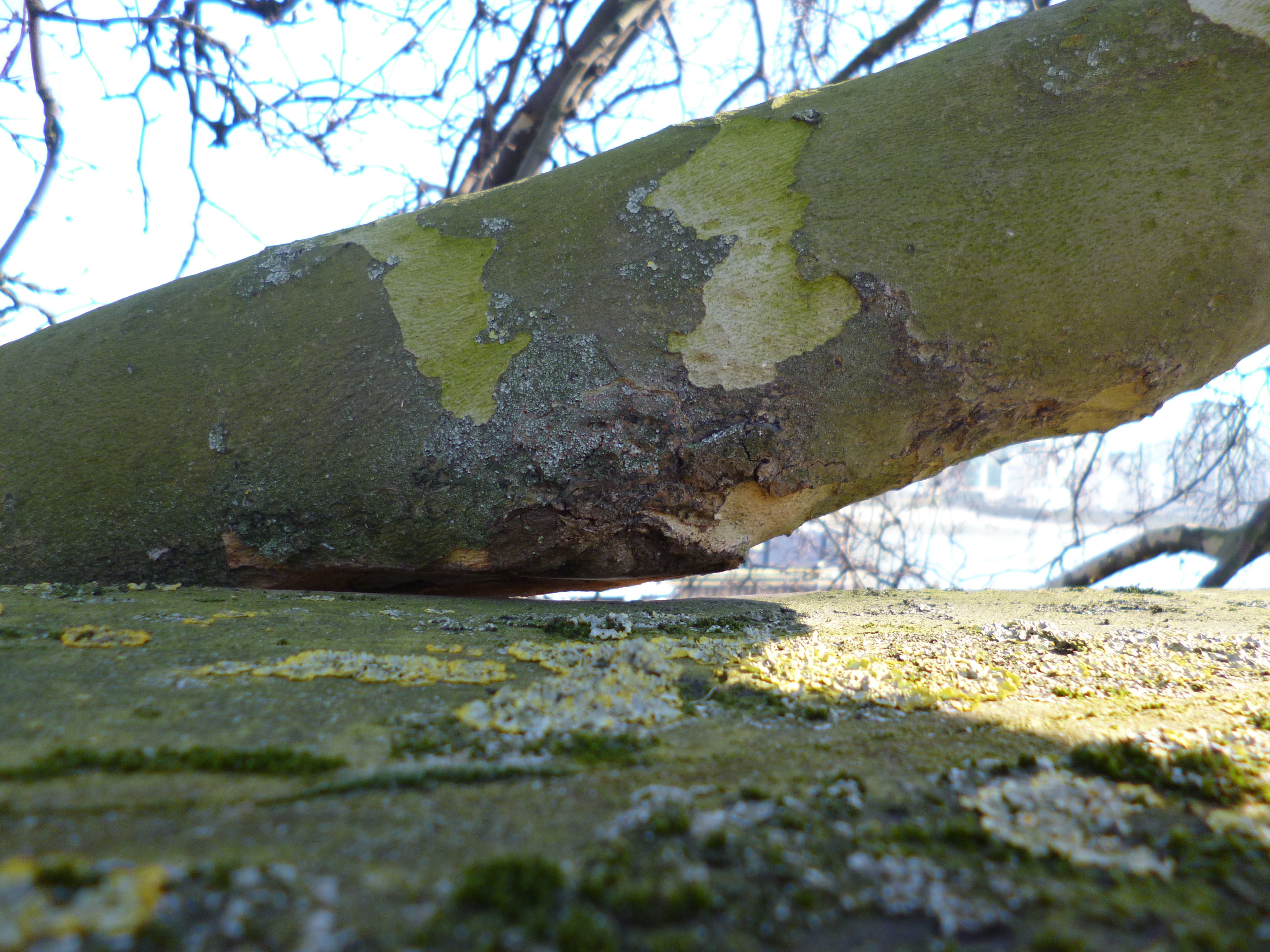
Top of wall covered with lichen and tree with patchy bark, mirroring each other.

Photograph: Christina Egan © 2014


I like to think of a human life as a sequel of seasons:
with glorious midsummer when one is a mature adult!
(‘Midsummer’ around solstice, ‘maturity’ around 35 to 45 years.)
This has also recently become the typical age for marriage
and parenthood. Also, most people now have long lives,
so having a chance to run the course of all seasons.

The two solstices are symbols of the cycles of nature:
at the highest point of the sun, heat and harvest are still to come,
but at the same time, the days are already getting shorter again…
Conversely, the lowest point of the sun sets off the period
of bitter cold and snow, but also of ever longer light and new buds.
The seasons are interlinked, as are all cycles of life and death.


The next post, A Quilt of Light and Shade, describes
the time around summer solstice in London, England.

Triumphboot des Sommers

Triumphboot des Sommers
(Chateau de Chillon, Genfersee)

Gesättigt mit Licht
der Spiegel des Sees,
die Glocke des Tals,
der lange Nachmittag
letzter Frische
vor dem bronzenen Sommer.

Hingeschüttet das ganze Geschmeide
der Erde von unter den Wurzeln,
schimmernde Schuppen
auf der Schlange Landes
zwischen Bucht und Gebirg.

Blondes seidiges Licht
fällt in die Fenster der Burg,
tief hinein ins Verlies,
reicht an den rohen Fels;
tastende Fingerkuppen
wärmen die toten Kamine,
die fernen Wände der Säle,
rufen verblichene Sänger herauf
zum zeitlosen Tanz.

Am anderen Ufer
ragen reglos die Segel
der senkrechten Felsen,
bewimpelt mit Wolken,
Triumphboot des Sommers.

Die Stunde der Sonnwende schlägt,
unhörbar,
unumkehrbar,
unzerstörbar.

Christina Egan © 2001


‘Triumphal Barge of Summer’ may work in a translation software. It is a memory of Lac Leman, a vast lake between towering mountains, around summer solstice. One of the most beautiful days of my life!

Loss (Rounded is My Life)

Loss

Rounded is my life, a jewel
sparkling in the summer rain,
spinning round the hollow axis
of a loss without a gain.

Will you for one moment only
silently pick up my pain,
hold it in your gentle hands and
watch the white and biting flame?

Will you say: I’ve seen you suffer?
Will you say: I’ve felt the same?
If you know me and you tell me,
then I have not lived in vain.

You alone can see the beauty
of this tall and forceful flame,
of this shadow of abundance,
of this ghost of life’s full game…

Shall I pass unknown, unnoticed,
shall I die in pointless pain?
You alone can read my eyes and
call me by my real name.

Christina Egan © 2013


The first half of this poem describes a bereavement or a loss akin to it, like a miscarriage or a divorce. The second half turns this work into a love poem or a religious poem; as often in my work, I keep it open. Some of these lines could therefore be read at a funeral.

It is June again, and in northern Europe, rain is as characteristic of this month as sunshine is, and it can be as pleasant! The season might also relate, as often in my poetry, to the person’s age: someone afflicted by loss in the midst of life, when they should be thriving.

Obsidian Mirror / Orangenzweig

Obsidian Mirror Mirror made of a deep-black polished stone, on a wooden base.

The moonless night, the iron gate,
between the trees the winding path,
the nameless pond: a polished plate,
obscure and truthful looking-glass –

The moonless night, the nameless pond,
the outline of a cruel fate:
the leaves are shed, the blossom gone –
It is too late – It is too late.

Christina Egan © 2015


Orangenzweig

O Traum von Liebe, Traum von Licht
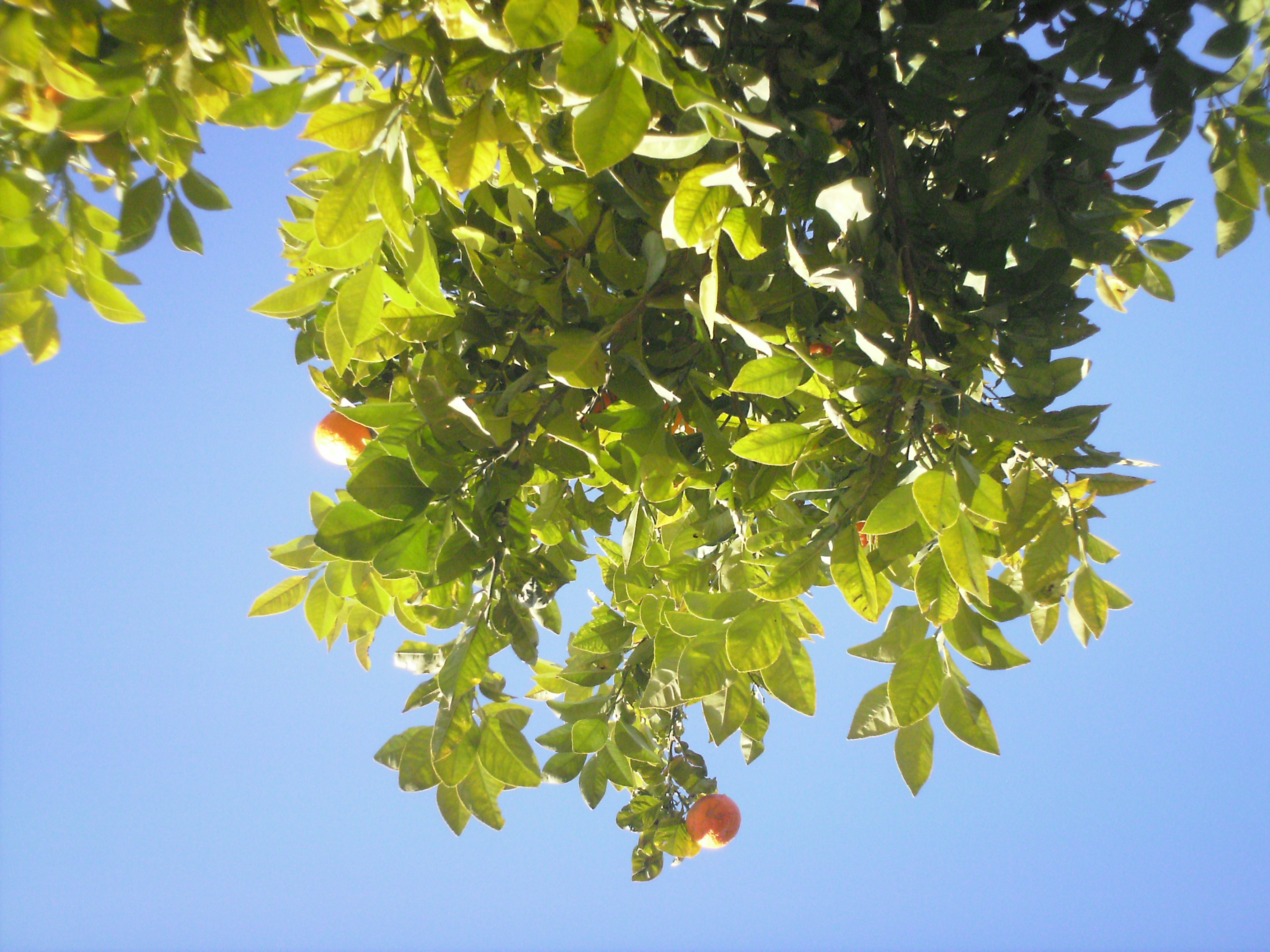
Oranges hanging from branches against blue skyauf einem duftenden Gesicht,
vom kleinen Rosengartenglück
aus einem mächtigen Geschick,
vom Dasein als Orangenzweig,
an Blüte reich und Frucht zugleich,
vom ganz bescheidnen Paradies,
das dir und mir ein Gott verhieß…
O Traum, der niemals untergeht –
Es ist zu spät. Es ist zu spät.

Christina Egan © 2016


The two poems contain an echo, and echo each other, in the phrase ‘It is too late’ — ‘Es ist zu spät’, which emphasises the futility of wishes and plans when fate is irrevocably against them.

Obsidian is a very dark and very hard stone. Some ancient civilisations used polished slabs as mirrors. Apparently, they were also employed for fortune-telling!

Photograph: Aztec mirror, Museum of the Americas, Madrid. – Simon Burchell via Wikimedia Commons. – Orange branch: Christina Egan © 2012.

Dem Herausgeber des “Echtermeyer”

Dem Herausgeber des “Echtermeyer”

Du sammeltest leuchtende Lieder,
den mannigfaltigsten Strauß,
du trugst vom Parnassus hernieder
Gedichte in jedermanns Haus.
Verklungen ist längst deine Stimme,
im Schattenreich deine Gestalt,–
doch fesselst du unsere Sinne
durch eherner Worte Gewalt.

Christina Egan © 2015


Vixi, et, quem dederat cursum fortuna, peregi;
et nunc magna mei sub terras ibit imago.

Virgil, Aeneis IV, 653–654 


The name of this writer, Ernst Theodor Echtermeyer (1805-1844), became proverbial for a standard anthology of German poetry. It went through many mutations, and the latest editions are officially titled “The Echtermeyer”. Without this book, I would not be what I am!

We know little about Theodor’s life, but I have tried to imagine two key moments in his life: when he understands he is in love and decides to marry; and when he understands he is so ill that he must die soon. Theodor an Emilien  is written in the first person singular in 19th-century German.