Ich fülle das Papier

Ich fülle das Papier

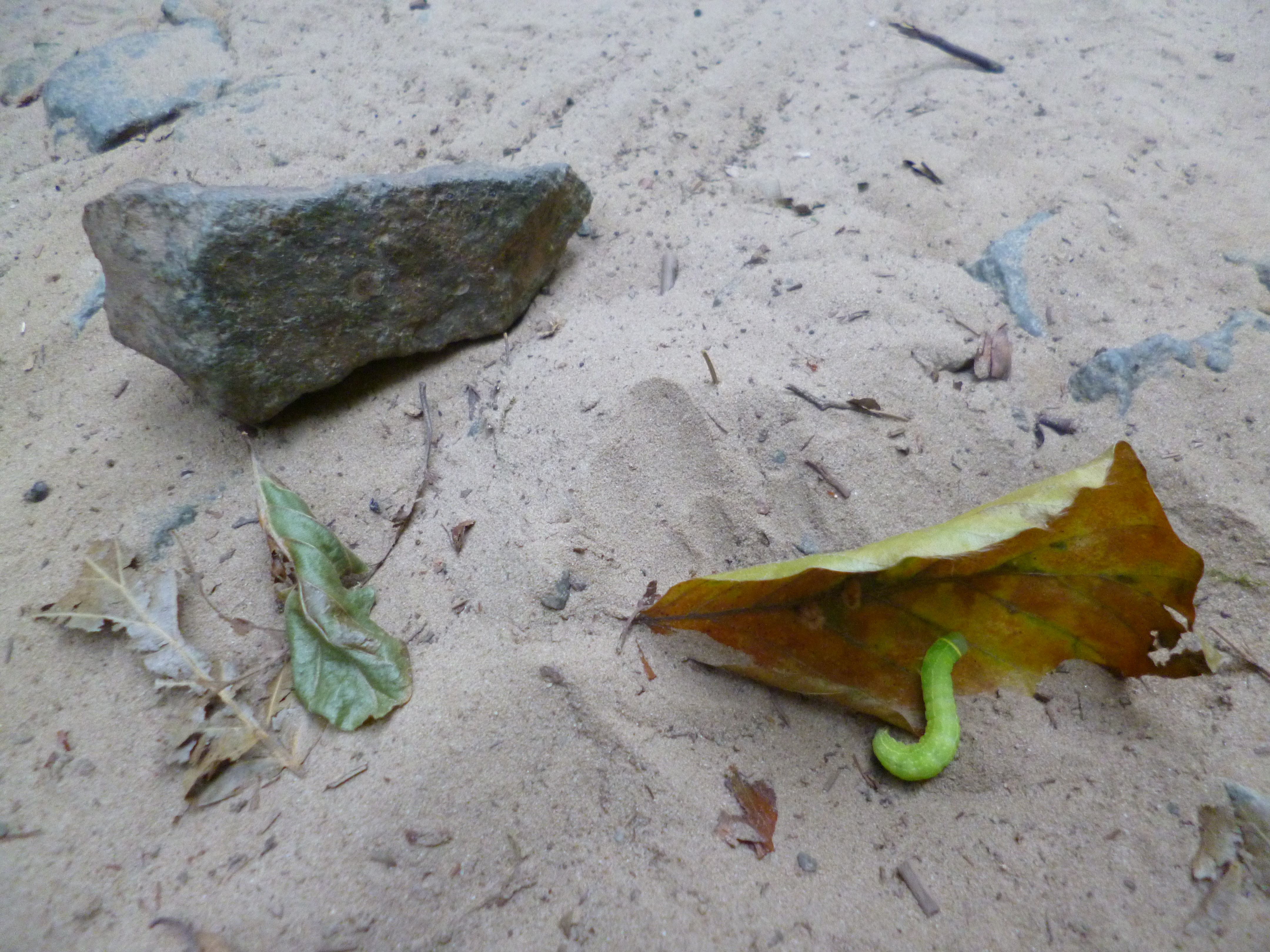
Caterpillar, very bright green, with crumpled leaf and edgy stone on sand.Ich fülle das Papier
mit langen schwarzen Kringeln,
die sich von mir zu dir
wie lauter Raupen ringeln.

In Wörtern schicke ich
mein Lächeln und mein Zwinkern
und jenes Frühlingslicht
gleich hinter meinen Wimpern.

Christina Egan © 2012

I had the poem and font colour before I found the caterpillar…!
I send a lot of handwritten letters; last year, it was exactly 100!

Photograph:  Christina Egan © 2016.

Ich knabbre an Träumen

Ich knabbre an Träumen

I.

Ich knabbre an Träumen,
sie machen nicht fett,
sie machen den Mangel
an Leben nicht wett.

Sie füllen die Augen
mit flüchtigem Licht,
zerreißen das graue
Gewölk aber nicht.

Ich trinke Erinnrung
wie Tropfen von Gold
und spür’, wie die Zukunft,
die Zeit mir entrollt.

II.

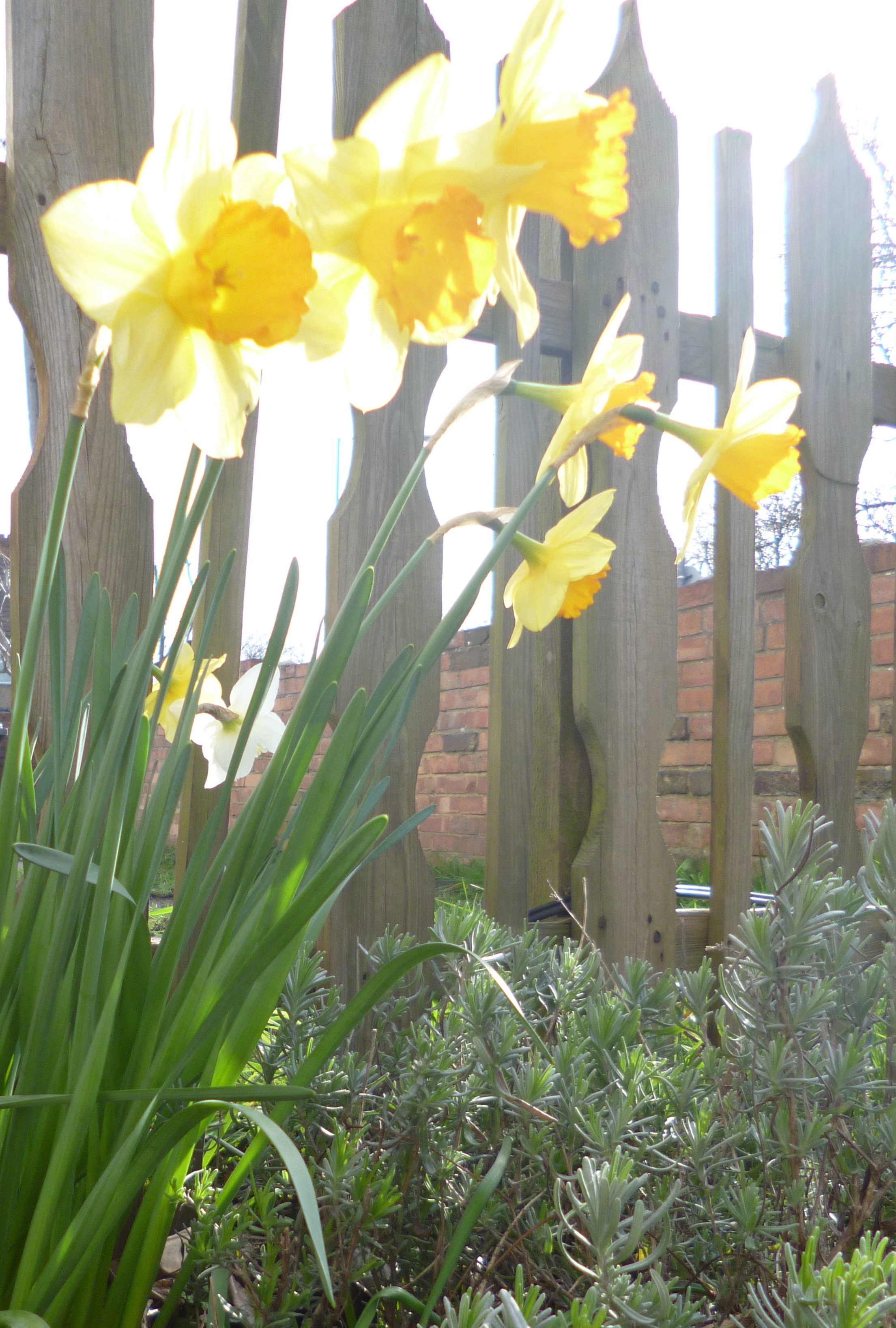
Bundle of daffodils in front of a wooden fence in bright sunlight.

Ich klammre die Hände
um Murmeln aus Glas
und flüstere Wünsche
ins glitzernde Gras.

Die Murmeln sind tief
in den Taschen versteckt:
Noch nie hat ein Mensch
meine Träume entdeckt,

noch nie hat ein Freund
meine Träume geteilt,
am gläsernen bunten
Geäst sich erfreut.

III.

Es leuchten Narzissen
wie Sterne am Zaun,
wie stille Versprechen
im quellenden Raum.

Doch rinnt mit dem Regen
das Heute dahin…
Mir knistern wie Flammen
die Träume im Sinn,

wie blaßblaue Geister
und hellrote Glut –
O wehe den Menschen
mit Sehnsucht im Blut!

Christina Egan © 2012

Photograph: Christina Egan © 2017.

Persephone (die quellenden blüten)

Persephone

die quellenden blüten
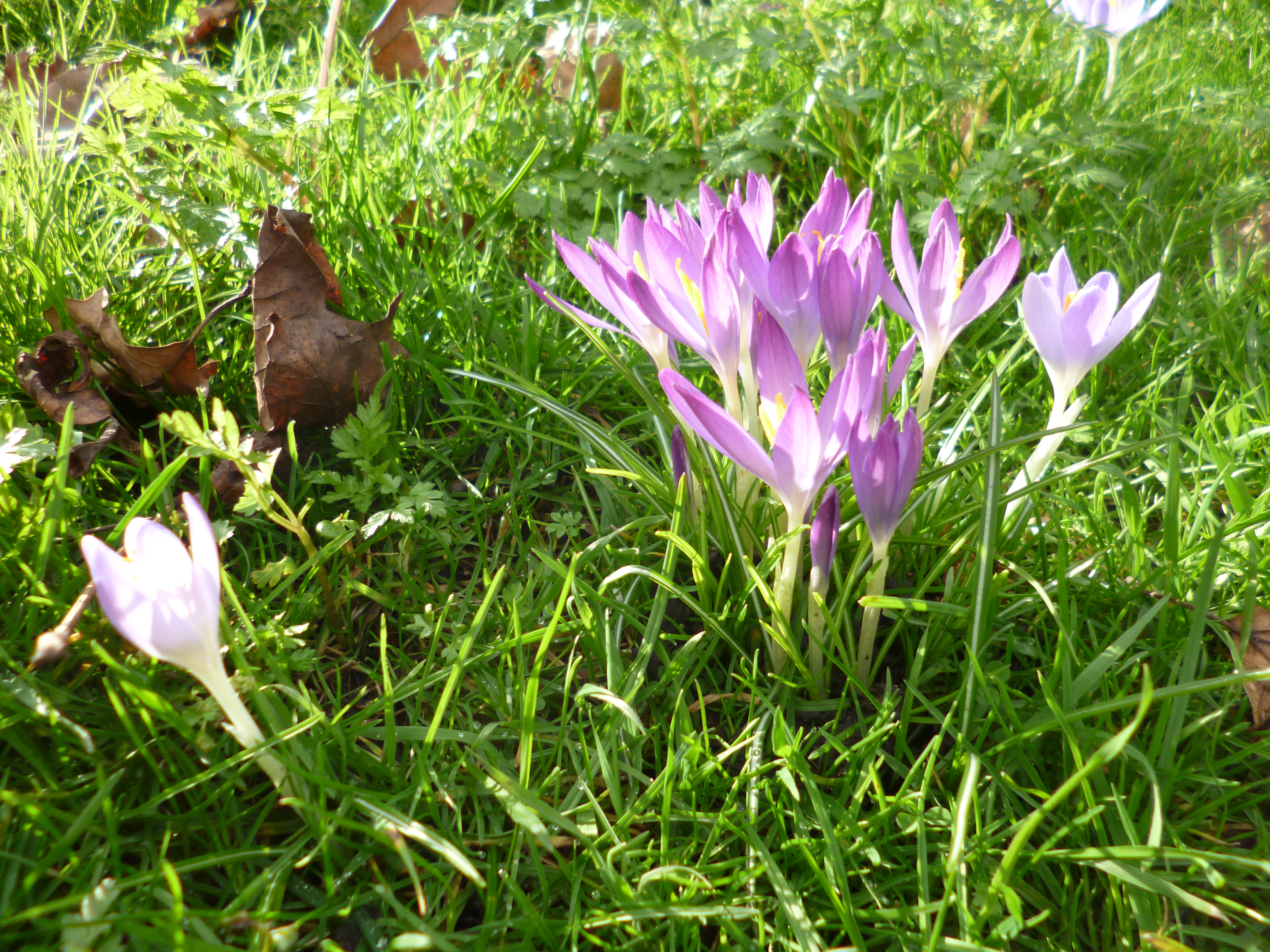
Bundle of mauve crocusses, seen fro mthe side, transparent in the sunlight.die rollenden wolken
wie flüchtige schrift –
die dürstenden blätter
der perlende regen
das spielende licht –

der sprühende frühling
das leuchtende lächeln
gesicht zu gesicht –
die atmende erde –
das leben – das leben –
und dann das gedicht –

Christina Egan © 2015

Here is this fortnight’s poem in the
photo calendar
Rhönkalender 2017!

Photograph: Christina Egan © 2017.

King Spring / König Frühjahr

King Spring

The highway under my window is suddenly flooded with sun.
I see a strange person passing – his face is greenish and long,
his hat is purple and pointed – and followers thronging, hatless.
Is it a pharaoh? A druid? A dancer in fancy-dress?
I’ve spotted a spearhead of petals, magenta pushed up into blue,
the first magnolia flower: King Spring and his retinue!

Christina Egan © 2016

Large long buds above a road, with one opening in bright magenta, the folded petals looking like a hight hat.

König Frühjahr

Die Landstraße unter dem Fenster liegt plötzlich im Sonnenlicht.
Da geht ein fremder Geselle mit grünlichem langem Gesicht
und purpurner spitzer Mütze; Barhäuptige folgen ihm.
Ein Pharaoh? Heidenpriester? Ein Tänzer im Narrenkostüm?
Es ist eine Lanzenspitze, rosenrot hochgereckt,
die erste Magnolienblüte: Ich hab’ König Frühjahr entdeckt!

Christina Egan © 2016

Photograph:  Magnolia buds (England, February). Christina Egan © 2016.

Mitte Februar / Schnee über Nacht

Mitte Februar

Die Welt hat allen Glanz verloren
wie eine ganz verwelkte Frau.
Am Himmel Wolken, Schnee am Boden –
ein Leichentuch von blassem Grau.

Dahinter kämpft mit langem Atem
das fern verbannte Feuerrund:
Unmerklich schmelzen schon die Schatten,
und Farbe braut im Untergrund.

Die schwarzen Zweige sind lebendig,
das nasse Moos voll neuem Saft,
und das ermattete Gelände
wird auferstehn mit satter Kraft.

Christina Egan © 2012


Schnee über Nacht

Der Schnee hat wie ein Federbett
die kahle Erde zugedeckt,
begräbt die Schuld,
begräbt den Schmerz
in Gottes gnädiger Geduld,
in Gottes unbegrenztem Herz.

Christina Egan © 2012


Mitte Februar was published in the Rhönkalender 2015 (entitled Ende Februar). The 2017 calendar includes three poems by me and is still available.

Siegeskranz

Siegeskranz

Vor fünfzehnhundert Jahren,
da hab’ ich einen Kranz
aus Lorbeer und aus Ölzweig
gelöst und eingepflanzt.

Mein einst mit dunklem Lorbeer
gekröntes goldnes Haar
blieb fortan ungefeiert
und bleichte Jahr um Jahr.

Nach sieben Sommern aber
bot meine Ölbaumschar
die  bittersüßen Früchte
mit stolzem Lächeln dar.

Und Völker schwollen, ebbten,
und Rom verging in Rauch;
doch aus dem Kreis von Zweigen
entsproß noch Strauch um Strauch.

Und Bäume blühten, dorrten
und sanken in den Staub;
doch immer wieder grünte
das zähe Ölbaumlaub.

Nach fünfzehnhundert Jahren
betret’ ich einen Hain
aus silberhellen Hölzern
und spüre: Er ist mein.

Christina Egan © 2015

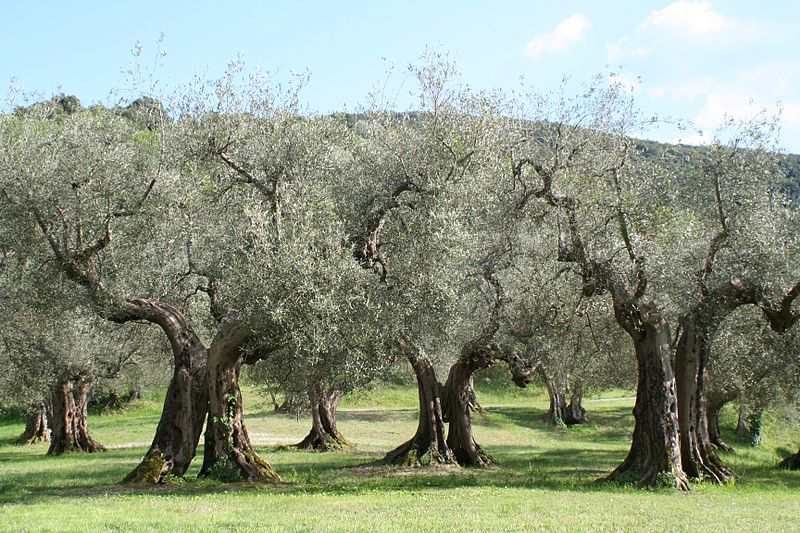
Olive grove, trunks and tree-tops silvery grey, like ashes.

Someone plants an olive grove towards the end of the Roman Empire, comes back to earth fifteen hundred years later — and recognises the descendants of her or his trees, which have survived the Dark Ages and are still thriving.

The narrator had taken the original olive shoots from her (more likely, his) victory garland, for instance for a poetic contest; so they could be an image for a contribution to civilisation in late antiquity which is relevant to this day.

For an English story about the end of Rome and its afterlife, go to The City Lit Up.

Photograph: ‘Olivenbäume in Umbrien’ by Adrian Michael.

Warten ist der Winter

Warten ist der Winter

Warten ist der Winter, Warten
auf den endlich wieder starken
Glanz, der sanft ins Leben küßt,
was vor Gram verblichen ist.

Einsam ist der kleine Garten,
während Garben aller Farben
unter altem Laub und Moos
schlummern im verdorrten Schoß.

Hilflos ist das lange Darben
für den unbemerkten Garten:
hilflos, doch nicht hoffnungslos,
denn der Himmel ist sein Trost.

Christina Egan © 2012

Word cloud in pink and green on black; in the middle, £waiting" and "fog" in grey, "garden" and "bright" in yellow.

The other poems are Hinter dem Olivenbaum, Mitte Februar, Fastenzeit, Der Nebel hebt sich, Wende (Bestickt mit Blüten), Bunter Zwirn, Aprilabend.

Many thanks to the Simple Word Cloud Generator!

Ursprung

Ursprung

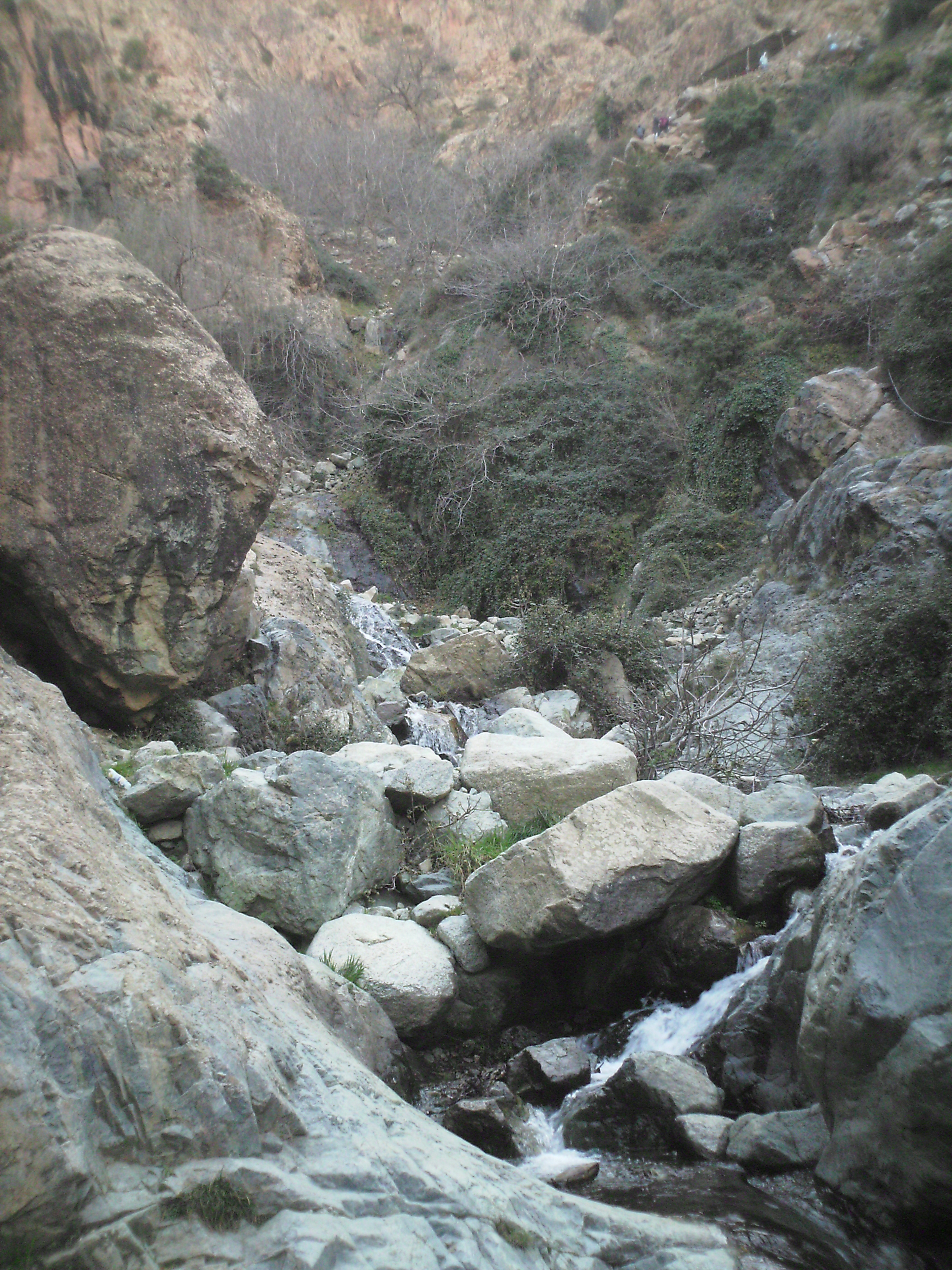
Narrow gorge with stream skipping around boulders and some vegetation on the rocks.Aus dem Felsen springt die Quelle:
So die Schöpfung aus dem Nichts.
Und sie strömet Well’ auf Welle
aufs Geheiß des Herrn des Lichts.

Und sie funkelt, und sie dunkelt,
und sie sprudelt fort und fort;
und sie murmelt, und sie rufet,
da geschaffen durch das Wort.

Und sie schäumet, und sie strebet,
spiegelt, springt empor zum Licht;
denn sie sucht den Herrn des Lebens
Angesicht zu Angesicht.

Christina Egan © 2016


This poem or hymn may work quite well in a translation software.

The text is based on the Jewish-Christian myth of creation: Out of nothingness (or chaos), God called everything into being (and order). Light was the first thing made, and it was all done through the word.

There is also a concept in Christian philosophy that God continues creating the world every moment; if he ever ceased, everything would tumble back into nothing. These ideas are really the opposite of nihilism.

Other thoughts from the Letters of the Apostles (at the end of the Christian part of the Bible) are that the whole of creation is striving and struggling towards God as if in labour; and that at the end of time, we shall emerge from darkness to see God ‘face to face’.

The title, ‘Origin’, means ‘first source’ in German; you can see the word ‘spring’ in it. Yet, I added the title in the end; the image and first lines stood clearly in my mind on waking up: the source springing from the rock, like the world out of nothingness, or life out of lifelessness.

A thought about a person stepping out from a building into the sunshine as if liberating himself or herself from a rockface can be found at Gelbes Licht, with a statue by Michelangelo that must have inspired it.

Photograph: Atlas Mountains, Morocco. Christina Egan © 2012.

Palmenhaus / Palm House

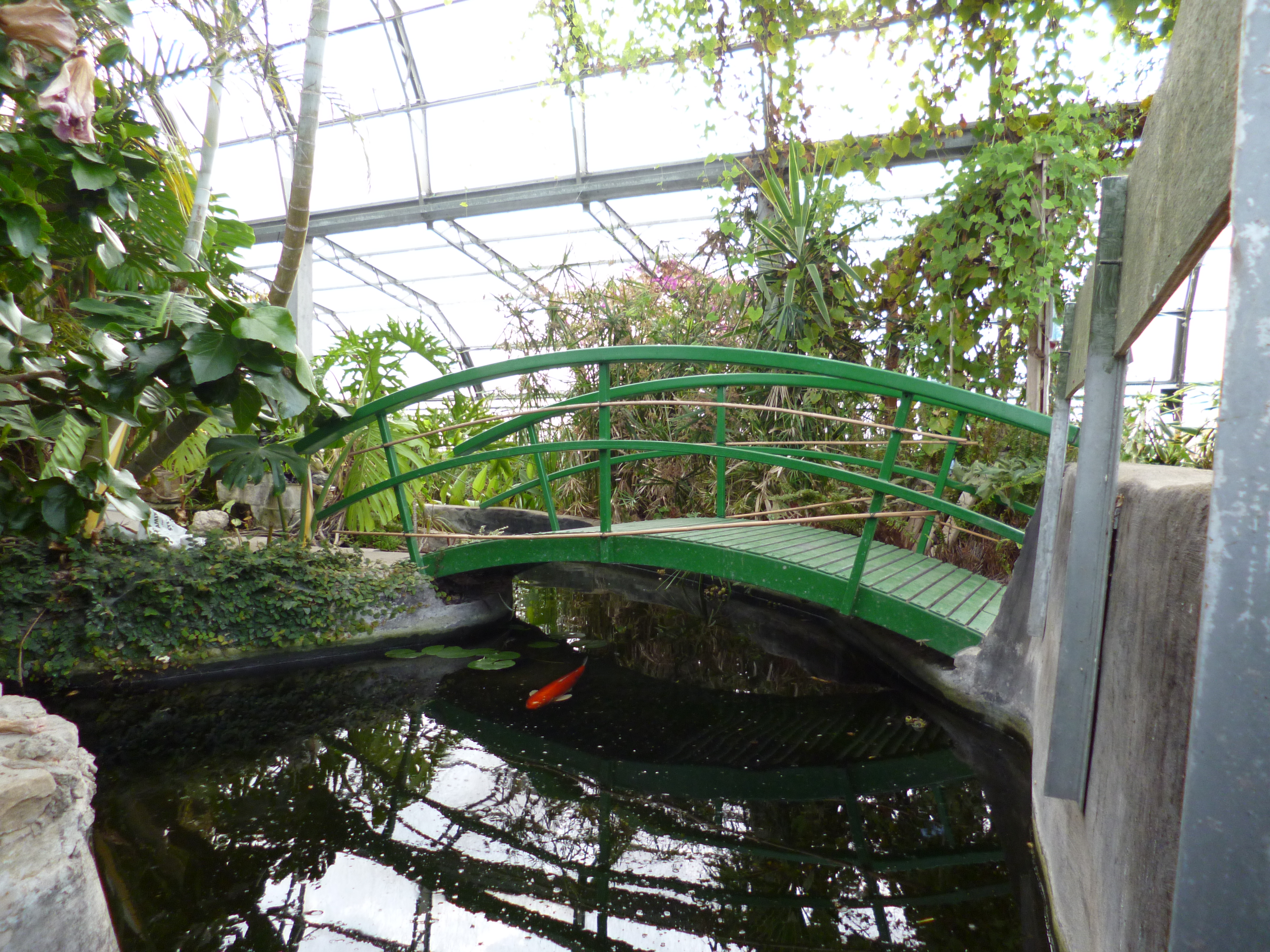
Bright red koi fish coming out from underneath curved green bridge across pond

250 poems!


Palmenhaus am Wolfsweg –
Palm House at Wolves Lane

Huge banana leaf, bright green above bright green bridgeSattgrüne Segel,
wölben sich die Palmblätter
hier im Gewächshaus.

*

Green sails, filled with light,
with sap, the palm leaves billow
here in the greenhouse.

***

Tiny waterfall behind little red bridgeBlütentrompeten
antworten dem Wasserfall:
Kannst du’s vernehmen?

*

The flutes of flowers
answering the waterfall:
can you perceive it?

***

Turtle in pond under palm-trees

Dieser Tümpel ist
dem Schöpfer ein Tropfen,
der Schildkröte die Welt.

*

This round pond is
a drop to the Creator,
the world to the turtle.

***

Two koi fish in bright yellow and bright orange; dark water reflecting white sky and structure of glass-houseIm schwarzen Wasser
das Spiegelspiel des Himmels,
der Blitz des Goldfischs.

*

In the black water
quivering of heavens,
lightning of a goldfish.

***

Birght red koi fish coming out from underneath curved green bridge across pondAus nachtgleichem Naß
unter der grünen Brücke
schießt der rote Fisch.

*

From the night-like wet,
from under the bright-green bridge
the red fish shoots out.

***

Photographs: Christina Egan © 2013
German texts: Christina Egan © 2014
English texts: Christina Egan © 2015

Quest / Suche

Quest

The market swirls
like ocean’s foam –
The harbour bursts
to roam the blue –

Yet nothing’s real
if not dream –
And music too –
and music too!

Christina Egan © 2015Fest_des_Lebens_1970

Suche

Der Marktplatz quirlt
wie Wellenschaum –
der Hafen quillt
hinaus ins Glück –

Doch nichts ist wirklich
als der Traum –
und die Musik –
und die Musik!

Christina Egan © 2015

Very bright painting of mainly blue and red shapes on yellow.

This poem in German and English versions is dedicated to the painter Curt Echtermeyer, who for some of his work took on the pseudonym Curt Bruckner out of reverence for the composer Anton Bruckner. I hope Curt would appreciate the thought that dreams are more real than life…

Images: Das Fest des Lebens (The Feast of Life) by Curt Echtermeyer. Pastel, 1970. With thanks to Archiv Klaus Spermann.Max Ernst: Fish fight. Oil on canvas, 1917. – © Max Ernst. Distributed under FairUse at  WikiArt.