Loss (Rounded is My Life)

Loss

Rounded is my life, a jewel
sparkling in the summer rain,
spinning round the hollow axis
of a loss without a gain.

Will you for one moment only
silently pick up my pain,
hold it in your gentle hands and
watch the white and biting flame?

Will you say: I’ve seen you suffer?
Will you say: I’ve felt the same?
If you know me and you tell me,
then I have not lived in vain.

You alone can see the beauty
of this tall and forceful flame,
of this shadow of abundance,
of this ghost of life’s full game…

Shall I pass unknown, unnoticed,
shall I die in pointless pain?
You alone can read my eyes and
call me by my real name.

Christina Egan © 2013


The first half of this poem describes a bereavement or a loss akin to it, like a miscarriage or a divorce. The second half turns this work into a love poem or a religious poem; as often in my work, I keep it open. Some of these lines could therefore be read at a funeral.

It is June again, and in northern Europe, rain is as characteristic of this month as sunshine is, and it can be as pleasant! The season might also relate, as often in my poetry, to the person’s age: someone afflicted by loss in the midst of life, when they should be thriving.
Theodor an Emilien

Theodor an Emilien

Mit tausend dicken weißen Kerzen
Prangt der Kastanienbaum am Tor;
Ich steh’ mit hoffnungshellem Herzen
Im späten Dämmer stumm davor.

Der Vogelsang ist längst versickert
Wie Silberspur ins Dunkelblau…
Doch aus dem Gutshaus tröpfelt, zittert,
Quillt das Klavier wie Abendtau.

Ich mach’ im hohen Gartensaale
Den flinken schlanken Schatten aus –
Und werf’ nach jenem Ankerpfahle
Mein Tau mit einem Male aus.

Christina Egan © 2016


The old-fashioned names and inflections signal that this is a scene which happened long ago, a romantic story from the times of Jane Austen, set in Germany. There is a true story behind it, and the ending is happy and sad: the young man waiting hopefully outside the manor house in the summer night, Ernst Theodor Echtermeyermarried Lady Emilie, and they had a child, but they both died very young.

Himmelblaue Uhr (Tottenham)

Himmelblaue Uhr
(Schloßpark zu Tottenham)

Die Dämmrung senkt sich auf die Flur.
In Vogelsang
tropft Glockenklang
von einer himmelblauen Uhr
an einem himbeerfarbnen Turm.

Die Rosen schimmern wie Laternen.
Von ringsum her
summt der Verkehr.
Ein Flugzeug funkelt zwischen Sternen
und segelt durch Kornblumenfernen…

Die Wetterfahne blinkt am Mast.
Ein Ruf, Gebell,
der Uhrschlag, hell –
Und alle Sorge, alle Hast
kommt zwischen Tor und Tor zur Rast.

Christina Egan © 2016

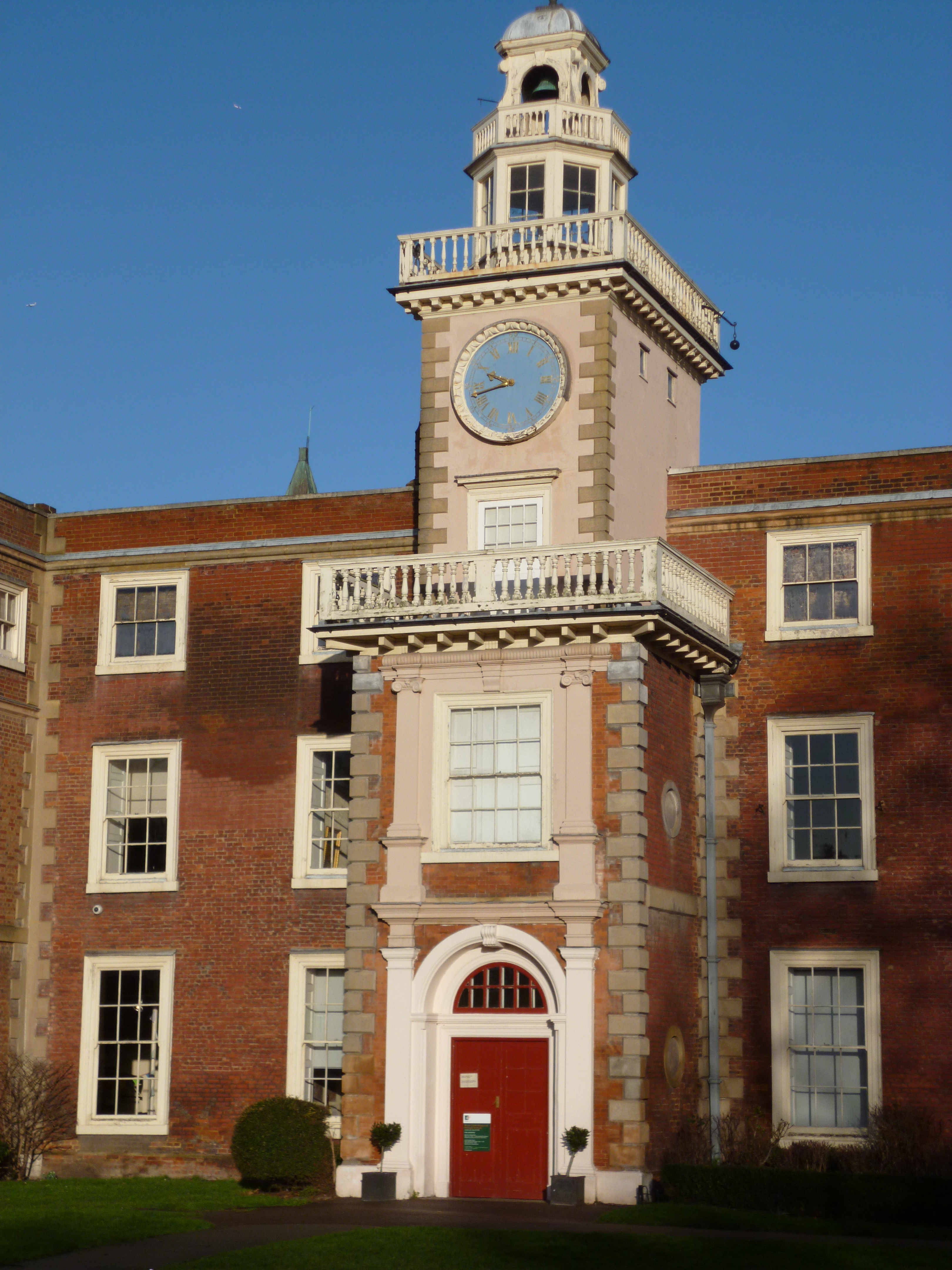
Manor house in red brick, turret painted in pink, with a red door, white decorations, and a bright-blue clockface, under a blue sky.

You can read similar poetry about a walk on a tranquil evening at May Haiku (Bruce Castle).

This is London, too — not only the steel and glass office blocks and underground tunnels I describe in höhlenmenschen / cavemen and related posts, or the bitter poverty I touch on in There’s door on door. London is, in fact, a particularly green city, and Tottenham a very green part of it.

Bruce Castle, Tottenham, London.
Photograph: Christina Egan © 2014

By the Brittle Brown Fence

By the Brittle Brown Fence

By the brittle brown fence,
bright, arresting the eye,
an explosion of pink,
pure pink!
Low, silent, intense, incessant,
a pillow of raspberry colour,
triumphant trumpet
of early summer:
my azalea
in May!

Christina Egan © 2006


The shape of the poem emulates the content…
and in this display, it is also true for the colour!

vermächtnis

vermächtnis

und wieder dünen. wieder hohes gras.
und meer und himmel hier mit urgewalt.
und wieder du in deiner wohlgestalt.
und mein verlangen sanft und ohne maß.

ich tauch in deine lichten augen ein…
das meer entweicht. es war nur wellenschaum.
der tag verbleicht. du warst ein sommertraum.
ich bin allein am strand. ich bin allein.

wie mars in seinem kupferfarbnen glanz
entsteigt dem wall des kiefernwalds dein bild.
die brandung klopft. und klopft. der boden quillt.
ich kröne dich mit meiner verse kranz.

Christina Egan © 2015

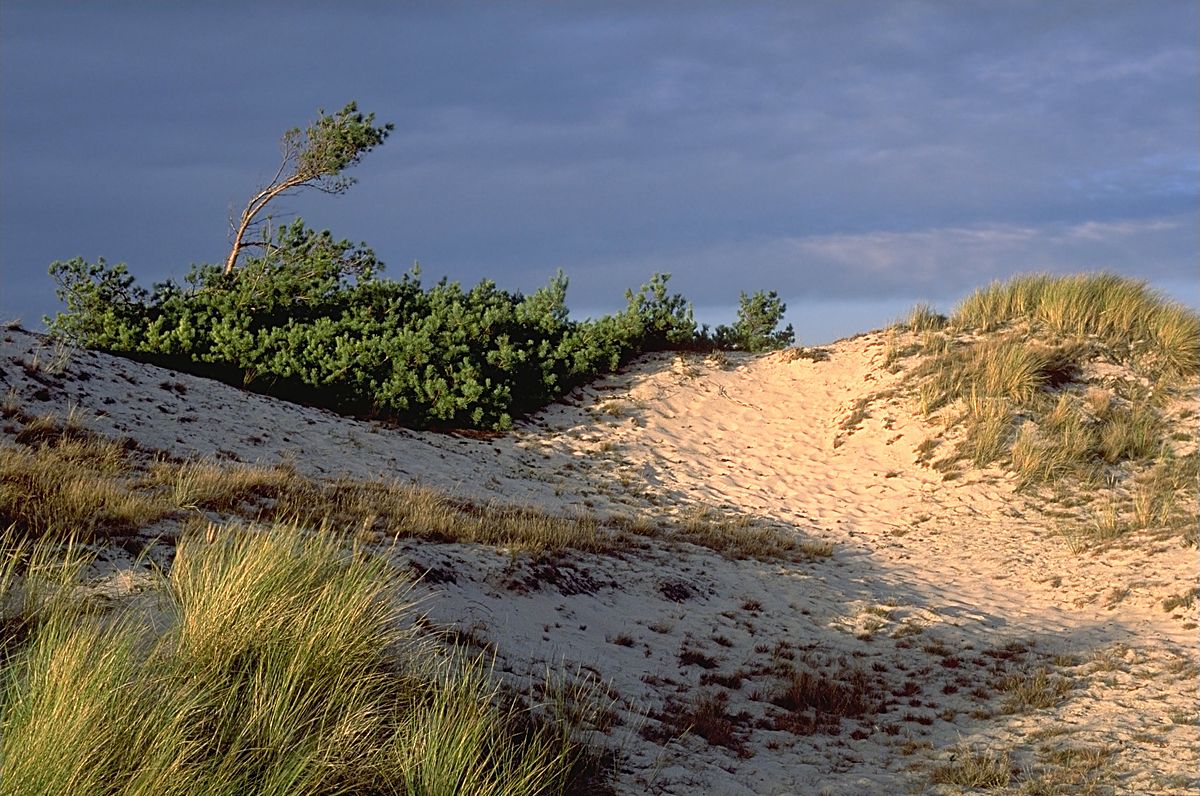
Golden dune, green grass and shrubs, deep-blue sky.


This is my poem of the year 2015! It is, as the title states, my Bequest.

Like many other poems, it was inspired by a holiday on the Darss.


“Dune in Nature reserve Darßer Ort, Baltic Sea”. Photograph: Andreas Tille via Wikimedia Commons.

Sommergewitter am Meer

Sommergewitter am Meer

Das Meer lag wie ein Teppich,
die Sonne sank mit Prunk.
Die Nacht fiel lau und lieblich,
der Mond stieg stolz und rund.

Der Himmel rührt das Wasser
und zaust den Wald – und jetzt –
ein Tropfen, Klopfen, Prasseln –
und jetzt – der erste Blitz!

Doch in die wilden Zacken,
Licht sonder Maß und Zahl,
dreht eine Leuchtturmfackel
den stillen breiten Strahl.

Christina Egan © 2015

This composition of bright moonshine, wild lightning,
and flashing lighthouse fire recalls the Darß (Darss) at
the very edge of Germany.

You can find more verse on the Baltic Sea in summer
at ostseeschlaflied and Midsummernight Far North,
and when you type ‘Darss’ into the search box.

ich liebe dich

ich liebe dich

ich liebe dich
ich suche dich
am apfelbaum
der geißblattbusch
umduftet mich
mit weiß und gold
ich liebe dich
ich finde dich
im fiebertraum
ein runder mond
verschwendet sich
verheißungsvoll
ich liebe dich

Christina Egan © 2015

These lines were inspired by my favourite poem ever,
the magical
Ich liebe dich by Adelheid Bienmüller, which
once struck me
 on a calendar. Unfortunately, I have not yet
found this poet and her poem on the world wide web!

Later, I translated these lines as I love you well (I look for you).

Green Blood

The plant on the window-sill

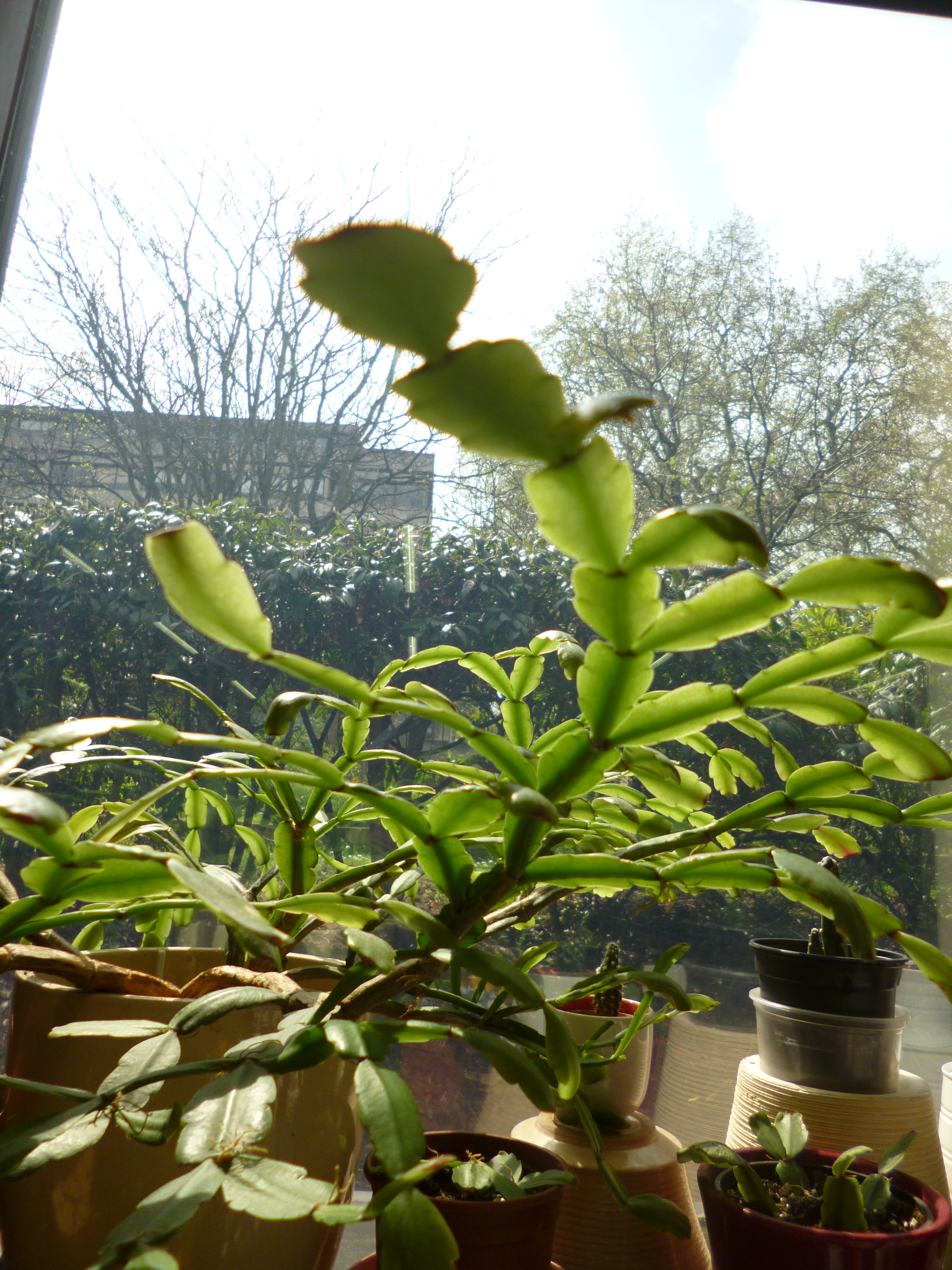
Lush Christmas cactus on window sill, appearing to reach out to the viewer, with little cacti around.

It is shining, it is glowing,
while the sun is rising high!
It is stretching, it is growing,
so am I, oh, so am I!

It is breathing, it is throbbing,
full of blossom, full of birth!
It is floating, it is bobbing
on the bubble of the earth!

Christina Egan © 2015


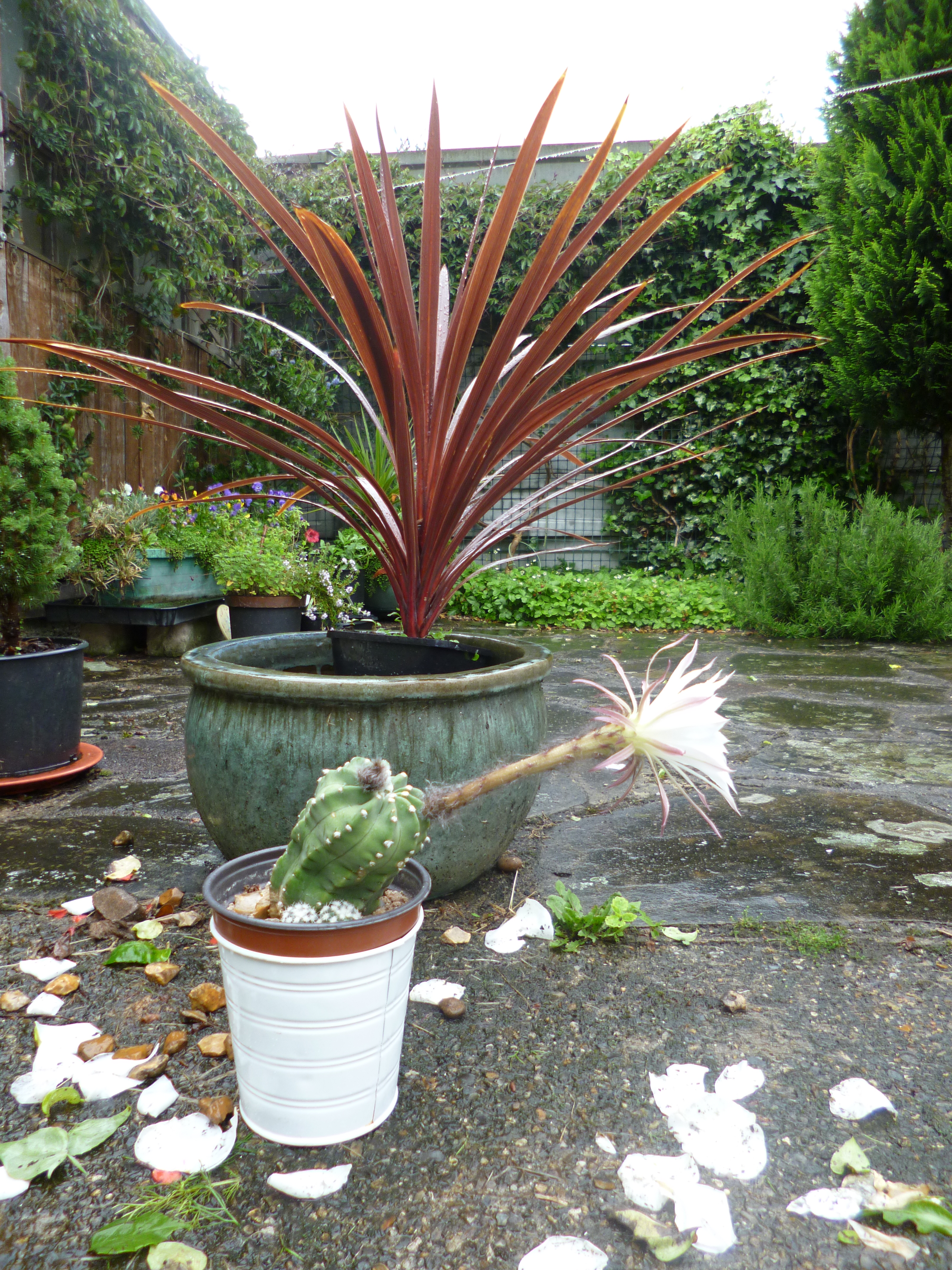
Fist-sized cactus with large star-like flower on long firm stalk. Palm-tree shaped red plant in background mirroring the flower's shape; white rose petals on ground mirroring its colour.Die Macht der Königin der Nacht

In der Mittsommermitternacht
ist ein schneeweißer Stern mir erwacht,
eine bebende Blütenblattüte:
Mit heimlicher Königsmacht
hat ein Kaktus den Funken entfacht,
eine klare Trompetenblüte!

Christina Egan © 2013


The Tree at the Corner

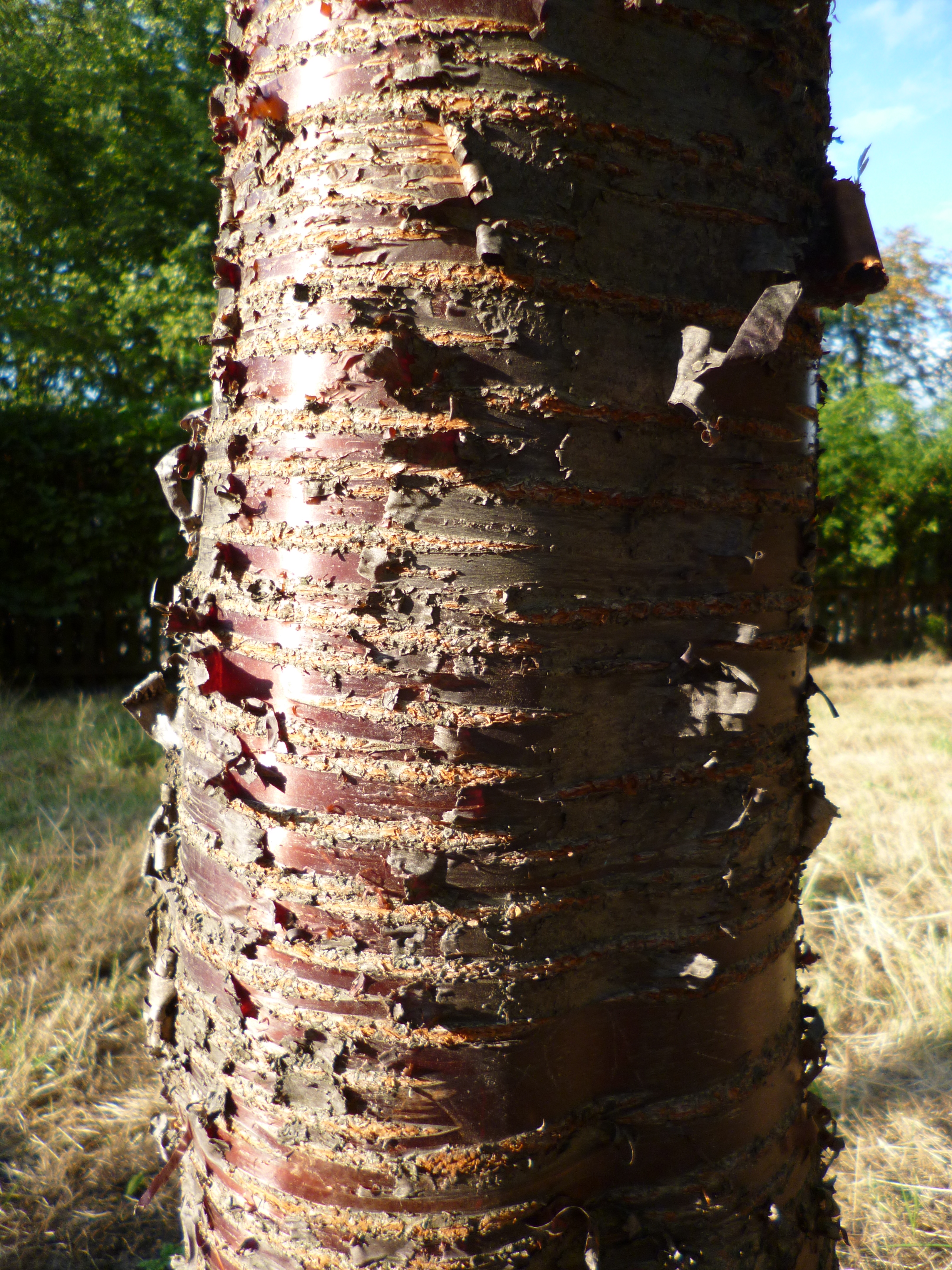
Shiny reddish bark, paper-thin and frayed, on a straight round tree-trunk.I gather air and light,
I filter drop on drop,
till there is liquid life:
my waving hands’ green blood.

I give you air and shade
with my bright canopy,
till there is solid gold
through age-old alchemy!

Christina Egan © 2015


Was der Baum im Winter tut

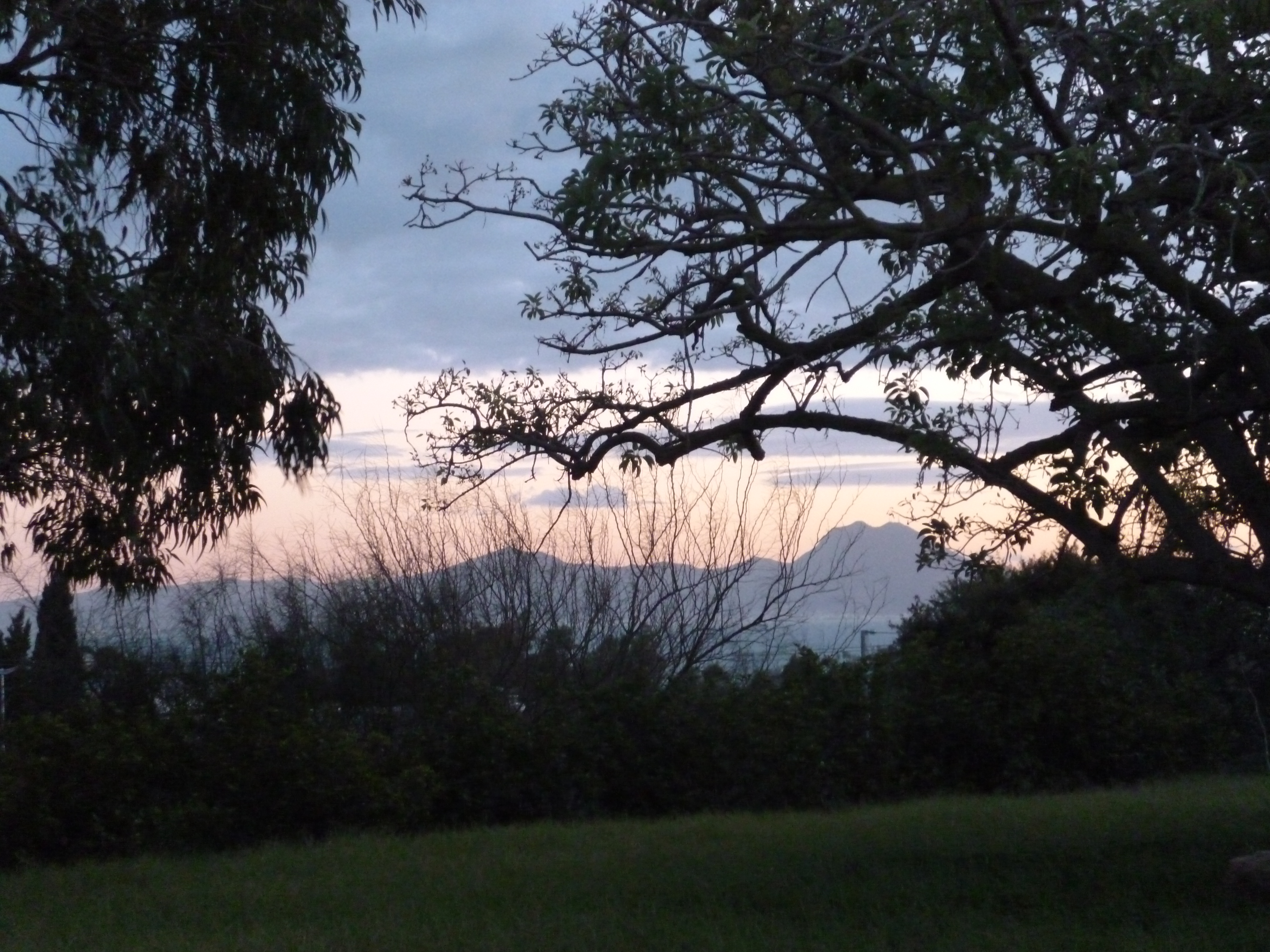
Bare branches against sunset in mauve and apricot; high mountains along horizon.Mit tausend nackten Zweigen hält der Baum
gleich einem gläsernen gewölbten Kelch
die Gänserufe und den Amselsang,
das gleißend hingegossne letzte Gold
und dann das Pfauenblau der frühen Nacht…
Und jene Stille wie ein Geigenklang.

Christina Egan © 2013

Photographs: Christina Egan © 2013/2014/2016


These lines portray plants as living creatures and active participants in this universe.

The non-descript pot-plant stays in its place, yet it gives and takes, grows and procreates — and presumably enjoys life, particularly in spring.

Around summer solstice, the humble cactus suddenly pushes out an unlikely flower, shaped like a trumpet and dazzling like a star: it has revealed itself as a Queen of the Night!

The everyday tree turns the inanimate elements into living matter; and it brings forth beauty even while that life turns towards death again in autumn.

Around winter solstice, the bare tree perceives the beauty of this earth — sunset and dusk, birdsong and silence — or at least, it forms part of this array for us.

Harvest Moon

Harvest moon

A crystal ball suspended
above the park, black, blurred:
as if a god descended
onto this worn-out world.

The branches stretch their fingers,
the flowers crane their necks
towards the orb that shimmers
into the deepest cracks.

Tonight we see the largest
and brightest star that blooms:
this is the moon of harvest,
this is the moon of moons.

Christina Egan © 2015

Der letzte Tag des Sommers ist gekommen

Der letzte Tag des Sommers ist gekommen

Der letzte Tag des Sommers ist gekommen
mit Tropfen frischen Bluts und Flocken Schnees
entlang des ausgeblichnen Blumenbeets,
mit Sonnenschein, geballt und dann verschwommen,
mit Regenschauern, hart und schon zerronnen,
mit tausendfacher Kraft des Krauts und Klees
und brüchigbraunem Laub entlang des Wegs,
mit Silbernetzen wie aus Luft gesponnen.
Der letzte Tag des Sommers hält die Fahne
von allen Farben in die wilden Winde,
daß sie das Auge ohne Suche finde,
daß sie die Seele ohne Zweifel ahne…
Der letzte Tag des Sommers hängt die Fahne
an gelber Rosen berstendes Gebinde.

Christina Egan © 2014


The first part of this sonnet (8 lines) conjures up scattered petals like drops of blood and flakes of snow, bright sunshine and hard rain, vigorous herbs and brittle leaves and delicate webs. The second part (6 lines) lets the last day of summer hold a colourful banner into the wild winds and hang it onto a lush garland of yellow roses. — See also Poems about roses, life and death (a German and English selection).