Solstice Scroll

Solstice Scroll

I break some rare and short-lived flowers,
I sacrifice some sunshine hours
for Melpomene’s altar steps.
Since Phaeton’s horses thunder higher
with ever more abundant fire,
I’ll finish ere the day-star sets.

I’ll call upon Apollo’s powers,
I’ll stand amongst the cypress towers
around my children’s hidden tomb.
I’ll write my elegy and sing it,
I’ll scroll it up, stand up and fling it
into the bright barge of the moon.

Christina Egan © 2018

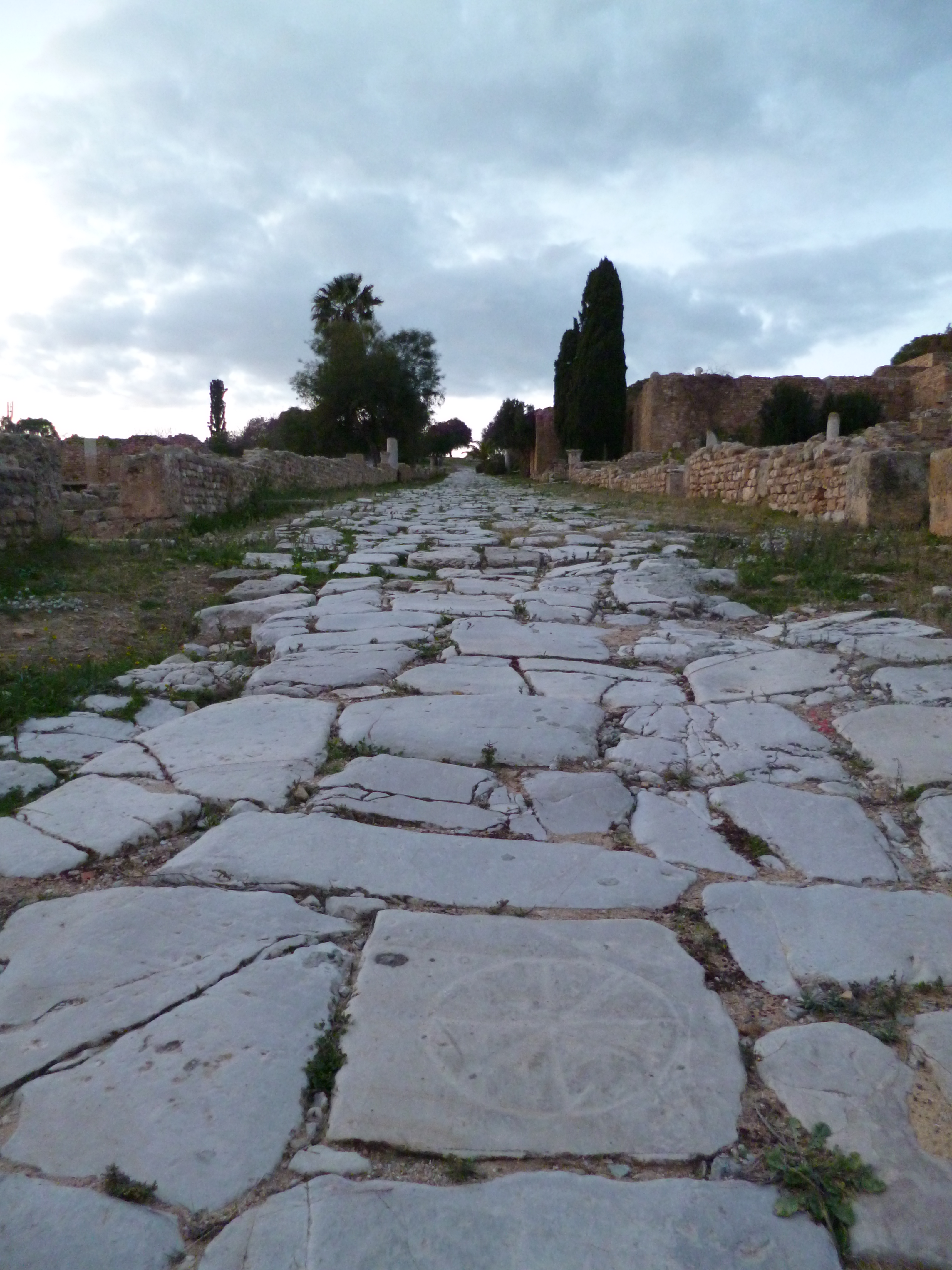
Straight Roman road with ruins and trees to the left and right, in the dusk

Roman road in Carthage, Tunisia.
Photograph: Christina Egan © 2014

Milder Mai

Milder Mai

I.

In der weißen Marmorwanne
wartet schon ein warmes Bad:
So steht weiche Luft im Marktplatz,
füllt ihn bis zur feinsten Naht,

nimmt die Jacken von den Schultern,
von den Gliedern das Gewicht,
taucht das graue Reich des Nordens
in ein weingetöntes Licht.

II.

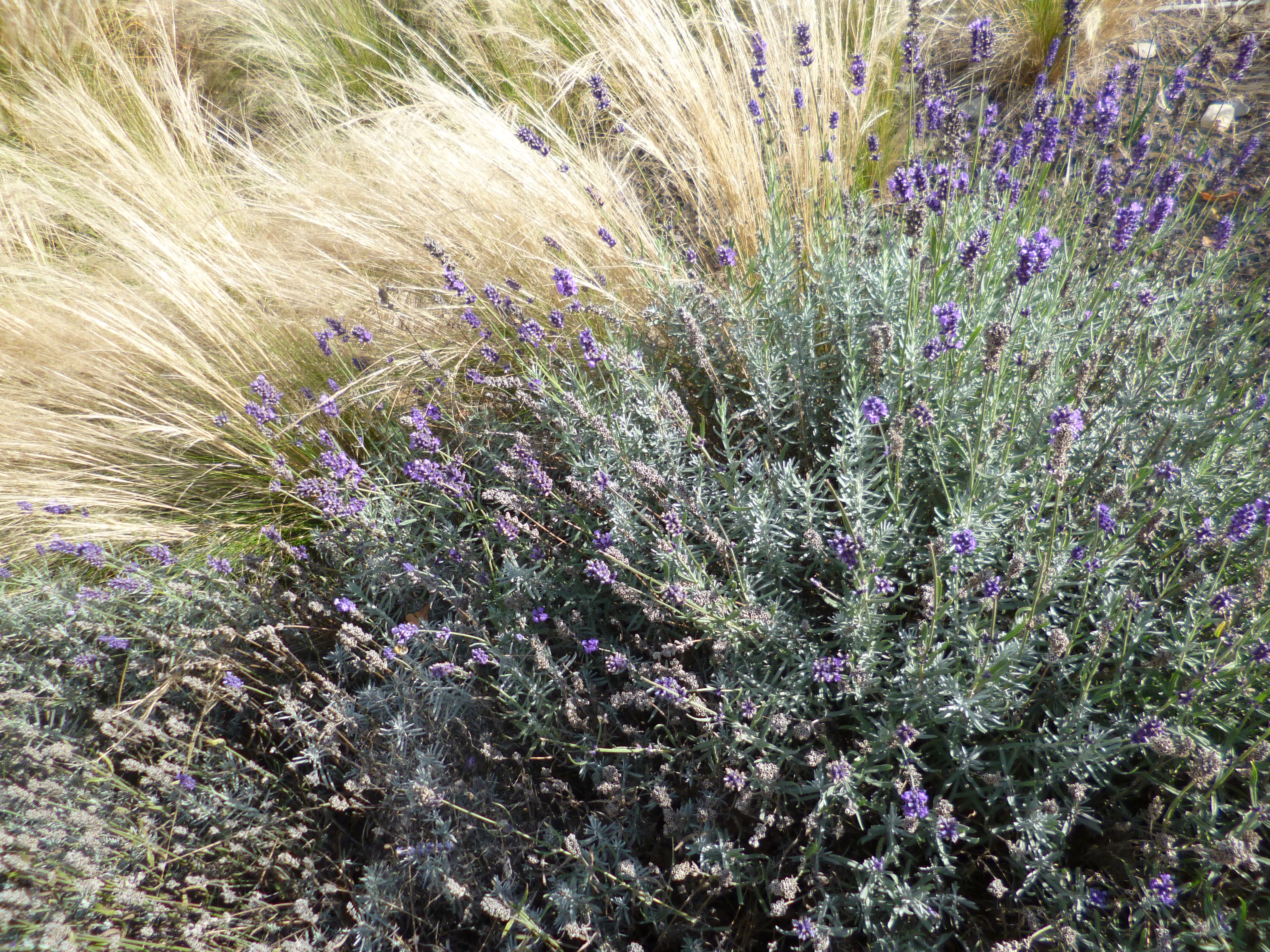
Lavender with fresh and wilted blossom, next to pale-golden grass.Wieder wuchert der Lavendel
halbwegs übern Gartenpfad,
birgt in prallen grünen Stengeln
seine süße lila Saat,

säumt die amethystnen Rispen
noch mit Lapislazuli,
jubiliert mit frischer Stimme
in der Sechsten Symphonie!

III.

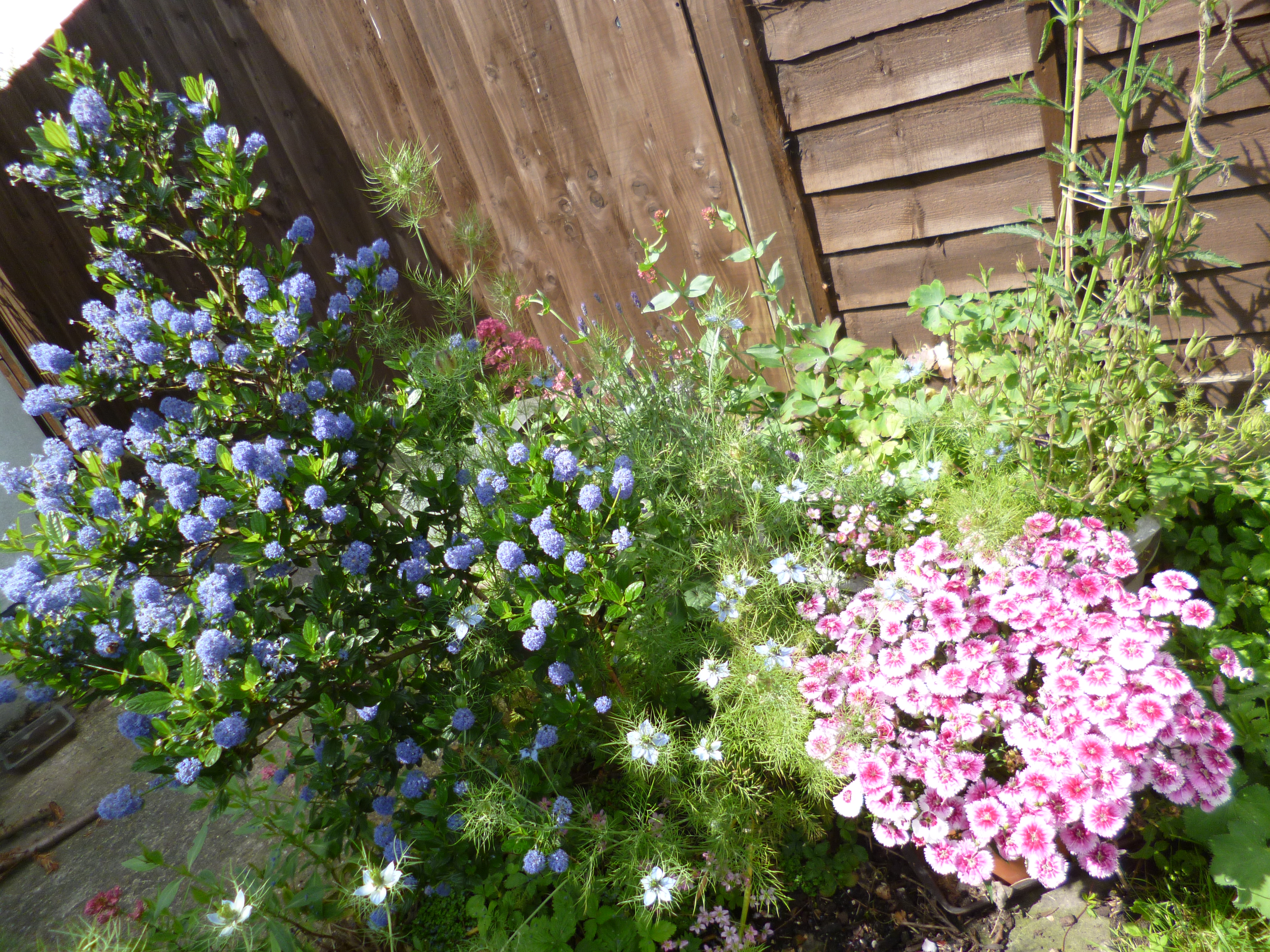
Little tree with bright-blue blossom, next to pink and blue flowers.Wieder naht die Sonnenwende,
milder, üppiger denn je;
niemals tat so wohl das Leben,
niemals tat es mir so weh.

Selbst die losen Rosenblätter
leuchten wie ein Wolkensaum…
Und ich pflanze unter Tränen
einen himmelblauen Baum.

Christina Egan © 2014


I was thinking of sunlight like golden wine, but it might also a dusk like rosé…

The blue-blossoming tree is a ceanothus; the Sixth Symphony is Beethoven’s Pastoral.

Lavender; ceanothus. Photographs:  Christina Egan © 2016 /© 2017.


Chandelier

Chandelier

At last, the air is warm again; the sky
at last gets gradually infused with light,
the clouds are dusty blue and creamy white:
the colours, too, warm up, warming the eye.
And that pale cliff of buildings, sheer and high,
gets saturated with the same delight
and holds it up against the sinking night:
this half-forgotten gentle golden dye.
And here, above the square of glittering grass,
above the blossom bursting on the trees
which trembles when the wilful spring winds pass,
there floats another sparkling tree, it seems:
a thousand particles of precious glass
struck by the grand piano’s swelling breeze.

Christina Egan © 2013

Yellow Fire (April Haiku)

Yellow Fire
(April Haiku)

*

Little rust-red leaves,
no, blood-red in the sunlight,
there, throbbing with life!

*

White stars are floating,
above the ancient tombstones,
on the slanting tree.

*

Little lime-green leaves
running along the hedges,
look, like yellow fire!

*

Christina Egan © 2017

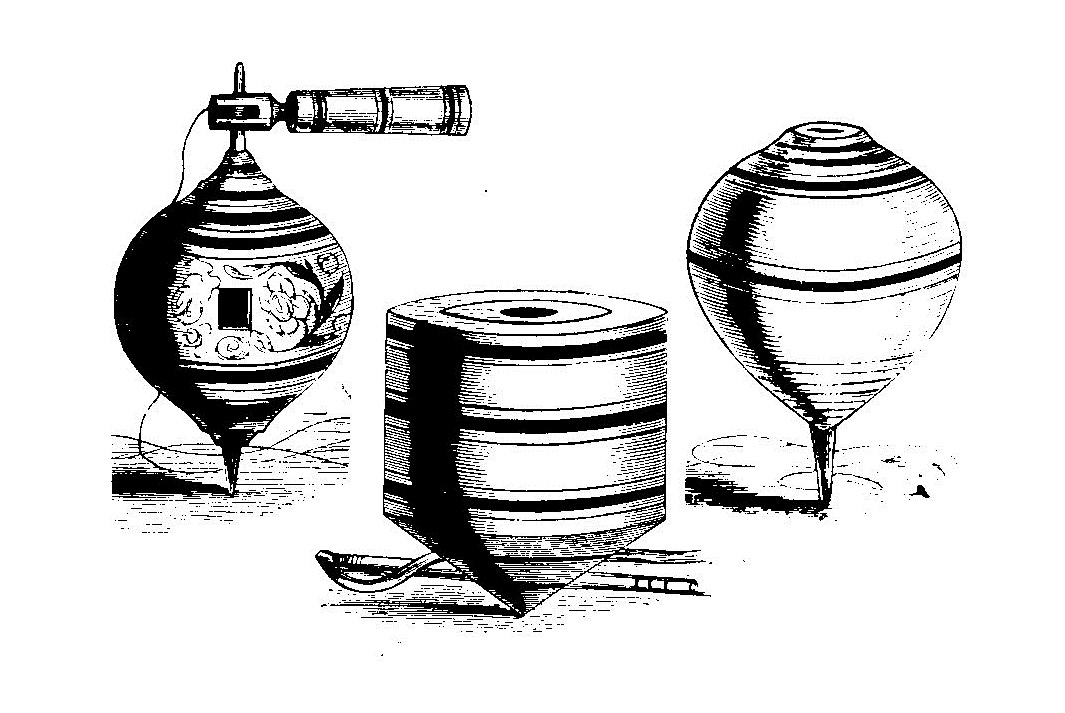
Drawing of three old-fashioned spinning tops.Illustration from
‘Children’s games throughout the year’ 
(1949) by Leslie Daiken.

Bunter Zwirn

Bunter Zwirn

Stone trough with dwarf daffodils, dwarf pansies, and other spring flowers, amongst outbuildings of a palace.Gleich Strängen feiner Fäden
in Regenbogenfarben
sieht man die Blüten weben
im neugebornen Garten.

Rost springt aus Rosenrot,
Grün ist zu Gelb gefiedert:
Hier ist, was sonst sich droht,
in stummem Tanz verbrüdert.

Und auch die Düfte wehn
wie bunter Zwirn verwoben,
doch nur die Bienen sehn
den zweiten Regenbogen!

Christina Egan © 2017

Rhönkalender 2019.


Palace grounds of Schloss Fasanerie (Adolphseck) near Fulda, Germany. Photograph: Christina Egan © 2014.

One stanza of this poem in the vein of Eichendorff
has been published in the
Rhönkalender 2019.

Wandel (Wo ist der hohle Baum)

Wandel

Wo ist der hohle Baum
im Kreise der steinernen Bänke,
der mit knochigen Fingern
die Netze des Nebels,
mit knorrigen Zehen
das feuchte Gras durchfischte?

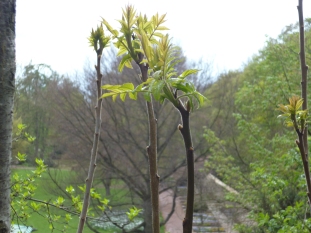
Buds and fresh leaves on top of shoots above a parkAlles ist quellendes Blatt nun
und berstendes Bunt,
Laubzauber, lautloses Lachen,
tiefer Atem langer Tage
zwischen bergendem Grund
und goldenem Wind.

Christina Egan © 2006

Schloßpark Fulda im Frühling.
Photograph: Christina Egan © 2014.

The Aqueduct of Summer

The Aqueduct of Summer

A mighty bridge delivers, arch on arch,
the elixir of life: the light, the sun.
More yellow blossom blinks beneath each arch.
A milestone stands before arch twenty-one:
Hic aequinoctium, hinc lucis pars.
From equal night and day, the light has won.
This is the aqueduct of summer: March.
Proserpina returns with Phaeton’s run!

Christina Egan © 2016

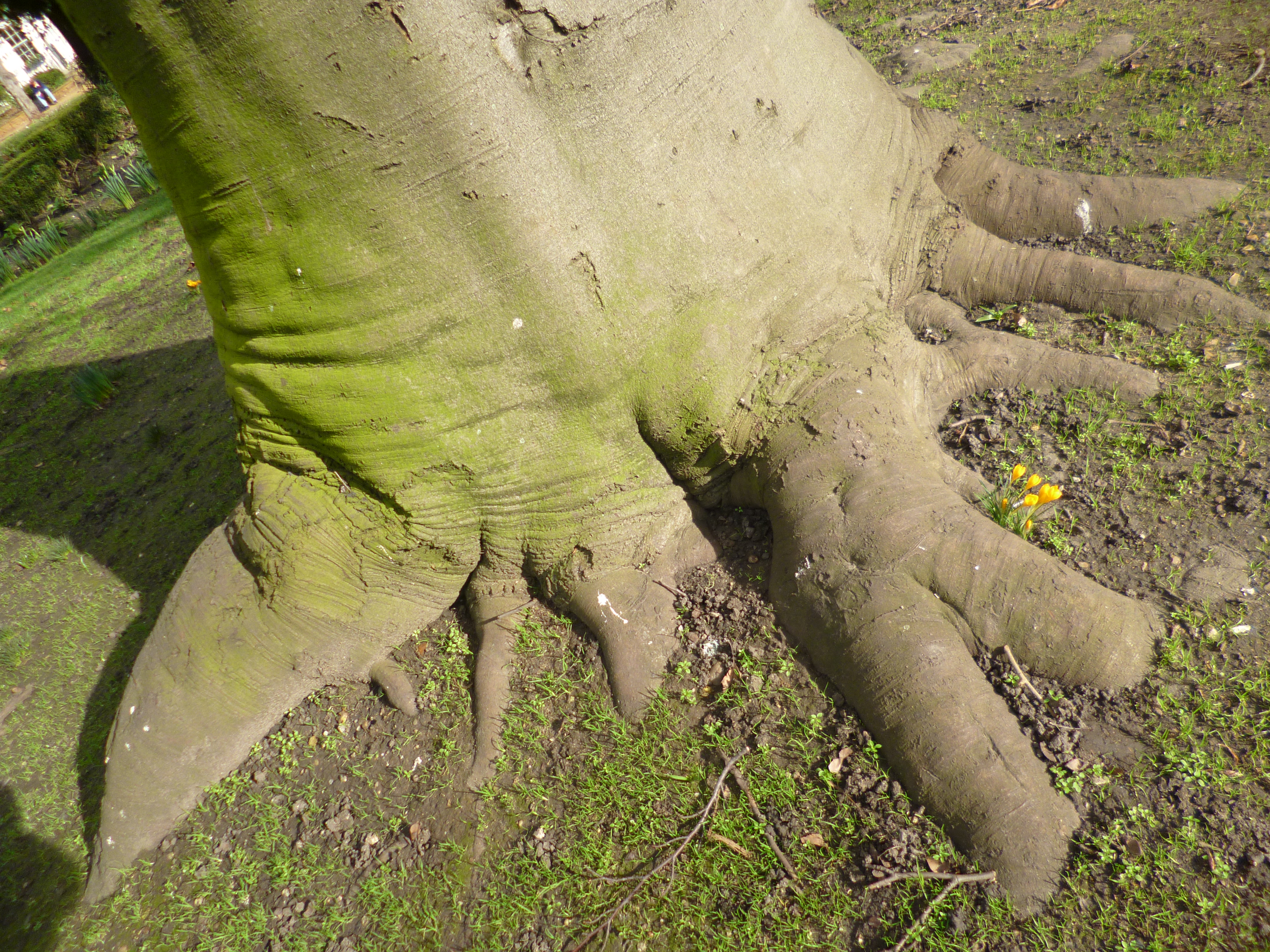
Tiny bundle of yellow crocusses between massive tree roots, with sparse grass around.

Phaeton is an ancient sun god and Proserpina (or Persephone) a spring goddess who returns from the underworld for the duration of summer.

You will find German poems on the spring equinox at Westminster Bridge, Mitte März  and on the autumn equinox at Der letzte Tag des Sommers ist gekommen  and Hält die Waage Nacht dem Tage.

The Latin quotation is made up…!

Photograph: Christina Egan © 2017.

The Spell of Spring

The Spell of Spring

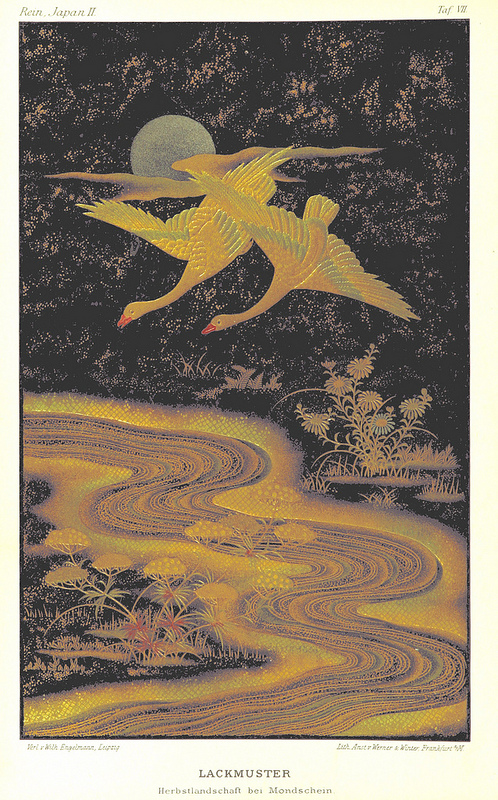
Japanese laquer picture: two flying geese above river in gold, full moon in silver.When seven geese arise and fly
in magic patterns through the sky,
the silver rings of cloud will blush,
the orb of sparse young green glow lush.

When seven geese cry out and glide
from wintertide to summertide,
we’ll pass an arbour like an arch
and be transformed by mighty March!

You have become my you, and I,
your you, and our hearts float high,
when seven geese sail out of sight
into the secrets of the night.

Christina Egan © 2015

Image from: Japan nach Reisen und Studien by J. J. Rein (1881-86). Provided by the British Library through Flickr.

Zauberspruch zur Winterverbrennung

Zauberspruch zur Winterverbrennung

Lohende Flammen, lohende Glut,
schmelzet den Schnee uns, schmelzet den Frost!
Knisternde Äste, knisterndes Holz,
brechet den Bann uns, brechet das Eis!

Christina Egan © 2016

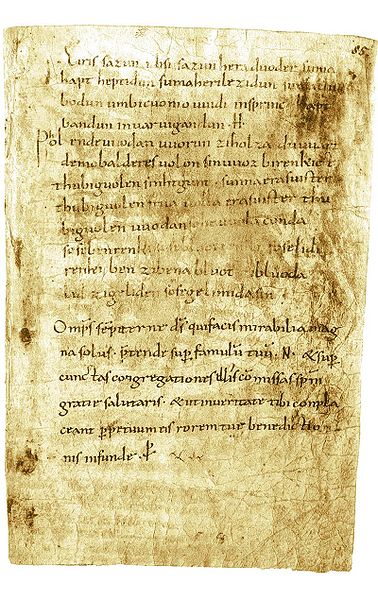
Ancient manuscript (9th/10th c. AD) in neatly written Old High German.


These lines were inspired by two things: the German custom of gathering round huge bonfires to drive the winter out; and those few pagan spells in ancient German which have come down to us.

The sound of the hissing flames and the crackling branches is captured in the verse. The power of winter is interpreted as a spell, an ordeal of darkness and cold, which this spell, the chant or prayer of man, can break.


The only pagan spells in Old High German, probably written down in Fulda monastery in the 9th or 10th century AD. – Photograph: Public domain, via Wikimedia Commons.

Weißer Schnee auf roten Rosen

Weißer Schnee auf roten Rosen

Graue Gänse, grauer Himmel
Stumme Stämme um den Teich
Ungewohntes weißes Flimmern
Und ein Schimmern im Gesträuch

Weißer Schnee auf roten Rosen
Hingesunken über Nacht
Stengel von der Last gebogen
Späte Knospen überrascht
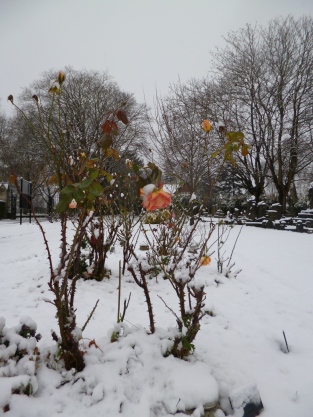
Glowing roses, golden with red rims, standing in thick snow amongst bare trees.Weißer Schnee auf bunter Mütze
Und dein Lachen wie Gesang
Häherschrei von Tannenspitze
Glockenruf minutenlang

Weißer Schnee auf roten Rosen
Weißer Hauch auf rotem Mund
Ja, auch ich hab dich erlesen
Niemals tat ich es dir kund

Erster Schnee auf grauen Gänsen
Jede Flocke wie ein Stern
Weißer Schnee auf roten Rosen
Und ich weiß: Du hast mich gern

Christina Egan © 2017

White snow melting on red roses.
Photograph: Christina Egan © 2017.

This is the second of two love songs which could stand alone or be sung by a woman and a man — from opposite ends of a stage or hall, though…

In White snow on white roses, the first person confesses she (or he) still secretly wishes they had got together a long time ago, and wonders if her friend feels the same.

In White snow on red roses, the second person reveals that he (or she), too, has longed for this relationship all along, but he never lets his friend know… not now either.

Each of them sings into the wind, into the snow… The ‘years that flew away’ like the wild geese in the first poem and the ‘late buds surprised’ by the snow in the second poem show that the pair are at a later stage of life.