Motionless Fire

Motionless Fire
(May Tanka)

Small azalea bush with lurid pink blossom, amongst lush feathery nigella leaves.


A motionless fire,
the azalea unfolds, flares,
and slowly burns out.
From the mud it wrestles force,
colour, and returns to mud.

*


Small azalea bush with brownish wilted blossom, amongst lush green nigella with feathery leaves and blue flowers.

Pink snowflakes drifting?
Forgotten miracle of
the cherry blossom!
Every spring, the petals sail
into death so serenely…


Christina Egan © 2016


Photographs: Pink azalea.
Christina Egan © 2016/2017.

Suburban traffic jam / Vorstadtstau

Suburban traffic jam

It’s raining, the traffic is creeping,
the morning is seeping away…
The bus windows seem to be weeping
at boundless suburban grey.

Yet should a grenade or a comet
now strike us, as if to sift –
I’d meet my death as a poet,
I’ve smiled and I’ve breathed and I’ve lived!

Christina Egan © 2015


Vorstadtstau

Es regnet… Minuten verrinnen
im Vorstadtstau, Stoßzeitstau…
Die Autobusfenster verschwimmen
im uferlos traurigen Grau.

Und sollte der Tod uns jetzt lichten
– Granate oder Komet –
so hab’ ich gelächelt, gedichtet,
so hab’ ich geatmet, gelebt!

Christina Egan © 2015


These thoughts came to me on a bus near the spot in London where a man was shot dead by gangsters in 2015; no one has been charged with the crime. In 2016, another man was shot dead nearby by police. Later that year, another man was stabbed to death just down the road, near Wood Green Station.

Moreover, many terrorist attacks have happened in Europe, and many more have been prevented in London alone; but more are bound to afflict us.

Aprilabend

Aprilabend
(Schloss Fasanerie bei Fulda)

Der Tag ist hoch; das Licht liegt leicht und lange
auf Moos und Gras und neugebornem Laub,
das jetzt in namenlosem Lebensdrange
fast fühlbar vorwärtsdrängt und blind vertraut.

Das Tal ist weit; die fernen Kuppen ragen
schon wieder kühn und unbeirrbar blau.
Zuletzt sind Schnee und Nebel doch begraben
und alle Linien farbig und genau.

Christina Egan © 2012


This impression of a spring evening with its unstoppable urge to live has been published in a previous edition of the Rhönkalender.

The view goes from Schloss Fasanerie (Eichenzell near Fulda, Germany) across the wide valleys towards the Rhön Mountains. You have to have lived in a northern country and suffered through the snow and fog to appreciate the rebirth of light and colour, grass and leaves!

An automatic translation can render most of the meaning, but not the music of the words, which emulates the beauty of nature.

See also the word cloud “Warten/Garten” at Warten ist der Winter, framed by keywords from Aprilabend: “nameless” and “unwavering”, “pressing forward” and “vital energy”.

Persephone (die quellenden blüten)

Persephone

die quellenden blüten
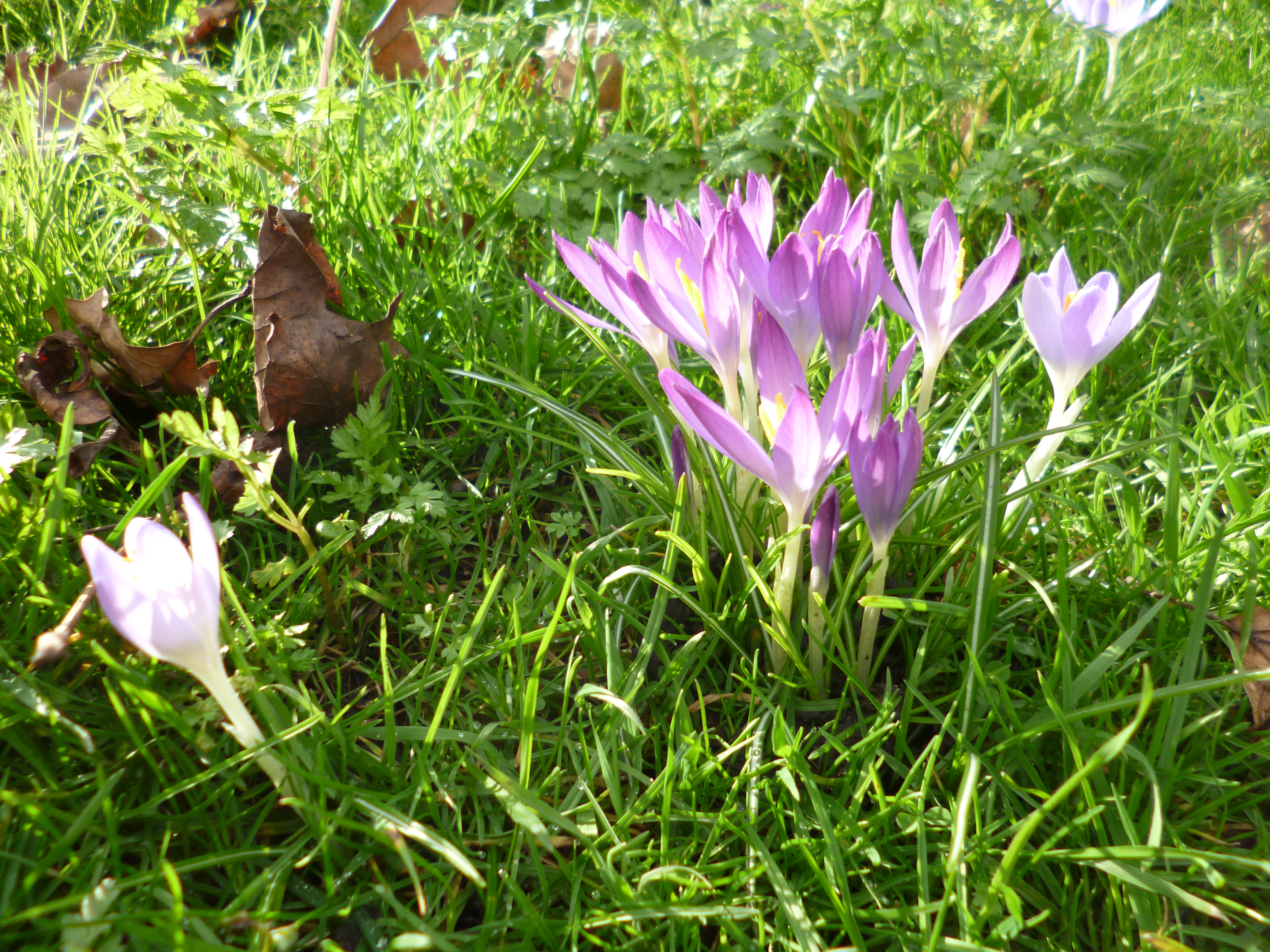
Bundle of mauve crocusses, seen fro mthe side, transparent in the sunlight.die rollenden wolken
wie flüchtige schrift –
die dürstenden blätter
der perlende regen
das spielende licht –

der sprühende frühling
das leuchtende lächeln
gesicht zu gesicht –
die atmende erde –
das leben – das leben –
und dann das gedicht –

Christina Egan © 2015

Here is this fortnight’s poem in the
photo calendar
Rhönkalender 2017!

Photograph: Christina Egan © 2017.

Mitte Februar / Schnee über Nacht

Mitte Februar

Die Welt hat allen Glanz verloren
wie eine ganz verwelkte Frau.
Am Himmel Wolken, Schnee am Boden –
ein Leichentuch von blassem Grau.

Dahinter kämpft mit langem Atem
das fern verbannte Feuerrund:
Unmerklich schmelzen schon die Schatten,
und Farbe braut im Untergrund.

Die schwarzen Zweige sind lebendig,
das nasse Moos voll neuem Saft,
und das ermattete Gelände
wird auferstehn mit satter Kraft.

Christina Egan © 2012


Schnee über Nacht

Der Schnee hat wie ein Federbett
die kahle Erde zugedeckt,
begräbt die Schuld,
begräbt den Schmerz
in Gottes gnädiger Geduld,
in Gottes unbegrenztem Herz.

Christina Egan © 2012


Mitte Februar was published in the Rhönkalender 2015 (entitled Ende Februar). The 2017 calendar includes three poems by me and is still available.

Acherons Mund

Acherons Mund
(São Miguel, Azoren)

Das Inselreich spricht
in zitterndem Licht,
in zischenden Quellen,
in schwefligen Schwaden,
in schlaflosem Raunen
aus rissigem Grund
am Unterweltsschlund.

Vast surface of rough black rock to the left, gleaming pools of water and steam rising up to the right, mountains in the far background.Das Erdreich bestellt
am Rande der Welt
dem arglosen Wandrer
die Botschaft der Flammen,
die Mahnung der Schatten
aus Phlegetons und
aus Acherons Mund.

Christina Egan © 2016

Hot springs in Furnas, Sao Miguel Island, Azores.
Photograph
by Henryk Kotowski via Wikimedia.

Acheron is the River of Pain and Phlegeton the River of Fire around Hades.

I believe that some Greeks or Phoenicians sailed to the Canary Islands and others may have reached the Azores; this might have influenced their mythology, describing the realms of the dead as a cave of shadows and as a blissful archipelago. More of the latter at Sonett der drei Seen!

Die Störche entflohen dem Norden

Die Störche entflohen dem Norden

Die Störche entflohen dem Norden,
Und nie mehr ziehn sie zurück:
Mir ist mein Kindlein gestorben,
Und nie mehr find ich mein Glück.

Mein einziges Kind ist gestorben,
Und niemand hat es bemerkt –
Denn niemals sah es den Morgen,
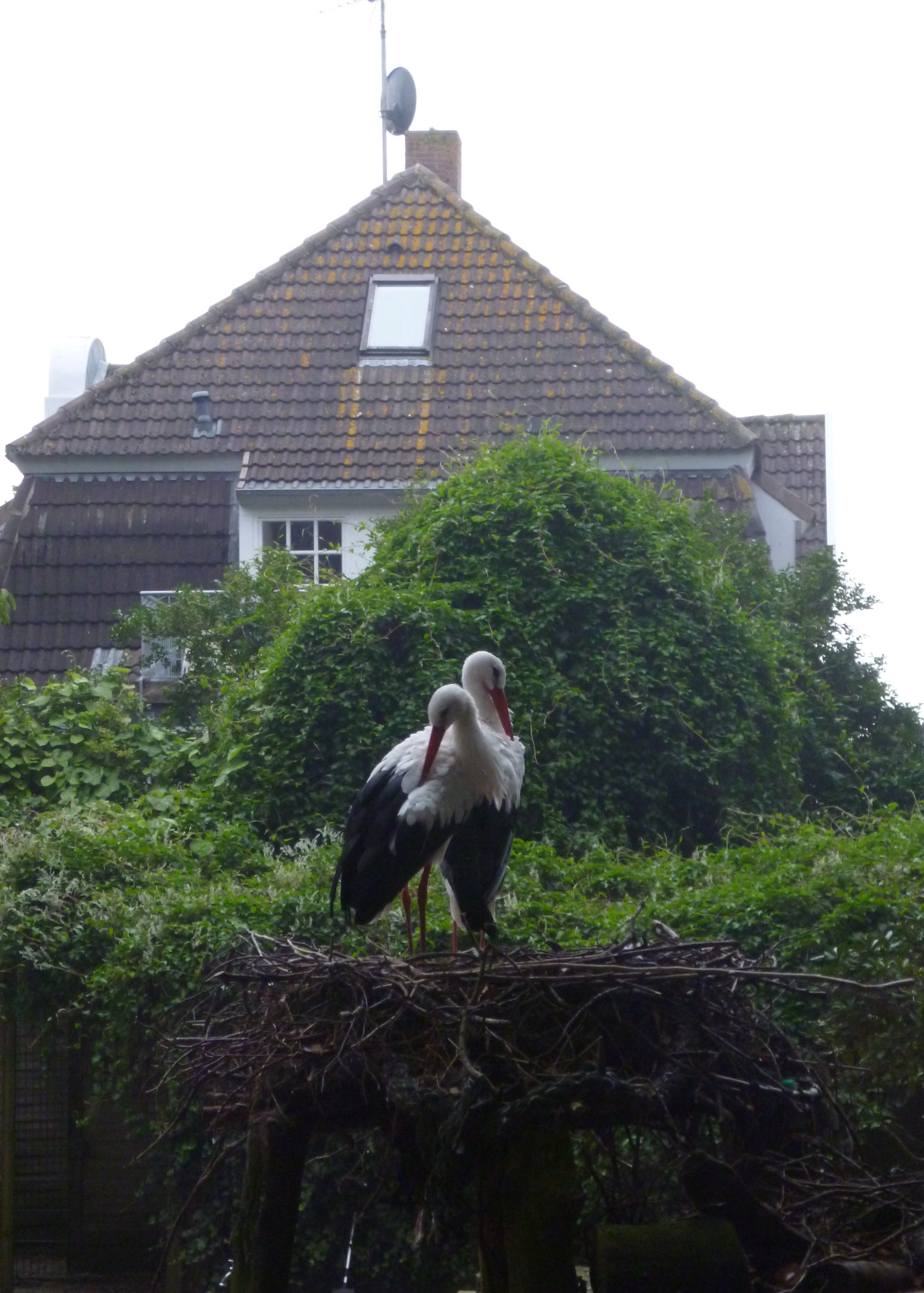
Und niemand hat mich gestärkt.Two storks in a nest, standing very close together, surmounted by a triangular tree and a steep roof, in the dusk.

Mein Lächeln muß ich mir borgen,
Wenn Frühjahr die Täler doch färbt:
Mir ist es, als wär ich gestorben,
Und niemand hätt’ mich beerbt.

Mir ist es, als wär’ ich im Norden,
Auf Nebelinseln, daheim:
Der Sommer hatt’ mich umworben
Und ließ mich dann achtlos allein.

Die Störche sind immer geborgen
In Kreisen von Sonne und Wind…
Doch ich erwache in Sorgen:
Mir lachte im Traume das Kind.

Christina Egan © 2013

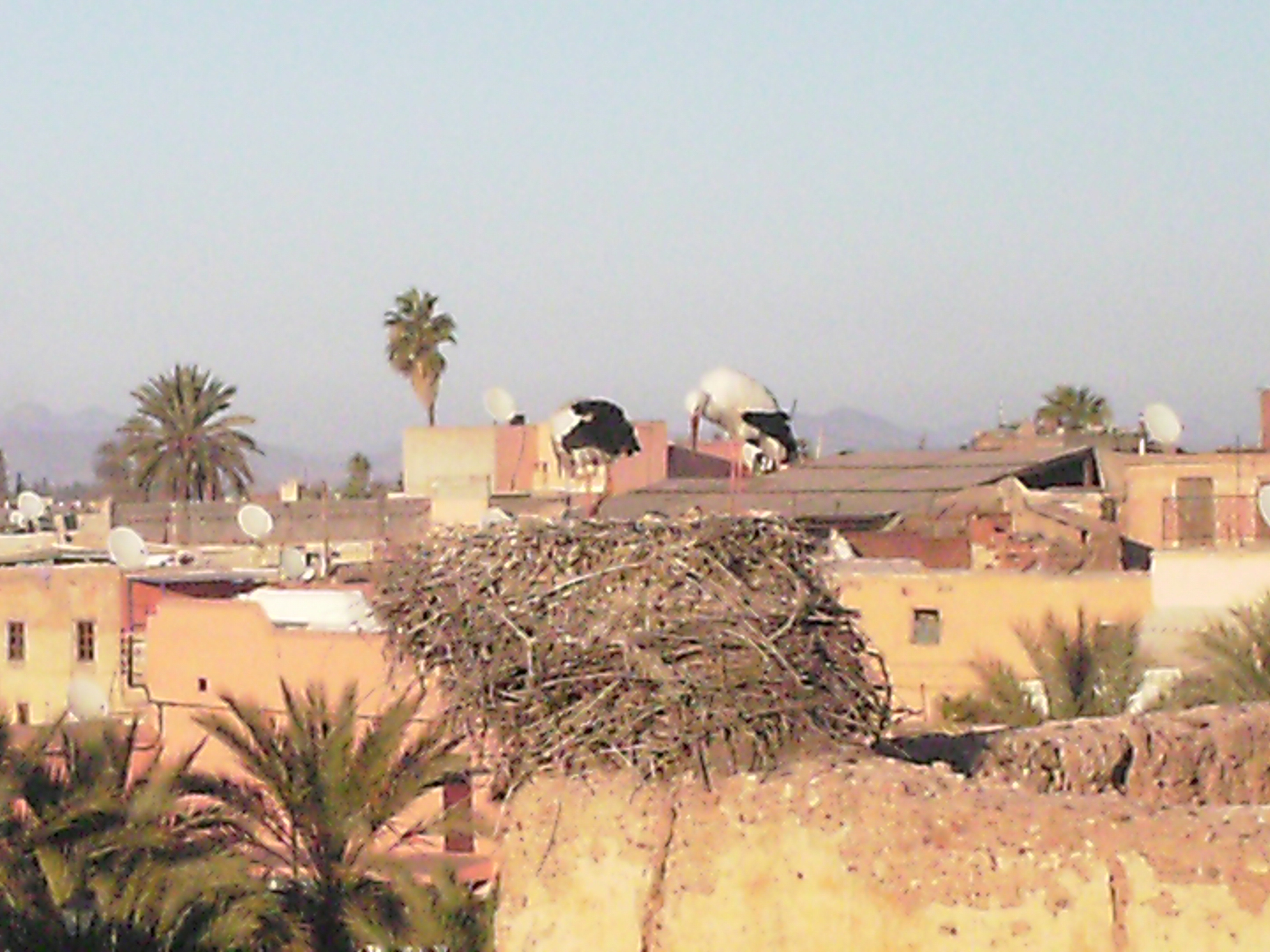
Nest with two storks in North African city with crumbling walls and palm trees.

This is the story of a woman who lost her only child before birth or at birth, or who never had one at all and will never have one.

This poem sounds like a folksong and could be set to music.It may also work well in a translation software.


Photographs: Wyk on Föhr, Germany / Marrakesh, Morocco. Christina Egan © 2014/2012.

Oktoberbilder

Oktoberbilder

I.

Die weiche Luft wie weißes Brot…
Das erste volle Herbstesrot
hängt überm frischgetränkten Gras.
Die Sonne bleibt durch Dunst versperrt,
doch Astern sprühn ihr Feuerwerk,
und Rosen quellen ohne Maß –
O erdgeborne Sternenpracht,
die uns am hellen Tage lacht,
o buntes Bild auf grauem Glas!

II.

Der Himmel ist mit Blau behaucht,
die Gärten neu in Gold getaucht,
mit Gelb getränkt schon manches Laub;
und selbst das Blatt, das sterbend schwebt,
ist kupferrot wie frischerregt.
Noch einmal kost das Licht die Haut…
Das Windrad saust, die Wolke fliegt,
ein weißer Blütenball zerstiebt –
Zuletzt wird jedes Ding zu Staub.

Christina Egan © 2015

This poem has meanwhile been published in the Rhönkalender 2017.

Geflecht / Geflechte

Geflecht

Jedes Leben ist verstrickt,
Masche um Masche, Stich um Stich,
in die Leben neben ihm,
ob wir’s wollen oder nicht.

Jede Reihe ist verschlungen,
ohne daß das Garn je bricht,
in das vorige Geflecht,
ob wir’s wissen oder nicht.

Jeder Jahrgang ist der Boden
für die nächste bunte Schicht:
Kaum geboren, sind wir Ahnen
für ein künftiges Geschlecht.

Christina Egan © 2015
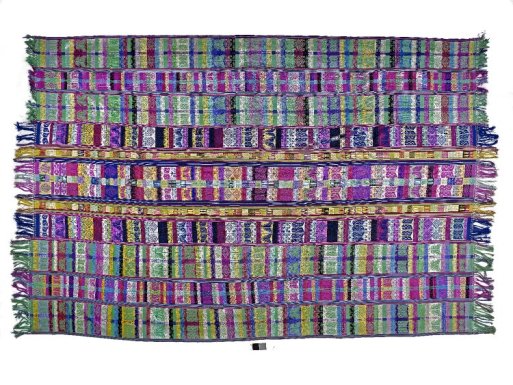
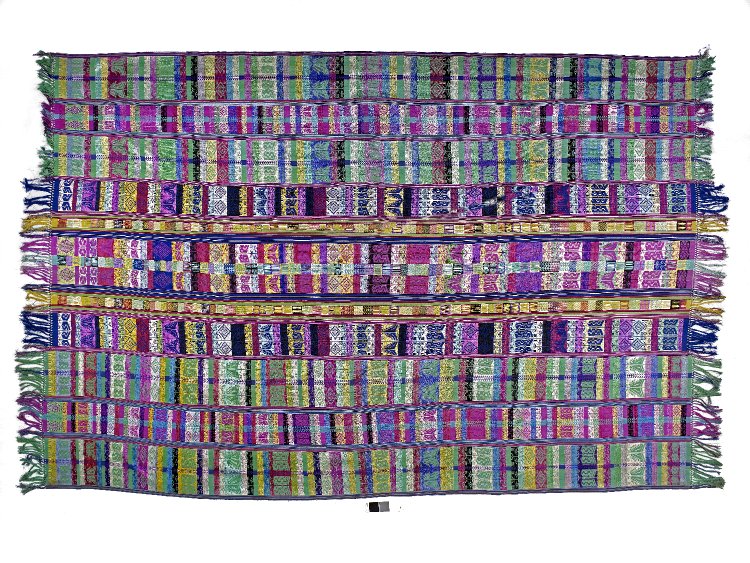
Silk cloth dominated by vivid pinks and greens.

Geflechte
(Altstadt von Köln)

Reihen auf Reihen von Häusern,
hell und freundlich im Frühlingslicht,
Reihen auf Reihen von Fenstern,
schimmernd in allen Augenfarben.

Und hinter einem jeden Fenster
Gesichter… Geschichten… Geflechte.
Und unter einem jeden Pflaster
Pflaster… Pfade… Schwellen.

Stockwerk um Stockwerk von Leben,
hinauf ins ausgelassene Blau!
Schicht um Schicht von Geschichte
bis in den unbetretenen Staub.

Ich strecke mich hin auf dem Mäuerchen hier
und höre die Vögel und höre ein Herz –
Das Herz diese Platzes? Das Herz dieser Stadt?
Mein eigenes Herz, wie es schlägt für die Stadt?

Christina Egan © 2016


These poems describe human life as a knitted or woven tissue: every person is a mesh amongst, above, and below others. Every little life is part of a layer of history, as every modest buidling and ordinary street is.

Every life is interwoven with  others. Every single one of us is history!

I wrote the second poem on the way back from Cologne, where I had briefly rested on a little wall, which turned out to be in the area of the ancient forum and which in hindsight reminded me of excavated foundations.

For a poem on weaving words into a poem, see the previous post, Word Weaver.

Photograph: Silk cloth from Madagascar. – © The Trustees of the British Museum

This Day of June


My 100th post!


This Day of June

zenith of the sun
semaphore of summer

the day when the flowers start melting
into fruit into
seed

the day when the very stones come alive
with lichen with
light

this day of June is yours
this day of June is you

Christina Egan © 2012

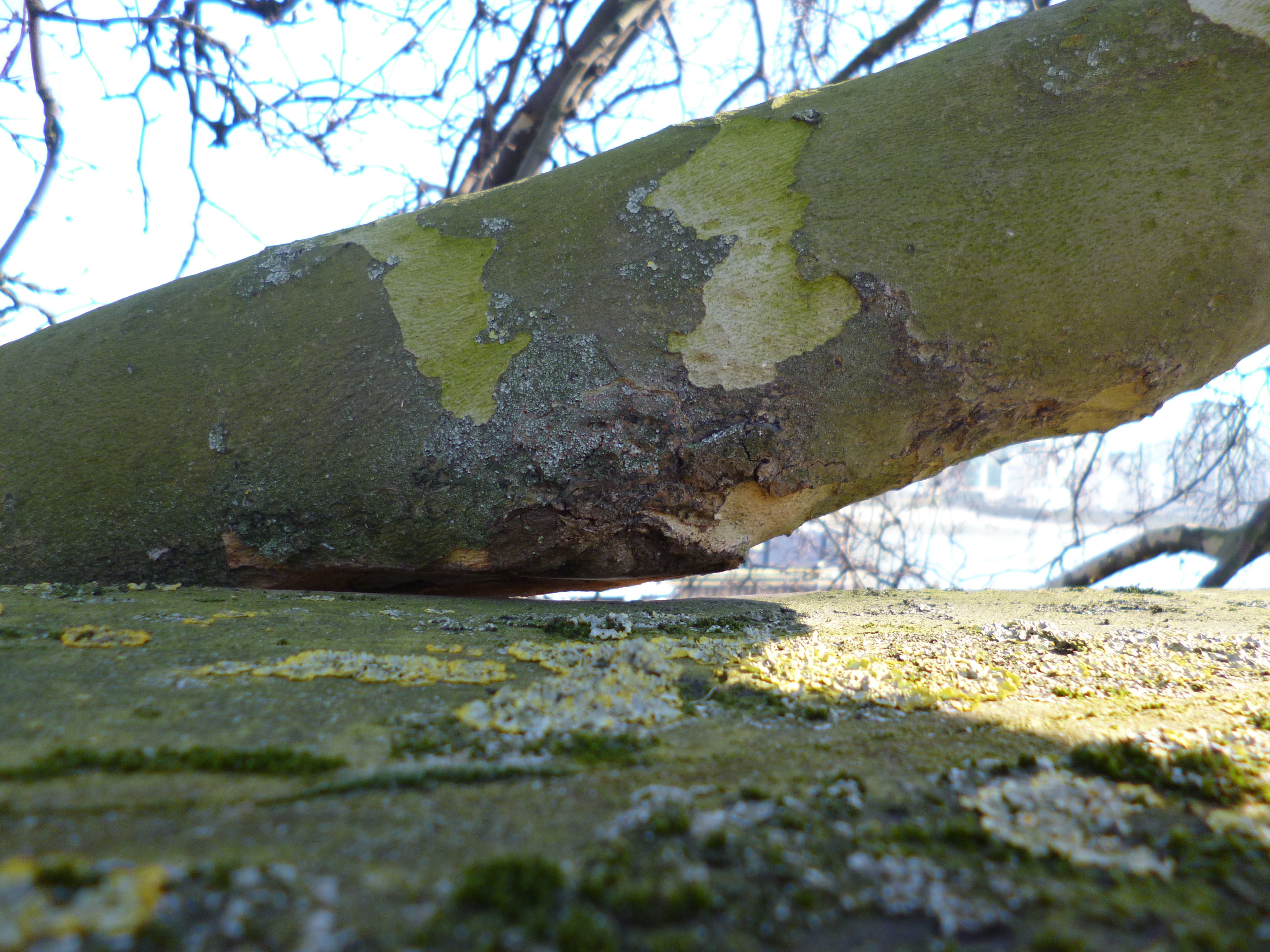
Top of wall covered with lichen and tree with patchy bark, mirroring each other.

Photograph: Christina Egan © 2014


I like to think of a human life as a sequel of seasons:
with glorious midsummer when one is a mature adult!
(‘Midsummer’ around solstice, ‘maturity’ around 35 to 45 years.)
This has also recently become the typical age for marriage
and parenthood. Also, most people now have long lives,
so having a chance to run the course of all seasons.

The two solstices are symbols of the cycles of nature:
at the highest point of the sun, heat and harvest are still to come,
but at the same time, the days are already getting shorter again…
Conversely, the lowest point of the sun sets off the period
of bitter cold and snow, but also of ever longer light and new buds.
The seasons are interlinked, as are all cycles of life and death.


The next post, A Quilt of Light and Shade, describes
the time around summer solstice in London, England.