Hidden Rivers / Verborgne Flüsse

Hidden Rivers

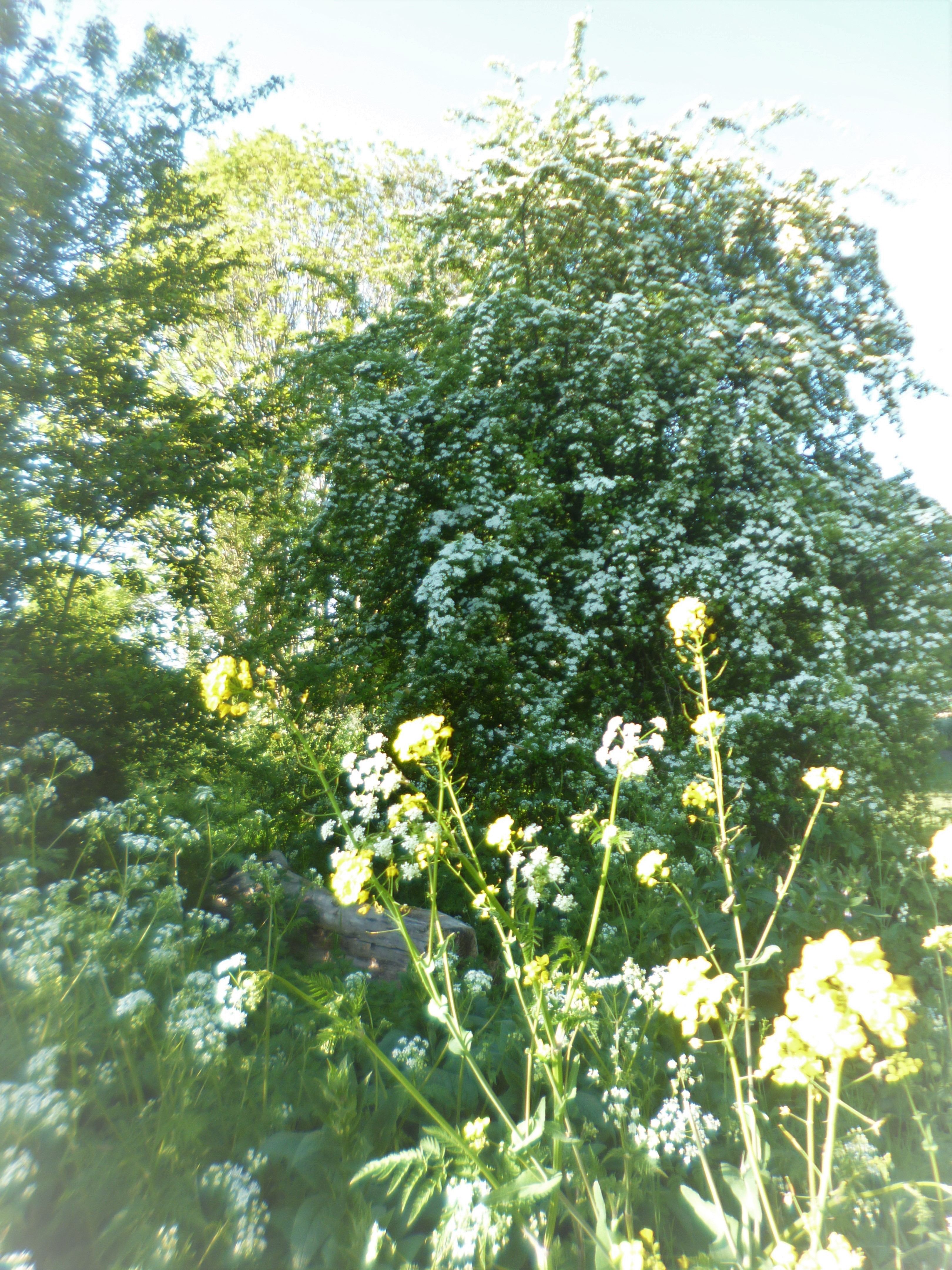
Meadow with white and yellow blossom in bright lightThis is the time to walk along
the hidden rivers hand in hand;
this is the time to write a song
out of a strangely quiet land.

This is the time to breathe again,
to stand and stare, to skip and run…
The water rippled by the rain,
the water dappled by the sun.

This is the time to dance across
the sea of sorrel and of yarrow,
to sink into the gilded grass
without a worry of tomorrow.

This is the time to hear the heart
of the neglected earth rejoice,
to find the long-forgotten lark
in your beloved’s humming voice.

Christina Egan © 2020

Verborgne Flüsse

Dies ist die Zeit, das Tal zu sichten
verborgner Flüsse, Hand in Hand;
dies ist die Zeit, ein Lied zu dichten
aus einem seltsam stillen Land.

Dies ist die Zeit, die Brust zu heben,
zu springen, stillzustehn, zu spürn…
Gewellt das Wasser unterm Regen,
beglänzt das Wasser vom Gestirn.

Durch Wogen weißer Blütenschäume
und roter Rispen laß uns schreiten,
um sorglos in der späten Wärme
ins sonnengoldne Gras zu gleiten.

Das Herz der unbetretnen Erde
scheint jubelnd dir ins Ohr zu dringen,
das Lied der fastvergeßnen Lerche
aus dem geliebten Mund zu klingen.

Christina Egan © 2020


A happy impression from the coronavirus crisis…

Photograph: Lea Valley. Christina Egan © 2020.

Die Steine sprechen

Die Steine sprechen

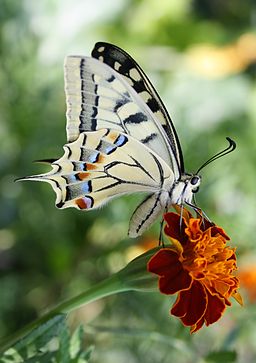
Swallowtail butterfly, cream-coloured with graceful pattern in sky-blue and burnt-orange, on a flower in burnt-orange.Die Steine künden von der jungen Braut
im dunklen buntbestickten Sonntagsstaat,
die strahlend auf die alte Schwelle trat,
und von dem Schwalbenschwanz im hohen Kraut.
Die Höfe sind auf karges Land gebaut,
wo zwischen Weizenfeld und Waldesrand
schon vor Jahrtausenden ein Flecken stand.
Die Steine sprechen, und sie sprechen laut.
Die Kannen klappern, und der Wagen knarrt,
die Gänse schnattern, und das Zugpferd scharrt.
Mit Engelsstimme schallt die Glocke hin.
Das Spinnrad schnurrt; am Brunnen seufzt der Wind;
am Feuer schreit der Bäuerin zehntes Kind.
Die Steine sprechen; hörst du aber hin?

Christina Egan © 2017


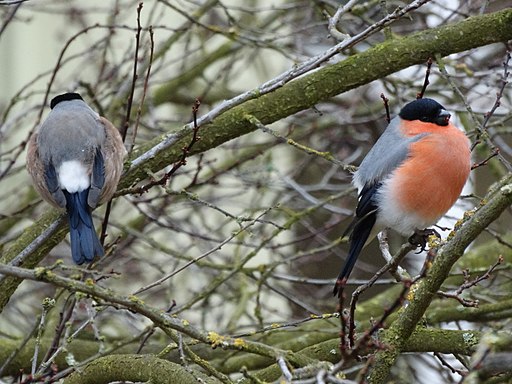
Bullfinch couple on wintry twigs; deep-blue tails and heads, the male with a bright-red breast.


This sonnet is dedicated to the farmers Maria Gutermuth and Paul Jordan, whose tenth child (not the last one) was my grandmother. I can only imagine this type of peasant life from books and pictures, but my father witnessed the very last of it.

In my great-grandparents’ village Dalherda in the Rhön mountains, where harsh conditions of soil and weather prevented prosperity through agriculture, the inhabitants had excelled at two particular crafts, carving wooden utensils and breeding bullfinches as songbirds.


Photographs: Swallowtail Butterfly (German name: ‘Schwalbenschwanz’). By Werner Pichler (Vom Autor) [CC BY-SA 3.0], via Wikimedia Commons (Featured picture). – Bullfinch couple (German name: ‘Dompfaff’ or ‘Blutfink’.) By Ἀστερίσκος (Own work) [CC BY-SA 4.0], via Wikimedia Commons.

La table jaune

La table jaune

La table jaune limpide,
couleur de tournesol,
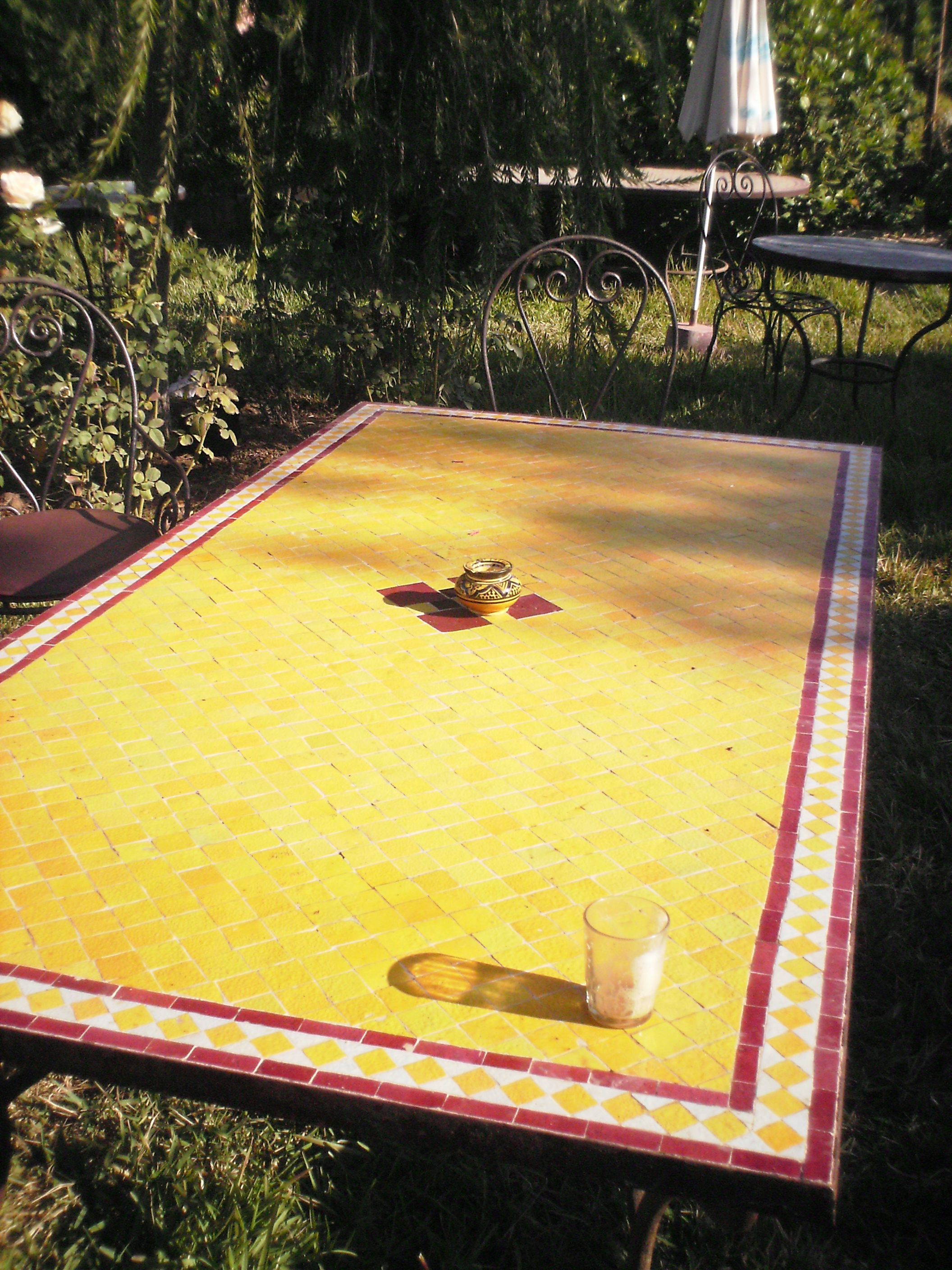
Table surface of bright yellow mosaic, with café chairs on the grass, sunlit.m’invite dans l’oasis
au cœur des plaines arides,
parmi palmiers et roses
en fleur sans fin, sans pause :
i
l met l’esprit au vol
vers les sommets saphir,
vers le soleil couchant,
mais fort même au nadir…

La table tournesol
est un tapis volant !
M
ais il me manque le mot
qui le transforme, le pose
carrément aux epaules
des vents comme un radeau…
Ô table jaune et rouge,
écoute-moi et bouge,
transporte-moi aux flots
de l’air vers l’horizon !

Christina Egan © 2016

The yellow table in the oasis becomes a flying carpet: it lifts the mind up towards the high mountains. Yet, to lift the body up also, it requires a password, and we do not have it!

The rose garden is set in a country where the sun is strong even towards evening or in midwinter, and where roses are always in blossom in abundance: I found it in Morocco.

Photograph: Roadside café in Morocco in midwinter. Christina Egan © 2012.


The Eagle’s Outpost

The Eagle’s Outpost

Gently, I lay my hand upon a stone:
it snuggles up to my pulsating palm.
The last time it enjoyed the sun god’s balm,
he gilded nimble chariots of Rome,
and legionnaires patrolled the city walls
above the river of a thousand miles,
while olives, dates and spices glowed in piles
and glittering fabrics flowed from shaded stalls.
The halls were fashioned of a thousand stones;
so were the roads rolled out to many lands;
and all were laid by many thousand hands…
This eagle’s outpost held ten thousand souls –
A dream of dreams, lifted into the light:
I was in Dura Europos last night.

Christina Egan © 2018

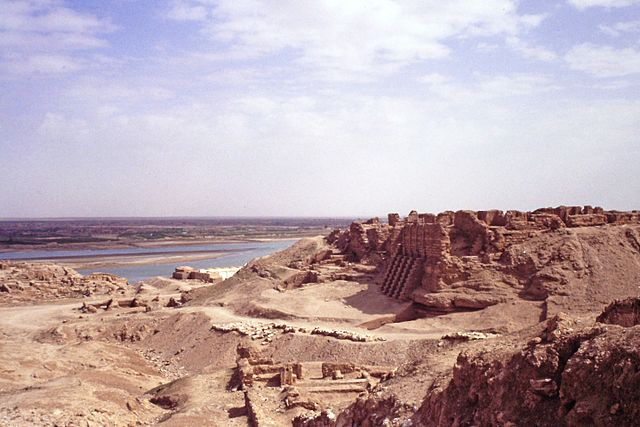
Runis of fortress on hilltop in arid land, above wide river with green fields.

The ruins of Dura Europos above the Euphrates, today in Syria, in 2016.
Photograph
 by Marina Milella [CC BY-SA 4.0], via Wikimedia Commons.


After 500 poems, the usual poem about a Roman Road to start the year!


Grand Canyon Psalm


Grand Canyon Psalm

I.

Nothing prepares you
for the heart of the world
lying open before you:
luminous layers
of rosy rock,
jagged and rounded,
leading down, down,
right into the earth.

In the silver silence
of night, you hear
how this heart beats:
it trembles and rumbles,
it nudges your bedstead,
unsettles your cottage,
reminds you of death
and life and the earth.

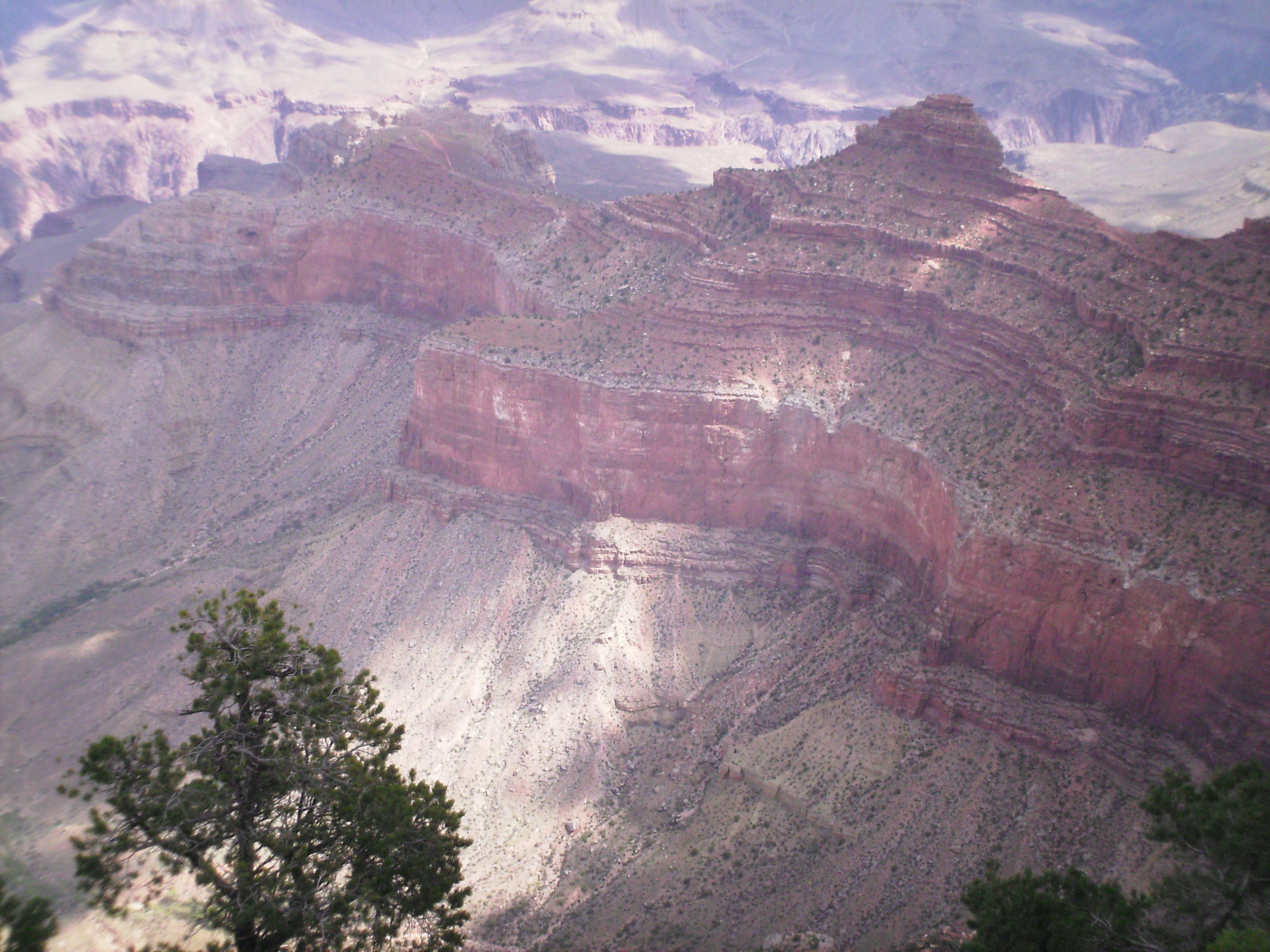
Undulating layers of pink and mauve rocks and peaks, with trees in the foreground.

II.

Nothing prepares you
for the ear of the world,
always wide open,
always upturned,
listening out
for the thud of the pine-cones,
the dance of the deer hooves,
the chant of the milky-way.

You have arrived
at the mouth of the world,
its voice of thunder,
its eloquent silence.
Here you stand, struck,
quiet at long last,
as tiny as an ant,
anointed like a king.

Christina Egan © 2018


A tiny fraction of the immense expanse of the Grand Canyon.
Photograph: Christina Egan © 2008.

Quiet Fire

Quiet Fire

In balmy darkness
I was floating
over sand and salt,
along the garland of lights,
below the curtain of stars…

One fell.
In a flash, I thought of
my distant beloved one,
in a flood, it came back,
the impossible future.

Decorative paper, black with ripples in grey, white, purple.He, too,
had come like a shooting-star,
fair, fast, in a sweeping curve,
with careless grace,
like a message from life.

Cold is the sea now and rough,
with dullness tainted the days
and the sparkling tent of the night.
The quiet fire has passed:
the face that mattered.

Around me is autumn,
and I know that spring will return
and my youth will not.
The voice that struck me is silent;
and my heart eats death.

Christina Egan © 2012

A memory of the Mediterranean Sea, where one can swim, and swim even in after dark, even into autumn…

Decorative paper. Image provided by British Library through Flickr.

Daedalus on the Battlements

Daedalus on the Battlements

You drag your baggage through the crowd,
and from the loud and glaring maze
you spill into the heavy haze
of autumn fog and stifling fumes,
into a tube you crawl through tubes,
into a bullet aimed at space –

You soar, you blink, anticipate
some mellow light, some subtle blues –
And then you float above the dunes
of salty sand, the plains of ice,
the shadow of a sheet of cloud –
You sail above the blazing skies!

Christina Egan © 2016


Another return to Greece with winter sunshine even before I arrived: a sunset above the clouds! — Daedalus escaped the labyrinth by flying from its walls; the flaming sun plays a key role in this myth. 

You may get the sense of this poem quite well in a translation software.

Rosenquarzkammern

Rosenquarzkammern

Silberblech, angehaucht
Von allen Winden, schiefergrau
Und goldgekräuselt, rollt aus
Sich die See, bis sie
Des anderen Landes Füße berührt,
Die Türme der Stadt gegenüber.

Durch Rosenquarzkammern
Schimmert der sinkende Tagstern,
Reißt gleißend das Tor auf.

Den weißen Schiffen aber
Gleich menschentragenden Möwen
Folget das Auge hinaus,
Folget das Herz hinüber
Und wünschet sich Brücken,
Aus silbernen Fäden gesponnen,
Geknüpft über Wogen und Wald…

Christina Egan © 2017

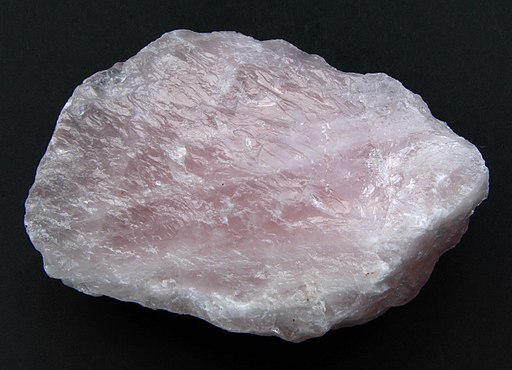
Shimmering, milky, rosy piece of rock, resembling the sea at sunset.

This is the view onto the Öresund bridge which connects two countries, Denmark and Sweden, although it turns into a tunnel in the midst of the water, so that it seems to go under… The style of the poem is that of two hundred years ago, when such long bridges could not yet be constructed; the speaker only wishes for roads across, instead of the sea itself as a path.

I tried to convey the expansion of the elements and the symphony of grey, white, silver, golden, pink.

You can read English poems about a suspension bridges at On the Orange Bridge (San Francisco) and Tranquil Dragon (London).

Photograph of raw rose quarz by Ra’ike [GFDL or CC BY-SA 3.0], via Wikimedia Commons.

Milder Mai

Milder Mai

I.

In der weißen Marmorwanne
wartet schon ein warmes Bad:
So steht weiche Luft im Marktplatz,
füllt ihn bis zur feinsten Naht,

nimmt die Jacken von den Schultern,
von den Gliedern das Gewicht,
taucht das graue Reich des Nordens
in ein weingetöntes Licht.

II.

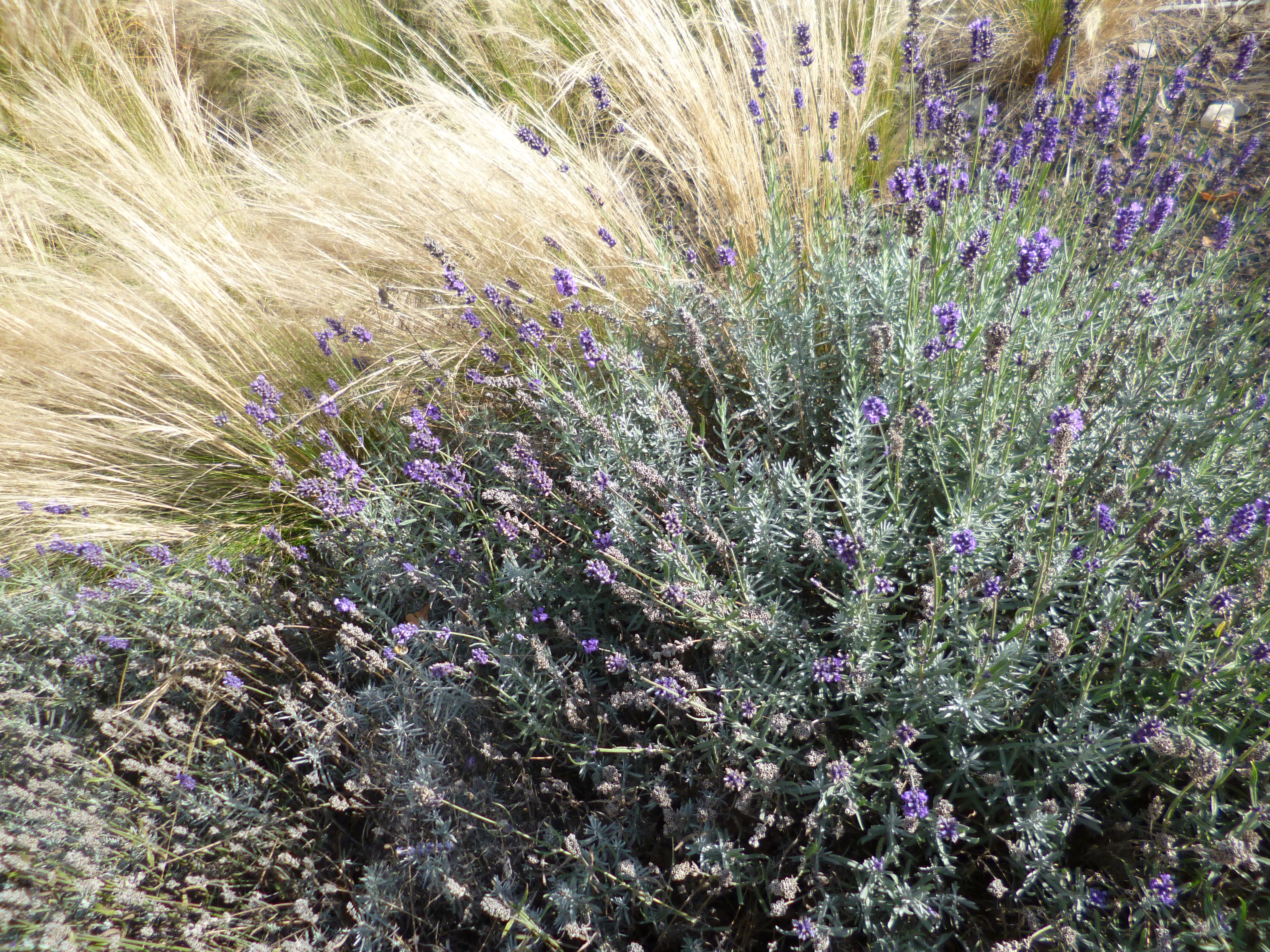
Lavender with fresh and wilted blossom, next to pale-golden grass.Wieder wuchert der Lavendel
halbwegs übern Gartenpfad,
birgt in prallen grünen Stengeln
seine süße lila Saat,

säumt die amethystnen Rispen
noch mit Lapislazuli,
jubiliert mit frischer Stimme
in der Sechsten Symphonie!

III.

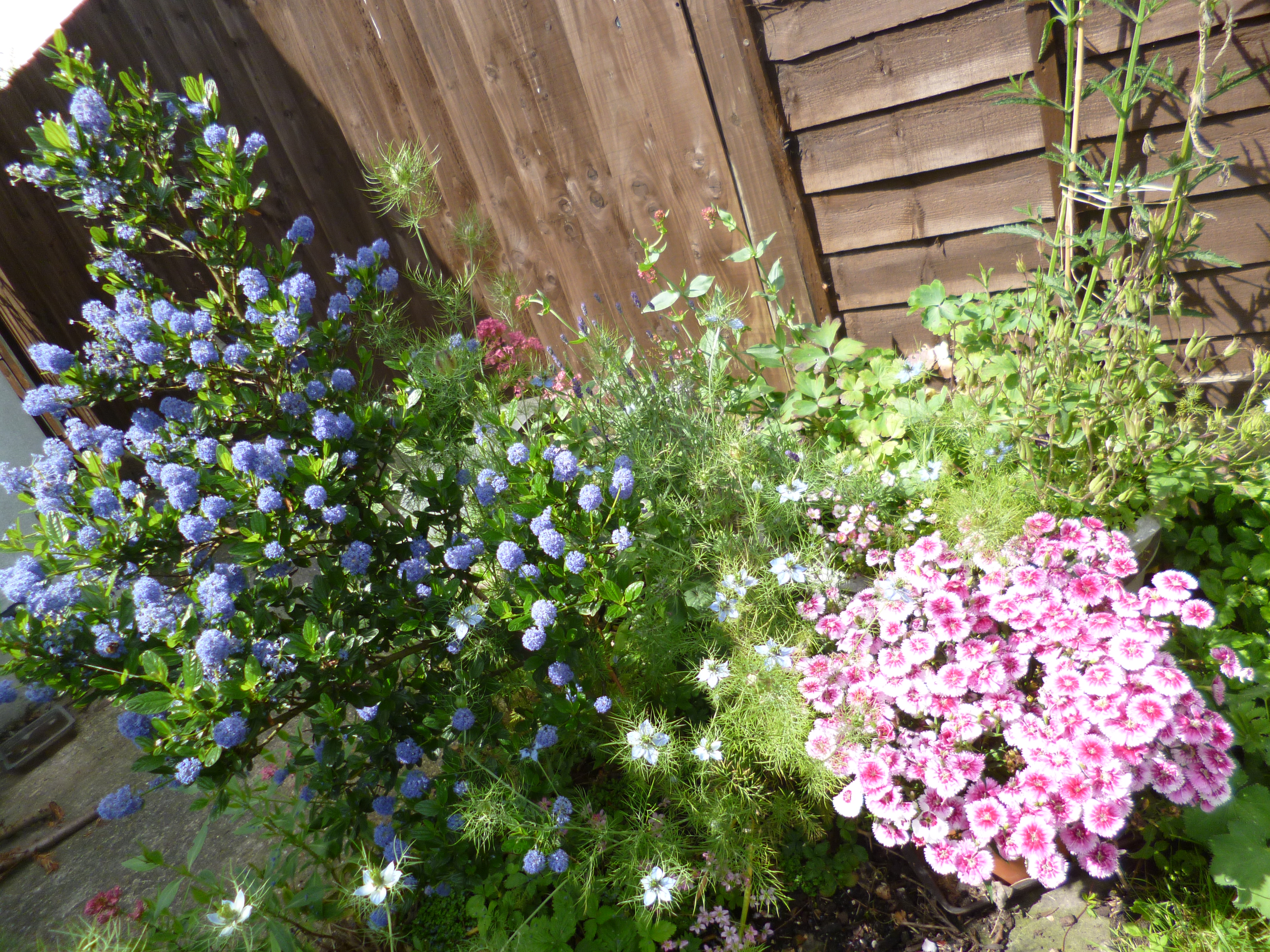
Little tree with bright-blue blossom, next to pink and blue flowers.Wieder naht die Sonnenwende,
milder, üppiger denn je;
niemals tat so wohl das Leben,
niemals tat es mir so weh.

Selbst die losen Rosenblätter
leuchten wie ein Wolkensaum…
Und ich pflanze unter Tränen
einen himmelblauen Baum.

Christina Egan © 2014


I was thinking of sunlight like golden wine, but it might also a dusk like rosé…

The blue-blossoming tree is a ceanothus; the Sixth Symphony is Beethoven’s Pastoral.

Lavender; ceanothus. Photographs:  Christina Egan © 2016 /© 2017.


Zauberspruch zur Winterverbrennung

Zauberspruch zur Winterverbrennung

Lohende Flammen, lohende Glut,
schmelzet den Schnee uns, schmelzet den Frost!
Knisternde Äste, knisterndes Holz,
brechet den Bann uns, brechet das Eis!

Christina Egan © 2016

Ancient manuscript (9th/10th c. AD) in neatly written Old High German.


These lines were inspired by two things: the German custom of gathering round huge bonfires to drive the winter out; and those few pagan spells in ancient German which have come down to us.

The sound of the hissing flames and the crackling branches is captured in the verse. The power of winter is interpreted as a spell, an ordeal of darkness and cold, which this spell, the chant or prayer of man, can break.


The only pagan spells in Old High German, probably written down in Fulda monastery in the 9th or 10th century AD. – Photograph: Public domain, via Wikimedia Commons.